

By noon, a hard office chair can make sitting feel much less comfortable than it did in the morning. Drivers, home workers, wheelchair users, and long-haul travelers often need a different kind of support depending on whether pressure builds around the tailbone, hips, thighs, or lower back. These seat cushions offer distinct shapes, materials, and coverage for those situations.
The Lineup, Simplified

C CUSHION LAB Extra Dense Lumbar Support Pillow, Wellness Green

C CUSHION LAB Ergonomic Memory Foam Foot Rest, Massage Ridge Design

BlissTrends Thick Seat Cushion
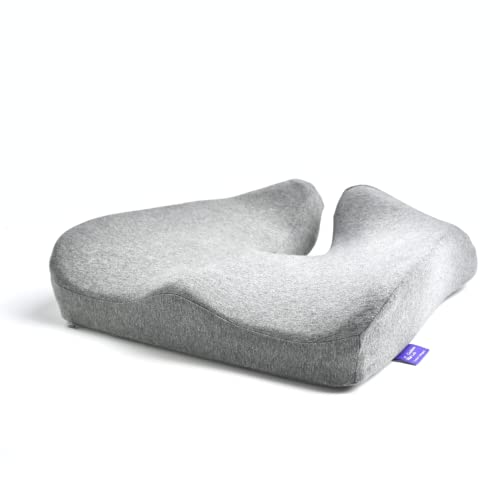
C CUSHION LAB Patented Extra-Dense Memory Foam Pressure Relief Seat Cushion, Light Grey

Kölbs Extra Large Memory Foam Seat Cushion, Velvet Cover, Extra Large

CushZone Memory Foam Seat Pad
The Picks, Examined More Closely
A hard chair can start working against your lower back well before the workday ends. This lumbar pillow takes a different approach from the seat pads later in the lineup, using firm support across several vertical zones rather than cushioning the area beneath your hips.
The strap lets you place the support against an office chair, car seat, or sofa without relying only on your body weight to hold it in place. You may find it most useful when your main discomfort comes from the lower back during long desk sessions, though it does not directly cradle the tailbone.
Points In Its Favor
- Separate lower, middle, and upper-middle support zones create a more structured fit than a simple flat pillow.
- The extra-dense construction favors steady support over a soft, sink-in feel.
- A strap adds practical stability on office chairs and car seats.
- One support can move between your desk, vehicle, and sofa.
Trade Offs
- It addresses lower-back support rather than direct pressure beneath the coccyx, or tailbone.
- The contoured shape may occupy noticeable space against a compact chair, so measure the seat before ordering.
Key Specs
Made For
You spend long stretches at an office desk or in a car and need targeted lower-back support more than tailbone cushioning.
A Better Fit Elsewhere
The C CUSHION LAB Patented Extra-Dense Memory Foam Pressure Relief Seat Cushion suits you better when pressure under the tailbone is the primary concern.
Your feet carry more load while they remain flat on the floor, particularly during a long computer session. Raising them changes the geometry of the lower body, and this memory foam foot rest provides a padded, angled place to support them beneath the desk.
The ridge pattern adds a textured contact point under the soles, while the elevated platform gives your heels and ankles a different position. You may find it especially comfortable for gaming or work breaks, although it addresses leg and hip positioning rather than direct tailbone pressure.
Everyday Wins
- Elevates your feet to change the sitting position during extended desk time.
- Memory foam provides a softer landing than a bare floor or rigid footplate.
- The massage ridge design adds texture where your soles rest.
Worth Noting
- It is a foot support rather than a seat pad, so it does not directly cushion the coccyx.
- Your desk needs enough clearance beneath it to place the rest where your feet can reach it naturally.
Right Fit For
You spend hours at a computer desk or gaming station and want your feet elevated without relying on a hard platform.
Swap It Out When
The CushZone Memory Foam Seat Pad is a closer match when your chair creates direct pressure beneath the tailbone.
Some office chairs leave too little usable space between the hips and the front edge. The BlissTrends cushion answers that problem with a broad 18.5-by-16.9-inch surface, giving your thighs and hips more room to spread instead of crowding the edges.
Its deep center and raised side wings create a cradle-like shape. That generous coverage makes it a practical fit for larger bodies or anyone who wants substantial padding, though the high edges may take some getting used to in a compact car seat.
A Strong Showing
- The oversized surface provides more usable seating area than a compact pad.
- Four inches of central thickness offers substantial cushioning for long work sessions.
- Raised wings give your hips a boundary and can reduce sliding sideways.
- The broad shape supports both office chairs and car seats.
- Deep padding suits people who prefer a soft, filled seat rather than a thin pad.
Minor Gripes
- The high side wings can feel restrictive during the first few sits.
- Its extra-large dimensions may not suit a narrow car bench or compact chair.
Feature Snapshot
Who Will Love This
You spend long periods in an office chair, have broader proportions, or prefer a deeply padded surface with pronounced side support.
Look Elsewhere When
The CushZone Memory Foam Seat Pad suits you better when a specific U-shaped tailbone opening matters more than deep, cradle-like padding.
Tailbone discomfort often becomes noticeable when a flat chair concentrates pressure on one small area. This contoured memory foam pad spreads the contact across shaped regions around the hips and thighs, giving the seat a more anatomical profile.
Its compatibility with office chairs, home seating, cars, and wheelchairs makes it useful across several parts of your routine. Compared with the BlissTrends Thick Seat Cushion, this model favors a more sculpted, extra-dense design instead of broad raised wings.
Practical Advantages
- Contoured shaping supports the thighs and hip regions rather than remaining completely flat.
- Extra-dense memory foam provides structured cushioning for long seated periods.
- The design fits common office chairs, car seats, home chairs, and wheelchairs.
- Its light-grey finish suits professional and neutral seating environments.
Points To Note
- You may prefer the more open, targeted cutout of the CushZone pad for direct tailbone relief.
Technical Highlights
Built With In Mind
You spend the day in a work chair or wheelchair and want a contoured memory foam surface that supports several contact areas.
Reach For A Different Pick When
The CushZone Memory Foam Seat Pad fits you better when keeping the central tailbone area open is your main priority.
A road trip turns every minor seat contour into something you notice for hours. The Kölbs cushion brings broad memory foam padding and a plush velvet cover, with a carry handle that makes it easier to move between the house, office, and vehicle.
Its 19-by-17-inch footprint offers more surface area than a standard office pad, while the three-inch height creates a noticeable layer between you and the chair. The soft finish feels more decorative than the technical mesh and sculpted foam designs elsewhere in this lineup.
Well-Handled Touches
- The carry handle simplifies moving the cushion between chairs and vehicles.
- Generous dimensions provide broad coverage for the hips and thighs.
- Velvet gives the seat a softer, more decorative appearance.
Trade-Offs To Consider
- The three-inch height may make some vehicle seats feel higher than usual.
- Its broad shape can occupy much of a compact chair or small car bench.
- The smooth velvet cover offers less of the ventilated feel of a mesh surface.
The Right Fit
You travel frequently, move between home and office seating, and prefer a plush cushion with generous dimensions.
Consider Something Else When
The BlissTrends Thick Seat Cushion suits you better when you want raised side wings and a larger central support zone.
Direct tailbone pressure calls for a more targeted design than a uniformly padded pad. The CushZone seat pad uses a U-shaped opening to leave the central tailbone area unsupported, with the surrounding foam shaped to keep your hips and thighs supported.
A polyester mesh cover adds airflow around the foam, which can feel practical during a full office day. The design is less bulky than the deeply raised BlissTrends cushion and more directly focused on the coccyx than the C CUSHION LAB lumbar support.
Good Reasons To Consider
- The U-shaped opening directly removes foam from the central tailbone area.
- Mesh fabric promotes airflow during extended periods of sitting.
Practical Considerations
- The open center may not provide the same broad cushioning as a fully padded surface.
- You may need to adjust its position periodically to keep the opening centered beneath your tailbone.
Quick Facts
Whose Shelf It Belongs On
You sit for many hours and want a relatively focused, breathable design that leaves the tailbone area open.
Where Another Pick Shines
The BlissTrends Thick Seat Cushion suits you better when deep padding and raised side wings matter more than an open center.
What Matters in a Tailbone Support Cushion
Match the Support to the Pressure Point
Start by identifying where the chair feels least comfortable. A central opening makes sense for direct tailbone pressure, while contoured foam or raised wings suit broader discomfort across the hips and thighs. A lumbar pillow addresses a different area, so do not treat it as a substitute for a seat pad.
Check the Shape Against Your Chair
Dimensions and raised edges determine how the cushion sits inside the chair. Measure the usable seat area first, especially for a car, and consider whether a three-inch profile or prominent side wings will change how you reach the pedals or sit at a desk.
Consider Foam and Cover Together
Memory foam is the common cushioning material across these picks, but the structure varies considerably. Mesh can improve airflow, velvet creates a softer decorative finish, and contoured or sculpted foam supports particular regions. Your climate, comfort preferences, and chair type should guide the choice.
How To Find Your Comfort Match
Common Shopping Slip Ups
The biggest mistake is focusing on thickness alone. A very deep cushion can feel supportive to one person and too elevated to another. Check the opening, wing height, center depth, and overall footprint against your chair before deciding.
The Upgrade Payoff
A higher-priced model may spend more on specialized shaping, extra-dense foam, targeted openings, or a more considered cover. The extra cost matters when a basic flat pad leaves your main pressure point unsupported, while a simpler design may be enough for occasional use.
Frequently Asked Questions
Which cushion is best for direct tailbone pressure?
The CushZone Memory Foam Seat Pad is the most targeted option because its U-shaped opening leaves the central tailbone area free from direct foam contact. The C CUSHION LAB Patented Extra-Dense Memory Foam Pressure Relief Seat Cushion offers a broader contoured alternative.
Is a thicker seat cushion always more comfortable?
No. Thickness adds padding, but the shape, support zones, and chair dimensions determine how the cushion feels during long periods of sitting. You may find a moderate profile more comfortable than a deep cushion that raises you too far from the chair.
Can a seat cushion help with lower-back discomfort?
A contoured pad can support the hips and thighs in a way that changes your sitting position, which may reduce strain around the lower back. The C CUSHION LAB Extra Dense Lumbar Support Pillow offers more direct lumbar support for office chairs and cars.
Which option works best in a car?
The BlissTrends Thick Seat Cushion provides broad coverage and raised side support, while the C CUSHION LAB Patented Extra-Dense Memory Foam Pressure Relief Seat Cushion offers a more sculpted alternative. Measure your car seat before choosing, since extra height and width can affect legroom.
Are mesh or velvet covers better for long sitting?
Mesh generally favors airflow during warm conditions and extended desk sessions. Velvet offers a softer, more decorative feel, which may be preferable in a home office or vehicle where appearance matters more than ventilation.
Final Verdict
The CushZone Memory Foam Seat Pad stands out for focused tailbone relief, while the BlissTrends Thick Seat Cushion offers more padding and broader hip support. Choose the shape that addresses your exact pressure point, then confirm it fits the chair and your preferred sitting height. The right cushion is the one your body can sit with comfortably for the length of the day.
