

A full shift in work boots can leave your feet feeling much worse than the rest of your body. Flat feet and overpronation often need more than extra cushioning, so the right insert or shoe should support your arch, guide your heel, and fit the shape of your foot without creating new pressure points.
The strongest boot-specific choice here is AIRARROWS, while several PowerStep models offer firmer correction for walking or running. The OrthoComfoot pair takes a different approach with a wide toe box and zero-drop shape. Here are six options for work, exercise, and everyday movement, with the trade-offs stated plainly.
How The Shortlist Stacks Up

AIRARROWS Low-Arch Work Boot Insoles with U-Heel Cup, Blue, US 6.5

OrthoComfoot Men’s Wide Toe Box Zero-Drop Walking Shoes with Arch Support

FootScientific Type 1 Flat-Feet Orthotic Insoles

PowerStep Pinnacle Maxx Heavy-Duty Stability Orthotics with Angled Heel
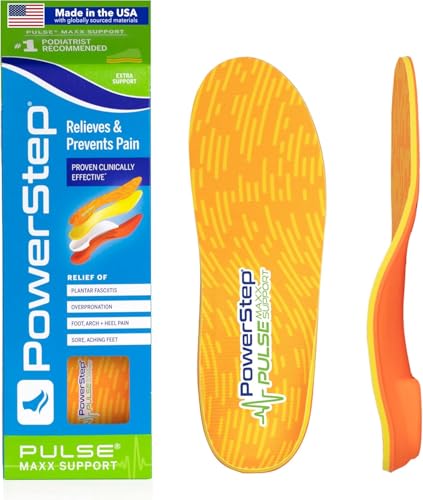
PowerStep Pulse Maxx Running Orthotics for Overpronation, Angled Heel
PowerStep Pinnacle Low Flat-Feet Overpronation Orthotics with Deep Heel Cradle
The Picks, Examined More Closely
A day spent walking a warehouse floor calls for cushioning that does not feel like a slab under your heel. These AIRARROWS insoles use a soft PU, or polyurethane, base with a low-arch contour, heel cup, and separated forefoot area. That makes them a gentler option for standard low arches than a rigid support built primarily for correction.
For your work boots, the practical appeal is straightforward: you replace the thin factory insert without changing the boot. The blue model is sized for US 6.5 men and US 8 women, and most footwear should accept it without alteration. You may still need minor trimming on a boot with an unusually narrow internal shape.
What Makes Sense
- Soft PU cushioning suits long shifts on your feet.
- The heel cup adds containment without a hard plastic edge.
- Ten listed sizes make matching your usual footwear size easier.
- Arch, heel, and forefoot zones distribute pressure across the foot.
Points To Keep In Mind
- This is low-arch support rather than a highly corrective orthotic.
- The manufacturer suggests replacing the pair every six months.
Feature Snapshot
Who It Suits Best
You benefit most from this pair during long work shifts where flexible cushioning matters more than strong motion control.
Another Choice May Suit
PowerStep Pinnacle Maxx offers firmer heel control for your daily footwear when overpronation needs more substantial guidance.
Wide feet can make ordinary walking shoes feel crowded long before a long walk ends. The OrthoComfoot design starts with a roomy toe box, allowing your toes to spread rather than press against the front of the shoe. Its zero-drop shape keeps the heel and forefoot at a similar level, which some people prefer for a more natural-looking stride.
This pair functions differently from the insert-only options because the upper, insole, and sole work together. The built-in orthotic shape and arch support suit casual walking, gym sessions, and daily errands, although it is not the boot-specific choice in this group. For your feet, the wide fit may matter as much as the support technology.
Key Advantages
- Extra-wide toe space reduces crowding around your toes.
- Zero-drop geometry keeps heel and forefoot level.
- A built-in orthotic insole provides arch and heel support.
- The breathable upper suits commuting and casual exercise.
Some Limits To Know
- This is a shoe, so it cannot be inserted into your existing boots.
- The wide shape may feel roomy compared with narrow footwear.
- Persistent discomfort still calls for professional foot evaluation.
Quick Facts
Made For
You get the most benefit from these shoes when a roomy toe box matters alongside arch support during regular walking.
Where A Sibling Pick Shines
AIRARROWS Low-Arch Work Boot Insoles serve you better when your priority is adding support inside boots you already own.
FootScientific takes a more structured approach with a molded cork layer intended to hold a corrective shape. Cork is a firm, lightweight material that can absorb impact while retaining its form. The Type 1 design is specifically positioned for low arches and overpronation, making it more targeted than the AIRARROWS work insert.
You also get a padded foam heel stabilizer and an EVA comfort layer, with EVA being a lightweight foam commonly used in footbeds. A mesh top layer helps manage perspiration and adds transitional cushioning. The selected size is men’s 4 to 4.5 or women’s 6 to 6.5, so check the size before expecting these to fit your current footwear.
Positive Takeaways
- Molded cork helps preserve the orthotic shape.
- Padded foam steadies your heel during each step.
- The EVA layer adds impact-absorbing comfort.
- Mesh helps control moisture and reduce odor.
Trade-Offs To Consider
- The narrow size range shown here suits only a specific fit.
- Corrective cork feels firmer than the AIRARROWS PU insert.
- A close size check is essential for work boots.
The Right Fit
You suit this Type 1 design when low arches and heel control are your main concerns in everyday shoes or compatible boots.
Reach For A Different Pick When
PowerStep Pinnacle Low gives you a broader low-arch option when firmer cushioning suits your daily footwear better.
Some work shoes need firmer guidance than a soft cushion can provide. PowerStep Pinnacle Maxx combines stability-focused construction with a firm yet flexible heel and an angled heel position. That angle is intended to encourage a more aligned foot through walking, which makes this pair more relevant to pronounced overpronation than the AIRARROWS insert.
You are looking at a more substantial orthotic, so boot volume matters. A removable factory insole usually leaves more room, though your footwear must accommodate the Pinnacle Maxx profile without lifting the heel out of contact with the shoe. The selected variant is men’s 4 to 4.5 or women’s 6 to 6.5, and it is made in the USA.
What Works In Its Favor
- Stability-focused construction suits stronger control needs.
- The angled heel supports a more aligned foot position.
- A firm heel remains flexible during movement.
- It fits many removable-insole work boot designs.
Practical Considerations
- Its substantial profile may reduce space in narrow boots.
- You need a separate size variant for another shoe size.
Technical Highlights
Built With In Mind
You benefit most from Pinnacle Maxx when firm heel control matters more than a soft, minimal insert profile.
Not Your Match When
AIRARROWS Low-Arch Work Boot Insoles suit you better when gentle PU cushioning takes priority over strong correction.
Running shoes have less room for bulky inserts, so the PowerStep Pulse Maxx is built around a relatively rigid shell and an angled heel. Motion control means using the shape of the insert to influence how your foot moves during activity. That makes this a more focused option than the FootScientific Type 1, which is designed primarily for everyday shoes and boots.
Your running shoe also needs room for the insert without distorting its fit. This selected pair is sized for men 6 to 6.5 or women 8 to 8.5, and the upper is made from polyester. You may find the rigid profile less comfortable during a full workday, even when it performs well during running.
Bright Spots
- Designed specifically for advanced running shoes.
- A rigid shell gives overpronation firmer correction.
- The angled heel supports alignment during movement.
- Its focused shape suits higher-mileage running use.
Where It May Fall Short
- It is not designed as a casual work insert.
- The firmer shell can feel restrictive in dress shoes.
- Only the listed size variant is shown here.
Who Should Grab It
You should consider Pulse Maxx when overpronation control during running takes priority over all-day softness.
Consider Something Else When
PowerStep Pinnacle Low fits your priorities better for walking, work shoes, and extended daily wear.
PowerStep Pinnacle Low combines a low, firm arch with a deep heel cradle, giving you more guidance than a basic cushioned insert without moving into the rigid running category. The heel area helps keep your foot centered, while the contoured shape is intended to support flat arches and overpronation during ordinary movement.
Dual-layer cushioning adds comfort without losing the underlying support structure, which gives this option a broader appeal than Pulse Maxx. You can consider it for compatible work shoes, walking shoes, and daily footwear, but the deep heel and contoured profile may take more room than a thin factory insert. This selected size is men’s 8 to 8.5 or women’s 10 to 10.5.
What Pays Off
- Low-arch support suits flatter foot shapes.
- The deep heel cradle promotes steadier foot positioning.
- Dual layers balance support and cushioning for daily use.
- Its design suits both walking and work shoes.
Details To Watch
- The deep heel requires adequate room inside your shoes.
- Its firmer feel differs from a soft PU insert.
Feature Facts
Whose Shelf It Belongs On
You get the most benefit from Pinnacle Low when daily walking and work shoes need moderate low-arch support and heel control.
Look Elsewhere When
PowerStep Pulse Maxx suits you better when your main need is firmer motion control during running.
What Matters Before You Choose Supportive Footwear
Match The Support To Your Arch
Low-arch cushioning feels softer and more flexible, while a corrective orthotic uses a firmer shape to guide your heel and arch. You should start with the amount of control you actually need rather than assuming stronger support is always better. FootScientific Type 1 and PowerStep Pinnacle Maxx lean toward structure, while AIRARROWS prioritizes flexible cushioning.
Check The Space Inside Your Boot
An insert cannot work well when it lifts your heel away from the boot or crowds your toes. Compare the listed size with your current footwear and check the boot’s internal shape before ordering. Most removable factory insole designs offer the easiest fit, but narrow boots may still require a thinner profile.
Think About Your Main Activity
Running, standing at work, and walking errands create different demands. Pulse Maxx is shaped for motion control in running shoes, AIRARROWS targets long shifts in boots, and Pinnacle Low sits between structured support and daily cushioning. Match the insert to the activity you perform most often.
Seek Guidance For Persistent Symptoms
Flat feet and overpronation are common foot patterns, but recurring pain, numbness, or changes in walking deserve attention from a qualified specialist doctor or podiatrist. An insert may provide support, yet it cannot replace an individual assessment when symptoms continue.
Key Details That Shape Your Choice
Mistakes Worth Dodging
Avoid choosing solely by the word “orthotic.” Check the arch height, heel design, size, and intended activity, and make sure the insert fits your footwear without distorting the heel position. A shoe with a wide toe box addresses crowding rather than overpronation, so it should complement rather than replace the right insert.
What Separates Premium From Basic
More structured materials, deeper heel shaping, and multiple comfort layers separate the firmer options from simple foam footbeds. That extra construction makes sense for pronounced overpronation or repeated activity, while a soft PU insert can be more comfortable for a work shift with no room for a bulky footbed.
Frequently Asked Questions
What type of insole is best for flat feet?
A low-arch or contoured insole is a practical starting point for many flat feet, especially inside work boots. You also need heel support and enough space for the insert to sit flat.
Does overpronation require a rigid orthotic?
Rigid correction is useful for some feet, but support level depends on your arch, gait, footwear, and comfort. A specialist doctor can help determine whether a firmer orthotic is appropriate for recurring symptoms.
Can supportive insoles fit inside work boots?
Most work boots accept a removable orthotic, but the heel depth and internal width determine the result. Check the size carefully and compare the insert’s profile with the space beneath the existing insole.
Are zero-drop shoes better for flat feet?
Zero-drop shoes keep the heel and forefoot more level, but comfort depends on your anatomy and walking habits. You may find the wider OrthoComfoot toe box more useful than the heel positioning.
Should the same orthotic work for running and work shoes?
A running-specific insert may feel too firm for a long workday because it is built for motion control during faster activity. You will usually get a more comfortable daily fit from an insert designed for walking, standing, or general footwear.
Final Verdict
Start with AIRARROWS for flexible support inside work boots, or move toward PowerStep when firmer heel control suits your walking or running routine. The OrthoComfoot shoes make the most sense when a wide toe box matters, while FootScientific targets low arches with a more molded correction. Choose the level of control and footwear fit that feels workable from the first hour, and seek professional guidance for persistent pain.
