

Standing through a workday or finishing a shift in tight shoes can turn the ball of your foot into the most uncomfortable part of your stride. The right insert may add cushioning, redistribute forefoot pressure, or support a specific problem area, and the six options below cover everything from full-length orthotics to slim heel cushions.
The Choices Worth Comparing

PowerStep ProTech Met Full Length Orthotics M 8-8.5 W 10-10.5

PowerStep Pinnacle Plus Met Orthotics M 8-8.5 W 10-10.5

High Heel Ball Cushions
Sibba Feet Bunion, Corn, and Blister Pads for Shoes

U Shape Metatarsal Callus Pads 24
PowerStep Morton’s Extension Carbon Fiber Insole M 8-8.5 W 10-10.5
Meet The Standout Selections
This full-length orthotic treats the forefoot as part of a larger support system rather than isolating one tender spot. Pronation support, which means controlling how the foot rolls inward, may matter during long days on your feet, while the metatarsal pad adds cushioning beneath the forefoot.
The heel pad and full-length construction make it a stronger choice than the slim cushions in this list, especially for sturdy work shoes or walking shoes. You may find the structured shape less comfortable than a soft pad in close-fitting fashion footwear, so adequate shoe depth deserves a close look.
A Favorable Mix
- Metatarsal padding targets the area where your toes meet the front of the shoe.
- Full-length support combines the forefoot with arch and heel coverage.
- Structured support suits people who spend substantial time walking or standing.
- The listed size includes both men’s and women’s width options.
Points To Keep In Mind
- The substantial insert needs enough room inside the shoe to sit flat without crowding the toes.
- A full-length orthotic offers more coverage than a targeted pad but less flexibility in a narrow shoe.
The Numbers That Matter
Made For
People who stand for long shifts, walk frequently, and need structured support across the entire foot.
Consider Something Else When
High Heel Ball Cushions suit you better when soft, low-profile forefoot padding matters more than arch control.
This insert combines forefoot cushioning with a neutral arch, meaning it supports the arch without forcing the foot toward a pronounced high or low arch position. A deep heel cradle and flexible contoured support make it a practical middle ground between a rigid orthotic and a soft adhesive cushion.
Compared with PowerStep ProTech Met Full Length Orthotics, this model feels more closely associated with removable-insole shoes and everyday walking. You need a shoe with a factory insole that can come out, and the listed M 8-8.5 and W 10-10.5 sizing should be compared with both your shoe and foot measurements.
Strong Points
- Built-in metatarsal cushions the forefoot without requiring a separate pad.
- The neutral arch offers balanced support for a broad range of foot shapes.
- A deep heel cradle adds stability around the rear of the foot.
- Polyester construction makes the insert flexible enough for regular walking shoes.
Trade Offs
- Your shoe must have a removable factory insole for a proper fit.
- The structured design takes more room than a thin adhesive cushion in a narrow shoe.
Who It Suits Best
Walkers and daily shoe wearers who want metatarsal cushioning alongside moderate, neutral arch support.
Another Choice May Suit
PowerStep Morton’s Extension Carbon Fiber Insole better suits people who need firmer control around the big-toe joint.
Some shoes leave little room for a full-length orthotic, and that is where these slim pads make more sense. They add a soft layer under the forefoot without replacing the entire factory insole, making them useful for heels, dress shoes, and athletic shoes with a close fit.
The suede contact surface adds a soft feel while the adhesive backing helps the pads stay in place as you move. Four pairs also make it easier to keep one set in several pairs of shoes, though the low-profile format offers no arch control or rigid stabilization.
Where It Helps
- The thin profile fits comfortably into shoes with limited internal space.
- A suede surface provides a softer contact area against the skin.
- Adhesive backing helps each pad remain positioned during movement.
- Four pairs suit someone rotating these cushions between shoes.
Small Caveats
- These pads cushion the ball of the foot but do not provide structured arch support.
- Check the available toe room because any added thickness can affect how a narrow shoe feels.
Core Details
Right Fit For
People wearing heels or snug shoes who need targeted forefoot cushioning without a full-length insert.
Where A Sibling Pick Shines
PowerStep Pinnacle Plus Met Orthotics offers a better fit for everyday shoes with removable insoles and a need for arch support.
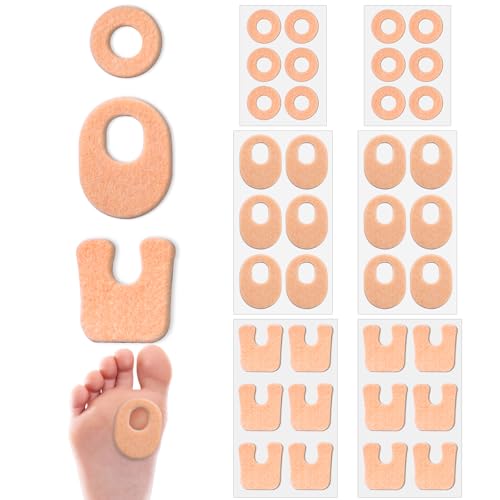
Not every forefoot issue needs an insert spanning the whole shoe. This collection focuses on localized protection around toes affected by bunions, corns, calluses, or blister-prone areas, making it a more targeted approach than the PowerStep orthotics earlier in the list.
Felt pads offer a gentle covering for a specific sore area, while the gel-backed stickers are designed to stay against the intended spot. You may find the mixed assortment useful for different shoes, although these products do not provide the broad cushioning or arch support of a full-length insert.
Real-World Strengths
- Targets individual toe areas rather than adding a bulky insert to the entire shoe.
- Felt cushions provide a soft layer over corns, calluses, and bunion areas.
- Gel-backed patches adhere to the location where protection is needed.
- Includes options for both bunion care and blister protection.
Where It May Fall Short
- This is a spot-care solution, not a substitute for forefoot cushioning across the shoe.
- Placing a pad too close to a joint or skin crease may feel less comfortable than centering it over the affected area.
Quick Facts
Best Suited To
People with a clearly identifiable corn, bunion area, or blister-prone toe who want protection concentrated in one location.
Reach For A Different Pick When
U Shape Metatarsal Callus Pads 24 better suit someone who wants broader felt cushioning around the metatarsal area.
The open center of this horseshoe-shaped pad is the key detail. It can fit around a tender metatarsal area while leaving the central portion less crowded, and the felt construction absorbs moisture while cushioning skin that has become thickened from repeated pressure.
At 0.2 inch thick, the pads add more substance than the ultra-thin High Heel Ball Cushions without replacing the shoe insole. The 24-piece count suits a household or anyone who wants to replace worn pads, but precise placement matters because the U-shaped opening must surround the intended area.
Real Benefits
- The open-center shape helps avoid placing material directly beneath the most tender point.
- Felt feels soft against skin and is designed to absorb sweat.
- Twenty-four pads provide a useful supply for regular replacement.
- The horseshoe shape can also sit around a callus or corn area.
Practical Considerations
- The 0.2-inch thickness takes up more space than a very slim adhesive cushion.
- Correct centering around the metatarsal area is important for comfortable placement.
Who Will Love This
People with callused metatarsal areas who want replaceable felt cushions shaped around the pressure point.
A Better Fit Elsewhere
Sibba Feet Bunion, Corn, and Blister Pads for Shoes suit you better when you need individual patches for several different toe areas.
This orthotic approaches the forefoot from the big-toe side rather than cushioning the entire ball area with a soft pad. A carbon fiber plate, a thin and rigid stabilizing layer, controls movement around the first toe joint while the full-length design also supports the arch and heel.
It is the most specialized option here for someone whose discomfort is tied to big-toe movement, hallux rigidus, or a Morton’s extension pattern. Firm arch support suits standard arches, though you may prefer the more neutral construction of PowerStep Pinnacle Plus Met Orthotics for a less restrictive everyday feel.
The Helpful Details
- Carbon fiber adds rigid control without the bulk of a thick plate.
- Big-toe control can reduce movement through a stiff or painful joint area.
- Full-length coverage includes the forefoot, arch, and heel.
- Unisex sizing and listed width options make a more precise comparison possible.
Less-Strong Areas
- Controlled big-toe movement may feel overly restrictive to someone wanting flexible cushioning.
- The firm arch profile is not necessarily the most comfortable choice for every foot shape.
Feature Breakdown
Built With In Mind
People dealing with restricted big-toe movement who value firm stabilization and standard-arch support across a full-length insert.
Swap It Out When
High Heel Ball Cushions offer a better fit for close-fitting shoes where flexible forefoot padding matters more than joint control.
What Matters Before You Choose Forefoot Support
Start with the problem you need to address. A soft forefoot cushion works best when pressure is concentrated beneath the toes, while a full orthotic makes more sense when the arch, heel, and forefoot all need coordinated support. A rigid big-toe insert serves a narrower purpose and should not be confused with general forefoot padding.
Match the Insert to Your Shoe
Remove the factory insole and place your candidate insert in the shoe before buying. Your toes should remain comfortably forward rather than being pushed upward, and the insert should lie flat without bunching at the toe box. Full-length models need more interior space, whereas slim pads work better in close-fitting shoes.
Decide Between Cushioning and Control
Cushioning adds softness and reduces direct pressure, but it may not stabilize the foot. Structured support uses a shaped arch, heel cradle, or rigid plate to influence movement and positioning. You need more support for prolonged standing, but softer cushioning may feel better during occasional social wear.
Match the Product to the Location
A metatarsal pad supports the central forefoot, while a bunion or corn cushion belongs over one localized spot. Consider where your discomfort appears during the day, what type of shoe creates it, and whether you need broad coverage or a small patch. That distinction will narrow the list faster than appearance or brand alone.
Common Mistakes Worth Avoiding
A thicker insert is not automatically more supportive. Excess thickness can crowd the toe box, while a rigid design may feel uncomfortable in a flexible shoe. Compare the insert’s shape, your shoe’s internal room, and the location of the cushion before deciding.
The Upgrade Payoff
Higher-tier orthotics usually add more structured materials, deeper shaping, or a specific control feature. That refinement helps when you need coordinated support across several foot areas; simple pads remain more practical for a narrow problem in a fashionable shoe.
Frequently Asked Questions
Which insert is best for ordinary walking shoes?
PowerStep Pinnacle Plus Met Orthotics suit many everyday walking shoes because they combine forefoot cushioning, neutral arch support, and a heel cradle. Your shoe needs a removable factory insole for a proper fit.
Do thin ball-of-foot cushions work in high heels?
Yes. High Heel Ball Cushions add a low-profile, adhesive layer without taking up the space required by a full-length orthotic. You still need enough toe room for the added thickness.
Are full-length orthotics better than small pads?
Full-length orthotics provide broader arch, heel, and forefoot support, while small pads concentrate cushioning around one uncomfortable area. Your specific symptoms and shoe type should determine which approach makes more sense.
Can I use these inserts for big-toe discomfort?
PowerStep Morton’s Extension Carbon Fiber Insole is designed around controlled big-toe movement and a rigid stabilizing plate. You may prefer softer padding when your discomfort comes from general forefoot pressure rather than toe-joint restriction.
When should persistent foot discomfort be evaluated?
Foot discomfort that persists, worsens, or changes the way you walk deserves evaluation by a qualified health professional. Bring your shoes and current inserts to the appointment because footwear can provide useful clues.
Wrap Up
The best match depends on where your foot feels the strain and how much room your shoes offer. Full-length PowerStep models suit broader support needs, the slim Welnove pads favor close-fitting shoes, and the felt options work best for localized skin protection. Choose the design that solves your specific issue, then confirm that it fits comfortably before making it part of your daily routine.
