

A long run can expose the difference between a shoe that feels comfortable from the start and one that becomes distracting after several miles. Runners concerned about knee comfort need cushioning, a secure fit, and a neutral platform that suits their stride, while people returning to the sport also need a shoe that feels approachable. These six options cover road training, gym sessions, and trail running, with several neutral designs built for regular mileage.
A Side-By-Side Look
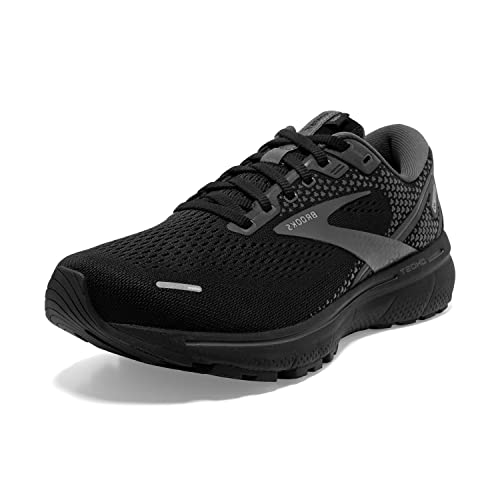
Brooks Ghost 14

Brooks Ghost 15

Brooks Anthem 6

Saucony Ride 13

Brooks Trace 3

WHITIN Runner W30
More On The Choices That Made The List
The Ghost 14 settles neatly between soft cushioning and a responsive platform, which makes it a sensible starting point for regular road miles. DNA LOFT fills the midsole, while the Segmented Crash Pad cushions each landing and helps guide your foot from heel to toe. Compared with the more streamlined Anthem 6, this model offers a fuller cushioning setup.
Its 3D Fit Print upper adds structure without looking rigid, so you can wear the shoe for road running, gym work, or cross-training. Brooks recommends ordering running shoes one-half to one size larger than your dress shoe, which is worth considering because a crowded toe box can affect how comfortably you run.
Everyday Wins
- Full-length DNA LOFT creates a softer landing surface for regular mileage.
- Neutral support suits runners whose feet manage their own alignment.
- The segmented crash pad smooths transitions from landing to toe-off.
- Structured 3D Fit Print keeps the upper from feeling completely loose.
- One shoe can cover running, gym sessions, and cross-training.
Things To Consider
- Brooks’ sizing recommendation makes a larger size worth checking, especially during long runs.
Key Specs
Who It Suits Best
You benefit most from the Ghost 14 as a neutral training shoe for road runs, gym sessions, and regular weekly mileage.
Where Another Pick Suits Better
Brooks Anthem 6 offers a leaner profile for beginners who prefer a streamlined shoe with less visual bulk.
The Ghost 15 takes the familiar Ghost formula and refines the fit with a more deliberate 3D Fit Print pattern. Air mesh adds ventilation around the foot, while the engineered upper provides stretch where movement requires it and structure elsewhere. You may notice a closer, more organized fit than on the Ghost 14.
DNA LOFT V2 keeps the cushioning light and soft for road runs, strength sessions, and other gym work. The Segmented Crash Pad works with that midsole to move you smoothly through each step, making this a practical choice when comfort matters but the shoe shouldn’t feel excessively bulky.
Advantages To Know
- The refined 3D Fit Print gives the upper a secure, organized shape.
- Air mesh promotes airflow during longer runs and warm workouts.
- DNA LOFT V2 delivers softer cushioning without the weight of a bulky platform.
- Neutral support makes it suitable for typical road-running and gym use.
Minor Gripes
- Air mesh and added upper structure may feel less accommodating than an entirely flexible upper.
- Neutral support offers no stability-focused correction for runners wanting that feature.
Feature Snapshot
Made For
You get the most from the Ghost 15 as a neutral daily trainer when a structured upper and breathable cushioning suit your running routine.
Look Elsewhere When
Brooks Trace 3 may suit you better when you want the simplest neutral option and prefer a less refined construction.
The Anthem 6 keeps its shape simple enough for runners building their first regular mileage plan. Its air mesh upper feels light and breathable, while the streamlined profile avoids the visual weight of a heavily built training shoe. That makes it an easy option to pair with everyday athletic clothes.
Brooks positions the Anthem 6 around performance cushioning that responds to your speed, stride, and weight. The heel also carries extra plushness for comfort beyond a single run, although the Segmented Crash Pad remains responsible for smoothing the transition from heel strike to toe-off.
A Few Highlights
- Lightweight DNA cushioning adapts to your pace and stride.
- Air mesh helps air move through the upper during active use.
- A plush heel adds comfort for regular wear beyond running.
Points To Note
- The streamlined emphasis may feel less substantial than the Ghost 14’s fuller cushioning.
- Neutral support favors runners who do not seek a stability-focused shoe.
- The breathable upper offers less visual structure than the Ghost 15’s fitted design.
Core Details
Right Fit For
You benefit from the Anthem 6 as a streamlined neutral trainer for short road runs, fitness sessions, and a growing weekly routine.
Another Choice May Suit
Brooks Ghost 14 provides a fuller cushioning experience for runners who want a softer platform during regular road mileage.
The Ride 13 brings a different construction to this group with PWRRUN cushioning and a flexible TRIFLEX outsole. PWRRUN is designed to soften impact while remaining responsive underfoot, so it can handle both road miles and faster training sessions without feeling disconnected from the ground.
FORMFIT surrounds the foot in a three-dimensional shape, while 3D-printed overlays add support and engineered mesh supplies flexible, breathable areas. Its 8 mm offset, the difference between heel and forefoot height, gives the shoe a more traditional road-running geometry than a zero-drop design.
Positive Points
- PWRRUN cushions impact while preserving a responsive feel.
- TRIFLEX bends with your stride to create a flexible road ride.
- FORMFIT and 3D overlays secure the foot without removing airflow.
- Engineered mesh balances structure with stretch where you need it.
Trade Offs
- The 8 mm offset may feel unfamiliar when moving from a zero-drop shoe.
- Runners wanting a deep, plush landing may find this responsive cushioning less substantial.
Technical Reference
Who Will Love This
You suit the Ride 13 for road running and mixed workouts where responsive cushioning and a flexible outsole are priorities.
Reach For A Different Pick When
Brooks Ghost 14 fits runners who prefer a fuller, softer cushioning platform on their regular runs.
The Trace 3 gives you a straightforward neutral option from Brooks, one of the best-known names in road-running shoes. Neutral support means the shoe is designed to avoid adding pronounced stability features, making it a sensible category to examine for runners whose feet feel comfortable with a more natural platform.
Its appeal is its lack of visual excess. For basic road training, that simplicity can be useful, especially when you want one pair to handle several light-to-moderate sessions each week. Compared with the Ghost 15 and Saucony Ride 13, though, you have fewer detailed construction cues to help you judge the feel before making a firm choice.
The Value In It
- Neutral support gives you a straightforward option for natural stride alignment.
- The simple design suits runners who prioritize an uncomplicated road trainer.
Points To Keep In Mind
- Neutral support is the clearest fit cue, so compare the available sizing and cushioning details with your own needs.
Built With In Mind
You benefit from the Trace 3 as a neutral road trainer for routine mileage when simplicity matters more than advanced cushioning features.
Consider Something Else When
Brooks Anthem 6 gives beginners a more clearly described performance cushioning setup and breathable construction.
The WHITIN Runner W30 brings something the road-focused Brooks and Saucony shoes do not: a trail-running purpose. Its minimalist design offers a less bulky alternative for men who train on dirt paths, woodland routes, and mixed surfaces where a road shoe may feel less natural.
A minimalist shoe usually feels closer to the ground and less padded than a high-cushion trainer, which some runners appreciate because ground feedback stays prominent. The trade-off is that comfort can change quickly with terrain and distance, so your route and experience level matter more than they do with a heavily cushioned road model.
Useful Touches
- Trail-running construction serves men training away from paved routes.
- The minimalist profile offers a closer, less bulky alternative to cushioned road shoes.
Some Limits To Know
- Its men’s fit and trail focus make it a narrower choice than the women’s road shoes listed here.
- A minimalist design can feel very different from a plush daily trainer, especially on unfamiliar terrain.
Whose Shelf It Belongs On
You suit the WHITIN Runner W30 for men’s trail sessions and mixed routes where a minimalist, ground-focused feel is preferred.
Swap It Out When
Saucony Ride 13 serves road-focused men who want responsive cushioning, a flexible outsole, and a traditional 8 mm offset.
What Matters Before You Choose Running Shoes
Start With Your Running Surface
A road shoe and a trail shoe encounter very different forces. Smooth pavement favors a steady, flexible outsole, while trails introduce loose soil, roots, and uneven edges. Saucony Ride 13 is clearly positioned for road running, whereas WHITIN Runner W30 serves the opposite purpose.
Neutral Support Still Requires a Proper Fit
Neutral shoes avoid adding pronounced stability features, but the label does not remove the need for a secure fit. Look for adequate room around the toes, a heel that stays put, and an upper that moves with your foot. The Ghost 15’s 3D Fit Print gives you more structure than the streamlined Anthem 6, so your comfort preferences may narrow the choice.
Cushioning Shapes the Ride
DNA LOFT, DNA LOFT V2, and PWRRUN are cushioning systems, and each produces a different balance of softness and response. Fuller cushioning can feel settled during longer road runs, while a lighter platform may appeal to people who want more ground feedback. You can also compare the 8 mm offset on the Ride 13, which is the height difference between the heel and forefoot.
Build Around a Real Schedule
Your weekly routine matters more than any single feature. The Ghost 14 handles road running, gym sessions, and cross-training, while the Anthem 6 offers a simpler setup for beginners. Runners adding trail miles need to think about terrain first, and anyone with knee concerns should also account for training volume, recovery, and stride rather than expecting one shoe to answer every concern.
Details That Shape a Running Shoe Choice
Common Shopping Slip Ups
Buying a shoe purely by appearance can leave you with a platform that does not suit your stride. Compare the intended surface, cushioning feel, support category, and fit, and avoid choosing a dramatically different drop without giving your body time to adjust.
What Separates Premium From Basic
A higher-tier model may refine the upper, reduce weight, or update the cushioning system, as seen when the Ghost 15 adds DNA LOFT V2 and a more refined 3D Fit Print. The upgrade matters most when its changes match a specific need, not simply because the model is newer.
Frequently Asked Questions
Can Neutral Running Shoes Improve Knee Comfort?
Neutral shoes may feel comfortable by supporting your natural stride without adding pronounced stability features. Knee comfort also depends on training load, recovery, strength, and overall fit.
How Much Cushioning Should a Runner Choose?
Choose cushioning that feels comfortable across your typical distance and terrain. A softer platform may suit longer road runs, while a lighter or minimalist design can provide more ground feedback.
Should Running Shoes Be Sized Up?
Some models fit differently from dress shoes, so compare measurements and follow the brand’s sizing guidance. The Ghost 14 specifically recommends ordering one-half to one size larger than your dress shoe.
Are Trail Shoes Better for Knee Comfort?
Trail shoes suit unpaved routes, but that does not automatically make them better for knees. Surface, cushioning, terrain experience, and your running mechanics all influence how the shoe feels.
Are the Brooks Ghost 14 and Ghost 15 Different?
The Ghost 15 uses DNA LOFT V2, an air mesh upper, and a more refined 3D Fit Print. The Ghost 14 uses DNA LOFT, a 3D Fit Print upper, and a segmented crash pad, so the newer model leans toward a lighter, more structured feel.
Final Verdict
The Brooks Ghost 15 stands out for a structured fit and refined cushioning, while the Ghost 14 remains a balanced choice for regular road mileage. Saucony Ride 13 adds a responsive, flexible alternative, and Brooks Anthem 6 suits runners building a simple routine. Choose the shoe that matches your surface, stride, and schedule, then give fit priority over color or trend.
