

Getting through a workday with each step tugging at your heels can make ordinary shoes feel like a challenge. You may need heel-to-toe support, extra arch cushioning, or help keeping your foot in a steadier position, but those needs are not interchangeable. The right choice depends on whether your main concern is high-arch pressure, heel discomfort, foot alignment, or difficulty lifting the front of your foot.
How The Shortlist Stacks Up

Tenbon Adjustable Foot Drop Brace with Padded Wrap, Black

Tenbon Adjustable Foot Drop Brace with Padded Wrap, Gray

Welnove Plantar Fasciitis Heel Cushion Inserts with Arch Support
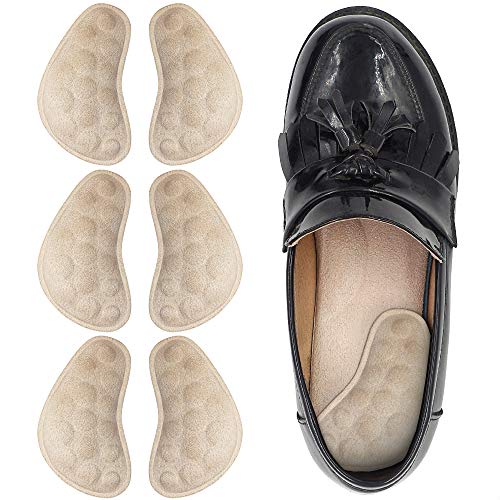
Dr. Foot’s Medial and Lateral Heel Wedge Inserts, 3 Pairs

Tenbon AFO Foot Drop Brace with Adjustable Support

Tenbon Adjustable AFO Foot Drop Brace for Day and Night
A Breakdown Of The Leading Choices
The wrap-style approach makes this brace feel more substantial than a loose heel cushion while remaining easy to put on around the ankle. Its triangular structure is designed to hold the forefoot at an adjusted angle, which can be useful when the front of your foot catches during walking. The black finish also keeps the appearance relatively understated.
For daily errands, work shoes, or longer walks, the padded interior and breathable fabric are practical details. You may find the support most noticeable during the swing phase, when the foot needs to clear the ground; foot drop refers to difficulty lifting that front portion. The black model is a sensible starting point for someone who wants external positioning without a large rigid shell.
Positive Points
- The adjustable wrap lets you change the angle rather than accepting one fixed position.
- Soft padding improves comfort where the brace contacts your ankle and foot.
- Breathable fabric suits extended wear more comfortably than an unlined wrap.
- It works with lace-up sneakers, leather shoes, and certain sandals.
Practical Considerations
- Your footwear needs enough room for the wrap and its buckle structure.
- The listed size range is US 6-11, so you should compare it with your current shoe size.
Quick Facts
Made For
You benefit most from this brace if toe dragging is your main walking concern and your shoes have room for an adjustable ankle wrap.
A Better Fit Elsewhere
Welnove Plantar Fasciitis Heel Cushion Inserts with Arch Support suit you better when the main issue is heel cushioning inside a shoe rather than foot positioning.
The gray version shares the black Tenbon brace’s padded wrap, adjustable triangular structure, and shoe compatibility, so your decision comes down largely to color. It is a practical choice for people who want a visible brace but prefer gray to black with work trousers or walking shoes. The adjustable angle remains the central feature rather than cushioning added inside the shoe.
That external positioning can be useful during commutes or household routines where lifting the forefoot feels inconsistent. You may need to adjust the fit as footwear changes, and the brace may take up more room than a conventional insole. Its listed US 6-11 sizing makes it worth checking against both your shoe and ankle measurements before ordering.
Good Reasons To Consider
- Adjustable positioning supports a customized foot angle.
- Soft internal padding helps reduce pressure around the ankle.
- The gray color works with a broader range of casual footwear.
- Reusable hook-and-loop fastening allows repeated fit changes.
- Breathable construction suits longer periods of wear.
Trade Offs
- Unlike a compact insole, this brace occupies space around the ankle and shoe opening.
- Some sandals may not hold the brace securely enough for your walking pattern.
Who Will Love This
This gray Tenbon brace fits your routine best when you need visible external positioning and regularly alternate among laced shoes.
Another Choice May Suit
Tenbon Adjustable Foot Drop Brace with Padded Wrap, Black is the closer fit for you when you prefer a less noticeable appearance for office or formal footwear.
Unlike the two Tenbon wraps, this option works from inside your shoe and combines foam cushioning with a heel cup and arch-support structure. That makes it more directly relevant to high-arch pressure and prolonged standing, where added cushioning beneath the heel may matter more than holding the foot at an angle. The gel-style heel section also adds a softer landing surface for work shoes with limited padding.
You can move the insert between pairs of shoes, which is helpful for alternating between office footwear and walking shoes. Depending on the depth of your shoes, you may need to remove the factory insole. The broad stated size range is useful, but fit depends on the shoe interior rather than the foot alone.
Key Advantages
- Foam cushioning absorbs impact during standing and walking.
- The heel cup gives the rearfoot a defined, supported position.
- Arch support suits footwear that feels flat under a high arch.
- Transferring one insert between shoes simplifies daily use.
- Washable construction makes routine care straightforward.
Small Caveats
- Removing the existing insole may be necessary to prevent a crowded fit.
- The manufacturer suggests replacing the cushions every few months as their shape changes.
- This design does not provide the same forefoot positioning as a foot-drop brace.
Feature Breakdown
Right Fit For
This insert suits you best when high-arch pressure and long standing periods matter more than foot-drop positioning.
Swap It Out When
Tenbon AFO Foot Drop Brace with Adjustable Support is more suitable when you need structured assistance lifting the front of your foot.
These inserts focus on directional heel support rather than broad arch cushioning. A medial wedge sits along the inner heel, while a lateral wedge can be placed along the outer side; you choose the position that matches the alignment pattern identified for you. The adhesive backing holds each piece in place but still allows repositioning or trimming for the shoe.
That approach makes this a more specialized choice for people whose foot rolls noticeably inward or outward. You should not guess at an alignment problem based on appearance alone, particularly when pain or joint changes are involved; a podiatrist or another appropriate specialist doctor can provide a more useful assessment. For uncomplicated heel cushioning, the Welnove inserts remain the more direct option.
What Makes Sense
- Medial and lateral placement offers two different alignment approaches.
- The repositionable adhesive backing makes placement easier to adjust.
- Trim-to-fit edges help the wedges conform to different shoe interiors.
- Three pairs let you move the inserts between work, walking, and casual shoes.
Points To Note
- Incorrect placement can create uneven pressure under the heel.
- You may need to trim the foam for shoes with narrow heel cups.
- These wedges do not provide the same cushioning as a full-length arch insert.
Core Details
Built With In Mind
These wedges suit you best when a specialist has identified a clear inward or outward rolling pattern that needs directional support.
Where Another Pick Suits Better
Welnove Plantar Fasciitis Heel Cushion Inserts with Arch Support fit your priorities better when cushioning under a high arch matters more than alignment wedges.
An AFO, short for ankle-foot orthosis, is a brace that supports both the ankle and the foot. Compared with the earlier Tenbon wrap, this design uses an arch bracket and crossed straps to hold the foot in a more defined position. The adjustable construction makes it relevant to walking, chores, outdoor activity, and periods of rest, provided your footwear has enough space.
You may find the soft instep and Achilles-area padding useful during longer routines because they reduce contact pressure. The brace is designed to fit either foot and can be worn with footwear, socks, or against bare skin. Slightly roomier shoes are a sensible practical choice, especially compared with the more compact cushion inserts earlier in the list.
Positive Takeaways
- Crossed straps create a secure hold around the ankle and foot.
- Adjustable support lets you tune the foot position.
- Breathable fabric and a soft lining suit extended routines.
- Padding at the instep and Achilles area improves comfort.
- One design accommodates either foot and several wearing situations.
Possible Compromises
- Its structure requires more shoe space than a heel insert.
- Close-fitting footwear may interfere with the arch bracket and straps.
Best Suited To
This AFO suits you best when you need repeated forefoot positioning across walking, household tasks, and lighter daytime activities.
Reach For A Different Pick When
Tenbon Adjustable Foot Drop Brace for Day and Night fits your routine better when consistent use around the clock is your main priority.
This final Tenbon model shares the arch bracket, crossed straps, breathable fabric, and soft padding of the preceding AFO, but its day-and-night positioning makes continuous use the central angle. The foot can remain positioned with shoes, socks, or bare skin, giving you more freedom during a long routine. Its unisex design also fits either foot.
That flexibility comes with a practical fit check. You may find the brace comfortable against bare skin, yet the same arrangement can feel bulkier inside a narrow shoe, so your footwear choice will affect the experience. For people balancing daytime walking with evening recovery or rest, that trade-off may still be worthwhile.
Strengths Worth Knowing
- Designed for wear across daytime and nighttime routines.
- The bracket and crossed straps hold the foot in a steady position.
- Soft lining works against the skin or over a sock.
- Hook-and-loop fasteners permit repeated adjustment.
Details To Watch
- Allow extra room in shoes because the brace has more structure than an insert.
- Footwear fit may change throughout the day as the brace settles.
Technical Highlights
The Right Fit
This brace suits you best when you want one adjustable AFO for daytime activity, lighter tasks, and evening wear.
Where A Sibling Pick Shines
Welnove Plantar Fasciitis Heel Cushion Inserts with Arch Support are the better fit for shoes that cannot accommodate an external brace.
What Matters Before You Choose Foot Support
Start With the Main Movement Problem
A high arch, an uncomfortable heel, and difficulty lifting your forefoot call for different features. Cushioned inserts work inside the shoe, alignment wedges add a directional slope, and an AFO supports the ankle and foot together. Sorting out your most noticeable limitation prevents you from choosing a brace for a problem it does not address.
Match Support to Your Shoes
An external wrap or AFO needs enough room for straps, padding, and its structural bracket. Inserts need adequate shoe depth, and you may need to remove the factory insole. Bring the shoes you expect to wear most often when you assess fit, since the same support can feel completely different in a roomy sneaker and a narrow leather shoe.
Check What You Can Adjust
An adjustable angle can be helpful for foot drop, while repositionable wedges accommodate different alignment patterns. Adjustability also means you need a clear starting point and should avoid making major changes during a long walk. A qualified podiatrist can help you understand the appropriate direction and amount of support for a diagnosed alignment concern.
Consider the Length of Your Day
You may tolerate a structured brace for a short walk but find it less comfortable during a full workday. An insole may fit a routine with frequent shoe changes better, while an AFO may suit a consistent support schedule. The best option is the one you can position correctly and wear comfortably for the activity that matters most.
Common Sense Checks Before Ordering
Wrong Turns To Avoid
Do not treat a high arch, heel discomfort, and foot drop as the same issue, and do not assume more structure automatically fits better. Check your shoe size, inside dimensions, and intended activity before ordering. For persistent symptoms or suspected alignment changes, seek guidance from a podiatrist or another appropriate specialist doctor.
Where The Extra Money Goes
A higher-tier brace may add adjustable positioning, layered padding, or a more substantial frame. Those additions help only when your footwear has room and the adjustment matches your needs. A simple cushion insert can be the more sensible choice for long standing, while a structured AFO earns its place when ongoing foot positioning is central to your routine.
Frequently Asked Questions for Heel To Toe Drop For High Arches
What is heel-to-toe support for high arches?
Heel-to-toe support combines cushioning or positioning under the heel, arch, and forefoot. The right combination depends on whether you need arch cushioning, heel comfort, or assistance keeping the foot from dragging.
Are heel cushions suitable for high arches?
Yes, a contoured insert with an arch-support section and a heel cup may suit high-arch pressure. Confirm that the insert fits inside your shoe and does not create a cramped or uneven fit.
When is an AFO brace more suitable than an insert?
An AFO is more relevant when you need external support for the ankle and forefoot, particularly during walking or foot-drop management. An insert is easier to wear and usually takes less space inside the shoe.
Can a foot-drop brace be worn with sandals?
Some Tenbon wrap designs are intended for certain sandals, while the AFO models are described for shoes, socks, and barefoot wear. Your footwear must hold the brace securely without distorting its position.
Should I choose medial or lateral heel wedges?
Choose the side recommended for your specific alignment pattern rather than deciding by appearance. A podiatrist can evaluate inward or outward rolling and explain which wedge placement is appropriate.
Wrap Up
The best heel-to-toe drop support for high arches depends on the movement you need to improve, not the number of features on the box. Cushioning suits arch and heel pressure, alignment wedges suit a defined rolling pattern, and an AFO addresses broader foot positioning. Match the format to your shoes, activity level, and daily schedule, then confirm the fit with a qualified specialist when the underlying issue is unclear.
