

High arches can make a running shoe feel oddly roomy through the middle, leaving your foot without the steady support it needs over repeated strides. The right insert should match your arch shape, control excessive inward rolling, and still leave enough room in the shoe. These options cover runners, walkers, and people who spend long hours in work boots, with one grade-school volleyball shoe included as a specialized footwear reference rather than an arch insert.
A Side-By-Side Look
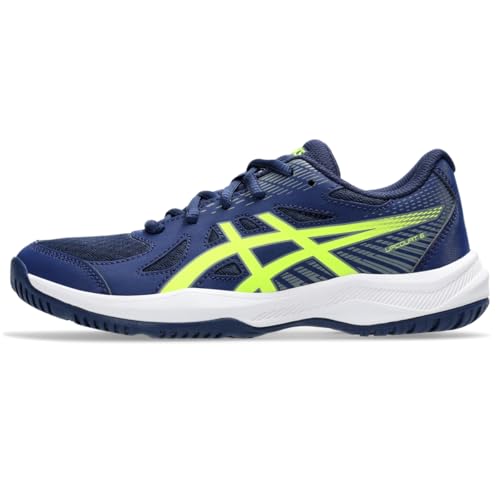
ASICS Upcourt 6 Grade School Shoes

IDEALRUN 3-Arch Running Insoles
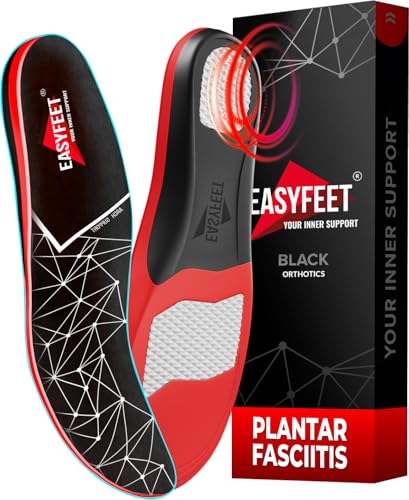
EASYFEET High Arch Insoles

EASYFEET Core Energy Insoles

EASYFEET High Arch Orthotic Work Boot Insoles for 220+ lbs, Size M, Men and Women

EASYFEET Heavy Duty Insoles, 220+ lbs
What Each Pick Brings To The Table
A young volleyball player needs a shoe that moves quickly during court drills without feeling overly rigid. The ASICS Upcourt 6 is built for that job, with broad mesh panels that give the foot room to flex as direction changes.
This is a volleyball shoe, not a removable insole, so it doesn’t belong in a high-arch running comparison on structure alone. Its lightweight design may still appeal to families shopping specifically for grade-school court footwear, provided the fit is checked carefully.
Useful Touches
- Mesh underlays support airflow during active play.
- The flexible construction accommodates quick lateral movements.
- A sockliner made with solution dyeing uses about 33% less water than conventional dyeing.
- The same dyeing process reduces carbon emissions by approximately 45%.
Trade Offs
- It does not provide the removable arch structure required from an insole.
- The fit runs small, so extra room may be needed for growing feet.
Who It Suits Best
This shoe suits grade-school volleyball players who need lightweight court footwear with a flexible upper.
Consider Something Else When
IDEALRUN 3-Arch Running Insoles suit you better when your priority is removable support for running, walking, or everyday shoes.
Unlike the ASICS Upcourt 6, which is a complete volleyball shoe, IDEALRUN makes a removable insert with high, medium, and low arch profiles. That range is useful because visual arch height doesn’t always tell you how firmly your foot needs support.
For daily miles, the rigid base and shaped arch offer a steadier platform, while PORON heel cushioning and forefoot gel spread pressure across two distinct zones. The thin design may fit best in running shoes with a removable factory insole and enough room above the footbed.
What It Does Well
- Three color-coded profiles simplify arch matching.
- PORON heel pads soften repeated landing pressure.
- The deep U-shaped heel limits sliding and inward rolling.
- Trimming lines allow a closer length adjustment.
- A breathable mesh layer helps manage perspiration.
Practical Considerations
- The arch profile must match your foot rather than shoe size alone.
- Remove the existing insole to preserve intended interior volume.
Quick Facts
Made For
These insoles suit runners and walkers who want selectable arch support across several shoe types.
A Better Fit Elsewhere
EASYFEET Heavy Duty Insoles suit higher-body-weight users who need a stronger, more specialized arch structure.
A high arch often leaves a pronounced gap beneath the middle of the foot, and this EASYFEET insert is built around that shape. Its firm arch bridge fills the space so load can spread beyond the heel and forefoot instead of concentrating at those two ends.
Unlike IDEALRUN 3-Arch Running Insoles, which offer three selectable profiles, this model presents one prominent high-arch structure. That simpler approach may suit people who already know they need firm support, although the shape and shoe fit remain personal decisions.
Advantages To Know
- The firm bridge supports a visibly raised midfoot.
- A deep heel cup keeps the heel centered.
- The structure may limit inward rolling in a flatter foot.
Worth Noting
- One high-arch profile offers less choice than the IDEALRUN model.
- A pronounced arch needs room inside the shoe to avoid crowding the foot.
Built With In Mind
These insoles suit high-arch users who want a firm bridge and structured heel cup for everyday shoes.
Another Choice May Suit
IDEALRUN 3-Arch Running Insoles suit you better when you want to compare medium and low profiles before settling on one shape.
Core Energy combines a high, firm arch with a deep heel cup, making it a practical choice for someone who wants structure without moving to the heavier-duty EASYFEET models. The raised arch is intended to support flat, fallen, and high arches, so it offers broader appeal than a single-profile insert.
Compared with EASYFEET High Arch Insoles, Core Energy adds manufacturer-stated cushioning that absorbs up to 43% of shock. That extra cushioning can feel useful during walking and longer periods of wear, though the firm arch remains the defining feature.
Well-Handled Touches
- The firm arch accommodates several arch types.
- Heel and forefoot cushioning soften high-pressure areas.
- The deep cup keeps the heel more centered.
Possible Compromises
- The firm structure may feel more substantial than a slim everyday insert.
- Available XS and S listings cover a limited size range.
Feature Snapshot
The Right Fit
Core Energy suits daily walkers and light runners who want a firm arch with added cushioning.
Look Elsewhere When
EASYFEET High Arch Orthotic Work Boot Insoles suit you better for long shifts in boots and higher body weight.
Long workdays can make a thin insert feel insignificant, especially in a rigid safety boot. This EASYFEET model is designed around a high arch and a 220-pound-plus body-weight range, combining a substantial base with cushioning at the heel and metatarsal area.
Unlike Core Energy, this insert is purpose-built for heavier feet and work boots. Its stated size M covers men’s 9 to 10.5 and women’s 10 to 11.5, making the size check especially important because boots vary in internal width and volume.
Points In Its Favor
- The extra-strong arch is shaped for users above 220 pounds.
- Heel and metatarsal pads add targeted cushioning.
- Load distribution may reduce pressure during prolonged standing.
- The structured profile suits work-boot conditions.
Details To Watch
- This listing covers one specific size range.
- Deep work boots may need the factory insole removed for clearance.
Technical Highlights
Made For
This insert suits higher-weight users who spend extended periods standing or walking in work boots.
Reach For A Different Pick When
EASYFEET Heavy Duty Insoles suit you better when your footwear is athletic rather than a rigid work boot.
This heavy-duty EASYFEET design focuses on people whose body weight calls for more substantial arch support than a standard running insert provides. Its shaped anatomy supports the arch and aims to distribute weight across the foot rather than concentrating it at the heel and forefoot.
Compared with EASYFEET High Arch Orthotic Work Boot Insoles, this model is less tied to a particular boot or listed size. That broader approach may suit athletic shoes and casual footwear, provided the insert fits completely inside the available footbed.
What Makes Sense
- The support profile is designed for users above 220 pounds.
- Shaped anatomy targets the arch and distributes weight.
- The heavy-duty construction suits demanding daily use.
Where It May Fall Short
- The substantial profile needs adequate shoe volume.
- Boot-specific sizing and padding make the work boot model more targeted.
Key Product Details
Who Should Grab It
These insoles suit higher-weight users who need a stronger arch structure across athletic or everyday footwear.
Swap It Out When
IDEALRUN 3-Arch Running Insoles suit you better when selectable arch profiles matter more than heavy-duty support.
Match the Insole to Your Foot and Route
Arch Shape Comes First
A high arch usually leaves more space beneath the midfoot, so firm support may feel more useful than a soft cushion. Medium and low profiles can suit feet that roll inward more noticeably, which is why IDEALRUN’s three-option approach offers a useful starting point.
Stability and Cushioning Serve Different Purposes
An orthotic insert is shaped to support and stabilize the foot, while cushioning reduces pressure through specific areas. A deep heel cup controls movement around the heel, and PORON or gel pads soften landings, but extra thickness can crowd the shoe.
Your Actual Shoes Set the Limits
Running shoes, walking sneakers, and work boots have different internal dimensions. Measure your foot, note the listed size range, and check whether the shoe uses a removable footbed before ordering. A trim-to-fit insert may help with length, although width and arch height still need to work naturally.
Make the Practical Checks First
Common Shopping Slip Ups
Choosing solely by shoe size can lead to an awkward arch fit. Confirm that the insert fits completely inside the shoe, remove the factory insole when appropriate, and walk around before committing to long mileage.
What Separates Premium From Basic
Higher-cost models often use stronger arch structures, more targeted cushioning, or heavier-duty bases. That extra construction matters most for higher body weight, long work shifts, or a shoe that otherwise leaves the foot feeling unstable.
Frequently Asked Questions
How Do High, Medium, and Low Arch Insoles Differ?
High profiles fill more space beneath the midfoot, while medium and low profiles provide progressively less elevation. The correct choice depends on your foot shape, the amount of inward rolling, and the room available inside your shoe.
Should Running Insoles Replace the Factory Footbed?
Often, yes, because two full insoles may make a shoe feel crowded. Some shoes are designed around a removable footbed, so check the manufacturer’s guidance and compare the insert’s thickness with the original insole.
How Do I Choose the Correct Size?
Start with your shoe size, then compare the listed men and women ranges with the measurements of your feet. Length can sometimes be trimmed, but width and arch fit are harder to adjust.
Are Firmer Insoles Better for High Arches?
Firmness can provide a more defined platform for a high arch, but excessive pressure can create discomfort. A medium or low profile may feel better for some feet, making a profile comparison worthwhile.
When Should Foot Discomfort Prompt Professional Care?
Persistent heel pain, numbness, swelling, or difficulty walking deserves attention from an appropriate specialist doctor. Bring your running shoes and current inserts to the appointment because their shape and wear pattern can provide useful context.
Final Verdict
IDEALRUN offers the most adjustable route through this list, while EASYFEET provides more specialized structures for higher arches and heavier body weight. Core Energy is the comfortable middle ground for everyday walking and running, and the work boot model serves a clearly defined shift. Leave the ASICS Upcourt 6 in the volleyball category, where its lightweight, flexible design belongs. Start with your arch shape, then make sure the insert and shoe cooperate as a pair.
