

A full workday can leave your feet pinching, burning, or sore around the wide forefoot area where your metatarsals meet your toes. The right insole changes where pressure collects, adds targeted cushioning, and supports the foot without crowding your shoes. These six options cover everything from flexible gel cushioning to firm orthotic control, with different sizes and structures for daily work, sports, and persistent forefoot discomfort.
The Lineup, Simplified
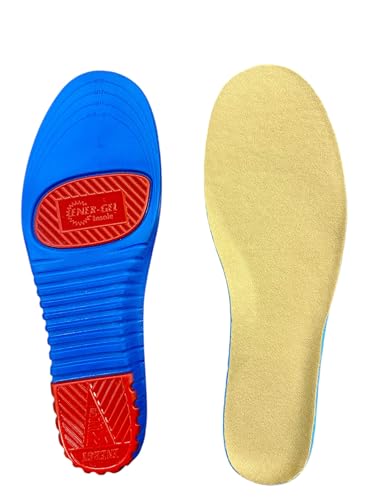
Ener-Gel Cushion Maxx Insoles for Men 10-14

KOAVDMT 4D Memory Foam Pickleball Insoles Green

PowerStep ProTech Met Full Length Orthotics Made in USA

REDANHA U-Shaped Felt Callus Pads, 30 Pieces

PowerStep Pinnacle Plus Met Orthotics for Ball-of-Foot Pain Relief Made in USA
PowerStep Morton’s Extension Carbon Fiber Orthotic Insole for Big Toe Support
Taking A Closer Look At The Options
Your feet meet the ground thousands of times during a shift, and the Ener-Gel Cushion Maxx places soft cushioning across the heel and forefoot instead of concentrating pressure in one narrow zone. The flexible support adapts to your foot shape, making this a sensible choice for work boots, sneakers, and athletic shoes.
Compared with the firmer PowerStep models, this insert favors plush impact absorption over rigid motion control. You may find it especially comfortable during long periods of standing or walking, though the broad cushioning can make it feel less structured.
The Value In It
- Gel cushioning in the heel and forefoot softens repeated impact.
- Flexible support adapts to different foot shapes.
- The deep heel cup adds stability around your heel.
- Trim-to-fit construction lets you match your shoe interior.
- One design suits work, walking, hiking, and running.
Practical Considerations
- The thick cushioning may reduce room inside close-fitting shoes.
- Check the listed sizing carefully and trim only after removing the insole.
Feature Snapshot
Who Will Love This
You benefit most from this pair during long workdays, frequent walking, or casual athletic use where flexible cushioning matters more than rigid control.
Consider Something Else When
PowerStep ProTech Met Full Length Orthotics suit you better when you want firmer arch support and structured forefoot control.
Quick lateral movements on a pickleball court call for secure footing, and these KOAVDMT insoles pair a supportive contour with a textured anti-slip design. Their breathable honeycomb structure helps air circulate during long sessions, while dual-layer memory foam cushions the forefoot and heel.
Unlike the Ener-Gel Cushion Maxx, this pair emphasizes ventilation and a trim-to-fit shape rather than gel placement. The listed green size covers men 8-9 and women 9.5-10, so confirm your shoe size before ordering.
A Favorable Mix
- Honeycomb construction encourages airflow during activity.
- Dual-layer foam adds soft cushioning under the foot.
- The anti-slip surface helps limit movement inside your shoe.
- Trimming allows adaptation to sneakers and work boots.
Small Caveats
- Specific sizing means some feet may need careful trimming.
- The soft foam feels different from rigid orthotic supports.
- Confirm that your shoes have enough internal depth for the insert.
Quick Facts
Right Fit For
You get the most benefit as a pickleball player, walker, or standing worker who values breathable cushioning in shoes with a removable factory insole.
Look Elsewhere When
PowerStep Pinnacle Plus Met Orthotics make more sense when you need firmer neutral arch support and a defined metatarsal cushion.
The ProTech Met takes a structured approach, covering nearly the entire foot with a rigid arch-support design, a cushioned metatarsal pad, and a padded heel section. That combination suits you when pressure spreads across the forefoot but your foot also needs steadier alignment during standing or walking.
Compared with the soft KOAVDMT insert, this orthotic provides more pronounced structure rather than an airy foam feel. You may notice the firmer platform underfoot, so proper shoe volume matters.
Positive Takeaways
- Full-length coverage supports the heel, arch, and forefoot together.
- A metatarsal pad adds focused cushioning beneath the forefoot.
- The heel pad softens the initial contact with the ground.
- Rigid support suits activities that benefit from a stable platform.
Trade Offs
- The firm feel may not appeal to you if soft cushioning is your priority.
- This listed version fits men 8-8.5 and women 10-10.5.
- A full-length insert requires a shoe with adequate depth.
Best Suited To
You benefit most from this orthotic when forefoot pressure comes with arch or heel instability and you prefer structured support over a plush gel feel.
Swap It Out When
Ener-Gel Cushion Maxx Insoles suit you better when maximum flexibility and shock-absorbing softness matter more than rigid control.
Sometimes the practical solution is a small cushion placed exactly where a shoe rubs, rather than a full-length insert that changes the feel of every step. These REDANHA felt pads use a U-shaped adhesive design to shield a callused forefoot area from repeated friction.
You get 30 pieces, equivalent to 15 pairs, so replacements are easy to keep on hand. Compared with the PowerStep orthotics, this approach leaves your arch and heel untouched and concentrates protection beneath the forefoot.
Features That Help
- U-shaped felt cushions shield a specific rubbing area.
- Adhesive placement lets you position each pad precisely.
- Thirty pieces provide a useful supply of replacements.
- The small format fits inside many shoe styles.
Details To Watch
- These pads protect one location rather than supporting the entire foot.
- Check the approximately 1.97-inch width against your callus area.
Core Details
Made For
You benefit most from these pads when a specific callus rubs against the upper of your shoe and your other foot mechanics feel comfortable.
Another Choice May Suit
PowerStep Pinnacle Plus Met Orthotics are the better choice when you want forefoot cushioning and arch support within a complete insole.
The Pinnacle Plus Met balances forefoot cushioning with a firm but flexible arch and a deep heel cradle. A built-in metatarsal pad provides focused support in the area between your arch and toes, while the surrounding structure helps keep your foot centered.
Compared with the ProTech Met, this version offers neutral arch support rather than a strongly rigid platform. You may find that balance useful in daily shoes, provided the original insole can be removed.
What Makes Sense
- The metatarsal pad targets the crowded forefoot area.
- Neutral arch support suits many everyday foot shapes.
- A deep heel cradle adds stability around the heel.
- Firm, flexible contours balance structure and comfort.
- The polyester construction suits removable factory insoles.
Possible Compromises
- Neutral support may feel less substantial than the ProTech Met.
- This size covers men 8-8.5 and women 10-10.5.
- Your shoes must accept a full-length orthotic insert.
Who Should Grab It
You get the most balanced setup with this insole when you need forefoot padding and moderate arch support for daily walking or standing.
Reach For A Different Pick When
PowerStep ProTech Met Full Length Orthotics suit you better when a firmer platform and stronger pronation-oriented structure are your priority.
This PowerStep insole addresses a different forefoot issue: restricted movement at the big-toe joint. A lightweight carbon fiber plate provides a firm base and limits how far that joint moves, which may be useful during walking or sports after you have been instructed to limit toe motion.
Unlike the metatarsal-focused models, this design works from the big toe forward and includes firm support for standard arches. You may find the structure more pronounced than a soft gel or foam insert.
What Pays Off
- Carbon fiber creates a stiff, stable platform.
- Big-toe control supports a more limited toe movement.
- Firm support targets standard arches.
- Full-length construction supports the foot from heel to toe.
Where It May Fall Short
- The rigid structure is less suitable for a soft cushioning preference.
- Standard-arch support may not suit pronounced high or low arches.
- Confirm the men 8-8.5 and women 10-10.5 size before ordering.
Technical Highlights
Built With In Mind
You benefit most from this insole when a foot specialist has recommended limiting big-toe motion and your arches fit a firm standard-arch profile.
Where A Sibling Pick Shines
PowerStep Pinnacle Plus Met Orthotics are more suitable when your main concern is forefoot cushioning rather than restricted big-toe movement.
What Matters Before You Choose Forefoot Support
Match the support to your foot shape
Neutral arch support offers a balanced middle ground, while a more rigid design suits feet that need steadier positioning. High arches and low arches often need different amounts of support, so avoid choosing an insole solely by the condition on its label. A removable foot insert should support your arch without making your shoe feel mechanically awkward.
Identify where the discomfort occurs
The metatarsal area sits between the arch and your toes, where the forefoot widens. Cushioning there can help reduce friction during standing and walking. Heel-centered discomfort calls for a different balance of cushioning and support.
Match the insole to your shoes
Full-length orthotics need shoes with adequate depth and removable factory insoles. Small adhesive pads take up less room but cover only one rubbing area. Measure your shoe interior and compare it with the listed sizing before trimming or removing anything.
Separate cushioning from motion control
Soft gel and memory foam absorb impact and allow your foot to move more freely. Rigid plates and firm orthotics limit motion and create a steadier platform. Your activity, comfort preferences, and any guidance from a qualified specialist should guide that choice.
Practical Details That Change the Fit
Wrong Turns To Avoid
Choosing by size alone can leave the support sitting in the wrong place. Check the insole length, shoe depth, arch position, and the exact area you want cushioned before trimming. Persistent swelling, redness, or pain deserves assessment by a qualified healthcare professional.
What Separates Premium From Basic
Premium models often add firmer materials, shaped heel cradles, targeted metatarsal pads, or rigid stabilizing layers. The upgrade matters when your foot needs more than soft padding; basic foam or felt may be enough for a small rubbing area. You pay for structure only when that structure serves your foot and footwear.
Frequently Asked Questions
What type of insole is best for balls-of-feet discomfort?
A full-length orthotic with a metatarsal pad and neutral arch support is often the most balanced choice. A small adhesive pad works better when the problem is isolated shoe friction around one callus.
Can insoles for the balls of your feet fit normal shoes?
They can when the shoe has enough internal depth and the original factory insole is removable. Measure the shoe interior and compare it with the insole dimensions before trimming.
Should forefoot insoles have arch support?
Arch support can improve overall foot positioning, especially in a full-length design. Neutral support offers a balanced starting point, while firm or rigid options suit feet needing more structured control.
Are gel insoles better than firm orthotics?
Gel insoles favor flexible cushioning, while firm orthotics favor support and motion control. Your daily activity, arch shape, shoe type, and the location of discomfort determine which approach makes more sense.
When should foot discomfort be professionally assessed?
Seek an assessment when discomfort persists, worsens, affects walking, or comes with swelling, redness, or numbness. A qualified foot specialist can evaluate your gait and footwear before recommending an insole type.
Final Verdict
Start with the location and type of support you need. Plush gel suits long days on your feet, breathable foam serves active use, metatarsal pads isolate rubbing areas, and firm orthotics provide structured control. The right pair should fit your foot, your shoes, and your daily routine without adding more bulk or stiffness than you need.
