

A long shift can leave your feet feeling sore even when your shoes look supportive enough, and flat feet add pressure that changes throughout the day. The right insole adds cushioning, structure, or both, with the best match depending on your arch, footwear, and how long you remain on your feet.
The Main Contenders

Ener-Gel Cushion Maxx Insoles, Men’s 10-14, Women’s 11+

Aetrex Women’s Orthotics L600 Shoe Inserts for Walking All Day
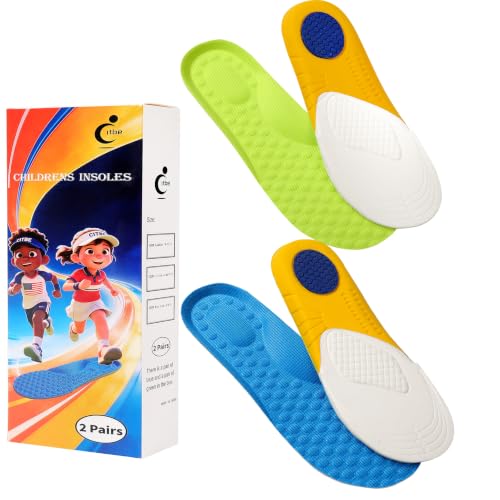
CITBE Kids 4D Insoles, 2 Pairs

PowerStep Pinnacle Maxx Orthotic Insoles for Flat Feet and Overpronation
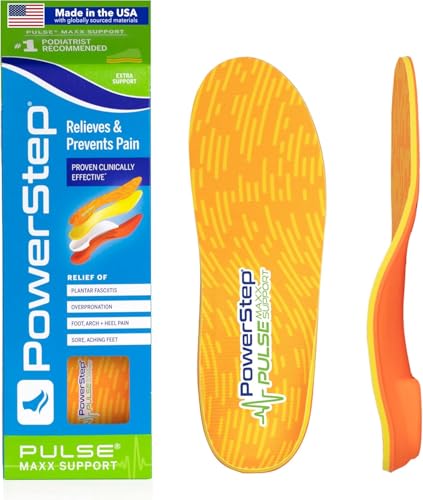
PowerStep Pulse Maxx Running Insoles for Running Shoes and Overpronation
PowerStep Pinnacle Low Insoles for Flat Feet, Overpronation, Made in USA
The Strengths Of Each Pick
Hours on a factory floor, a busy retail shift, or a long walk can make cushioning more important than a hard, flat insert. The Ener-Gel Cushion Maxx combines resilient foam, flexible arch support, and gel cushioning in areas that repeatedly absorb impact.
Unlike the more structured Aetrex L600, this pair puts softness and shock absorption at the center. The listed men’s and women’s sizes cover many adults, while the trim-to-fit format helps you adapt the outline to your shoes.
A Few Highlights
- High-rebound foam returns energy as you move between standing and walking.
- Red gel cushions both the heel and forefoot during repeated impact.
- A deep heel cup adds stability around the rear of the foot.
- Flexible arch support adapts as your foot changes position.
Trade Offs
- The cushioning profile may consume more room in close-fitting shoes.
- Trim the insole carefully so the heel and forefoot remain correctly positioned.
Key Specs
Who It Suits Best
Adults who spend long shifts on their feet and favor cushioned support over a rigid orthotic feel.
A Better Fit Elsewhere
Aetrex Women’s Orthotics L600 suits women who want a more structured heel and tri-density foam in casual shoes.
Walking shoes and everyday sneakers often have enough room for an insert, but the insole still needs cushioning without feeling loose. The Aetrex L600 places lQl50 memory foam above a polyurethane base, with a Carbosan cover and cupped heel to shape the support.
That combination differs from the Ener-Gel Cushion Maxx’s gel-led approach. The Aetrex design feels more oriented toward women who spend time walking or standing in casual footwear and want a defined heel pocket.
Bright Spots
- Memory foam creates a softer landing surface for long walks.
- The AeroCell base is designed to return energy through each step.
- A cupped heel cushions and steadies the back of the foot.
- Carbosan adds another layer of cushioning and impact absorption.
Practical Considerations
- Check the interior depth of your shoes before replacing the factory insert.
- The structured heel may feel more pronounced than a foam-only insert.
Feature Snapshot
Made For
Women who walk, stand, or commute in sneakers, walking shoes, casual shoes, and boots.
Another Choice May Suit
Ener-Gel Cushion Maxx fits adults who prioritize gel cushioning and flexible arch support over the Aetrex L600’s tri-density construction.
Children’s sneakers can lose their useful cushioning while still looking fine from the outside. These CITBE insoles give worn school, athletic, and casual shoes a replaceable foam layer, with two pairs allowing one set to stay in rotation.
The foam-and-fabric design is less specialized than the adult Aetrex L600 or PowerStep options. It focuses on daily cushioning, moisture management, and a shape that can be trimmed for different shoes.
Useful Highlights
- Soft foam restores cushioning in shoes whose original insoles feel flattened.
- Breathable fabric helps manage moisture during school and outdoor activity.
- The outline can be trimmed for athletic and casual footwear.
- Two pairs provide a spare set for rotation or replacement.
Small Caveats
- Trimming can reduce interior shoe space, so check the fit carefully.
- This model offers general foam support rather than the layered construction of the adult choices.
At A Glance
Right Fit For
Families replacing flattened insoles in children’s school, athletic, hiking, and everyday sneakers.
Consider Something Else When
Aetrex Women’s Orthotics L600 is the stronger choice for adult women needing tri-density cushioning and a structured heel.
Some work shoes and walking shoes provide plenty of cushioning but little meaningful support beneath a flat arch. PowerStep Pinnacle Maxx takes a firmer approach with an angled heel intended to support the foot’s alignment while accommodating normal flex.
Where the Ener-Gel Cushion Maxx leads with gel and flexible foam, Pinnacle Maxx emphasizes a firm, flexible orthotic structure. That distinction makes it more relevant to adults who need stability as much as softness.
What Helps Most
- The angled heel supports a more controlled foot position.
- Firm construction suits work boots and substantial walking shoes.
- Men’s and women’s versions cover different adult size ranges.
Points To Note
- The firm profile may feel less plush than the Ener-Gel or Aetrex inserts.
- Check the listed size range before ordering, especially for narrow work shoes.
Best Suited To
Adults with flat feet who spend substantial time in work boots or walking shoes and prefer firmer orthotic support.
Not Your Match When
PowerStep Pulse Maxx better serves runners who need a motion-control design shaped for running shoes.
Running shoes have a narrow, shaped interior, so an insole designed for casual footwear may not sit properly inside them. PowerStep Pulse Maxx is shaped for advanced running shoes and uses a rigid shell plus angled heel for motion control.
Compared with Pinnacle Maxx’s broad work-and-walking emphasis, Pulse Maxx is more specialized for repeated strides. Overpronation refers to the foot rolling inward, and this design is intended to support more controlled movement during activity.
Good Reasons To Consider
- A rigid shell provides structured support during repeated running strides.
- The angled heel supports a more aligned foot position.
- The shape is intended specifically for advanced running shoes.
- Polyester construction gives the insert a lightweight feel.
Possible Compromises
- The rigid structure may feel less comfortable in loose everyday shoes.
Technical Highlights
Who Will Love This
Runners and active walkers who experience inward rolling and need a more structured insole for running shoes.
Where Another Pick Shines
PowerStep Pinnacle Maxx is the more practical choice for all-day work shoes where running-shoe geometry is not the priority.
A low-arch profile can make an insert sit more naturally beneath the foot than a pronounced arch support. PowerStep Pinnacle Low combines contoured, flexible cushioning with a deep heel cradle, giving flat-footed adults some structure without the height of the Pinnacle Maxx design.
The dual-layer construction and listed capacity for bodies up to 250-plus pounds make it worth examining for substantial daily use. The low profile may also sit more comfortably inside work shoes and casual footwear.
A Favorable Mix
- A low, contoured arch profile suits flatter feet.
- The deep heel cradle adds stability around the rear foot.
- Flexible cushioning allows the insert to move with your foot.
- Dual layers balance cushioning with structure.
- Polyester construction keeps the insert lightweight.
A Few Limitations
- A low profile may offer too little support for a high arch.
- The firm cushioning can take several days to feel natural in new shoes.
Built With In Mind
Adults with low arches who need stability for workdays, long errands, and daily walking in roomy shoes.
Reach For A Different Pick When
PowerStep Pulse Maxx better serves active people who need a rigid shell and angled heel shaped for running shoes.
Match The Insert To Your Workday
Cushioning Vs Structure
Cushioned inserts use foam or gel to soften each step, while orthotic inserts add a shaped structure beneath the arch and heel. Your workday shoes, walking distance, and preference for a soft or firm feel matter more than any one label.
Arch Pattern And Shoe Fit
Flat feet can have different arch heights and movement patterns, so a broadly supportive shape may work better than an aggressively raised one. Overpronation means the foot rolls inward, and a contoured heel may help control that movement. Check the available sizes and compare the insole outline with the removable insert already in your shoe.
Daily Use And Replacement
Leave enough room inside the shoe so your toes do not sit higher, and allow several days to adjust to a firmer insert. Rotating compatible pairs can keep one shoe from carrying the same compressed shape every day. Persistent discomfort, swelling, or changing foot shape deserves an assessment from a qualified healthcare professional.
Two Details That Change The Decision
Common Shopping Slip Ups
Choosing by cushioning alone can leave out a key issue: available shoe space. An oversized insert may lift your heel and shorten usable room, while an undersized insert can shift during walking. Compare the length, width, heel position, and intended shoe type before making a selection.
What Separates Premium From Basic
Higher-cost models often add multiple cushioning layers, firmer support shells, shaped heel cups, or specialized footwear geometry. Those features earn their place when you spend many hours walking, experience pronounced inward rolling, or need a stable insert for running shoes. A basic foam pair remains sensible for occasional use in roomy sneakers.
Frequently Asked Questions
Do insoles really help with flat feet?
Insoles can add cushioning and structured support to flat feet, especially during long periods of standing. The right choice depends on your arch shape, footwear, and movement pattern, so persistent discomfort should be discussed with a qualified healthcare professional.
Should I choose arch support or cushioning?
Choose cushioning for shoes that already feel supportive but become uncomfortable during long walks. Structured arch support is more relevant when your foot rolls inward, your shoes feel uneven underfoot, or a specialist has recommended that type of support.
How do I know an insole fits correctly?
The insole should cover the heel and forefoot without shifting, buckling, or creating a raised edge beneath your toes. Check the size chart and compare it with your shoe’s removable insert, especially for shoes with narrow interiors.
Can I use orthotics in work shoes?
Orthotic insoles can fit into work shoes, boots, and walking shoes when their shape and thickness leave adequate room. Remove the factory insert when helpful, and avoid choosing a rigid running model for a loose casual shoe.
When should foot discomfort prompt a medical visit?
Seek professional advice for discomfort that persists, worsens, or begins affecting your walking. A podiatrist or other appropriate specialist can assess your feet, gait, and footwear before recommending further support.
Final Verdict
The Ener-Gel Cushion Maxx leads for people who want plush cushioning during long shifts, while the Aetrex L600 offers women a more structured casual-shoe option. PowerStep covers firmer stability, running-specific motion control, and low-arch daily support, while the CITBE pair serves children’s worn sneakers. Match the insert to the shoe and your actual routine, then give it a fair adjustment period.
