

A shoe that slips at the heel can make an otherwise ordinary outfit feel distracting. The right insert can tighten the fit, cushion the foot, or support a high arch without replacing the shoes you already own. These options suit anyone dealing with roomy heels, loose loafers, oversized work boots, or footwear that needs a little more structure.
A Closer Look At The Lineup

Comfwalk Latex Shoe Fillers
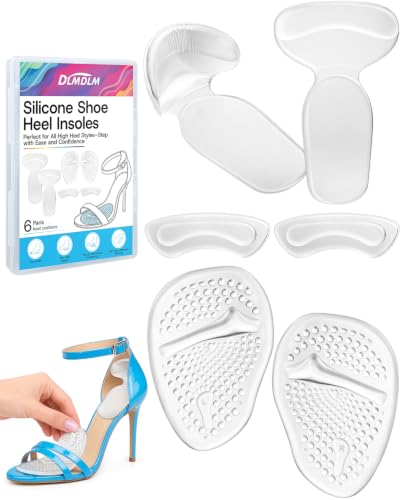
DLMDLM Heel Cushion Inserts

CCOBCHY 4D Cloud Steppers Insoles

CRUVHEAL High Arch Insoles, M

CRUVHEAL Work Pro Insoles, L

CRUVHEAL Boot Orthotics, XL
More On The Choices That Made The List
Roomy heels are the most obvious reason to reach for a full-length filler, especially when you must keep wearing a particular pair of dress shoes. The Comfwalk insert fills the extra space with soft latex foam, and its stated sizing can reduce the perceived room by up to half a size. The fabric-covered surface also gives your foot a cleaner layer than loose foam alone.
This is a practical choice for heels, loafers, flats, and casual shoes rather than a structured support insert. Three pairs make it easier to keep one set in several pairs of shoes, although fit varies between brands. The insert can be trimmed with scissors, which gives you some control over the fit.
Benefits That Matter
- Full-length construction fills loose space from heel toward the toe.
- Latex foam adds a soft layer beneath your foot.
- Nonwoven fabric helps absorb moisture during extended wear.
- Three pairs suit shoes that need regular rotation.
Trade Offs
- The insert is intended for filling space, not supplying arch support.
- Check the listed size against your shoe interior, then trim carefully when needed.
Key Specs
Made For
You need a straightforward space-filler for roomy heels, loafers, or flats that must remain part of your regular wardrobe.
Consider Something Else When
The DLMDLM Heel Cushion Inserts suit you better when targeted heel grip matters more than filling the entire shoe.
Unlike the full-length Comfwalk fillers, these DLMDLM inserts concentrate on specific pressure points. T-shaped silicone cushions sit near the heel, while metatarsal pads support the forefoot area, where the bones of the foot meet the toes. That makes the set more useful for a loose heel combined with forefoot pressure rather than general excess volume throughout the shoe.
The moderate-thickness silicone is designed to grip the heel and reduce movement while staying discreet inside dress shoes or sneakers. For someone standing through a workday or moving between offices, events, and errands, the targeted approach is sensible. It may not close a large gap, but it can make the shoe feel steadier around the heel.
The Good Stuff
- Curved silicone cushions limit heel slippage.
- Adhesive construction helps each piece stay in place.
- Forefoot pads add separate cushioning where pressure builds.
- Clear material blends discreetly into footwear.
- Twelve pieces provide several placement options.
Points To Note
- Targeted pads cannot replace a full-length insert in a very roomy shoe.
- Surface texture and cleanliness affect how securely the silicone sits.
Feature Snapshot
Right Fit For
You wear roomy heels or dress shoes and need more heel control plus a little forefoot cushioning.
Another Choice May Suit
The Comfwalk Latex Shoe Fillers suit you better when excess room extends across the full length of the shoe.
Soft memory foam gives these CCOBCHY insoles a different purpose from the firmer room-filling approach of the Comfwalk insert. Pre-marked guide lines let you customize the shape without a cutting tool, making them useful for work boots, sneakers, and casual footwear. You may find that approach especially convenient during a long shift, when repeatedly removing and reinstalling a fixed insert becomes inconvenient.
A moisture-managing mesh top adds another practical layer for warmer environments. Compared with the silicone heel cushions, these are full-foot inserts intended to soften the overall feel of the shoe rather than merely stop the heel from moving. They suit casual wardrobes and users who prioritize a softer surface over the space-filling function of a foam filler.
Practical Pluses
- Memory foam gives the foot a softer landing surface.
- Guide lines simplify routine customization.
- Mesh construction supports moisture management.
- The format works across several everyday shoe types.
Honest Caveats
- Cushioning alone may not secure a severely loose heel.
- Soft foam is less targeted than the DLMDLM heel pads.
- Customized edges should sit flat inside the shoe.
Who Will Love This
You spend long hours in sneakers or casual shoes and want a soft, customizable layer rather than firm arch structure.
Look Elsewhere When
The CRUVHEAL High Arch Insoles suit you better when firm arch support and heel stability matter most.
These CRUVHEAL inserts move away from simple gap filling and toward structured support. Their 1.4-inch arch height is designed for people with a pronounced high arch, while the stated 220-pound capacity targets heavier users who want an insert that retains its shape. That makes them more relevant to roomy work footwear than to narrow dress shoes.
The design is also positioned for heel pressure associated with standing through long workdays. You should still confirm that the shoe has enough internal depth to hold a high-profile insert without raising your foot awkwardly. Compared with the CCOBCHY memory foam model, this option trades softness and customizability for a more defined arch shape.
What Makes Sense
- The tall arch provides noticeable structure.
- The design is intended for body weights of 220 pounds or more.
- Work-boot compatibility suits demanding footwear.
- The supportive profile can steady a roomy footbed.
Practical Considerations
- The medium size is a specific fit and may not suit every shoe.
- A high arch profile needs adequate room inside the footwear.
Technical Highlights
Built With In Mind
You have a high arch, weigh 220 pounds or more, and need structured support inside a roomy work boot.
Reach For A Different Pick When
The CRUVHEAL Work Pro Insoles suit you better for a low arch and a softer gel-cushioned feel.
Low arches call for a different approach from the tall CRUVHEAL profile in the medium insert. These Work Pro insoles use gel pads for additional cushioning and a low-arch design intended to follow a flatter foot shape. They appear especially useful in boots during long walks, where a pronounced support ridge could feel out of place.
A velvet top layer provides a softer contact surface and encourages airflow, while raised massage points add texture beneath the foot. The listed sizing covers men’s US 4 through 5.5 and women’s US 5 through 6.5. For you, the key fit check is whether that sizing aligns with the boot and whether the insole lies flat without crowding the toe area.
Bright Spots
- Gel pads add cushioning under high-wear areas.
- Low-arch geometry suits flatter feet.
- Velvet adds a softer upper surface.
- Massage points create targeted texture.
- The format is designed around work-boot use.
Small Limitations
- The listed shoe-size range is narrow.
- Low-arch support may not satisfy a pronounced high arch.
- Raised details can feel more noticeable in thin socks.
The Right Fit
You have a low arch, spend substantial time walking, and want cushioned support inside a work boot.
Swap It Out When
The CRUVHEAL Boot Orthotics suit you better when a deeper heel cup and stronger arch structure are needed.
For shoes that feel loose but also need a stable foundation, this CRUVHEAL model combines several layers of support. An orthotic is an insert shaped to support the foot’s arch and alignment, and this version adds a cushioning layer, a deep U-shaped heel cup, and shock-absorbing pads. That combination gives it more structure than the DLMDLM adhesive cushions.
The format is aimed at boots and extended periods of standing, so it suits workers whose footwear carries plenty of room around the foot. You may find the heel cup more noticeable than a simple foam filler, especially during the first few wears. The XL variant should be checked against both your shoe size and its internal width before committing to it.
What Works In Its Favor
- Layered cushioning softens contact with the boot bed.
- Arch support adds structure to a loose interior.
- The U-shaped heel cup helps center the foot.
- Shock-absorbing pads are positioned for impact-prone areas.
Details To Watch
- The structured heel profile takes more room than a slim filler.
- Boot width and interior depth affect compatibility.
Core Features
Whose Shelf It Belongs On
You stand for long shifts, wear roomy work boots, and want a structured insert with multiple support zones.
A Better Fit Elsewhere
The Comfwalk Latex Shoe Fillers suit you better when discreet space reduction matters more than structured support.
What To Look For In A Better-Fitting Insert
Match the problem to the insert’s job. A full-length filler suits a shoe with excess volume from heel to toe. Targeted heel cushions work better when the rear of the shoe slips, while metatarsal pads address the forefoot area, where the long bones of the foot meet the toes.
Check the space inside the shoe. Remove the existing insole and compare its depth and length with the replacement. You need enough room for the insert to lie flat without making the heel sit higher than it should.
Choose support according to your arch. A low-arch insert follows a flatter foot shape, while a high-arch design leaves more space beneath the middle of the foot. For boots, also consider whether the heel cup feels natural or overly structured.
Think about how often you will move the insert. Adhesive pads suit shoes worn briefly or changed throughout the day. A fuller insert is more practical for one pair of work boots, sneakers, or casual shoes that you wear consistently.
Common Mistakes And Upgrade Decisions
Wrong Turns To Avoid
Do not assume a thick insert will fix every loose shoe. Measure the shoe interior, check its size, and identify whether the problem is heel movement, excess width, or inadequate arch support. An insert that is too large can buckle, while one that is too narrow may shift during the day.
The Upgrade Payoff
Higher-tier inserts add things such as shaped heel cups, defined arch profiles, gel pads, or layered cushioning. Those features matter in work boots and long-wear situations, but a simple filler can be enough for occasional dress shoes.
Frequently Asked Questions
Can Insoles Really Make Shoes Fit Better?
Yes, a correctly sized insert can reduce internal movement or add support. A full-length filler suits extra volume, while heel cushions or structured insoles address looseness in specific areas.
Which Type Works Best For High Heels?
A thin adhesive heel cushion is often easier to fit inside a dress shoe. You gain heel grip and moderate cushioning without adding as much bulk as a full-length insert.
Are Memory Foam Insoles Good For Oversized Shoes?
Memory foam can soften the feel of a loose shoe, but it may not prevent the heel from sliding. You may find it more useful for comfort than for tightening the overall fit.
How Do I Trim A Full-Length Insole?
Trace the original shoe insole onto the new insert, leaving a small allowance around the edge, then trim slowly with sharp scissors. Check the finished shape inside the shoe before placing the insole down.
Can One Insole Fit Different Shoe Brands?
Sizing can vary between brands, especially across dress shoes and boots. Check the listed dimensions, compare them with the removable insole, and trim only after confirming the fit.
Final Verdict
Start with the problem you actually have: excess room calls for a filler, heel slippage favors a cushion, and long workdays justify a more structured insert. Comfwalk handles simple space reduction, while the CRUVHEAL models cover stronger support needs. Match the insert to your shoe, your arch, and your daily routine for the most sensible result.
