

Concrete has a way of making a short walk feel longer. Whether you spend your shift moving around a warehouse, cover hospital floors, or commute on hard sidewalks, your shoes need cushioning and support that hold up through repeated hours of standing and walking.
The right insole depends on your arch profile, shoe type, and whether your feet need gentle cushioning or firmer structure. Medium-arch options suit many daily walkers, while high-arch designs can reduce the pressure of a pronounced arch.
Your shoe also matters because an insole must fit inside it without crowding the toe box. The six options below cover work shoes, boots, athletic shoes, and higher-arch feet, giving you practical choices for concrete-heavy days.
The Shortlist At A Glance

Superfeet Medium Arch Insoles
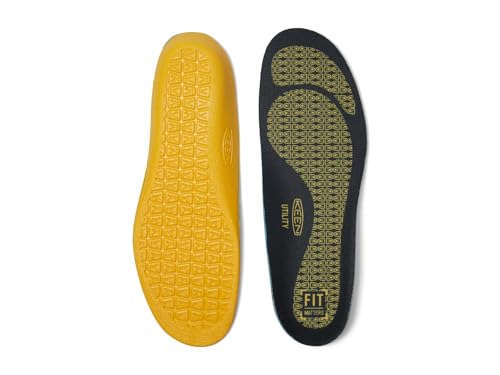
KEEN K20 Cushion Insoles

Sof Sole Men’s High Arch Insoles

CRUVHEAL 220+ lbs Arch Insoles

CRUVHEAL Work Pro Insoles

CRUVHEAL Work Orthotic Insoles
The Details Behind The Selections
A medium arch needs support that follows its natural shape without turning every step into a rigid event. Superfeet Run Support uses a semi-firm footbed and a medium arch profile, making it a sensible starting point for long walks on hard pavement or workplace floors.
Compared with the lower-arch KEEN Utility K20 Cushion, this model offers more defined support through the middle of the foot. You may find it especially useful in athletic or walking shoes, but matching the correct size remains essential for a secure fit.
Positive Points
- The medium arch profile suits a common foot shape without adopting the pronounced support needed by high arches.
- Semi-firm cushioning gives walking shoes a more structured feel than a basic foam insert.
- Full-foot support can make long concrete walks feel more controlled than walking in an unsupported shoe.
- Listed sizing covers men’s sizes 2.5 to 5 and women’s sizes 4.5 to 6.
Things To Consider
- The semi-firm feel may feel too structured for someone who prefers a very soft shoe.
- A higher-arch foot may need the more pronounced profile offered by Sof Sole.
Quick Facts
Who It Suits Best
You benefit most with a medium arch, a semi-firm preference, and daily walks or standing shifts in supportive shoes.
A Better Fit Elsewhere
CRUVHEAL Work Pro Insoles suit low-arch feet that prioritize gel cushioning inside work boots.
The KEEN Utility K20 Cushion targets a practical problem: work shoes and boots need a full-length insert that supports the entire foot without assuming a pronounced high arch. Its low-to-medium arch design accommodates a broad range of foot shapes, while the contoured footbed follows the foot more closely than a flat foam layer.
That makes it a useful option for warehouse staff, healthcare workers, and anyone walking across concrete in a closed-toe work shoe. Compared with Superfeet Medium Arch Insoles, the K20 places more emphasis on full-length cushioning and a lower-to-medium profile.
The Helpful Details
- The low-to-medium arch shape suits many feet that feel over-supported by pronounced high-arch inserts.
- Full-length cushioning covers the heel and forefoot rather than concentrating support in one zone.
- The anatomical contour creates a more shoe-like feel than a flat insert.
- Textile and synthetic construction suits practical replacement inside compatible work footwear.
Trade Offs
- The listed color and size combination is specific, so confirm that it matches your work shoes.
- You may notice less pronounced arch support than with Superfeet Medium Arch Insoles.
- A roomy toe box is still needed because a full-length insole can change how the shoe fits.
Feature Snapshot
Made For
You’ll appreciate this option with low-to-medium arches who need a supportive insert for work shoes or boots.
Consider Something Else When
Sof Sole Men’s High Arch Insoles make more sense for a pronounced high arch that needs a taller support profile.
Higher arches can leave a visible gap inside a flat shoe, especially during a long shift on concrete. The Sof Sole Men’s High Arch Performance insert uses a full-length foam format with a high-arch profile, giving the middle of the foot a more pronounced resting point.
This differs from Superfeet Medium Arch Insoles in a direct way: one is built around a pronounced arch, while the other follows a medium profile. You may find the extra height useful in roomy athletic shoes, though a tight shoe can make the increased volume feel crowded.
The Good Stuff
- The high-arch profile suits feet that feel under-supported by flatter insoles.
- Full-length foam gives the heel and forefoot a continuous layer beneath the foot.
- The performance positioning fits walking shoes and athletic footwear used for frequent concrete miles.
- Men’s sizing makes the intended fit clearer before purchase.
Points To Note
- The taller profile needs enough room inside your shoe to prevent crowding.
- A medium or low arch may find the support unnecessarily pronounced.
- Foam cushioning offers less structure than the semi-firm Superfeet option.
Built With In Mind
You’ll get the most useful fit with high arches, roomy walking shoes, and a preference for foam-based cushioning.
Reach For A Different Pick When
CRUVHEAL 220+ lbs Arch Insoles suit higher body weights that need a 1.4-inch support profile.
Body weight changes how much structure an insole needs to provide. CRUVHEAL’s design for people over 220 pounds uses a 1.4-inch arch profile and a high-arch shape, giving the foot a taller support platform rather than relying on thin cushioning alone.
It appears designed for men and women who spend long workdays on their feet, including people using work boots. Compared with Sof Sole Men’s High Arch Insoles, this option adds a clearly defined support height and weight-oriented design, but you’ll still need the correct shoe size.
Useful Touches
- The 1.4-inch arch provides a defined support platform for high arches.
- The design specifically accounts for body weights above 220 pounds.
- Work-focused positioning suits boots and shoes used during extended shifts.
- The men’s and women’s labeling broadens the range of intended users.
Practical Considerations
- The listed size is M, so check your shoe size and boot interior before ordering.
- A substantial arch can feel too tall in a narrow or low-volume shoe.
- This is a high-arch design, which may feel excessive for flatter feet.
The Right Fit
You’re the best match for a high arch, body weight above 220 pounds, and roomy work footwear.
Where A Sibling Pick Shines
CRUVHEAL Work Orthotic Insoles offer a structured heel cup for long shifts without the same 1.4-inch high-arch emphasis.
The CRUVHEAL Work Pro focuses on low-arch feet that spend much of the day inside work boots. Gel pads provide extra underfoot cushioning, while the low support profile follows the foot’s natural shape more closely than the tall CRUVHEAL design for higher body weights.
A breathable velvet surface and raised massage points add useful texture for long shifts. Compared with KEEN Utility K20 Cushion, this model leans more heavily toward gel cushioning and low-arch comfort, though its specific sizing may narrow which boots it fits.
The Value In It
- Gel pads add localized cushioning beneath the foot during long periods of standing.
- The low-arch design suits feet that prefer minimal support height.
- A breathable velvet top helps air circulate around the foot inside a boot.
- Raised massage points add foot and leg comfort during extended wear.
- Shock-absorbing construction suits hard floors and repeated walking.
Possible Compromises
- The listed size corresponds to men’s 4 to 5.5 or women’s 5 to 6.5.
- Low-arch cushioning offers less structure for pronounced arches.
- The black L variant requires checking the fit of your specific boot.
Feature Breakdown
Built With In Mind
You’ll appreciate these insoles with low arches, frequent boot use, and a preference for soft gel cushioning.
Swap It Out When
Superfeet Medium Arch Insoles make more sense for a medium arch that needs firmer, more structured support.
The CRUVHEAL Work Orthotic is built around people who spend long shifts standing on hard floors. A cushioning layer combines with arch support, a deep U-shaped heel cup, and shock-absorbing pads to create a more structured platform beneath the foot.
Unlike CRUVHEAL 220+ lbs Arch Insoles, this model does not center its identity on body weight or a 1.4-inch arch. You may find its deeper heel structure more relevant for long warehouse, factory, or retail shifts, provided the blue XL version fits your work boot.
Key Advantages
- The U-shaped heel cup gives the heel a defined position within the shoe.
- Arch support adds structure without relying only on soft cushioning.
- Shock-absorbing pads help soften repeated contact with concrete.
- The combined cushioning layer balances comfort with a steadier feel.
- The design specifically addresses long periods of standing and walking.
Less-Strong Areas
- The blue XL sizing is specific and should be matched to your shoe size.
- The structured heel may feel more pronounced than a simple foam insert.
- Roomier footwear is preferable because a deeper heel cup changes the interior space.
Technical Highlights
Best Suited To
You’ll get the most benefit during long standing shifts where structured heel support and shock absorption matter.
Look Elsewhere When
CRUVHEAL Work Pro Insoles fit low-arch feet that prefer gel cushioning over a deeper heel cup.
What Matters Most for Hard-Surface Walking
Match the Arch Profile First
Arch support describes the shape and height built into an insole’s middle section. A high arch needs more pronounced support, while a medium or low arch may feel uncomfortable with an insert that sits too tall. Your shoe’s internal shape also affects this choice, so compare the insole profile with the shape of your bare foot.
Separate Cushioning From Stability
Soft foam and gel feel pleasant underfoot, especially during a long shift, but they do not provide the same structure as a semi-firm support. Concrete creates repeated impact with each step, so you may prefer firmer support for walking and softer cushioning for extended standing.
Check the Shoe Before the Insert
Remove the existing insole and compare its length, width, and heel shape with the replacement. Full-length inserts need adequate room inside work boots or athletic shoes, and raised heels or tall arch profiles can make a shoe feel tighter. Confirm the listed size and any separate men’s or women’s sizing before ordering.
Consider Your Total Shift
Short walks and twelve-hour warehouse shifts place different demands on an insole. A daily commute may favor balanced support, while constant standing benefits from cushioned heel and arch areas. For persistent foot discomfort, swelling, or symptoms that continue, an appropriate specialist doctor can help identify the underlying issue.
Common Mistakes Worth Avoiding
Wrong Turns To Avoid
A high-arch insert does not automatically suit every foot, and a soft insole does not guarantee comfort in a rigid work boot. Check the arch profile, listed size, and internal shoe dimensions before purchase. Test new insoles gradually during shorter shifts, especially when the design feels much taller or firmer than your current footwear.
The Upgrade Payoff
More structured designs can add arch height, a deeper heel cup, or layered impact absorption where a basic insert offers only surface padding. That extra construction is most useful for long shifts, pronounced arches, or heavier body weights. For lighter wear, a well-sized foam or gel option may provide the practical support you need.
Frequently Asked Questions
Are insoles good for walking on concrete all day?
Yes, a properly fitted insole can add cushioning, support, and structure inside shoes used on hard surfaces. The best fit depends on your arch profile, footwear, and hours spent walking or standing.
Which arch type works best for concrete floors?
There is no single arch type that suits everyone. Medium and low-to-medium profiles often feel balanced, while high arches may need a taller support area. The right choice also depends on whether your shoe accommodates the insert.
Can full-length insoles fit in work boots?
Full-length insoles can fit many work boots, but boot cut and internal volume matter. Compare the replacement with the removed factory insole, and check the size chart for the specific model.
Should soft foam or firm support insoles be chosen?
Soft foam or gel favors cushioning, while firmer designs favor structure and stability. Walking-heavy days may benefit from firmer support, whereas long periods of standing often feel comfortable with more generous padding.
When should foot discomfort prompt professional advice?
Seek guidance from an appropriate specialist doctor when discomfort persists, worsens, or interferes with normal movement. An insole may improve comfort, but it cannot identify the cause of every symptom.
Final Verdict
Start with your arch profile and shoe fit, then decide whether your day needs softer cushioning or firmer support. Medium-arch walkers may favor Superfeet, higher arches have stronger options from Sof Sole and CRUVHEAL, and low-arch feet can look to KEEN or CRUVHEAL Work Pro. Choose the pair that fits both your foot and your workday comfortably.
