

A busy day in heels can leave you shifting your weight from foot to foot, especially around the ball of the foot where the metatarsal heads sit. Metatarsal pads add targeted cushioning or support in that crowded area, making them useful for commuters, long walks, and anyone whose shoes feel tight near the forefoot.
A Side-By-Side Look

benoo Gel Ball-of-Foot Cushion Pads

MARS WELLNESS 1/4-Inch Metatarsal Pads
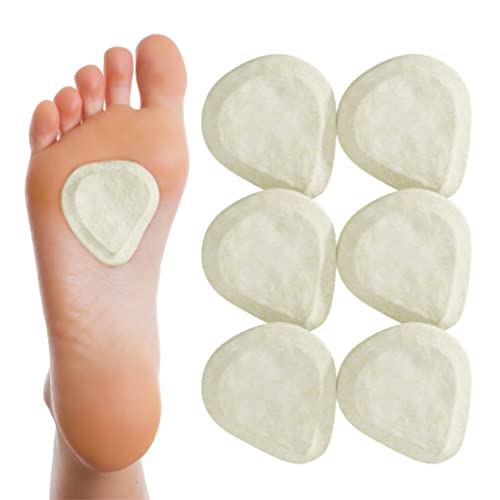
MARS WELLNESS 1/8-Inch Metatarsal Pads

MARS WELLNESS 1/8-Inch Metatarsal Foot Pad
MARS WELLNESS 1/4-Inch Metatarsal Foot Pad
MARS WELLNESS 3/16-Inch Metatarsal Foot Pad
The Picks, Examined More Closely
These gel cushions put a soft, clear layer directly beneath the ball of your foot, where pointed heels and narrow dress shoes tend to create crowding. The low-key appearance matters: you can wear them in heels, sandals, or dress shoes without making the cushion look like a bulky orthotic.
Unlike the felt options later in the list, the benoo Gel Ball-of-Foot Cushion Pads prioritize a discreet, flexible approach. You may find them especially useful for an office day, wedding, or evening event when the shoes look polished but leave the forefoot feeling compressed.
Practical Advantages
- Clear gel construction stays visually understated inside open or close-fitting footwear.
- Targeted cushioning suits heels, sandals, pumps, and other dress shoes.
- The pads are designed to limit forward sliding, which may also reduce rubbing.
- They add cushioning without the pronounced bulk associated with thicker felt pads.
Trade Offs
- Clear gel may collect visible marks, so your footwear may not look completely untouched.
- The cushioning profile is less substantial than the 1/4-inch felt choices.
Quick Facts
Right Fit For
These gel cushions suit people who wear dress shoes or heels and prefer subtle forefoot cushioning over a thick felt layer.
Another Choice May Suit
Choose MARS WELLNESS 1/4-Inch Metatarsal Pads instead when your priority is fuller cushioning in roomier shoes.
A quarter inch of felt makes these the thickest option in this group, giving you a noticeable cushion under the forefoot. That extra depth can suit walking shoes, work footwear, and other roomy shoes where a thin pad would barely change the feel.
These felt pads are skived, meaning their edges are trimmed for a smoother fit against the foot. The adhesive backing lets you position them inside a shoe or directly on the forefoot, while six pairs provide a practical rotation across multiple pairs of footwear.
Why It Works Well
- The 1/4-inch thickness supplies more cushioning than the slimmer felt versions.
- Skived edges help the pads sit more smoothly against the foot.
- Adhesive backing supports placement inside shoes or directly on the foot.
- Six pairs make it easier to rotate between work, walking, and casual shoes.
Small Caveats
- Thicker felt may take up noticeable space in a narrow or low-volume shoe.
The Numbers That Matter
Who It Suits Best
Shoppers who spend long periods in roomier shoes benefit most from the fuller cushioning and multi-pair supply.
Where A Sibling Pick Shines
The benoo Gel Ball-of-Foot Cushion Pads fit more discreetly inside close-fitting heels and sandals.
At 1/8 inch, these felt pads take a gentler approach than the quarter-inch MARS WELLNESS option. The thin profile makes them easier to fit into shoes with little interior room, including loafers, flats, and lightly lined sneakers.
The skived construction and adhesive backing preserve the same practical format as the thicker model. You receive six pairs, so several work shoes or casual pairs can each have a dedicated cushion without sharing one adhesive pad across the whole week.
Points In Its Favor
- The slim 1/8-inch profile fits more easily into close-to-the-foot shoes.
- Skived felt edges encourage a smoother, less bulky feel.
- Six pairs support a practical rotation between footwear.
Where It May Fall Short
- The thin layer provides less cushioning than the 1/4-inch and 3/16-inch felt pads.
- Very narrow shoes may still feel crowded because the pad adds some height.
- Adhesive placement requires careful positioning to avoid a raised or folded edge.
Made For
These pads suit people with close-fitting footwear who want a modest cushion without a large increase in forefoot bulk.
Consider Something Else When
Move to MARS WELLNESS 3/16-Inch Metatarsal Foot Pad when a thin pad feels too subtle for your preferred shoes.
Placement matters with metatarsal cushions, and this model gives you a clear target: behind the second and third metatarsal heads, which are the long bones in the forefoot. That focused position distinguishes it from the skived model, whose selling point is its trimmed felt profile.
The 1/8-inch felt layer adds modest cushioning while the adhesive backing helps keep the pad from shifting during the day. You also get six pairs, allowing you to place one in each frequently worn pair instead of moving a single pad around.
What Makes Sense
- Specific placement guidance helps you position the pad accurately.
- The thin felt layer adds cushioning without excessive height.
- Adhesive backing helps limit movement inside the shoe.
- Six pairs suit people who rotate among several pairs of footwear.
Details To Watch
- Check that your chosen shoe has enough forefoot space for a 1/8-inch pad.
Essential Details
The Right Fit
This model suits shoppers who understand forefoot anatomy and want specific placement guidance in a thin, adhesive-backed pad.
A Better Fit Elsewhere
The MARS WELLNESS 1/4-Inch Metatarsal Pads offer more cushioning for roomier shoes and extended walking.
This is the thicker counterpart to the 1/8-inch MARS WELLNESS Metatarsal Foot Pad, with twice the listed thickness and the same targeted placement. That extra material makes it a sensible choice for walking shoes, work boots, and roomy sneakers where the forefoot has space for a fuller cushion.
The felt construction and adhesive back focus on repeatable placement, while six pairs let you prepare several shoes. You may find the extra thickness more noticeable in a narrow pump, so checking the shoe’s interior before buying is worth a moment.
A Strong Showing
- The 1/4-inch thickness offers the most substantial cushioning here.
- Placement behind the second and third metatarsal heads targets the central forefoot.
- Adhesive backing helps keep the felt pad positioned inside footwear.
Practical Considerations
- Added thickness may crowd a narrow dress shoe or flat with minimal interior space.
- The felt construction may be more noticeable underfoot than a thin gel cushion.
Who Will Love This
People who walk or stand for extended periods in roomy shoes benefit most from the deeper felt cushion.
Swap It Out When
Choose the benoo Gel Ball-of-Foot Cushion Pads for heels or sandals where appearance and a low profile matter more.
The 3/16-inch thickness lands neatly between the 1/8-inch and 1/4-inch felt versions. You get more material than the thinnest model without taking on quite as much interior bulk as the thickest one, which may be useful in everyday shoes that sit somewhere between close-fitting and roomy.
Like the other felt pads here, it uses an adhesive back and is intended for placement behind the second and third metatarsal heads. The six-pair count makes rotation straightforward, although careful placement remains important for comfort and stability.
What Pays Off
- Middle-ground thickness balances cushioning with interior space.
- Targeted placement gives you a defined position within the shoe.
Things To Weigh
- The 3/16-inch layer may still take up noticeable room in a very narrow shoe.
- Its cushioning will feel less substantial than the 1/4-inch model during long walks.
Key Product Details
Best Suited To
This middle-thickness pad suits people who want more cushioning than an eighth-inch model without the bulk of a quarter-inch pad.
Reach For A Different Pick When
Select MARS WELLNESS 1/8-Inch Metatarsal Pads for especially close-fitting shoes or MARS WELLNESS 1/4-Inch Metatarsal Foot Pad for roomier footwear.
What Matters Most in a Metatarsal Pad
Thickness and shoe clearance
Thickness determines how much cushioning sits beneath the forefoot, but more is not automatically better. A 1/8-inch pad may fit neatly into a close loafer, while a 1/4-inch model feels more substantial in a roomy work shoe. Check the available interior space before ordering.
Material and visibility
Gel often presents a discreet, flexible option for heels and sandals. Felt provides a soft, low-profile surface that can be trimmed and placed more precisely, although it may be easier to notice inside open shoes. Match the material to the footwear you expect to use most.
Adhesive placement
Pads with adhesive backing need careful positioning because a raised edge or folded corner can become uncomfortable during a long day. You can place many examples inside the shoe or directly against the foot, so consider which location suits your footwear and preferred level of convenience.
Fit and Comfort Before You Purchase
A pad should fit the area without crowding the toes or lifting the heel. Compare the listed thickness with the shoe’s interior, and consider whether your footwear has a removable insole that could affect placement. You may also want multiple pairs so separate work and casual shoes can each have a prepared cushion.
Persistent forefoot pain, numbness, or nerve-related symptoms deserve attention from an appropriate specialist doctor. A metatarsal pad may add comfort, but it should not replace an evaluation of the underlying problem.
Common Mistakes in Pad Selection
Wrong Turns To Avoid
Choosing by cushioning alone can leave a pad sitting in the wrong place. Confirm that the shape suits the ball of your foot, inspect the adhesive area, and test the fit around the second and third metatarsal heads. A pad placed too far forward or back may create the pressure you hoped to reduce.
What Separates Premium From Basic
In this category, a higher-tier option usually means more material, more precise shaping, or multiple pairs for rotation. The extra thickness can matter in roomy shoes, while skived edges and strong adhesive improve daily usability. The worthwhile upgrade depends on your footwear, not a larger number on its own.
Frequently Asked Questions
Are metatarsal pads supposed to be worn inside the shoe?
Most can be placed inside the shoe or directly against the foot, depending on their adhesive backing. Check the placement instructions and test how the pad feels after a short wear.
What thickness is most comfortable for tight shoes?
A thinner pad, such as the 1/8-inch MARS WELLNESS options, usually leaves more room inside close-fitting footwear. Wider shoes may accommodate the 3/16-inch or 1/4-inch versions more comfortably.
Can metatarsal pads be used with high heels?
The benoo Gel Ball-of-Foot Cushion Pads are designed for heels, sandals, and dress shoes. Their clear, flexible construction is especially practical when a bulky cushion would be visible or interfere with the shoe’s fit.
How many metatarsal pads are included?
Each MARS WELLNESS option in the roundup contains six pairs, or 12 individual pads. That quantity allows you to prepare several pairs of shoes or replace a pad without preparing an entirely new set.
Where should a metatarsal pad go?
The felt models are intended for placement behind the second and third metatarsal heads in the central forefoot. Start there, press the adhesive firmly, and adjust the position before using the shoes for an extended period.
Closing Remarks
The right metatarsal pad depends on your shoe volume, preferred material, and how much cushioning you need. Gel offers a discreet option for dress footwear, while felt choices provide a range of thicknesses, and the 3/16-inch model offers a practical middle ground. Check the fit carefully, and consult a qualified specialist for persistent pain or nerve symptoms.
