

At 6:30 a.m., you need a pump that works quietly, fits into your routine, and feels comfortable enough for repeated sessions. Your choice matters most when you are balancing feeds, work, errands, and limited counter space, especially when a hospital-style pump requires additional components. These six options cover dependable double pumping, discreet wearable designs, flexible suction controls, and different flange options, helping you find the practical fit for your body and daily schedule.
A Fast Comparison Of The Options
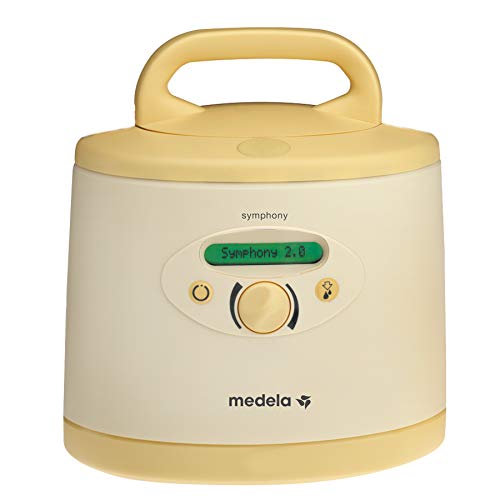
Medela Symphony Hospital Grade Pump

Paruu P21 Wearable Pump

Jeeber Hands-Free Breast Pump

HyAdierTech 130° Wearable Breast Pump

Paruu P16 Pro Wearable Breast Pump with Night Light, 160-Minute Battery, 2 Pack

Paruu P10 Pro Breast Pump
More Details On Our Top Picks
The Symphony brings a more structured pumping experience than the compact wearables in this roundup. Its two-phase expression pattern alternates stimulation and expression settings, while the Maximum Comfort Vacuum is designed to support faster milk flow without requiring the highest possible suction.
That makes it a sensible fit for frequent home sessions and pumping while caring for a baby. The motor stays discreet during early morning use, although the separate double-pumping kit adds a setup step before your first session.
A Strong Showing
- The two-phase pattern gives you distinct stages instead of relying on one continuous setting.
- Single or double pumping suits changing schedules and shared pumping duties.
- Overflow protection creates a closed system around the milk collection components.
- The quiet motor suits overnight pumping in a shared bedroom.
Things To Consider
- Model 67099 must be purchased separately for double pumping, so confirm the kit before ordering.
- This setup takes more space and preparation than an all-in-one wearable.
Feature Snapshot
Who It Suits Best
You benefit most from the Symphony when your priority is structured pumping control and frequent use at a fixed home station.
Where A Sibling Pick Shines
The Paruu P21 Wearable Pump is a better fit for pumping away from an outlet or in a space where minimal equipment matters more.
The P21 offers the most detailed control among the compact wearables here, with four operating modes and 12 suction levels within each mode. Its baby-mouth flange uses a narrower shape intended to feel softer, while the vertical milk bowl lets the pump stand without a separate holder.
That upright design is genuinely useful during a busy kitchen or while working at a desk. You can move around without holding the pump in place, although wearing a motor inside your bra may not suit everyone equally.
The Helpful Details
- Four modes give you distinct options for starting, steady expression, and assisted traction.
- Twelve levels within each mode provide finer adjustment than a fixed-level device.
- The cordless battery handles multiple sessions and recharges through Type-C.
- Inserts at 17, 19, and 21 millimeters give you a useful starting range.
- The upright bowl eliminates the need to hold the pump in position.
Practical Considerations
- You need to confirm the correct insert size rather than assuming the standard shield will fit.
- The two-pack increases the number of parts to store and wash.
Built With In Mind
This model fits you best when you want wearable convenience, fine control, and one pump for several flange sizes.
Another Choice May Suit
The Medela Symphony Hospital Grade Pump is more suitable for a permanent home setup with single or double pumping.
Jeeber keeps the controls approachable, with stimulation, expression, and automatic modes offering 12 levels apiece. For your first wearable pump, the included measuring card and three shield sizes make finding a suitable starting point less complicated than choosing among many flange systems.
The upright shape and extended bra strap help keep the pump stable under clothing. Assembly takes under a minute according to the stated instructions, which makes this a practical option for quick sessions or packing before leaving the house.
A Few Highlights
- Three modes and 12 levels create 36 adjustable combinations.
- The 105-degree housing supports an angled position beneath your bra.
- Assembly takes under a minute, based on the stated design.
- Heat-resistant components can be steam-cleaned at 100°C.
Small Caveats
- Measure your nipple size before choosing among the supplied inserts.
- Hands-free use depends on finding a supportive bra and comfortable placement.
- It has fewer operating modes than the four-mode Paruu P21 Wearable Pump.
Key Product Details
The Right Fit
You may appreciate this pump most when straightforward setup matters more than a large mode selection.
A Better Fit Elsewhere
The HyAdierTech 130° Wearable Breast Pump offers a wider housing angle and a visible status display for reclined sessions.
The 130-degree housing sets this model apart when you prefer to lie down instead of holding a forward-facing pump. Its LED display keeps the active mode, suction step, and charging status visible, which is easier than guessing at a setting through clothing.
At 240 grams, it remains compact, and the listed operating noise stays below 60 decibels. You still need a supportive bra and a comfortable position, but the wider angle gives you more freedom during longer sessions.
Notable Gains
- The 130-degree shape supports a more reclined pumping position.
- The LED display clearly shows mode, level, and charging information.
- Four modes cover massage, pumping, enhancement, and mixed operation.
- A 20-minute automatic stop provides a clear session limit.
- Type-C charging works with computers and portable power banks.
Trade Offs
- Nine suction steps offer less adjustment than the 12-level Paruu models.
- The stated battery allowance is approximately four half-hour sessions per charge.
- You need to maintain contact with the pump to preserve the intended positioning.
The Main Details
Made For
This model suits you when reclining, checking settings quickly, and pumping with minimal visible equipment.
Reach For A Different Pick When
The Paruu P21 Wearable Pump fits users who need finer suction adjustment and three included insert sizes.
The P16 Pro centers on the awkward hours, especially a middle-of-the-night session with a sleeping baby nearby. Its built-in night light gives you a way to check the controls without switching on a bright room light, and the stated battery allowance reaches 160 minutes of continuous pumping.
Four modes, 12 levels, and up to 309mmHg of suction provide detailed adjustment for a wearable setup. The included storage bag and dust cover help organize the two pumps, although a 24mm flange offers only one stated starting size.
The Value In It
- The night light reduces the need for bright lighting during late sessions.
- A 160-minute battery allowance suits extended pumping and travel.
- Four modes with 12 levels provide well-controlled suction changes.
- The storage bag and dust cover simplify packing and organization.
- Two pumps give you a spare without needing a second device purchase.
Worth Noting
- Confirm that the 24mm flange suits your fit before buying.
- The two-pack requires enough storage space for both units and their accessories.
Who Will Love This
You will appreciate the P16 Pro most for overnight pumping, frequent travel, and keeping a second wearable pump ready.
Look Elsewhere When
The Jeeber Hands-Free Breast Pump offers more shield-size choices for your first wearable setup.
The P10 Pro takes a different approach to wearable comfort by giving the nipple more room inside the flange. Its tunnel measures 27 millimeters across and extends 41 millimeters deep, while the housing uses a 104-degree angle that can feel more natural under a supportive bra.
For your daily routine, those measurements matter more than a long list of modes because fit influences comfort and stability. The two-pack is practical for keeping one unit clean while the other is in use, though you will need room to store both.
Points In Its Favor
- The wider tunnel provides more internal space around the nipple.
- The deeper flange tunnel suits users who prefer additional room.
- A 104-degree housing reduces the need for a sharply forward position.
- Two pumps help maintain a rotation during frequent sessions.
Where It May Fall Short
- You need to verify the fit rather than selecting solely by motor specifications.
- Its 104-degree angle is less open than the HyAdierTech model.
Technical Highlights
Best Suited To
This model suits you when a roomier flange tunnel and lower housing angle are your main comfort priorities.
Swap It Out When
The HyAdierTech 130° Wearable Breast Pump better serves you when a wider housing angle and visible display take priority.
How To Match An At Home Breast Pump To Your Routine
Start With Where You Pump
Your location determines the form that fits your day. A permanent home station supports the Medela Symphony Hospital Grade Pump and its separate collection kit, while a wearable makes more sense during work, travel, or care duties away from home.
Check The Flange Fit
Flange size affects how the pump sits around your nipple. Measure before ordering, then compare the supplied inserts and shield dimensions, keeping in mind that one listed size may not represent every fit.
Compare Controls With Comfort
More modes and suction levels offer finer adjustment, but they do not guarantee a better fit. Start with your preferred angle, assess the shield size, and treat mode names as starting points rather than fixed answers.
Account For The Extras
Tubes, bottles, membranes, inserts, bags, and charging cables influence your setup and storage space. The Medela Symphony requires a separate kit, while the wearable options bundle more of their components into a compact package.
What Separates A Basic Pump From A More Capable One
Mistakes Worth Dodging
Choosing by the longest feature list can distract you from flange fit and cleaning requirements. Measure first, compare the included parts, and make sure your bra supports the chosen shape before settling on a model.
Where The Extra Money Goes
A higher-cost model may add a separate pumping kit, more precise controls, a wider housing, or a longer battery allowance. Those improvements matter when you pump frequently or need the device to travel, while a simpler setup may suit lighter use.
Frequently Asked Questions
Which At Home Breast Pump Is Quietest?
The Medela Symphony Hospital Grade Pump is described as operating at a whisper-quiet level. The HyAdierTech 130° Wearable Breast Pump lists operating noise below 60 decibels.
Do You Need a Separate Kit for the Medela Symphony?
Yes, double pumping with the Medela Symphony requires model 67099, which is sold separately. That kit contains the tubing, membranes, valves, shields, and bottles needed for the pumping setup.
Which Pump Has The Widest Housing Angle?
The HyAdierTech 130° Wearable Breast Pump has the widest listed angle at 130 degrees. The Jeeber model uses 105 degrees, while the Paruu P10 Pro uses 104 degrees.
Which Model Offers The Most Flange Options?
The Paruu P21 Wearable Pump includes 17mm, 19mm, and 21mm inserts. The Jeeber Hands-Free Breast Pump provides 19mm and 21mm inserts with a 24mm shield.
Are Wearable Pumps Easy To Use While Working?
Their hands-free design depends on a secure bra fit, the correct flange size, and a comfortable position. The Paruu P21 adds an upright bowl, while the HyAdierTech model offers a wider angle for reclined use.
Final Verdict
Your best fit depends on where pumping happens and how much equipment you want nearby. Choose the Medela Symphony for a structured home station, the Paruu P21 for detailed wearable control, or the HyAdierTech for its wide angle and readable display. Take your time with flange fit, and let the routine you already have guide the decision.
