

A shoe can fit your foot length and still feel wrong across the arch, especially during a long commute or a full workday. Shoes for very high arches need roomy uppers, secure heels, and support that follows the foot without creating pressure. These six orthotic options suit different routines, from running and hiking to everyday wear in work boots.
The Choices Worth Comparing

QBK High Arch Support Orthotic Insoles, M

QBK Arch Support Walking and Hiking Insoles, M

Dr. Scholl’s Heel & Arch Orthotics, 3/4 Length

Superfeet Run Support Insoles
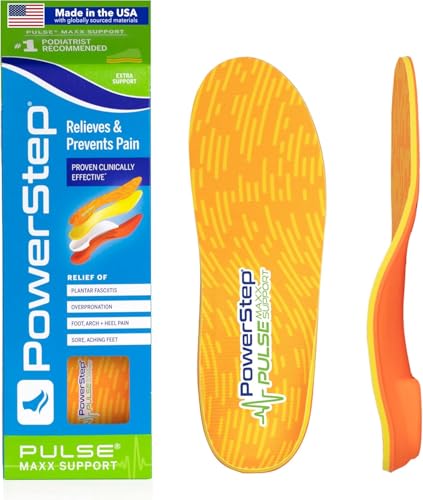
PowerStep Pulse Maxx Running Insoles, M 10-10.5/W 12
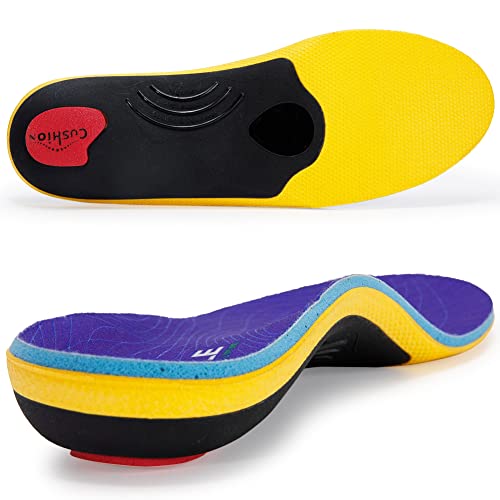
VALSOLE Heavy Duty High Arch Work Boot Orthotics, 220+ lbs
Meet The Standout Selections
The QBK High Arch Support Orthotic Insoles use a three-quarter-length design that follows the arch while leaving more room in the toe area. That combination works neatly in sneakers and casual shoes where a full insert may feel crowded.
Harder EVA, described as over pronation support, gives the insert more structure than a basic cushioning pad. The red cushioning areas add shock absorption, making this a practical option for long walks, commutes, and hours spent moving around a busy workplace.
Useful Highlights
- The three-quarter length offers arch coverage without filling the entire shoe.
- Firmer EVA helps the insert retain its shape during repeated daily use.
- Added heel cushioning absorbs impact where hard walking surfaces can feel harsh.
- The contoured arch shape may feel more natural than a flat cushioning insert.
Small Caveats
- New users may notice pressure during the first several days, so short sessions make sense.
- The three-quarter length offers less forefoot coverage than a full-length orthotic.
Feature Snapshot
Made For
You need a compact orthotic for everyday shoes, long walks, or extended periods of standing.
Another Choice May Suit
QBK Arch Support Walking and Hiking Insoles suit you better when a deeper 35 mm arch profile is important.
The defining feature here is the 35 mm arch height, giving this QBK model a more pronounced profile than the shorter three-quarter insert. It is aimed at walking, hiking, sports, and full days spent standing, where substantial support matters more than minimal shoe volume.
PU and TPU form the supportive structure, while a velvet surface helps manage moisture. A heel cup and gel pads add cushioning, and the stated weight limit extends beyond 220 pounds, making the design worth considering for heavier users.
Useful Touches
- The 35 mm profile gives high arches a pronounced support platform.
- Elastic gel pads soften heel and forefoot pressure during longer walks.
- A U-shaped heel cup helps center the foot inside the shoe.
- Velvet covering improves comfort and moisture management.
- The unisex design works across walking, hiking, sports, and standing shifts.
Things To Weigh
- The substantial thickness may crowd narrow shoes or low-volume footwear.
- Size selection requires close attention to the included chart.
- Initial pressure can take some getting used to, so gradual wear is sensible.
Key Specs
Who It Suits Best
You walk or hike regularly, spend long periods standing, or want a deeper arch profile in a roomy shoe.
Reach For A Different Pick When
QBK High Arch Support Orthotic Insoles suit you better when shoe volume is limited and three-quarter coverage is enough.
Dr. Scholl’s Heel & Arch Orthotics focus on the heel and midfoot rather than covering the full shoe. A supportive heel cup, added arch structure, and Shock Guard heel cushioning make them a familiar choice for daily sneakers, walking shoes, and work footwear.
These are men’s size 8-12 inserts in a multipack, so the appeal is less about specialized athletic correction and more about keeping a supportive insert available across several pairs. For routine use, the three-quarter format balances coverage and shoe clearance well.
Standout Benefits
- The heel cup supports the rear of the foot without filling the toe area.
- Shock Guard technology adds cushioning where heel impact is greatest.
- Extra arch support targets the middle of the foot during extended wear.
- The multipack makes rotating inserts between several pairs straightforward.
Worth Noting
- Men’s size 8-12 narrows the fit compared with unisex or women’s sizing.
Quick Facts
Right Fit For
You wear men’s sizes 8-12 and want a simple three-quarter insert for daily shoes.
Look Elsewhere When
Superfeet Run Support Insoles suit you better when trim-to-fit sizing and medium-to-high arch running support are the priority.
Superfeet Run Support Insoles are designed around a medium-to-high arch profile, which makes them more relevant to high-arch feet than a one-size cushioning pad. The support is intended to stabilize the foot during running and other active use.
These women’s insoles cover sizes 8.5-10 and can be trimmed to fit your footwear. That makes them flexible across running shoes or casual shoes with removable insoles, although cutting them carefully is part of getting a secure, low-profile fit.
The Good Stuff
- Medium-to-high arch support suits a pronounced arch profile.
- Trim-to-fit construction accommodates different shoe shapes and insole cavities.
- Running-focused support suits frequent miles and active walks.
Minor Gripes
- The fit depends on careful trimming, so rushing the cut can leave an uneven edge.
- The listed sizing is specifically for women’s sizes 8.5-10.
Who Will Love This
You run regularly, wear women’s sizes 8.5-10, and want the freedom to trim an insert to several pairs of shoes.
Where Another Pick Shines
PowerStep Pulse Maxx Running Insoles suit you better when rigid overpronation control and a defined angled heel structure matter more.
PowerStep Pulse Maxx is built for running shoes and athletic movement rather than general-purpose cushioning. Its more rigid shell and angled heel are designed to provide motion control for overpronation, a common foot-roll pattern in which the foot turns inward during movement.
The listed variant fits men’s sizes 10-10.5 or women’s size 12. Compared with Superfeet Run Support Insoles, this model takes a more structured approach, which may feel preferable during demanding miles but less natural for ordinary walking.
Key Advantages
- The rigid shell gives running shoes a more structured foundation.
- The angled heel supports alignment during repetitive foot strike.
- Motion control is aimed specifically at overpronation.
- Polyester construction keeps the focus on athletic support.
Trade Offs
- The rigid structure may feel more pronounced than a flexible everyday insert.
- The available size is narrow, so footwear and foot length both need checking.
Built With In Mind
You run in structured shoes, show an inward foot-roll pattern, and wear the listed size.
Swap It Out When
Superfeet Run Support Insoles suit you better for everyday athletic use with trim-to-fit sizing and a less rigid feel.
VALSOLE Heavy Duty High Arch Work Boot Orthotics are designed around substantial support for users above 220 pounds. That weight-focused positioning, combined with high-arch support and shock absorption, makes the insert most relevant to demanding work environments and sturdy footwear.
Work boots have room, but plenty of models still include a thin factory insole. Replacing that layer with a more structured orthotic may feel better across a warehouse shift or long day on hard flooring, provided the boot allows enough room for the insert.
Practical Advantages
- The stated 220-pound-plus positioning targets heavier users needing substantial support.
- Work boot compatibility suits construction, warehouse, and outdoor footwear.
Less Ideal Details
- The substantial profile may require removing a thin factory insole to create room.
- Its heavy-duty emphasis makes it less relevant to low-volume dress shoes.
Feature Facts
Whose Shelf It Belongs On
You work in sturdy footwear, weigh above 220 pounds, and need a high-arch insert with a substantial support profile.
A Better Fit Elsewhere
QBK Arch Support Walking and Hiking Insoles suit you better when a unisex 35 mm profile and a stated weight range above 220 pounds matter more than work boot styling.
What Your Feet Need in Very High Arch Shoes
Match the Arch Profile
An orthotic must follow the shape of your arch without pushing the foot upward from an unnatural angle. Medium-to-high profiles suit many pronounced arches, while a deeper insert may suit someone whose arch rises sharply but also needs more room inside the shoe.
Check the Available Shoe Volume
Three-quarter inserts preserve toe space and work well with many sneakers. Full-length or deeply contoured options may need more room, so remove the factory insole and test the fit with your usual socks before making a final decision.
Consider Your Daily Movement
Walking, running, and standing create different demands. A running-specific orthotic may have a firmer shell and angled heel, while a walking or work insert may emphasize cushioning, moisture management, and all-day support.
Allow Time for Adjustment
New support can feel unfamiliar because the foot is moving differently. Begin with shorter periods, increase wear gradually, and stop if the discomfort becomes sharp or persistent. A qualified healthcare professional can help assess persistent foot or back discomfort.
Two Insole Details Worth Checking
Mistakes Worth Dodging
The most common error is choosing the strongest insert without checking the space inside the shoe. Another is ignoring the size chart or skipping the trim instructions, both of which can affect fit and stability.
What The Higher Tier Buys
More expensive orthotics may provide a firmer shell, a deeper heel cup, specialized running geometry, or the ability to trim the insert to your shoe. Those details matter most when your footwear is roomy and your activity creates repeated impact.
Frequently Asked Questions
Do shoes for very high arches need special insoles?
Many shoes for very high arches benefit from an orthotic that follows the arch without crowding the toe box. Three-quarter or full-length support can help distribute pressure and improve shoe stability.
How do I know which arch height is right?
Your foot should feel supported rather than pushed upward or compressed. A medium-to-high profile works for many pronounced arches, while a 35 mm design suits people wanting a deeper support platform.
How long should I wear new arch insoles?
Start with roughly two hours a day and increase the time as your foot adjusts. Persistent or sharp discomfort warrants assessment by a qualified healthcare professional.
Can high arch insoles fit any shoe?
They fit best in shoes with a removable insole and enough internal depth. Narrow shoes may accommodate a three-quarter insert more easily than a thicker full-length model.
Should I trim orthotic insoles before using them?
Only trim models whose instructions specifically call for it, and follow the marked guide carefully. Insoles without trimming instructions should be used at their supplied size.
Final Verdict
The right choice comes down to the shoe, your arch shape, and the hours you spend moving. QBK offers adaptable profiles, Superfeet brings trim-to-fit running support, Dr. Scholl’s focuses on heel and arch coverage, PowerStep leans toward structured motion control, and VALSOLE serves heavier users in work boots. Check the internal space first, then give your chosen insert time to feel familiar.
