

A dropper can make an infant supplement easier to add to a feeding routine, but the right bottle depends on your priorities. You may need vitamin D alone, a probiotic combination, or a formula designed around occasional digestive upset. The six options below cover different routines, with clear differences in dosage, ingredients, bottle size, and intended use.
The Shortlist At A Glance

Culturelle Baby Probiotic + Vitamin D

Culturelle Baby Calm Drops 8.5ml
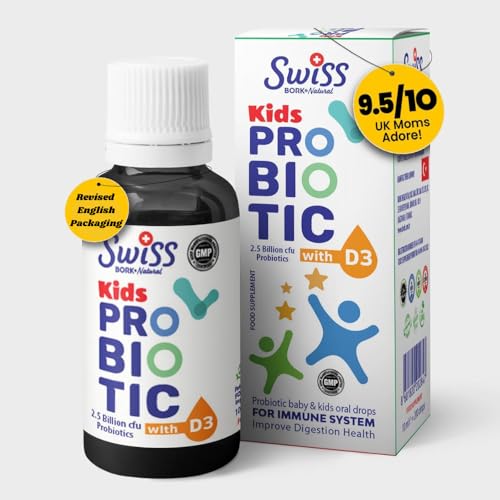
Swiss Bork Baby Probiotic + D3 Drops, 10ml, 45 Days, Halal

Premier Research Kids D3

GreenPeach Organic Baby Vitamin D3 Drops, 400 IU, No Sugar or Flavors

Culturelle Baby Calm & Immune Support Probiotic Drops with Vitamin D, 0-12 Months
Meet The Standout Selections
Your daily bottle combines vitamin D with Lactobacillus rhamnosus GG and other probiotics in a format made for babies from birth through 12 months. You shake the bottle and dispense five drops into a spoon, bottle, or mouth during breastfeeding, which keeps administration flexible during a hectic feeding day.
Unlike Culturelle Baby Calm Drops, this formula puts vitamin D at the center of its label, so your decision comes down to whether you want a combined routine rather than a comfort-focused probiotic. You get a 9 ml bottle that should be used within 60 days after opening, making it a practical choice for a one-month cycle.
Noteworthy Benefits
- You receive vitamin D and probiotic ingredients in one five-drop routine.
- You can place the drops in a feeding bottle, on a spoon, or directly into your baby’s mouth.
- You get a formula without sugar, peanuts, gluten, dairy, or genetically modified ingredients.
- Your bottle includes a dropper cap for straightforward storage and dispensing.
Practical Considerations
- You need to plan for a 60-day opening window, so a smaller 9 ml bottle suits a regular one-month routine.
- You should confirm the five-drop direction and your baby’s age range against the label before adding it to a feeding routine.
Key Details
Made For
You benefit most from this formula when your baby is 0-12 months old and you want vitamin D and a named probiotic strain in one daily drop.
A Better Fit Elsewhere
You may prefer Premier Research Kids D3 when your routine calls for a simpler vitamin D3 liquid without a listed probiotic blend.
Your decision point here is digestive comfort rather than a broad supplement label. You get Lactobacillus rhamnosus GG alongside other probiotics, with the formula positioned for infants from birth through 12 months. Five drops fit neatly into a spoon, a bottle, or a feeding moment at the breast.
Compared with the preceding Culturelle combination, your focus shifts toward occasional fussiness, crying, and colic-related discomfort, while the drop format remains almost identical. The 8.5 ml container is sized as a one-month supply and must be discarded within 60 days after opening.
A Few Strong Suits
- You get a clearly focused formula for occasional digestive discomfort and colic.
- You receive Lactobacillus rhamnosus GG as a clearly identified probiotic strain.
- You can administer five drops in several ways, which helps fit the routine around feeding.
- Your daily amount stays simple with one five-drop direction.
Some Limits To Know
- You need to finish the bottle within 60 days after opening, so plan the purchase around regular use.
- You should check the serving directions and age guidance on the package before using it during breastfeeding or bottle feeding.
Right Fit For
You benefit most from this option when your priority is a probiotic routine centered on occasional infant fussiness and digestive upset.
Where Another Pick Suits Better
You may prefer Culturelle Baby Probiotic + Vitamin D when vitamin D belongs alongside the probiotic in your daily routine.
Your interest in Swiss Bork may come from a formula that places baby probiotics, vitamin D3, and digestive support on the same label. The bottle is marked as halal, which gives families with that dietary requirement a clear point of comparison. You also get a 10 ml container labeled for 45 days, so it presents a longer stated supply window than the 8.5 ml and 9 ml monthly Culturelle options.
The information here is less detailed, though, so the listing itself works best as a starting point rather than your only guide. You need to check the directions, strain names, and age guidance on the package before fitting the drops into a newborn or toddler routine.
The Good Stuff
- You get baby probiotics and vitamin D3 presented in one liquid drop.
- Your labeled 45-day supply may fit a routine extending beyond a typical one-month bottle.
- You have a clearly marked halal option within the shortlist.
- You can use one combined formula rather than managing separate vitamin D and probiotic bottles.
Things To Weigh
- You should confirm the infant serving direction and age range on the package before use.
- You need to account for the 10 ml bottle and 45-day supply when judging whether it matches your household’s storage and routine.
Quick Facts
Built With In Mind
You benefit most from this choice when a halal-marked baby probiotic and vitamin D3 combination fits your routine and you prefer the stated 45-day supply.
Look Elsewhere When
You may prefer Culturelle Baby Probiotic + Vitamin D when a 9 ml bottle and more detailed administration guidance make the monthly routine easier to assess.
Your routine gets a straightforward liquid vitamin D3 with 100 IU per drop, without a listed probiotic component. The directions call for four drops daily for infants, toddlers, and children. That gives you a small liquid bottle in a 0.43 fl oz size, which can be easier to store than a larger dropper bottle.
Unlike the Culturelle and Swiss Bork choices, your focus stays on one vitamin rather than a combined probiotic routine. The honest read is that simplicity may suit you, but your baby’s age and total supplement plan still deserve a careful label check.
Everyday Advantages
- You get a clearly stated 100 IU amount in each drop.
- You can measure a simple four-drop daily serving.
- Your bottle is compact at 0.43 fl oz.
- You avoid managing a separate probiotic bottle alongside the vitamin drops.
Small Caveats
- You need to account for four drops per day when planning the bottle’s use.
- You should ask your pediatrician to review the four-drop direction alongside any other vitamin D or fortified formula in your baby’s routine.
Technical Highlights
Who Will Love This
You benefit most from this formula when you want a compact vitamin D3 liquid with a straightforward per-drop amount and no listed probiotic blend.
Another Choice May Suit
You may prefer GreenPeach Organic Baby Vitamin D3 Drops when a 400 IU label, no added sugar or flavors, and suitability through age four better matches your needs.
Your simplest standalone option may be this 400 IU liquid vitamin D3 with a vegetarian formula and no sugar or flavors. It is labeled for babies and newborns through age four, which gives you a wider age range than many infant-only listings. The liquid format also gives you flexibility in how you administer the drops.
Compared with Premier Research Kids D3, you see a larger stated vitamin D amount per serving and a broader age range, although the serving directions may differ. The listing emphasizes halal and kosher suitability, non-GMO status, and gluten-free formulation, giving you several practical filters beyond the vitamin amount.
What Earns Its Place
- You get a clearly stated 400 IU vitamin D3 formula.
- Your routine stays free of added sugar and flavors.
- You can use a vegetarian liquid formula.
- You have options that are labeled halal and kosher friendly.
- Your listed age range extends through age four.
Where It Is Less Suited
- You need to verify the serving direction for a newborn because the stated age range covers babies through age four.
- You should check the bottle size and drop instructions before purchase, especially for a short newborn routine.
Best Suited To
You benefit most from this option when you want a sugar-free, flavor-free vitamin D3 liquid with a stated 400 IU amount for a baby or young child.
Reach For A Different Pick When
You may prefer Premier Research Kids D3 when a 100 IU-per-drop amount and a four-drop daily direction fit your baby’s plan more precisely.
Your bundle gives you two separate Culturelle dropper bottles rather than forcing one formula to cover every priority. One bottle focuses on digestive comfort with LGG and BB-12 probiotics, while the other combines those named strains with vitamin D. You get room to decide which formula suits a particular routine.
Compared with the single Culturelle Baby Probiotic + Vitamin D bottle, you gain a second option but also need space for two containers. Each bottle uses five drops daily and has its own 60-day opening window, so your schedule and storage area deserve a quick check.
A Few Highlights
- You receive separate comfort and vitamin D probiotic bottles in one bundle.
- Your formulas identify Lactobacillus rhamnosus GG and Bifidobacterium animalis subsp. lactis BB-12.
- You can choose between two bottles without changing brands.
- Your comfort formula is labeled sugar-free, non-GMO, gluten-free, vegan, and dairy-free.
- You get the same five-drop administration method across both bottles.
Factors To Consider
- You need storage room for two dropper bottles rather than one.
- You should track the opening date separately for each container.
- You need to confirm that both bottles belong in your intended routine before opening them.
Feature Facts
Whose Shelf It Belongs On
You benefit most from this bundle when you want both a comfort-focused Culturelle formula and a separate vitamin D probiotic routine for a baby 0-12 months old.
Where A Sibling Pick Shines
You may prefer Culturelle Baby Probiotic + Vitamin D when one bottle and one 60-day opening window better suit your limited storage or routine.
Matching the Drops to Your Baby’s Routine
Starting With the Nutrient You Need
You need to decide whether your routine calls for vitamin D alone, vitamin D3 with a measured per-drop amount, or a probiotic combination that includes vitamin D. Vitamin D3 identifies the specific form, while IU, or international unit, measures the amount of vitamin activity in a serving. Your baby’s age, feeding plan, and any other supplements should guide that comparison.
Reading the Probiotic Details
You gain more from a probiotic label when it names specific strains, such as LGG or BB-12, rather than referring only to a general probiotic blend. You can also compare the stated purpose, daily drops, age range, and dietary attributes. A digestive-comfort formula and a vitamin D formula may solve different routine priorities, so you should select according to your needs rather than treating them as interchangeable.
Checking Amounts and Bottle Life
You should look at the serving direction before buying, because five drops in one formula may not equal four drops in another. You also need to note the stated opening window and container size, especially for a one-month supply. Checking these details before delivery makes your feeding routine easier to manage.
Avoiding Costly Dropper Missteps
Wrong Turns To Avoid
You may overlook the serving size or assume similar bottles contain the same amount. You can also miss a broader age range or ignore the opening window, so read the directions and compare them with your baby’s plan before adding any drops.
What Separates Premium From Basic
You pay for different attributes, not a guaranteed outcome. A premium listing may add probiotics, offer a longer stated supply, or provide more specific strain and dietary information, while a basic choice may focus on vitamin D alone.
Frequently Asked Questions
How many drops should you give an infant?
You should follow the serving direction on the selected label, since the options range from four drops to five drops daily. Your pediatrician can confirm the right amount for your baby and feeding plan.
Can infant vitamin D drops contain probiotics?
You can choose probiotic drops with vitamin D, as several options in the shortlist combine both. Standalone vitamin D3 liquids provide a simpler alternative when you do not want a combined formula.
What does 400 IU mean on a vitamin D label?
IU stands for international unit, a measure of vitamin activity used on supplement labels. You can use the stated amount to compare one serving with another listing.
Should you choose a 30-day or 45-day bottle?
You can choose based on consistency, storage, and the opening period rather than the stated duration alone. The monthly Culturelle bottles have a 60-day opening window, while the Swiss Bork bottle is labeled for 45 days.
Are flavored or sugar-free drops easier to administer?
You may find an unflavored formula easier to incorporate into a feeding routine without adding sugar. You still need to check the labeled serving instructions and the amount your baby receives.
The Takeaway
Your best match depends on what your routine needs: a simple vitamin D3 liquid, a 400 IU standalone drop, a monthly probiotic plus vitamin D combination, a comfort-focused probiotic, or two separate Culturelle bottles. Compare the serving amount, age range, strain names, and opening window before choosing. The most convenient choice is the one you can measure consistently and use according to its label.
