

A morning scoop that clouds your coffee, a capsule that needs no drink, and a vanilla powder that doubles as protein solve very different routines. Your priorities might include skin, hair, nails, joints, or simply adding hydrolyzed collagen, which means collagen broken into smaller peptides, to a daily diet. These six options cover powders, capsules, unflavored formulas, and a combined whey-and-collagen blend so you can match the format to your day.
A Snapshot Of The Selections

Kiperin Hydrolyzed Collagen Peptides Type I & III Grass-Fed, 50 Servings
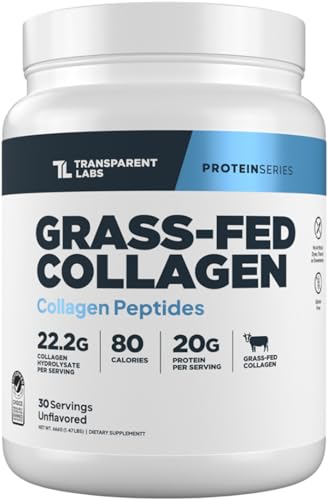
Transparent Labs Collagen Peptides

DOSE & CO. Collagen Protein Powder, Vanilla, Hydrolyzed Type I & III
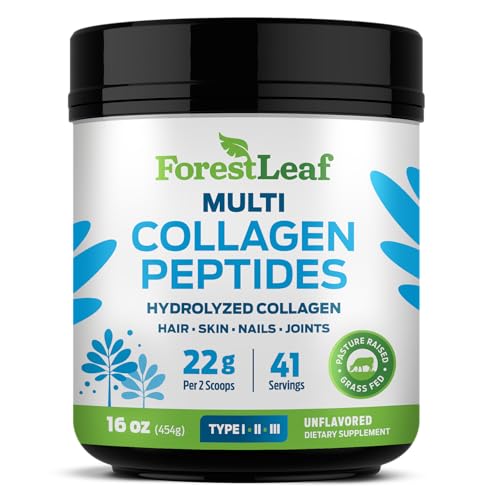
ForestLeaf Collagen Peptides Powder, Types 1, 2 & 3, 11g

ForestLeaf Collagen Capsules, Types I/II/III, 120 Caps

ForestLeaf Multi Collagen Capsules with Hyaluronic Acid & Vitamin C
Why These Options Stand Out
Clear mixing matters more than you might expect in a daily supplement. Kiperin uses grass-fed bovine collagen peptides broken into smaller amino acids, and its unflavored formula is designed to dissolve in hot or cold drinks without changing the taste of coffee, water, smoothies, or soup.
Compared with Transparent Labs Collagen Peptides, Kiperin takes the opposite approach on package size. Its 50-serving pouch may work better for you when keeping a scoop in a work bag or kitchen matters more than a higher stated per-serving amount. The halal-suitable formula and batch documentation add useful context for shoppers who pay attention to sourcing and manufacturing records.
Notable Upsides
- Clear dissolving makes it practical for coffee, water, smoothies, and soups.
- The unflavored profile leaves more room for your favorite drink or recipe.
- Type I and III collagen suits routines focused on skin, hair, nails, and joints.
- Grass-fed bovine sourcing provides a clearly stated source.
- Each pouch includes 50 servings for convenient routine planning.
Small Caveats
- Per-serving collagen weight is not stated, so compare it with dose-focused formulas only after checking the label.
- You need a scoop and mixing container, which makes capsules more convenient for travel.
Key Specs
Made For
You benefit most from this powder when clear mixing, multiple beverage options, and a generous serving count shape your daily routine.
A Better Fit Elsewhere
Transparent Labs Collagen Peptides offers a more suitable fit when a clearly stated 22-gram amount per serving takes priority over package longevity.
Dose clarity is the central reason to notice this formula. Each serving supplies 22 grams of hydrolyzed Types I and III collagen, a substantially more defined approach than the serving information provided by Kiperin. For daily users who compare nutrition labels carefully, that number can make the decision much less ambiguous.
The powder comes from pasture-raised bovine collagen and contains no artificial sweeteners, coloring, or preservatives. That gives you a neutral-tasting option for water, coffee, or smoothies, although 30 servings make it less of a long-run package than Kiperin’s 50-serving pouch.
Where It Delivers
- A stated 22 grams per serving removes guesswork from dose comparisons.
- Hydrolyzed peptides are designed for straightforward mixing and digestion.
- No artificial sweeteners or coloring keeps the ingredient list restrained.
- Pasture-raised bovine sourcing and Informed Choice recognition support informed comparison.
Things To Consider
- Thirty servings may require more frequent repurchasing than a larger pouch.
- Unlike Kiperin’s clear-dissolving description, this listing does not promise the same transparency in every beverage.
Right Fit For
This formula fits you best when a clearly measured collagen amount and a minimal ingredient profile matter more than a larger serving count.
Another Choice May Suit
Kiperin Hydrolyzed Collagen Peptides Type I & III Grass-Fed, 50 Servings suits you better when clear dissolving and a larger pouch take priority over a stated 22-gram serving.
Some routines call for both collagen and conventional protein, making DOSE & CO. more practical than a separate scoop of each. Each serving combines 20 grams of whey protein with 10 grams of hydrolyzed Types I and III bovine collagen, so your morning blender or post-workout drink can handle both in one step.
The vanilla flavor changes the experience from the neutral powders elsewhere in this list. It blends into water, coffee, lattes, smoothies, yogurt, oatmeal, and recipes, although the 35-gram serving is larger and the formula contains milk and whey. That combination works best for people who already enjoy flavored protein drinks.
What Earns Its Place
- Combines 20 grams of whey protein with 10 grams of collagen per serving.
- Vanilla and monk fruit create a more approachable drink than unflavored powder.
- Works across hot and cold drinks, smoothies, oatmeal, and recipes.
- The formula excludes GMOs, gluten, hormones, artificial colors, and artificial sweeteners.
- Each pouch supplies 12 clearly described servings.
Practical Considerations
- Milk and whey rule it out for routines that avoid dairy ingredients.
- A 35-gram serving may feel substantial compared with a single-scoop collagen-only powder.
Feature Snapshot
Built With In Mind
You benefit most from this blend when a flavored protein drink already anchors your post-workout or morning routine.
Reach For A Different Pick When
Transparent Labs Collagen Peptides fits you better when collagen comes first and you need a formula without dairy ingredients.
Broader type coverage gives ForestLeaf a different role from Kiperin and DOSE & CO., which focus on Types I and III. This powder combines Types 1, 2, and 3, drawing from chicken and bovine collagen, with 11 grams per serving. That may appeal to you when a multi-type formula fits your routine better than a narrower pair.
The powder is unflavored, although the maker notes that a subtle taste may remain. Smoothies, oatmeal, and blended recipes can mask that flavor more effectively than coffee or tea. One-pound, two-pound, and two-pack options also give you some control over storage and package size.
Strong Points
- Combines Types 1, 2, and 3 in a broad multi-collagen formula.
- Uses both chicken and bovine collagen sources.
- Provides 11 grams per serving for straightforward portioning.
- Several powder package configurations support different storage needs.
Details To Watch
- The subtle flavor may not suit black coffee or plain tea drinkers.
- Type I and III formulas offer a more focused choice when those are your priorities.
- You still need a scoop and a vessel for mixing.
Quick Facts
Best Suited To
This powder suits you best when you want broader collagen type coverage and prefer mixing it into flavored smoothies or foods.
Swap It Out When
Kiperin Hydrolyzed Collagen Peptides Type I & III Grass-Fed, 50 Servings makes more sense when clear dissolving in coffee or water matters most.
A capsule removes the blender, shaker, and spoonful from your morning routine. ForestLeaf packs Types I, II, and III into an easy-to-swallow format, making this option attractive for travel, office desks, and days when your kitchen routine falls apart.
The capsule also pairs collagen with hyaluronic acid and vitamin C. Hyaluronic acid is a humectant, meaning it helps attract and retain moisture, while vitamin C supports the formula’s appearance-focused positioning. Compared with ForestLeaf Collagen Peptides Powder, Types 1, 2 & 3, 11g, you trade mixability for portability.
Positive Points
- Requires no powder, shaker, or mixing step.
- Combines Types I, II, and III in one capsule format.
- Adds hyaluronic acid and vitamin C to the collagen routine.
- The 120-count package suits a manageable capsule-based routine.
Small Limitations
- Capsules need a consistent daily habit, so placement near your morning routine helps.
- Type II makes this less narrowly focused on the Type I and III pairing highlighted in the category.
Made For
You benefit most from these capsules when portability and zero preparation outweigh the convenience of a scoopable powder.
A Better Fit Elsewhere
DOSE & CO. Collagen Protein Powder, Vanilla, Hydrolyzed Type I & III suits you better when a flavored drink and added whey protein form part of your routine.
The larger 240-count format sets this ForestLeaf option apart from ForestLeaf Collagen Capsules, Types I/II/III, 120 Caps. You get a substantial capsule supply for a daily routine, reducing the frequency of repurchases compared with the smaller count. Its multi-collagen approach also covers more than a narrow Types I and III focus.
Hyaluronic acid and vitamin C round out the capsule formula for routines centered on skin, hair, nails, bones, and joints. The tradeoff is preparation: no flavored drink or measured powder, but also no mixing and no spoon to wash. For many capsule users, that simplicity is the deciding factor.
Strengths Worth Knowing
- The 240-count format supports a lower-refill routine.
- Hydrolyzed multi-collagen capsules cover several collagen types.
- Hyaluronic acid adds a moisture-focused companion ingredient.
- Vitamin C completes the appearance and wellness-oriented formula.
Points To Keep In Mind
- Capsule schedules require consistency, especially during travel.
- For bone and joint goals, this capsule still belongs within a broader nutrition plan.
Core Details
Whose Shelf It Belongs On
This package belongs on your shelf when you want a capsule routine, broader collagen coverage, and a larger on-hand supply.
Look Elsewhere When
Kiperin Hydrolyzed Collagen Peptides Type I & III Grass-Fed, 50 Servings fits you better when clear dissolving and a 50-serving powder package matter more.
Match Collagen Format to Your Routine
Start With the Form
Powders give you precise portions and fit naturally into drinks, smoothies, oatmeal, or recipes. Capsules suit travel and busy mornings because they require no container or mixing, while flavored formulas can make consistency easier for anyone tired of neutral-tasting scoops.
Types I and III are both structural collagen types. Type I is prominent in skin, tendons, and bones, while Type III commonly appears alongside it in supplements focused on skin and connective tissue. A broader Types I, II, and III formula gives you more variety, but that does not automatically make it preferable to a focused pair.
Compare Serving Details
Amount per serving deserves attention only when the label states it. Transparent Labs lists 22 grams, DOSE & CO. provides 10 grams of collagen alongside 20 grams of whey protein, and ForestLeaf lists 11 grams for its powder. Kiperin provides 50 servings but leaves the per-serving weight unstated, so its value cannot be compared by grams without the label.
Also account for what arrives alongside the collagen. DOSE & CO. suits a combined protein routine, while Transparent Labs uses no artificial sweeteners, coloring, or preservatives. Your dietary exclusions and preferred flavor should influence the decision alongside the type numbers.
Check the Routine Before Ordering
Look at allergens, serving size, package count, and storage needs together. DOSE & CO. contains milk and whey, so it may not suit a routine avoiding dairy ingredients. ForestLeaf’s unflavored powder can carry a subtle taste, making smoothies or food more suitable than black coffee.
Capsules reduce preparation but require a consistent daily habit. Powders create more handling, yet the measured scoop makes them easier to combine with meals and drinks. Choose the format you can realistically use without making the routine feel like another task.
Two Details That Shape the Decision
Mistakes Worth Dodging
Focusing only on type numbers can hide the practical differences that determine whether you will use the product. Compare serving weight, allergens, flavor, mixing, and package count before deciding that a broader formula is inherently better.
What Separates Premium From Basic
Higher-priced collagen often adds concentrated amounts, batch documentation, or recognized quality programs. Those details can matter for ingredient-conscious routines, although a larger serving amount alone does not determine value. Compare the label, formula, and cost per serving without assuming a higher tier fits every need.
Frequently Asked Questions
What Are Collagen Types 1 and 3?
Types 1 and 3 are structural forms of collagen found throughout the body. Many supplements pair them to support routines focused on skin, hair, nails, joints, and connective tissue.
Which Collagen Form Is Easiest to Use Daily?
Capsules require the least preparation and travel well. Powders provide measured servings and mix into drinks or food, which can be easier to combine with an existing meal routine.
How Much Collagen Should You Take?
There is no single amount that suits everyone, so the product label remains the practical starting point. Compare serving weight and package count rather than following an amount from another formula.
Can Collagen Powder Go in Coffee?
Kiperin is specifically formulated to dissolve clearly in hot or cold drinks. ForestLeaf may have a subtle flavor, so smoothies and foods may suit it better than coffee or tea.
Which Pick Fits a Routine Avoiding Dairy?
Transparent Labs Collagen Peptides is formulated without dairy ingredients. DOSE & CO. Collagen Protein Powder, Vanilla, Hydrolyzed Type I & III contains milk and whey, so it does not fit that same routine.
Final Verdict
Your best fit depends on the routine you will actually repeat: clear mixing, a stated serving amount, added whey protein, broader collagen types, or capsule convenience. Compare the label details that affect your day, then select the format that makes daily use easiest. A simple routine you maintain is more useful than a complicated formula you rarely reach for.
