

A 5:30 a.m. bottle can expose the gaps in a feeding plan quickly, especially when your baby has frequent spit-up or your pediatrician has suggested a formula trial. You need an option that fits your baby’s age, dietary needs, feeding method, and any allergy-related guidance. The six choices below cover standard infant formula, a specialty toddler formula, and allergen-introduction mix-ins, giving you concrete points to discuss during your next care visit.
The Leading Options At A Glance

Bobbie Organic Combo Feeding Kit

Neocate Syneo Junior Formula

Ready Set Food Stage 1 Mix-Ins

Ready Set Food Stage 2 Mix-Ins

Ready Set Food Stage 3 Mix-Ins
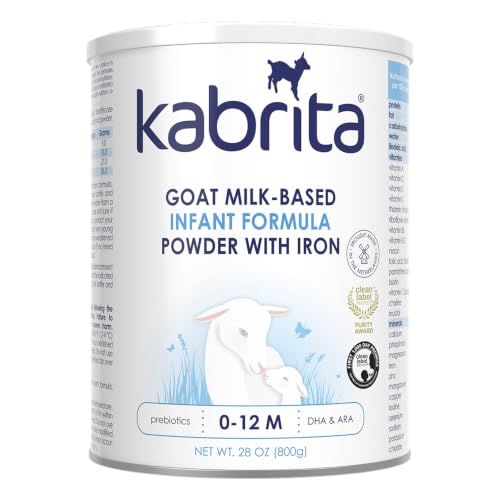
Kabrita Goat Milk Formula 28 oz
Formula preparation can become more complicated when you alternate breast milk and bottle feeds. The Bobbie Organic Combo Feeding Kit addresses that routine with a 14.1-ounce can of organic infant formula plus a 0.3-fluid-ounce bottle of vitamin D drops, giving you a simple way to keep both items together.
Its broader appeal comes from the familiar split between a complete infant formula and a separate vitamin D product. For a household seeking an organic powdered formula with DHA, iron, choline, and vitamin D already included, the can handles the bottle-feeding side neatly. The drops are intended for exclusively breastfed infants, so you may end up using one portion of the kit more than the other.
Benefits That Matter
- Combines powdered infant formula and vitamin D drops in one coordinated kit.
- Supports mixed feeding with one can for bottles and one drop bottle for breastfeeding families.
- Formula includes DHA, iron, choline, and vitamin D for routine infant nutrition.
- Organic ingredients and a 14.1-ounce can make portioning straightforward for many households.
Practical Considerations
- The vitamin D drops are not a substitute for a doctor-directed feeding plan, and the kit leaves you managing two separate products.
- Reflux concerns can vary widely, so this standard formula may not align with a more specialized recommendation from your child’s clinician.
Key Specs
Made For
You’ll get the most practical fit from this kit if you combine breastfeeding with formula feeding and want organic powdered formula plus separate vitamin D drops in one package.
Consider Something Else When
Neocate Syneo Junior Formula is a more suitable option for a child over one with diagnosed food-allergy needs that require an amino-acid-based formula.
Neocate Syneo Junior Formula serves a different feeding situation from ordinary powdered formula. It is an unflavored, dairy-free option made from amino acids for children age one and older, including older children and teens whose dietary management involves cow’s milk allergy or related gastrointestinal and allergic conditions.
The addition of Syneo, a blend of prebiotic fibers and probiotics, gives this formula a distinct digestive-support angle. Probiotics are microorganisms added to food, while prebiotics are fibers intended to support beneficial bacteria. Your child’s clinician should guide the transition, especially during a period of frequent spit-up, discomfort, or other feeding changes.
Why It Works Well
- Uses amino acids as the protein source for a highly specialized feeding approach.
- Dairy-free and free from artificial colors, flavors, and sweeteners.
- Combines prebiotic fibers with probiotics for routine digestive support.
Points To Note
- The stated age begins at one year, so it does not fit an infant-formula search.
- The unflavored option may taste less familiar than flavored varieties.
- The 14.1-ounce can is smaller than many standard formula containers and may require more frequent planning.
Feature Snapshot
The Right Fit
This formula suits families managing an older child’s cow’s-milk allergy or related dietary needs under guidance from a pediatric clinician.
Another Choice May Suit
Bobbie Organic Combo Feeding Kit offers a more suitable fit for a baby under one who needs standard organic infant formula and vitamin D drops.
Ready Set Food Stage 1 Mix-Ins help organize the first weeks of allergen introduction. Thirty daily packets separate peanut, egg, and milk exposures into a gradual, one-at-a-time plan for babies starting at four months or older, with each packet designed to be mixed into breast milk, formula, or infant food.
For a reflux concern, these mix-ins are not a complete formula and should never be treated as one. Their value is narrower: they support a structured introduction routine that can complement formula feeding. The product is also not intended for infants already diagnosed with food allergies, so existing medical guidance takes priority.
The Good Stuff
- Day labels remove the guesswork from tracking a 30-day introduction schedule.
- Premeasured packets simplify consistent preparation during busy feedings.
- Packets work with breast milk, formula, or infant food.
- Uses peanut, egg, and milk as the three introductory allergens.
- Real-food powders contain no added sugar and can be mixed into a small liquid portion first for even dispersal.
Worth Noting
- This is an allergen-introduction system rather than a stand-alone infant formula, and babies with diagnosed food allergies should not use it.
Who Should Grab It
You’ll find the most value in Stage 1 Mix-Ins as the parent of a baby at least four months old who is ready for a structured introduction to peanut, egg, and milk.
Where A Sibling Pick Shines
Ready Set Food Stage 2 Mix-Ins suit you better after the initial three-allergen introduction period, because that stage focuses on continuing daily exposure.
After the first introduction stage, consistency becomes the practical challenge. Ready Set Food Stage 2 Mix-Ins provide 30 labeled daily packets for babies four months and older, continuing exposure to peanut, egg, and milk for at least two months.
Compared with Ready Set Food Stage 1 Mix-Ins, this box does not serve as the opening step. It assumes your baby has already begun those allergens and focuses on maintaining the same routine. That makes it a natural continuation, although reflux symptoms or a new feeding concern still deserve individualized guidance from your child’s clinician.
A Favorable Mix
- Supports an organized routine for continuing three common allergen exposures.
- Daily packet labels make the schedule easy to follow and document.
- Mixes with breast milk, formula, or infant food for flexible preparation.
Small Caveats
- It follows Stage 1 rather than replacing the gradual introduction sequence.
- Natural texture variation can occur in the real-food powders, so thorough mixing matters.
Quick Facts
Built With In Mind
This stage suits parents who have completed the initial allergen introduction and want an easy way to maintain consistent daily exposure.
Reach For A Different Pick When
Ready Set Food Stage 1 Mix-Ins make more sense for a baby who has not yet begun a gradual introduction to peanut, egg, and milk.
Ready Set Food Stage 3 Mix-Ins widen the routine beyond the first three foods. The system continues peanut, egg, and milk while adding cashew, almond, walnut, sesame, soy, and wheat, creating a nine-allergen introduction for babies who are already ready for solids or have completed Stage 2.
That broader scope makes this the most useful box in the Ready, Set, Food! range for a baby eating solid foods, but it also requires more attention to preparation. The powders need thorough mixing, and natural texture can vary. None of these mix-ins functions as a reflux formula, so your child’s clinician should guide how allergen exposure fits into a reflux-related feeding plan.
What It Does Well
- Introduces six additional allergens while continuing the original three.
- Uses 30 labeled daily packets for a structured 30-day schedule.
- Works with breast milk, formula, or infant food.
- Contains organic proteins with no added sugars, sweeteners, or fillers.
Points To Keep In Mind
- It is not intended for infants with diagnosed food allergies.
- Babies who cannot comfortably handle different textures may need close professional guidance before starting broader exposure.
Who Will Love This
Stage 3 fits parents whose babies already eat solid foods and are ready to continue early allergen exposure across a broader set of foods.
Look Elsewhere When
Ready Set Food Stage 1 Mix-Ins are a better starting point for a baby who has not yet completed the initial peanut, egg, and milk introduction.
Kabrita Goat Milk Formula 28 oz is built around goat milk with naturally occurring A2 protein, a type of protein that differs from the more common A1 form. The European powdered formula is intended for healthy infants from birth through 12 months and gives feeding families a different protein base to consider during a formula trial.
For reflux discussions, the practical distinction is the formula’s digestive positioning rather than a claim that it addresses a particular condition. You may find the larger container more convenient than smaller specialty formulas, although the product’s available package configurations include several quantities. Your pediatrician can help determine whether a goat-milk formula fits your baby’s history and symptoms.
Where It Helps
- Goat-milk A2 protein provides a distinct basis for families comparing milk-protein sources.
- The 28-ounce container offers a practical quantity for routine powdered formula feeding.
Where It May Fall Short
- It is designed for healthy infants and is not a specialty formula for diagnosed cow’s-milk allergy.
- Multiple pack configurations require you to confirm the quantity you receive before preparing a feeding plan.
- The information does not identify a specialized reflux formulation, so suitability still depends on your child’s clinical guidance.
Core Details
Whose Shelf It Belongs On
This formula belongs on your shortlist when your baby is under one and your family is specifically comparing A2 goat-milk options with your pediatrician.
Swap It Out When
Bobbie Organic Combo Feeding Kit is a stronger fit for combination-feeding households that want standard organic infant formula alongside separate vitamin D drops.
What Matters Before A Reflux Formula Change
Start with the clinical picture
Spit-up happens for many different reasons, and the amount, timing, appearance, and your baby’s overall wellbeing can change the appropriate next step. Bring a feeding log to the appointment and note how often symptoms occur, whether they follow feeds, and what changes have already been tried. That record gives your clinician a much clearer picture than a formula name alone.
Match the product to your baby’s age
Age narrows the decision quickly. The Bobbie Organic Combo Feeding Kit and Kabrita Goat Milk Formula 28 oz are positioned for infants, while Neocate Syneo Junior Formula is intended for children age one and older. The Ready, Set, Food! stages are allergen-introduction products, not complete formulas, and their age guidance follows the introduction schedule.
Check allergies before digestion
Amino acids, goat milk, and common food allergens are materially different dietary approaches. Neocate Syneo Junior Formula uses amino acids for a specialized allergy-related feeding context, while Kabrita offers goat milk with A2 protein for healthy infants. Any prior reaction, diagnosis, or elimination diet deserves a conversation with your child’s clinician before you change the bottle.
Factor in preparation and consistency
Powdered formula requires consistent preparation, and allergen mix-ins add another powder to disperse. You’ll also need enough storage space for the container and any separate supplements. An option that fits your feeding routine can be more practical than one with appealing attributes but a preparation process you cannot maintain consistently.
Common Mistakes Worth Avoiding
Mistaking “gentle” for a reflux solution
A formula marketed for gentle digestion is not automatically designed for reflux. Compare the actual protein source, age range, and clinical purpose, then ask your pediatrician how the option fits your baby’s symptoms.
Choosing by container size alone
A larger container may be convenient, but quantity does not establish suitability. Confirm the age range, dietary purpose, ingredients, and package configuration before preparing several days of bottles.
Using allergen mix-ins as a formula
Ready, Set, Food! Stage 1, Stage 2, and Stage 3 are mix-ins rather than complete infant formulas. Their packets support scheduled allergen exposure and should fit into a feeding plan guided by your child’s clinician.
When Paying More Pays Off
Specialty formulas often cost more because their formulation, packaging, and narrower intended user group differ from standard powdered options. Neocate Syneo Junior Formula is a sensible premium fit only when your child’s age and allergy-related dietary needs align with its amino-acid-based approach.
For other families, the extra expense of a specialty item may not produce a better fit. A standard organic formula, a goat-milk A2 option, or a carefully structured allergen system can serve the decision better, depending on your baby’s age, history, and feeding routine.
Frequently Asked Questions
Is there one formula that works for every baby with reflux?
No single formula suits every baby with reflux, and your baby’s symptoms and medical history matter. Ask your pediatrician to review feeding patterns, age, allergies, and preparation needs before choosing.
Can a goat-milk formula help with reflux?
Goat milk with A2 protein may be worth discussing for a baby without a milk-protein allergy, but it is not presented as a reflux-specific formula. Your clinician can assess whether its protein base fits your baby’s situation.
Is Neocate Syneo Junior Formula suitable for an infant?
The stated age range for Neocate Syneo Junior Formula begins at one year. Ask your pediatrician about suitable options for a baby under one.
Can allergen mix-ins replace infant formula?
Ready, Set, Food! Stage 1, Stage 2, and Stage 3 are intended to mix into breast milk, formula, or infant food. They do not provide the complete nutrition of a stand-alone infant formula.
Should you switch formula gradually?
A gradual transition can make feeding changes easier to manage, although the appropriate pace depends on your baby’s condition. Your pediatrician should guide both the switch and any changes to feeding volume or frequency.
Final Verdict
The closest fit for routine infant feeding is the Bobbie Organic Combo Feeding Kit, while Kabrita Goat Milk Formula 28 oz offers a different A2 protein base. Neocate Syneo Junior Formula serves a specialized toddler need, and the Ready, Set, Food! stages organize allergen exposure rather than replace formula. Your baby’s age, symptoms, history, and pediatrician’s guidance should make the final call.
