

A cow’s milk allergy diagnosis can turn an ordinary bottle into a careful calculation involving protein type, age, flavor, and your child’s tolerance. You need a formula that fits the medical plan your pediatrician has set, not merely one marketed for sensitive stomachs. The options below cover amino-acid formulas, extensively hydrolyzed formulas, organic A2 milk formulas, and goat milk formula, with their age limits and practical trade-offs made clear.
A Side-By-Side Look

Neocate Syneo Junior Formula

Pepticate Hypoallergenic Formula

Happy Baby Stage 1 A2 Formula

Happy Baby Organic Stage 2 Formula
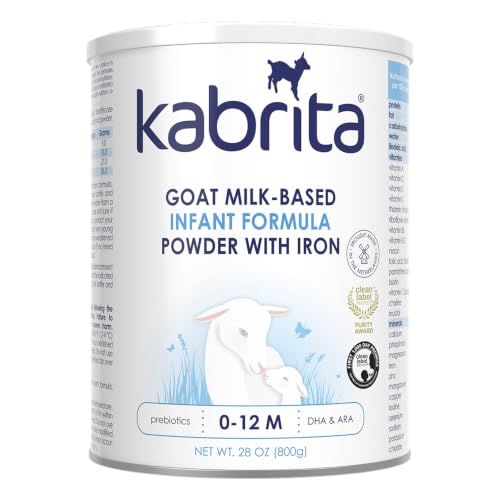
Kabrita Goat Milk Formula 28 oz
Why These Options Stand Out
Neocate Syneo Junior serves children age one and older, placing it beyond the infant-stage options in this roundup. Its protein comes entirely from amino acids, the building blocks of protein, rather than intact milk proteins. That makes it the most purpose-built choice here for the dietary management of cow milk allergy and related gastrointestinal conditions.
For an older child moving beyond infancy, the neutral, unflavored profile may also simplify acceptance. Unlike Pepticate, which uses extensively hydrolyzed milk proteins, Neocate relies on amino acids and adds prebiotic fibers plus probiotics. The tradeoff is a narrower age range and a powder specifically intended for toddlers and older children.
A Few Highlights
- Provides age-appropriate nutrition for toddlers, older children, and teens.
- Uses amino acids as the entire protein source, avoiding intact dairy proteins.
- Combines prebiotic fibers and probiotics in an amino-acid-based formula.
- Contains no artificial colors, flavors, or sweeteners.
- The unflavored option suits families prioritizing a neutral taste.
Practical Considerations
- Its age guidance starts at one year, so it does not fit newborn feeding plans.
- Your child’s care team should confirm that an amino-acid formula matches the prescribed allergy management plan.
Key Specs
Made For Older Little Ones
You’ll find the strongest fit with a child age one or older whose care plan calls for an amino-acid-based formula.
Another Choice May Suit
Pepticate Hypoallergenic Formula suits babies from birth through 12 months whose plan calls for an extensively hydrolyzed formula.
Pepticate is intended for infants from birth through 12 months, making it a more practical first stop for a newborn with a cow milk allergy plan. It uses extensively hydrolyzed formula, meaning the cow milk proteins are broken into smaller peptide fragments. You still need guidance from your child’s care team before using it as the sole source of nutrition.
That hydrolyzed approach places Pepticate between conventional cow milk formula and Neocate’s amino-acid formula. It also adds DHA, ARA, nucleotides, and a GOS/FOS prebiotic fiber blend. The 13.2-ounce container is smaller than the Happy Baby cans, so you may reorder more often, especially during the early weeks of formula feeding.
Benefits That Matter
- Covers the full newborn-to-12-month feeding range.
- Uses smaller milk-protein fragments through extensive hydrolysis.
- Adds DHA, ARA, nucleotides, and GOS/FOS prebiotic fibers.
- Mixes in standard household bottles for home and travel preparation.
Small Caveats
- The 13.2-ounce size may run out quickly during frequent bottle feeding.
- It remains an infant formula and is not intended for toddlers beyond 12 months.
Who It Suits Best
This formula fits infants from birth to 12 months whose clinician has selected an extensively hydrolyzed option.
Look Elsewhere When
Happy Baby Stage 1 A2 Formula may suit a newborn without a milk-allergy diagnosis who needs an organic Stage 1 formula.
Happy Baby Stage 1 A2 Formula serves babies from birth through 12 months and emphasizes organic sourcing, prebiotics, probiotics, and DHA. A2 refers to a specific type of milk protein, and the formula is made in Europe. It is a practical fit for a baby who does not require a milk-allergy formula but whose family wants an organic option with a detailed nutrient profile.
Unlike Pepticate, this formula is not extensively hydrolyzed, and it does not use amino acids as its protein source. That distinction matters because A2 milk by itself does not make a formula appropriate for a diagnosed cow milk allergy. For ordinary Stage 1 feeding, though, the probiotics and prebiotic blend give this option a clear identity beyond the A2 label.
The Case For It
- Designed for the complete Stage 1 feeding period.
- Combines probiotics with prebiotic fibers in an organic formula.
- Adds DHA at a level described as comparable to levels found in human milk.
- Manufactured in Europe with organic ingredients.
- The 22.9-ounce can offers useful capacity for routine bottle preparation.
Points To Note
- A2 milk is not a substitute for the protein structure required in a milk-allergy plan.
- The single-can pack may be less convenient than a multipack once regular replenishment begins.
- Stage 1 becomes age-inappropriate once your baby moves into the next feeding stage.
At A Glance
The Right Fit
You’ll find this formula most useful for a newborn without a cow milk allergy who needs an organic Stage 1 option.
Swap It Out When
Pepticate Hypoallergenic Formula is the more relevant choice for an infant whose plan requires extensively hydrolyzed protein.
Happy Baby Organic Stage 2 Formula takes over at six months, adjusting selected nutrient levels to reflect a baby’s changing feeding needs. Compared with Happy Baby Stage 1 A2 Formula, it raises the levels of calcium, iron, phosphorus, iodine, and selenium. That age-specific design makes it the logical choice once your baby has crossed the six-month mark.
The prebiotic and probiotic blend continues from the Stage 1 formula, while DHA remains part of the composition. You’ll need adequate cupboard and refrigerator space for three 22.9-ounce cans, and any open container must still be stored and used according to the package directions. As with the Stage 1 option, this is not a substitute for a specialized milk-allergy formula.
Useful Highlights
- Matches the feeding stage for babies from six to 12 months.
- Adjusts calcium, iron, phosphorus, iodine, and selenium from Stage 1 levels.
- Continues the formula’s prebiotic and probiotic blend.
- The three-can pack supports a household’s regular formula supply.
Things To Weigh
- The multipack requires more storage than a single-can purchase.
- Its age range makes it unsuitable for the newborn period.
Built With In Mind
This Stage 2 formula fits families feeding an organic formula to a baby aged six through 12 months.
Where A Sibling Pick Shines
Happy Baby Stage 1 A2 Formula is the more suitable option during the earlier newborn feeding period.
Kabrita uses goat milk for healthy infants from birth through 12 months, giving it a different position from the allergy-specific formulas in this list. The protein is naturally A2, and the manufacturer positions the formula for gentle digestion. You may find that distinction appealing when you specifically want a goat milk-based European formula rather than a cow milk product.
The 28-ounce container also holds more formula than Pepticate’s 13.2-ounce tub, which can simplify replenishment. Goat milk protein remains milk protein, however, so Kabrita should not be treated as equivalent to an extensively hydrolyzed or amino-acid formula. Your pediatrician needs to decide whether it fits your baby’s diagnosis and feeding plan.
Everyday Wins
- Uses goat milk with naturally occurring A2 protein.
- Covers the newborn-to-12-month feeding range.
- Made in Europe and labeled as a non-GMO powder formula.
- The 28-ounce container supports routine bottle preparation.
Trade Offs
- Goat milk protein is not an alternative to extensively hydrolyzed or amino-acid protein.
- Its gentle-digestion positioning does not make it a formula for every diagnosed milk allergy.
- You need care-team guidance before treating it as part of an allergy management plan.
Quick Facts
Whose Shelf It Belongs On
Kabrita fits a family seeking goat milk formula for a healthy infant without a specialized allergy prescription.
Reach For A Different Pick When
Pepticate Hypoallergenic Formula is more relevant for an infant with diagnosed cow milk allergy.
Start With the Medical Fit
Protein type comes before packaging, flavor, or promotional claims. An amino-acid formula such as Neocate Syneo Junior and an extensively hydrolyzed formula such as Pepticate serve different purposes within a cow milk allergy plan. A2 milk and goat milk formulas should not be assumed to provide the same approach, so your pediatrician’s guidance matters most.
Read the Age Range
Every formula has an intended age stage, and moving to the next stage too soon can change the nutrient balance. Pepticate and both Happy Baby options cover infancy, while Neocate Syneo Junior starts at age one. Check the age printed on the container against your baby’s current feeding stage before ordering.
Match the Protein Structure
Extensively hydrolyzed formulas break cow milk proteins into smaller peptides, while amino-acid formulas build protein from individual amino acids. Those are distinct formulations with different uses. The A2 designation in Happy Baby Stage 1 and the goat milk base in Kabrita should be evaluated separately from either allergy-specific approach.
Plan for Storage and Mixing
Powder formula requires accurate measurement, safe preparation, and appropriate storage. A smaller 13.2-ounce Pepticate tub may need more frequent replenishment, while the Happy Baby Stage 2 three-pack demands more shelf space. A 28-ounce Kabrita container sits between those practical considerations.
Why Cost And Label Claims Need Context
Pitfalls Shoppers Hit
A formula labeled for sensitive digestion is not automatically designed for milk allergy. Read the protein source, age range, and preparation instructions, and avoid assuming that “A2,” “goat milk,” or “probiotic” replaces individualized medical guidance.
What The Higher Tier Buys
Cost differences often reflect protein processing, added nutrient components, packaging, and production standards. The added expense is worthwhile only when the formula’s composition matches your baby’s age, allergy plan, and feeding routine.
Frequently Asked Questions
How do you choose a formula for a baby with milk allergy?
Start with your baby’s diagnosis, age, and the protein type specified by the pediatrician. Compare that guidance with the age range and protein structure on each formula’s label.
Is goat milk formula suitable for cow milk allergy?
Goat milk formula contains milk protein and should not be treated as equivalent to extensively hydrolyzed or amino-acid formula. Your baby’s care team needs to confirm its suitability.
Are A2 formulas the same as hypoallergenic formulas?
No. A2 describes a type of milk protein, while hypoallergenic formulas may use extensively hydrolyzed proteins or amino acids according to the intended dietary management plan.
When is Neocate Syneo Junior appropriate?
Neocate Syneo Junior is intended for children age one and older. It uses amino acids as its protein source and includes prebiotic fibers and probiotics.
Should Stage 1 or Stage 2 formula be used?
Stage 1 fits the newborn feeding period, while Stage 2 is intended for babies from six to 12 months. Your baby’s age and development determine the appropriate stage, with guidance from the pediatrician.
Final Thoughts
Pepticate and Neocate address milk-allergy needs at different ages and through different protein structures, making them the two most specialized options here. Happy Baby Stage 1 and Stage 2 serve babies without that specialized requirement, while Kabrita caters to families seeking goat milk. Match the formula to the medical plan first, then let age, packaging, storage, and taste complete the decision.
