

A fussy baby can leave you sorting through feeding choices during an already tiring day. The right formula depends less on a marketing label than on your baby’s age, digestion, feeding plan, and any allergy concerns your pediatrician has identified. These six options cover combination feeding, hydrolyzed nutrition, A2 and goat milk formulas, stage-specific nutrition, and brain-development ingredients.
A Quick View Of The Lineup
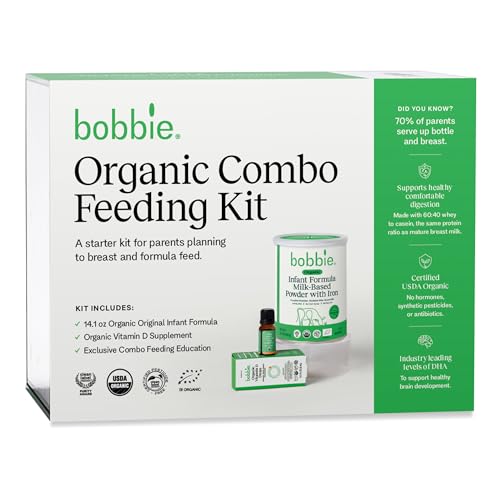
Bobbie Organic Formula & Drops Kit

Pepticate Hypoallergenic Formula

Happy Baby Stage 1 A2 Formula

Happy Baby Stage 2 Organic Formula 3-Pack

Enfamil NeuroPro DHA & MFGM Formula
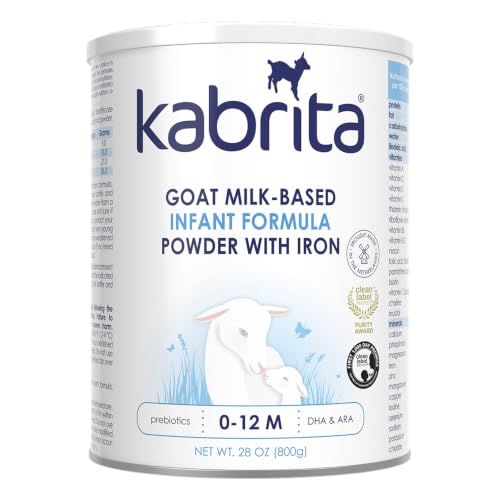
Kabrita Goat Milk Infant Formula
More On The Choices That Made The List
Combination feeding gets easier when the bottle powder and vitamin D drops arrive in one package. The Bobbie kit contains 14.1 ounces of Original Infant Formula and 0.3 fluid ounces of Vitamin D Drops, so you can keep both items together instead of tracking separate orders.
The formula includes DHA, iron, choline, and vitamin D, while the drops list 400 IU across three drops for breastfed infants. That combination may suit you well during a mixed-feeding routine, although your baby’s exact vitamin D plan still deserves confirmation with the pediatrician.
Key Advantages
- The bundled format reduces the chance of running out of either formula or drops during a mixed-feeding stretch.
- Organic formula and separate drops give you flexibility rather than locking you into one feeding method.
- Drop packaging spreads the listed 400 IU amount over three drops, which helps prevent an accidental extra drop from doubling the amount.
- The formula provides familiar nutrition components, including DHA, iron, choline, and vitamin D.
Practical Considerations
- The drops are intended for breastfed infants, so confirm the need for supplementation with your baby’s clinician.
- The kit contains one 14.1-ounce formula can, which may require another package sooner than a larger single formula purchase.
Quick Facts
Who It Suits Best
You are combining breastfeeding and formula feeding and want formula and vitamin D drops organized in one purchase.
Look Elsewhere When
Pepticate Hypoallergenic Formula is a closer fit when your baby has a diagnosed cow milk allergy requiring an extensively hydrolyzed formula.
Pepticate takes a much more targeted approach than the Bobbie combo kit. Its extensively hydrolyzed formula breaks cow milk proteins into smaller fragments, making it a specialist option for infants with a diagnosed cow milk allergy rather than a general fussiness remedy.
The formula also brings DHA, ARA, nucleotides, and a GOS/FOS prebiotic blend. GOS and FOS are fermentable fibers that support certain gut bacteria, which gives this option a more specialized profile than a standard organic formula with only prebiotics.
Useful Touches
- Extensively hydrolyzed proteins give you a focused formula option for a diagnosed cow milk allergy.
- GOS and FOS prebiotics add a fiber blend not found in every extensively hydrolyzed formula.
- DHA and ARA round out the formula with the types of fatty acids commonly discussed in infant nutrition.
- The powder mixes in standard bottles at home or while traveling, which keeps preparation familiar.
Trade Offs
- This formula is intended for use from birth through 12 months under healthcare professional supervision.
- A hydrolyzed formula is a specific allergy-management choice, so it should not be selected solely because your baby seems fussy.
Made For
You are managing a diagnosed cow milk allergy and your pediatrician has recommended an extensively hydrolyzed formula.
Another Choice May Suit
Happy Baby Stage 1 A2 Formula better fits a healthy newborn who has no diagnosed cow milk allergy and whose priority is prebiotic and probiotic support.
Happy Baby Stage 1 A2 Formula stands apart through its combined probiotic and prebiotic blend, which Pepticate does not offer in the same way. That combination makes it a sensible option for a healthy newborn whose parents are paying close attention to stool consistency and digestive routines.
The A2 designation identifies the type of milk protein used, while the formula also supplies DHA and is produced under USDA Organic standards. In a practical sense, this may appeal to you when you want several feeding-related features in one can without moving into a hydrolyzed allergy formula.
What Makes Sense
- Probiotics and prebiotics offer a more complete gut-supporting profile than formulas containing only prebiotics.
- The 22.9-ounce single pack fits a straightforward newborn starter purchase.
- A2 milk provides a distinct protein choice for families specifically seeking that format.
- DHA levels are positioned around those found in breast milk, according to the listed product details.
Points To Note
- Stage 1 is intended for infants from birth through 12 months, so check the label against your baby’s age.
- A2 protein does not make the formula a substitute for a clinician-directed hydrolyzed formula.
The Details
Right Fit For
You have a newborn without a diagnosed milk allergy and want an organic formula featuring both probiotics and prebiotics.
Swap It Out When
Pepticate Hypoallergenic Formula is the more relevant choice when your baby has a confirmed cow milk allergy.
Stage 2 continues Happy Baby’s probiotic and prebiotic approach while adjusting nutrients for babies at least six months old. Compared with Stage 1, it lists higher levels of calcium, iron, phosphorus, iodine, and selenium, giving the feeding change a clear age-based purpose.
The three-pack format may suit households that already recognize the brand and want fewer restocking interruptions. The tradeoff is storage: three 22.9-ounce cans need considerably more room than the single-can Happy Baby Stage 1 format.
Real Benefits
- Higher mineral levels make this the more age-appropriate choice once your baby reaches six months.
- Three cans provide useful continuity for regular formula feeding.
- The probiotic and prebiotic blend remains a meaningful difference from standard formulas.
- Organic production and European manufacturing give the formula a well-defined sourcing profile.
A Few Limitations
- Three 22.9-ounce cans require more pantry space than a single-can purchase.
- The formula is intended for ages six through 12 months and does not apply to the Stage 1 feeding period.
Feature Snapshot
Who Will Love This
Your baby is at least six months old, you already favor Happy Baby’s formula profile, and pantry space is not a concern.
Where Another Pick Suits Better
Happy Baby Stage 1 A2 Formula better serves you during the first year and avoids committing to a three-can multipack.
Enfamil NeuroPro has a different center of gravity from the Happy Baby options. Rather than emphasizing probiotics and prebiotics, it pairs DHA with MFGM components, concentrating your attention on the nutritional profile associated with brain and communication development.
MFGM means milk fat globule membrane, a source of membrane components found in milk fat. The 20.7-ounce powder format may suit you when those ingredients are your main reason for choosing a formula, though preparation adds a measuring and mixing step to every bottle.
Standout Benefits
- DHA and MFGM components create a clear brain-development focus for your feeding routine.
- The formulation draws on decades of research into human milk, according to the listed product information.
- Enfamil offers ready-to-feed and powder formats across the range, although this selection is the powder version.
Worth Noting
- This 20.7-ounce package is powder, so you need to account for measuring and mixing during preparation.
- The ingredient emphasis centers on DHA and MFGM rather than the digestive-support profile offered by Happy Baby.
Best Suited To
You want DHA and MFGM to guide your formula choice and prefer powder over ready-to-feed formula.
Consider Something Else When
Happy Baby Stage 1 A2 Formula is a stronger match when probiotics, prebiotics, and A2 protein matter more to you.
Kabrita offers a different base from the cow milk formulas in this lineup. Its goat milk formula uses naturally occurring A2 protein and is designed for healthy infants from birth through 12 months, making it worth considering when goat milk is specifically part of your feeding plan.
The 28-ounce can also gives you a straightforward quantity to compare with the 22.9-ounce Happy Baby cans and the larger Bobbie package. Goat milk is still animal milk, so this option belongs in the conversation with your pediatrician rather than in an allergy-related self-selection.
Strong Points
- A2 goat milk provides a distinct protein base for families specifically considering goat milk formula.
- The 28-ounce package offers a useful middle ground between smaller specialty cans and multipacks.
- The European formula is designed for healthy infants throughout the first year.
Where It May Fall Short
- Goat milk formula is not the same as an extensively hydrolyzed formula for a diagnosed cow milk allergy.
- Your pediatrician should guide the move from cow milk formula to goat milk, particularly for a newborn with feeding concerns.
Essential Details
The Right Fit
You have a healthy infant, want goat milk with A2 protein, and are comparing a 28-ounce package.
A Better Fit Elsewhere
Pepticate Hypoallergenic Formula is the more suitable option for an infant with diagnosed cow milk allergy.
What Matters Before You Change Your Baby’s Formula
Your baby’s age sets the first boundary. Stage 1 formulas suit the first year, while Happy Baby Stage 2 is designed for ages six through 12 months. Moving to the wrong stage can leave you with nutrient levels intended for a different developmental period.
A diagnosed milk allergy changes the decision in a more specific way. Pepticate uses extensively hydrolyzed proteins, while the other choices use conventional cow milk or goat milk proteins. Your pediatrician can help determine whether that level of modification is appropriate rather than treating fussiness as proof of an allergy.
Combination feeding introduces another practical layer. Bobbie pairs formula with vitamin D drops, while Enfamil’s powder requires more preparation than a ready-to-feed format. Consider preparation time, storage space, and how often you already handle supplements.
Where The Money And Ingredients Add Up
Mistakes Worth Dodging
Do not choose formula from a single ingredient headline. A2, goat milk, probiotics, prebiotics, DHA, and MFGM each serve different purposes, and none automatically explains every instance of fussiness. Read the age range, preparation method, and full ingredient panel before deciding.
What The Higher Tier Buys
Cost differences often reflect specialized processing, imported production, certification requirements, added nutrients, or multipack convenience. The upgrade is most useful when it directly matches your baby’s needs, such as a hydrolyzed formula selected with clinical guidance.
Frequently Asked Questions
Which formula is best for a fussy baby?
There is no single formula that suits every fussy baby. Age, diagnosed allergies, digestion, and your feeding routine matter more than a general product label.
Does a fussy baby need hydrolyzed formula?
A hydrolyzed formula may be appropriate when a clinician identifies a cow milk allergy, but fussiness alone is not enough to select one. Ask your pediatrician to assess persistent symptoms.
Is A2 or goat milk formula easier to digest?
Your baby may respond better to one protein format than another, but individual tolerance varies. A2 and goat milk formulas also differ from extensively hydrolyzed options, so allergy concerns deserve separate attention.
Should I give vitamin D drops with formula?
Vitamin D supplementation depends on your baby’s feeding method and nutritional intake. Confirm the appropriate product and amount with the pediatrician, especially when combining breast milk and formula.
How do I switch baby formula safely?
Change only one formula at a time so you can tell how your baby responds. Share the proposed switch and any symptoms with the pediatrician before making several changes together.
Final Take
The right choice comes down to your baby’s stage, diagnosis, and daily routine. Pepticate serves a specific cow milk allergy need, Happy Baby emphasizes gut-supporting ingredients, Bobbie simplifies combination feeding, and Kabrita offers goat milk with A2 protein. Start with the closest match to your baby’s needs and confirm any transition with the pediatrician.
