

Moving from breast milk to formula can turn familiar feeding routines into a series of small decisions. Some families need a gentle infant formula for fussiness or reduced lactose, while others want to support milk supply during a gradual transition. These options cover different stages and priorities, so the right match depends on your baby’s age, feeding needs, and your approach to weaning.
The Leading Options At A Glance

Enfamil NeuroPro Gentlease Formula, 19.5 Oz
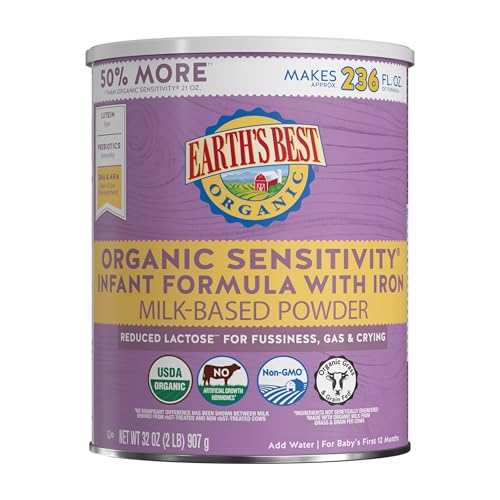
Earth’s Best Organic Sensitivity Formula, 32 oz

Best Naturals Blessed Thistle Capsules, 250 Count

Enfamil NeuroPro DHA & MFGM Formula, 20.7 Oz
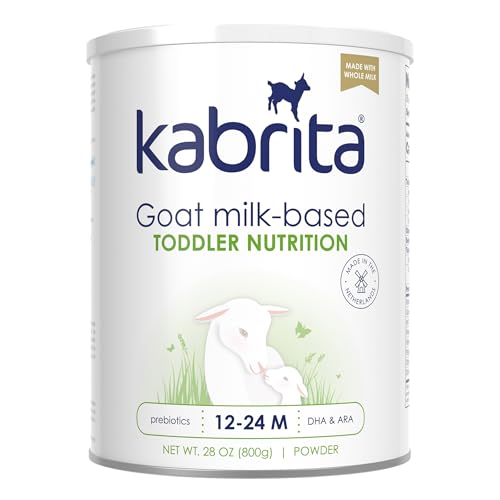
Kabrita Goat Milk Toddler Drink, 28 oz

Best Naturals Brewers Yeast Powder, 16 oz
The Strengths Of Each Pick
A baby who seems comfortable during breast milk feeds may become unsettled once formula enters the routine. Enfamil NeuroPro Gentlease addresses that specific transition with a formula designed around fussiness, crying, gas, spit-up, and a 24-hour comfort goal.
Unlike Earth’s Best Organic Sensitivity, which centers on reduced lactose, this formula uses smaller, broken-down proteins and prebiotics, fibers that support beneficial gut bacteria. That makes it a focused option for families prioritizing digestive comfort, though the honest read is that no formula suits every baby.
Noteworthy Benefits
- Targets several common sources of feeding discomfort in one formula.
- Smaller proteins are designed for easier digestion by sensitive stomachs.
- PDX and GOS prebiotics support softer, more regular stools.
- DHA and choline provide nutrients associated with brain development.
Trade-Offs To Consider
- This is infant formula for ages 0 to 12 months, not a toddler drink.
- The 19.5-ounce container may require more frequent replenishment than larger containers.
Key Specs
Who It Suits Best
This formula suits parents of infants who show gas, spit-up, or fussiness during early formula transitions.
Where Another Pick Suits Better
Earth’s Best Organic Sensitivity Formula, 32 oz fits families specifically seeking reduced lactose and organic milk ingredients.
Reduced lactose can be a practical starting point for an infant who reacts poorly to standard milk-based formula. Earth’s Best Organic Sensitivity uses reduced-lactose powdered formula with iron, DHA, ARA, lutein, and prebiotics, giving families several nutritional features to consider during a staged transition.
The 32-ounce container produces approximately 236 fluid ounces when prepared correctly, which may simplify regular bottle preparation. Nothing flashy, just a clearly positioned formula for sensitive stomachs and families supplementing or replacing breast milk during the first year.
A Few Strong Suits
- Reduced lactose addresses a more specific feeding concern.
- Organic milk comes from grass- and grain-fed cows.
- Iron, DHA, ARA, and lutein round out the nutrient profile.
Points To Note
- Reduced lactose is not the same as a prescription formula for a diagnosed medical condition.
- The container is powder, so correct water-to-powder measurements matter.
- Consult your baby’s clinician before making a major milk-source change.
Feature Snapshot
Right Fit For
This option fits parents seeking an organic, reduced-lactose formula for an infant with feeding fussiness or upset digestion.
Consider Something Else When
Enfamil NeuroPro Gentlease Formula, 19.5 Oz better targets fussiness, gas, and spit-up with its 24-hour comfort design.
Some feeding transitions include a goal of supporting milk supply while breast milk decreases gradually. Best Naturals Blessed Thistle provides 800 milligrams of blessed thistle per serving in a capsule format, making it a different kind of option from the powdered formulas in this list.
The bottle contains 250 capsules and uses a simple ingredient list without artificial colors, flavors, sweeteners, preservatives, sugar, milk, soy, egg, or gluten. That straightforward approach may suit people who prefer a capsule over measuring powder, although a supplement does not replace infant formula or replace individualized clinical advice.
Where It Delivers
- Provides 800 mg of blessed thistle per labeled serving.
- The 250-count bottle offers a long, easy-to-store capsule format.
Small Caveats
- Check the serving directions and any health conditions or medications with your clinician before adding a supplement.
Made For
This capsule option suits breastfeeding parents seeking a simple lactation supplement while planning a gradual breast milk transition.
A Better Fit Elsewhere
Best Naturals Brewers Yeast Powder, 16 oz offers a powdered format for people who prefer adding serving-sized powder to foods or drinks.
Formula transitions often prompt parents to examine brain-supporting nutrients as closely as digestive comfort. Enfamil NeuroPro pairs DHA with MFGM components. MFGM means milk fat globule membrane, a group of milk-derived components associated with infant development.
Compared with Gentlease, this formula is less specifically positioned around gas and spit-up. Its clearer emphasis is DHA and MFGM during the first year, which makes it a more straightforward choice for families focused on developmental ingredients rather than a particular digestive complaint.
Bright Spots
- DHA supports healthy brain development during infancy.
- MFGM components add a distinct developmental ingredient focus.
- The powder format gives you control over preparation.
- It provides a straightforward alternative to breast milk without a digestive-comfort claim.
- Ready-to-feed versions exist in the broader range, though this item is powder.
Worth Noting
- This option is not specifically designed for fussiness, gas, or spit-up.
- Accurate measurement is essential when preparing powdered infant formula.
Quick Facts
Who Will Love This
This formula suits families who prioritize DHA and MFGM while moving an infant from breast milk to a powdered formula.
Look Elsewhere When
Earth’s Best Organic Sensitivity Formula, 32 oz better addresses reduced lactose and a sensitive-stomach focus.
A toddler’s move from breast milk often coincides with a broader change in milk sources. Kabrita is made for ages 12 to 24 months, placing it beyond the infant-formula stage covered by the Enfamil and Earth’s Best options in this list.
Its goat milk base is positioned as gentler on digestion than cow’s milk, which may appeal to families managing a fussier toddler. Every batch also undergoes more than 300 independent checks covering heavy metals, pesticides, antibiotics, and plasticizers, adding a clear quality-control focus.
Points In Its Favor
- Goat milk provides an alternative to cow’s-milk-based drinks.
- The formula is designed specifically for toddlers aged 12 to 24 months.
- More than 300 independent batch checks support its quality-control approach.
Practical Considerations
- This is a toddler drink, not a replacement for infant formula during the first year.
- Choose the listed package quantity based on your storage space and consumption rate.
- It is made without GMOs, corn syrup, antibiotics, or growth hormones.
Built With In Mind
This option suits parents of toddlers aged 12 to 24 months seeking a goat-milk-based drink during a later stage of milk transition.
Another Choice May Suit
Enfamil NeuroPro DHA & MFGM Formula, 20.7 Oz better serves families whose child is still within the infant-formula stage.
Powdered supplements can fit neatly into a gradual transition because they allow flexible, serving-based use. Best Naturals Brewers Yeast provides 30 grams per serving and comes as a two-pack of 16-ounce containers for families interested in lactation-oriented nutrition support.
The useful part is convenience: the powder can be portioned according to its label and added to an appropriate food or drink. It remains a supplement rather than infant formula, so its role in a breastfeeding plan should be discussed with a qualified clinician.
Why It Works Well
- Each listed serving contains 30 grams of powder.
- The two-pack supports keeping portions on hand separately.
- Third-party laboratory verification supports the purity-focused positioning.
- Made without artificial colors, flavors, sweeteners, preservatives, or sugar.
Factors To Consider
- Confirm the serving size and preparation instructions on the package before use.
- This powder supports a breastfeeding routine but does not replace infant formula or a balanced diet.
Technical Highlights
The Right Fit
This powder suits breastfeeding parents who want a flexible lactation supplement while gradually reducing direct breast milk feeds.
Reach For A Different Pick When
Best Naturals Blessed Thistle Capsules, 250 Count better fits people who prefer capsules and want a simpler serving routine.
What Matters Before A Breast Milk Transition
Start with your baby’s age. Formulas designed for infants from birth through 12 months differ from toddler drinks intended for ages 12 to 24 months. A toddler goat-milk drink cannot take the place of an appropriately staged infant formula.
Next, match the formula to the concern prompting the change. Enfamil NeuroPro Gentlease focuses on fussiness, gas, spit-up, and digestion. Earth’s Best Organic Sensitivity centers on reduced lactose and sensitive digestion. Enfamil NeuroPro DHA & MFGM emphasizes developmental ingredients instead.
Preparation accuracy deserves equal attention throughout the transition. Use the exact water-to-powder ratio printed on the can, measure consistently, and follow storage directions after preparation. A gradual feeding schedule can also make the change easier to manage, but your baby’s clinician can help set an appropriate pace.
Supplements such as blessed thistle or brewer’s yeast serve a different purpose from infant formula. Speak with a qualified healthcare professional before adding them, particularly while breastfeeding, managing a health condition, or using other medications.
A Smooth Start Matters More Than Speed
Some babies accept a new bottle immediately, while others need several days of familiar and new feeds. Watch your baby’s response rather than relying on a fixed timetable, and contact the pediatrician for persistent feeding difficulties, unusual symptoms, or concerns about intake.
Mistakes To Avoid During A Gradual Weaning
Common Shopping Slip Ups
Choosing by marketing language alone can hide a simple mismatch. Confirm the age range, milk base, lactose level, and preparation format before ordering. A supplement cannot replace infant formula, and a toddler drink cannot serve a baby under 12 months.
Why Paying More Sometimes Makes Sense
What The Higher Tier Buys
Higher-priced options may offer larger containers, more specialized ingredients, or added quality-control checks. Those extras matter most when they answer a specific feeding need, such as reduced lactose or DHA and MFGM, rather than simply adding another feature to the label.
Frequently Asked Questions
How Do You Transition From Breast Milk To Formula?
Introduce formula gradually and continue breast milk feeds as your baby tolerates the change. Your baby’s pediatrician can help determine a pace and formula type suited to your circumstances.
How Long Does The Transition Usually Take?
The duration varies with your baby and the approach you choose. Some babies adjust within several days, while others need a slower schedule that reduces breast milk feeds over several weeks.
Can You Mix Breast Milk And Formula In One Bottle?
Mixing can make it difficult to determine how much formula your baby consumed, and unused formula introduces storage considerations. Follow the formula’s preparation directions and ask your clinician about combining feeds.
Is Reduced-Lactose Formula The Right Choice?
Reduced-lactose formula may suit babies with fussiness or gas associated with ordinary cow’s-milk formula. A clinician should guide any formula chosen for a diagnosed digestive condition.
Do Lactation Supplements Replace Formula?
No. Lactation supplements are intended for breastfeeding nutrition and may support a transition plan, but they do not provide the complete infant nutrition required during the first year.
Final Verdict
The right choice depends on whether your baby needs digestive comfort, reduced lactose, developmental nutrients, or support during a gradual breastfeeding transition. Match every formula or supplement to the correct age stage, prepare it exactly as directed, and let your baby’s response guide the pace. A thoughtful transition can be unhurried and comfortable for both parent and baby.
