

A pillow that supports your hips during sleep can make a meaningful difference, especially when stiffness follows you from the sofa to the morning commute. The right shape keeps your knees and lower body positioned more evenly, while the wrong pillow can crowd your bed and leave you shifting for comfort. These options suit different needs, from pregnancy support and post-surgery elevation to neck alignment and full-length body hugging.
A Side-By-Side Look
Cushion Lab Extra Dense Orthopedic Knee Pillow for Hip Support

SQYZ Cooling Maternity Body Pillow

HOMBYS Leg Elevation Pillow with Two Cold Therapy Packs for Recovery
SleepCloud 6.5 lb Weighted Body Pillow
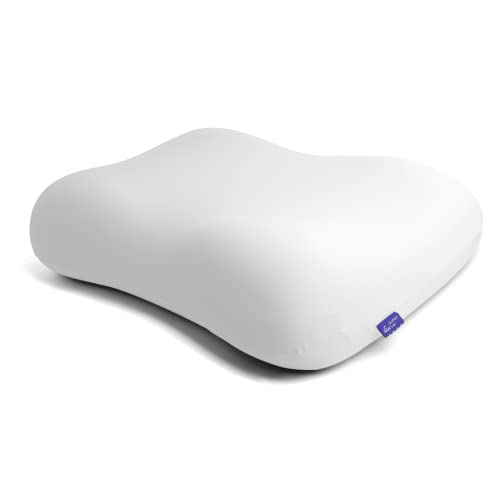
C CUSHION LAB Deep Sleep Ergonomic Contour Pillow, Calm Grey

IWS I WANNA SLEEP Ergonomic Knee Pillow

C CUSHION LAB Extra Dense Ergonomic Cervical Pillow with Organic Cotton
A Breakdown Of The Leading Choices
A pillow placed between your knees changes the geometry of your lower body while you sleep. This wedge keeps both legs elevated and relatively parallel, giving your hips and spine a more balanced position without taking over the bed.
For side sleepers who wake with stiff hips, that targeted placement feels more useful than a decorative cushion. The extra-dense memory foam, a material that slows and molds around pressure points, adds a firmer cushion than a loose blanket or ordinary bed pillow.
Bright Spots
- Holds both knees in a steady, elevated position.
- Supports a more even hip-to-spine alignment during side sleeping.
- Memory foam conforms gradually instead of feeling rigid.
- The removable cover is machine washable for simpler care.
Things To Consider
- Its wedge shape takes up meaningful bed space between your legs.
- Extra-dense foam feels firmer than a soft standard pillow.
Feature Snapshot
Right Fit
This option suits side sleepers, couples sharing a bed, and anyone who wants firm lower-body support without a full-length pillow.
A Better Fit Elsewhere
Pregnant sleepers gain more from the SQYZ Cooling Maternity Body Pillow because it supports the belly as well as the knees.
Hip discomfort during pregnancy often comes from several directions at once, including the weight of the abdomen and the difficulty of holding one position. This wedge handles those needs with a widening center section, cooling cover, and a shape that works for side sleeping, back support, or leg elevation.
Unlike the narrower Cushion Lab knee pillow, this design can sit beneath the belly and between the knees. Its 31.5-inch base extends to 37 inches, so its footprint also matters in a compact bedroom or a car seat.
Good Reasons To Consider
- Adjustable width accommodates changing body shapes.
- The hook-and-loop fastener keeps sections connected during repositioning.
- An icy-silk cover encourages airflow and moisture wicking.
- Multiple positions support the belly, back, and legs.
- Both pillow covers can go into a washing machine.
Practical Considerations
- Its expanded width needs more room than a simple knee pillow.
- The 2.6-pound weight is light for carrying but less supportive for resting both legs.
- The fixed wedge form may feel bulky on a narrow bed.
Key Product Details
Who Will Love This
Expectant and postpartum sleepers appreciate the combination of belly support, adjustable width, and a cooler sleeping surface.
Another Choice May Suit
Post-surgery recovery needs are better matched to the HOMBYS Leg Elevation Pillow with Two Cold Therapy Packs for Recovery.
After knee, hip, or ankle surgery, keeping the affected leg elevated can make resting more comfortable. This HOMBYS wedge creates a fixed slope and holds two removable gel packs against the leg, giving recovery setups a more organized place for cold or heat therapy.
The difference from the Cushion Lab knee pillow is purpose. The Cushion Lab separates both knees for alignment, while this model supports a single leg and keeps therapy packs from sliding onto the floor.
The Value In It
- Maintains a consistent elevation for one leg.
- Two straps keep reusable therapy packs positioned.
- The contoured shape follows the leg more closely than a plain box.
- A nonslip base stays in place on beds, sofas, or carpet.
Worth Noting
- It is designed for one leg rather than full-body side sleeping.
- The inner foam and gel packs must be removed before washing the cover.
- Its recovery-specific shape takes more room than a compact knee pillow.
Built With In Mind
People recovering at home from lower-leg surgery benefit from the combined elevation, secure therapy packs, and stable base.
Look Elsewhere When
Your main goal is everyday hip alignment without post-surgery accessories, making the IWS I WANNA SLEEP Ergonomic Knee Pillow the simpler option.
A full-length body pillow can ease the feeling of lying twisted on one side, but its size usually makes travel and storage less convenient. The SleepCloud offers a narrower alternative at 41 by 10 inches, with 6.5 pounds of distributed weight for hugging or placing behind your back.
For a small bedroom or a long flight, that slimmer footprint feels more manageable than a room-filling cushion. The cooling Tencel cover also makes more sense here than the busier wedge shapes used for targeted knee alignment.
The Case For It
- The 41-inch length supports hugging, back support, and side positioning.
- A 6.5-pound weight gives the pillow a settled feel without a bulky frame.
- The Tencel cover adds a smooth, cooler surface for warm nights.
Small Caveats
- This is a slim body pillow rather than a knee-separating wedge.
- Its 6.5-pound weight may feel substantial for some sleepers.
Quick Facts
Travel Ready
Travelers, students in compact rooms, and side sleepers who enjoy holding a pillow suit this compact weighted format.
Reach For A Different Pick
Side sleepers focused on keeping their knees and hips parallel will find more targeted support in the Cushion Lab Extra Dense Orthopedic Knee Pillow for Hip Support.
A pillow can ease hip discomfort indirectly by supporting the neck and shoulders, which reduces the need to twist or lean while lying on your side. This contour pillow is designed for that upper-body role, with a raised shape intended to cradle the head and keep the neck in a more natural line.
That makes it a companion to a hip-support setup rather than a replacement for one. Compared with the IWS I WANNA SLEEP knee pillow, it addresses the top of your body instead of the space between your knees.
The Good Stuff
- The contoured profile serves both side and back sleepers.
- Extra-dense foam provides a supportive rather than squishy feel.
- The shape keeps the head centered while supporting the neck.
- Its calm grey color suits understated bedroom decor.
Trade Offs
- It supports the head and neck rather than the hips directly.
- The firm contour may take time to feel comfortable.
The Right Fit
Side sleepers with neck and shoulder tension benefit from adding this pillow alongside a lower-body support cushion.
A Sibling Pick Shines
Your primary concern is lower-body alignment, so the IWS I WANNA SLEEP Ergonomic Knee Pillow addresses that area more directly.
Keeping your upper knee from crossing over the lower one can make side sleeping feel more settled, especially when your hips feel stiff after a long day. This IWS pillow uses a curved shape that fits between the knees and supports a straighter hip position.
The approach is more focused than the SleepCloud 6.5 lb Weighted Body Pillow, which is intended for hugging or back support. Here, the purpose is narrower and easier to understand: separate the knees and reduce lower-body twisting.
Notable Gains
- The orthopedic curve sits naturally between the knees.
- Its shape discourages leg rotation during side sleeping.
- The compact format works without the bulk of a full-length pillow.
Factors To Consider
- It does not support the belly or upper back.
- The curved profile may feel unusual during the first few nights.
Core Details
Made For In Mind
This pillow suits side sleepers who want a simple knee separator rather than a larger support system.
Consider Something Else
Pregnancy sleepers benefit more from the SQYZ Cooling Maternity Body Pillow because it accommodates the abdomen and changing body shape.
Side sleepers sometimes develop shoulder and neck tension because the head drops too far toward the mattress. This cervical pillow uses a head basin, neck ramp, and raised cheek area to create a more structured sleeping position, with extra-dense memory foam at the center.
It works much differently from the C CUSHION LAB Deep Sleep Ergonomic Contour Pillow, Calm Grey. That model handles broader head and neck support, while this version offers a firmer, more deliberately shaped cervical structure.
What It Does Well
- The central basin helps keep the head from drifting sideways.
- Its neck ramp supports a more natural head-to-spine line.
- Raised cheek support helps side sleepers maintain a suitable height.
- The organic cotton cover provides a natural-feeling outer layer.
Possible Compromises
- The extra-dense core has a notably firm feel.
- It addresses neck positioning rather than hip support directly.
Technical Highlights
Whose Shelf It Belongs On
Firm-pillow sleepers with neck tension benefit from this structured side-sleeping design, especially beside a separate knee-support pillow.
Swap It Out When
Your main concern is lower-body positioning, so the Cushion Lab Extra Dense Orthopedic Knee Pillow for Hip Support is the more direct choice.
What Matters Before You Choose Hip Support
Start With Your Sleeping Position
Side sleepers usually receive the most benefit from a knee pillow because it discourages the upper leg from crossing over the lower one. Back sleepers can still use a narrow wedge for symmetrical support, while combination sleepers may need a shape that works in more than one position.
Match the Pillow to the Area Needing Support
A knee-separating wedge targets the hips, pelvis, and lower back. A maternity pillow adds belly support, while a recovery wedge elevates one leg and accommodates therapy packs. A cervical pillow serves a different purpose by supporting the head, neck, and shoulders.
Check Size and Setup
Measure the space between your knees or the area available on your bed before choosing a long wedge. A broad maternity pillow needs more room than a compact knee separator. Check the care instructions too, especially for removable foam, covers, and cold or hot therapy packs.
Avoiding Common Support Mistakes
Mistakes Worth Dodging
Avoid choosing by color or shape alone. The useful decision comes down to your sleeping position, the body area needing support, and the space available on your bed. A body pillow for hugging does not replace a wedge that separates the knees.
What Separates Premium From Basic
Higher-cost positioning pillows often add specialized contours, denser foam, cooling fabrics, adjustable sections, or therapy accessories. Those extras matter when your sleep setup has a specific requirement, such as pregnancy support or post-surgery elevation.
Frequently Asked Questions for Body Pillow For Hip Pain
What type of pillow helps hip pain while sleeping?
A knee or leg pillow can help by keeping both legs parallel and reducing twisting through the hips and lower back. The Cushion Lab Extra Dense Orthopedic Knee Pillow for Hip Support provides the most direct placement for this purpose.
Should a body pillow go between the knees or under both legs?
A pillow between the knees is best for side-sleeping hip alignment. Placing it under both legs elevates them and may suit recovery or circulation-focused setups, particularly when a firm wedge is needed.
How much space does a hip support pillow need?
A compact knee wedge fits between your legs without taking over the mattress. Full-length and maternity pillows require more room, so check your bed width and the pillow’s stated dimensions before purchasing.
Can a hip pillow help with lower back discomfort?
A pillow that supports the legs can reduce twisting through the pelvis and lower back during sleep. It may feel most useful for side sleepers, though persistent discomfort deserves attention from a qualified healthcare professional.
Is a firm memory foam pillow better for hips?
Firm foam often stays in position and provides a stable surface between the knees. Softer foam can also work, so your comfort and sleeping position matter more than firmness alone.
Final Verdict
The Cushion Lab Extra Dense Orthopedic Knee Pillow for Hip Support is the most direct option for side-sleeping hip alignment, while the SQYZ model serves pregnancy needs and the HOMBYS wedge supports post-surgery recovery. Match the pillow to the exact body area, sleeping position, and available space for the most useful setup.
