

A parent dealing with frequent gas, fussiness, or uncomfortable-looking stools after bottles has plenty of formula choices but little room for guesswork. The differences that matter most include the milk protein type, stage, prebiotic and probiotic content, and whether your pediatrician has recommended a specific formulation. These picks help you compare six formulas based on their ingredients and intended age range, from newborn formula to Stage 2 and brain-development-focused options.
An Overview Of The Picks

Pure Bliss Irish Farms Infant Formula 24.7 oz

Happy Baby Organics Stage 1 Formula 21 oz

Happy Baby A2 Organic Formula 22.9 oz

Happy Baby Stage 2 Organic Formula

Enfamil NeuroPro Formula 20.7 oz
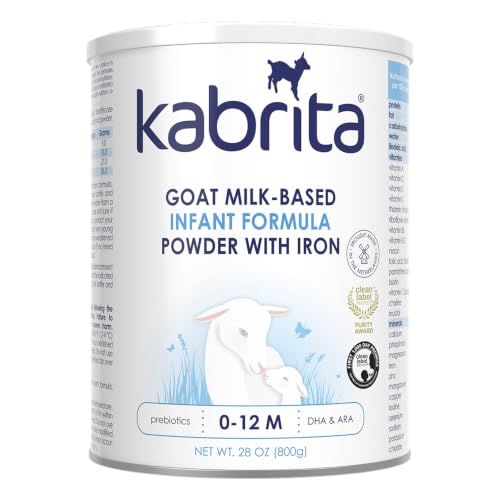
Kabrita Goat Milk Formula 28 oz
The Details Behind The Selections
Pure Bliss Irish Farms brings a simple angle to a gas-concern shopping list: fresh milk from Irish cows and a formula designed for babies from birth through 12 months. For a family starting with a standard cow-milk formula, the 24.7-ounce can gives you room to evaluate one can before deciding how it fits your routine. It is not a dairy-free formula, and its easy-to-digest positioning does not guarantee that every baby will respond comfortably.
Its ingredient profile is attractive to parents who want DHA and ARA, two long-chain fats commonly included to support brain and eye development. Compared with Happy Baby Organics Stage 1, this formula takes a more restrained route by omitting palm olein oil and corn syrup rather than centering the product around prebiotics. That makes it a sensible baseline option, particularly before adding another specialized formula attribute to the equation.
Why It Works Well
- Fresh milk from cows in Ireland provides a clear sourcing detail.
- DHA and ARA support the formula’s brain and eye positioning.
- No palm olein oil or corn syrup gives you useful label exclusions to compare.
- The 0-to-12-month range covers the full Stage 1 feeding period.
- The 24.7-ounce can works for families evaluating a smaller commitment first.
Worth Noting
- It contains cow-milk protein, so it does not suit a family seeking goat milk or an A2-focused formula.
- Gas concerns can relate to preparation, feeding pace, and digestion, not just the protein type, so follow the can directions carefully.
Key Specs
Right Fit For
You are starting a standard cow-milk formula and want a clear European milk source, DHA and ARA, and a simple age range for a newborn.
A Better Fit Elsewhere
Happy Baby A2 Organic Formula fits you better when A2 milk, probiotics, and prebiotics are the priorities you want to compare directly.
Happy Baby Organics Stage 1 puts prebiotics at the center of its approach. GOS and FOS are forms of fiber that mimic substances naturally found in breast milk, while organic lactose serves as the main carbohydrate. For a newborn who seems uncomfortable after feeding, that combination gives you a more specific reason to consider this formula than a general digestive claim alone.
The manufacturer states that the formula contains four times more prebiotics than most other organic infant formulas. You also get iron, vitamins, and minerals, with no corn syrup solids or carrageenan. Compared with Pure Bliss, this option offers a stronger prebiotic emphasis, although that distinction does not mean it will settle every instance of gas.
A Strong Showing
- GOS and FOS give you two recognizable prebiotic fibers to compare.
- Organic lactose is the main carbohydrate in the milk-based formula.
- Iron supports the nutritional profile for Stage 1 feeding.
- No corn syrup solids or carrageenan narrows the label comparison.
- The 21-ounce size works well for a first-can trial.
Minor Gripes
- This listing does not highlight live probiotics, which may matter in a direct comparison with Happy Baby A2.
- The smaller can may need more frequent reordering than the 28-ounce Kabrita container.
At A Glance
Who Will Love This
You want a newborn formula that emphasizes organic lactose and two prebiotics without taking on the A2 or goat-milk route.
Consider Something Else When
Happy Baby A2 Organic Formula suits you more closely when live probiotics and A2 milk are the features you want side by side.
Happy Baby A2 Organic Formula combines A2 milk with probiotics and prebiotics, making it the most feature-specific choice for parents comparing digestive ingredients. A2 describes the type of beta-casein protein in the milk; it does not mean the formula is dairy-free. The manufacturer also says its patented blend was studied for softer, more regular stools, a point worth discussing with your pediatrician rather than treating as a promise.
Made in Europe under USDA and EU organic standards, the formula adds DHA and adjusts key nutrient levels as babies grow. That gives it a broader design than the standard Happy Baby Organics Stage 1 option. You may find the A2 concept appealing, though the formula still contains milk and should not be confused with a plant-based or dairy-free choice.
Bright Spots
- Combines A2 milk, probiotics, and prebiotics in one Stage 1 formula.
- The manufacturer reports a studied blend for stool-related differences.
- DHA supports the formula’s brain and eye development positioning.
- Nutrient levels are tailored as babies move through Stage 1.
- European production provides a useful sourcing detail.
Practical Considerations
- A2 milk remains a dairy product, making it unsuitable for a dairy-free shopping list.
- The crowded ingredient profile may make it harder to identify which feature matters most to your family.
Built With In Mind
You are comparing A2 milk with live cultures and prebiotics for a newborn rather than shopping only by protein type.
Swap It Out When
Kabrita Goat Milk Formula fits you better when the deciding factor is a goat-milk base rather than A2 milk with added cultures.
Happy Baby Stage 2 is the relevant option once your baby reaches six months, not another newborn formula to place in the same basket. It retains the probiotics and prebiotics featured in the A2 Stage 1 offering, but its nutrient profile is adjusted for the next stage. That age-specific design matters because a formula should match both feeding period and the changing needs that come with it.
The three-pack also reduces the need for frequent container orders, although it creates more storage space to consider. Compared with Enfamil NeuroPro, this formula puts gut-focused ingredients and stage-adjusted minerals at the front of the label. DHA meets European requirements, while calcium, iron, phosphorus, iodine, and selenium are higher than in the Stage 1 formula.
Benefits That Matter
- Designed for babies from six through 12 months.
- Probiotics and prebiotics preserve a gut-focused ingredient profile.
- Higher mineral levels separate it from Stage 1.
- The three-pack reduces replenishment frequency.
- European production and organic standards provide clear sourcing details.
Honest Caveats
- The three-pack requires enough cabinet space to store the containers safely.
- It is not suitable for a newborn who still needs Stage 1 formula.
Feature Snapshot
The Right Fit
Your baby is at least six months old, and you want prebiotics, probiotics, and age-adjusted nutrients in an organic Stage 2 formula.
Another Choice May Suit
Enfamil NeuroPro Formula suits you more closely when DHA and MFGM components matter more to your family than prebiotics and probiotics.
Enfamil NeuroPro approaches formula selection through brain development rather than a prebiotic-led digestive profile. Its powder combines MFGM components with DHA, two components also found in breast milk. That makes it worth considering when your pediatrician has recommended NeuroPro or you specifically want MFGM in the ingredient list, especially alongside a standard cow-milk formula.
The manufacturer says feeding NeuroPro during the first year supports cognitive, motor, and communication development through age five. That is a specific long-range claim tied to early feeding, not a prediction about any individual child. Compared with the Happy Baby A2 Organic Formula, the trade-off is clearer: you gain a distinct brain-development feature set but lose the formula’s A2 milk, probiotics, and prebiotic emphasis.
A Few Strong Suits
- Combines MFGM components with DHA in one powder formula.
- The ingredient profile supports a brain-development-first shopping approach.
- Powder format allows you to prepare bottles in the quantity you need.
- You can compare it directly with Happy Baby A2’s gut-focused feature set.
Points To Keep In Mind
- Probiotics and prebiotics are not the defining features highlighted for this formula.
- The 20.7-ounce can is smaller than the 28-ounce Kabrita container, so compare your storage and replenishment routine.
Whose Shelf It Belongs On
You want a cow-milk formula whose defining benefit is MFGM plus DHA rather than A2 protein, prebiotics, or probiotics.
Where A Sibling Pick Shines
Happy Baby A2 Organic Formula fits your priorities better when digestive ingredients and A2 milk are the main reasons for switching.
Kabrita changes the basic variable in the comparison by using goat milk rather than cow milk. Its formula is designed for babies from birth through 12 months, and the manufacturer highlights the naturally gentle A2 protein profile of goat milk. That makes it a practical option for a family specifically looking for goat milk after deciding that cow-milk or A2 cow-milk options do not fit.
The 28-ounce container offers more formula than the 21-ounce Happy Baby Organics Stage 1 can, which may suit households with room for larger storage. Kabrita is still an animal-milk formula, and its “gentle digestion” positioning does not make it suitable for a milk-protein allergy. Unlike Happy Baby A2, it does not present probiotics and prebiotics as its central features, so your preferred distinction is the milk species.
Advantages To Know
- Goat milk creates a clear alternative to cow-milk formulas.
- A2 protein provides the formula’s main protein-based distinction.
- The 0-to-12-month range suits newborn feeding plans.
- The 28-ounce container offers useful storage volume.
- European production and a non-GMO designation are clear label details.
Trade Offs
- Goat milk remains dairy, making it unsuitable for a dairy-free requirement.
- Live cultures and prebiotics are not the defining attributes highlighted for this formula.
Quick Facts
Who Should Grab It
You specifically want a newborn goat-milk formula with A2 protein and can provide the appropriate supervision for any suspected milk reaction.
Look Elsewhere When
Happy Baby A2 Organic Formula suits you better when you want A2 cow milk with probiotics and prebiotics in the same Stage 1 formula.
How to Build a Formula Shortlist for Gas Concerns
Match the Stage First
The stage takes priority over any digestive marketing language. Stage 1 formulas are intended for the beginning of life, while Stage 2 is formulated for babies from six through 12 months. Check the age range before comparing prebiotics or protein types, and never move a baby to a later stage simply because gas has been difficult.
Compare the Milk and Carbohydrate Profile
A2, goat milk, and standard cow milk create different points of comparison, but none is automatically the right answer for gas. Organic lactose is another useful label detail because it changes the carbohydrate source. Your pediatrician can help interpret your baby’s history while you compare the actual ingredient lists.
Look Beyond the Headline Claim
Prebiotics are fibers that support the growth of microorganisms, while probiotics are living microorganisms. A formula can contain one, both, or neither, and the amount and type matter too. DHA, ARA, and MFGM are separate ingredients with different purposes, so a brain-focused formula may not answer the digestive questions that concern you most.
What Matters Between Basic and Premium Formulas
Mistakes Worth Dodging
Avoid choosing by the largest word on the front of the can. Check the stage, protein type, serving size, and ingredient exclusions before deciding. Do not assume “organic,” “A2,” or “goat milk” guarantees comfort, and never change formula without following the label directions and guidance from your pediatrician.
The Upgrade Payoff
A more specialized formula may add probiotics, prebiotics, A2 protein, or multiple developmental fats. The added cost is worthwhile only when one of those details matches your baby’s needs. Otherwise, a straightforward formula with the correct stage and a practical container size can be the more useful choice.
Frequently Asked Questions
Which infant formula is best for gas?
No single formula suits every baby with gas. Compare the correct stage, milk protein, prebiotics, probiotics, and your baby’s response under a pediatrician’s guidance.
What is A2 infant formula?
A2 formula contains a type of beta-casein protein called A2. It remains dairy-based, so A2 does not mean dairy-free or suitable for every milk-protein reaction.
Are prebiotics or probiotics more important for gas?
The importance depends on the formula and your baby’s needs. Prebiotics are fibers, while probiotics are living microorganisms, and both differ from ingredients such as DHA or ARA.
Can goat milk formula help with gas?
Goat milk provides a different protein base from cow milk and may suit your decision criteria. It does not guarantee relief, so discuss persistent discomfort with your pediatrician before switching.
How long should a new formula take to work?
Your baby’s response can vary, and symptoms may involve more than the formula itself. Follow the preparation instructions and ask your pediatrician how long to observe a change before making another switch.
Final Verdict
Start with your baby’s age, then choose the milk type and digestive features that address your main concern. Happy Baby A2 offers the most concentrated prebiotic and probiotic profile, Kabrita leads the goat-milk route, and Pure Bliss provides a simpler European-sourced starting point. Let your baby’s response and your pediatrician’s guidance make the final call.
