

A stubborn cough can turn a busy workday into a frustrating blur, especially when wheezing makes every breath feel deliberate. You may need daytime relief, an overnight formula, mucus support, or something aimed at allergy-related symptoms, and those uses call for different choices. These seven options cover conventional medicines, herbal formulas, immune-support syrups, and targeted allergy treatments, so you can match the bottle to the symptoms you actually have.
The Leading Options At A Glance
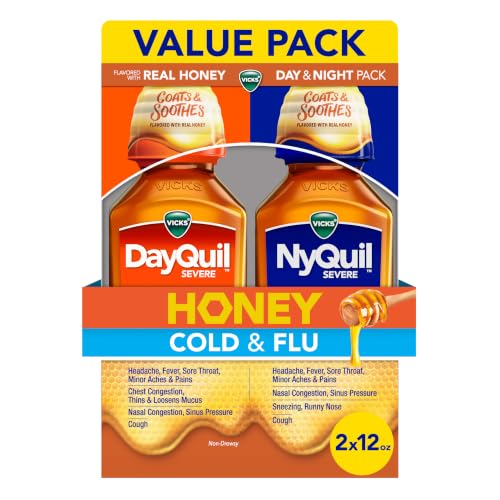
Vicks DayQuil & NyQuil Severe Honey Flavor Co-Pack Cold & Flu Medicine

Garden of Life Organics Cough & Mucus Immune Syrup

Dr Christopher’s Formula Respiratory Syrup

GUNA Allergy T Seasonal Allergy Relief

BEE & YOU Propolis Extract Cough Syrup with Vitamin C, Raw Honey, and Orange

Vicks Formula 44 DM Painful Cough and Sore Throat Liquid, 12 fl oz

Vicks Formula 44 DM Cough and Congestion Liquid, Berry Flavor, 2×12 fl oz
The Strengths Of Each Pick
Cold symptoms rarely arrive one at a time, so the two-bottle format offers a practical split for daytime and nighttime use. DayQuil and NyQuil Severe are intended to address several complaints, including cough, congestion, sinus pressure, sore throat, headache, fever, and minor aches. The honey flavor also makes the medicine less stark than many liquid cold products, which can matter during a long commute or a sick day at home.
This broad coverage makes the co-pack sensible when your symptoms resemble a multi-part cold rather than a single cough complaint. For nighttime use, the label directions still matter because these formulas can cause drowsiness. Persistent wheezing deserves medical attention, so this option works best as part of a broader cold-care routine rather than as a stand-alone answer to breathing difficulty.
Everyday Wins
- One co-pack covers both daytime and nighttime routines.
- Honey flavor improves the taste of two severe cold formulas.
- A single product addresses congestion, cough, sore throat, fever, and aches.
- Two 12-ounce bottles suit separate daytime and bedside placement.
Trade Offs
- The broad symptom list is unnecessary for someone with only one isolated complaint.
- Nighttime use may limit driving or other activities that require full attention.
Key Specs
Made For Multi-Symptom Colds
You benefit most from this co-pack when cough accompanies congestion, sore throat, fever, headache, or body aches during a demanding workday.
Another Choice May Suit
Vicks Formula 44 DM Painful Cough and Sore Throat Liquid is a better fit for adults who mainly need cough and throat relief without a broad cold-and-flu bundle.
Unlike the multi-symptom Vicks co-pack, this syrup centers on immune support, mucus, and throat comfort. Organic elderberry, zinc, vitamin C, and English ivy leaf give it a more nutrition-oriented profile, while the 5-ounce bottle suits households seeking a smaller daily supplement rather than a large medicinal container.
The intended audience is adults and children 12 and older, a useful distinction for family medicine cabinets. The formula contains no added sugars or artificial dyes and is marketed as vegan and kosher. Its appeal is strongest for people building a daily wellness routine around botanical and vitamin ingredients, not for someone needing targeted conventional cough suppression.
Reasons It Performs
- Elderberry, zinc, vitamin C, and English ivy leaf support several complementary routines.
- The small bottle takes up little cabinet or travel space.
- No added sugars or artificial dyes suit ingredient-conscious preferences.
Practical Considerations
- The stated age range starts at 12, excluding younger children.
- Its immune-support emphasis is less focused than a dedicated cough suppressant.
- The 5-ounce size may require more frequent replenishment during winter routines.
Feature Snapshot
Built With In Mind
This syrup fits adults and teens who want elderberry, zinc, vitamin C, and ivy leaf within a convenient daily wellness routine.
Where A Sibling Pick Shines
Dr Christopher’s Formula Respiratory Syrup may suit you better when mucus-focused respiratory support is the priority and immune-support ingredients are secondary.
Where Garden of Life combines immune-support nutrients with English ivy, this formula takes a narrower respiratory approach. Its stated uses include helping move mucus from the respiratory system and easing discomfort associated with sore throats and mucus. That makes it an option for people building a botanical routine around respiratory comfort rather than a conventional multi-ingredient cold treatment.
The 4-ounce bottle is compact enough for a bedside table, though you may keep it somewhere easy to reach during a cold. It is also marketed for use with colds, flu, and asthma-related symptoms, but it does not replace prescribed asthma medication or urgent care for breathing difficulty. For a mild routine, the narrow purpose gives it a clear identity.
A Few Highlights
- Targets mucus clearance with a respiratory-specific format.
- Also provides a stated option for sore-throat discomfort.
Honest Caveats
- Its respiratory support is less comprehensive than the DayQuil and NyQuil co-pack.
- A 4-ounce container offers less volume than the larger Vicks formulas.
The Right Fit
This syrup fits adults and older teens who prefer a compact herbal-style formula centered on mucus and throat discomfort.
A Better Fit Elsewhere
Garden of Life Organics Cough & Mucus Immune Syrup is the stronger fit when you want elderberry, zinc, and vitamin C alongside English ivy leaf.
Not every cough-like complaint comes from a cold. GUNA Allergy T focuses on seasonal allergy symptoms, including sneezing, a runny nose, itchy eyes, and watery eyes. That narrow target makes it more relevant during pollen-heavy stretches when congestion feels similar to a cough but the underlying trigger is different.
The homeopathic liquid is positioned for use at the first sign of symptoms and is described as non-drowsy. Its 1-ounce container is the smallest option in this group, which suits travel and compact medicine cabinets. The trade-off is equally clear: it does not provide the broad cough, fever, and congestion support found in the Vicks products.
The Upside
- Targets several recognizable seasonal allergy symptoms.
- Non-drowsy positioning suits daytime routines.
- The tiny bottle is convenient for travel and compact storage.
Points To Keep In Mind
- It focuses on allergy symptoms rather than general cold relief.
- The 1-ounce size is likely to run out quickly during a seasonal stretch.
Quick Facts
Made For Seasonal Triggers
This option fits people whose coughing accompanies sneezing, a runny nose, or irritated eyes during seasonal allergy periods.
Look Elsewhere When
Vicks Formula 44 DM Cough and Congestion Liquid suits you better when chest congestion and cough are your main complaints rather than pollen-related eye and nose symptoms.
This formula takes a kitchen-shelf approach to cough care, combining bee propolis extract, raw honey, and orange juice. Unlike the concentrated tablet-style homeopathic option from GUNA, it leans into a soothing honey texture and a short ingredient list. That simplicity may appeal to people who prefer recognizable ingredients and a sweet, familiar taste.
Propolis provides the distinctive element here, while the honey base is intended to soothe throat discomfort and the orange juice contributes vitamin C. The 5-ounce bottle is listed for both children and adults, making it a family-oriented option. You do need to account for bee-product allergies, and the manufacturer advises against use during pregnancy or breastfeeding.
Advantages To Know
- Uses a short list of propolis, raw honey, and orange juice.
- Honey gives the syrup a soothing, familiar base.
- Orange juice contributes vitamin C.
- Designed for both children and adults.
- The 5-ounce bottle suits a home medicine cabinet.
Things That May Matter
- Bee-product allergies are an important fit check before use.
- The manufacturer does not recommend it during pregnancy or breastfeeding.
- Its immune-support positioning differs from conventional cough suppression.
Who It Suits Best
This syrup fits families seeking a sweet, honey-based cough and throat routine with propolis as the distinguishing ingredient.
Consider Something Else When
Vicks Formula 44 DM Painful Cough and Sore Throat Liquid fits adults who specifically want acetaminophen and dextromethorphan for established cough and throat symptoms.
Where the DayQuil and NyQuil co-pack spreads its attention across many cold symptoms, Formula 44 DM narrows the job to painful cough and sore throat. Its two active ingredients are acetaminophen and dextromethorphan HBr. Acetaminophen addresses pain, while dextromethorphan is a cough suppressant, giving the liquid a more focused purpose than a multi-symptom cold formula.
The honey flavor and coating action make it suitable for adults seeking soothing throat comfort, and the label states up to six hours of relief. A 12-ounce bottle is easy to keep beside the bed or in a desk drawer. You still need to review active ingredients and dosing instructions, especially before combining it with other acetaminophen-containing medicine.
Everyday Perks
- Combines cough suppression with sore-throat pain relief.
- The honey flavor suits adults who dislike harsh medicinal tastes.
- Liquid coating action is designed to soothe the throat.
Small Caveats
- It focuses on cough and throat discomfort rather than congestion.
- Acetaminophen appears in many products, so label checks matter when combining medicines.
Technical Highlights
Built For Sore Throats
You benefit most from this liquid when an adult has a painful cough and irritated throat but does not need broad cold or congestion support.
Swap It Out When
You may prefer Garden of Life Organics Cough & Mucus Immune Syrup when elderberry, zinc, vitamin C, and English ivy leaf fit your routine better.
This is the more direct choice when cough travels with chest congestion. Unlike Formula 44 DM Painful Cough and Sore Throat Liquid, which emphasizes pain relief, the cough-and-congestion version is built around a suppressant-and-expectorant approach. A cough suppressant quiets the cough reflex, while an expectorant is intended to loosen mucus so it can move out of the chest more easily.
Berry flavor gives this option a clear contrast with the honey formulas, and the two-bottle pack suits a household that wants a bottle in more than one location. The stated day-and-night positioning does not mean every dose causes drowsiness, so read the label carefully. Wheezing with substantial breathing difficulty still requires prompt medical guidance rather than symptom coverage alone.
The Value In It
- Combines cough suppression with mucus-loosening support.
- Targets cough and chest congestion together.
- Berry flavor provides an alternative to honey formulas.
- Two 12-ounce bottles suit separate home locations.
Points To Note
- The two-bottle format may be more than a single cough episode requires.
- It does not focus on sore-throat pain or fever.
Core Details
Right Fit For Chest Congestion
This formula fits adults whose main concerns are an active cough and mucus-heavy chest congestion rather than throat pain.
Reach For A Different Pick When
BEE & YOU Propolis Extract Cough Syrup with Vitamin C, Raw Honey, and Orange suits you better for a honey-based, family-oriented immune and throat routine.
What To Look For In A Wheezing Cough Syrup
Start with the symptom driving your decision. Cough suppressants quiet the cough reflex, while expectorants help loosen mucus. Neither directly addresses wheezing caused by narrowed airways, so persistent or severe breathing trouble deserves assessment rather than repeated syrup use.
The active ingredients matter more than the flavor. Acetaminophen can reduce pain, dextromethorphan suppresses cough, and guaifenesin supports mucus clearance. Botanical and homeopathic formulas take a different route, so compare their intended purpose with the symptoms you actually have rather than treating every label as interchangeable.
Age and household needs narrow the field next. Some formulas are made for adults, while Garden of Life lists adults and children 12 and older. The GUNA and Dr Christopher’s options come in small bottles, and the larger Vicks packs may be more practical for a shared medicine cabinet.
Look at practical label details before checkout. Check active ingredients to avoid duplication, follow age and dosing directions, and note any drowsiness or combination warnings. Honey-based products also need allergy checks, and children under one year of age should not receive honey.
Common Mistakes To Avoid
Mistaking Cough Relief For Breathing Relief
A syrup that reduces coughing does not necessarily open constricted airways. Separate cough, mucus, allergy, and wheezing concerns, and do not assume a stronger cough product is appropriate for every respiratory symptom.
Ignoring Duplicate Active Ingredients
Two cold medicines can contain the same pain reliever, cough suppressant, or decongestant. Comparing active-ingredient panels prevents accidental duplication and makes a multi-symptom product easier to use safely.
Choosing By Flavor Alone
Honey and berry flavors can make a medicine easier to take, but the active ingredients determine its purpose. Choose the symptom action first, then consider taste, bottle size, and age suitability.
What Separates Complete Formulas From Focused Ones
A broader formula may be worthwhile when several cold symptoms appear together, but focused products can be more useful for a narrow complaint. A co-pack with separate day and night formulas costs more in terms of shelf space, while a single-purpose syrup may fit a smaller cabinet better.
The upgrade makes sense when the extra coverage matches your symptoms, the day-and-night split prevents mix-ups, or multiple bottles provide convenient placement. For one isolated cough or allergy episode, a smaller targeted bottle may deliver better value without unnecessary ingredients.
Frequently Asked Questions
Can Cough Syrup Relieve Wheezing?
Cough syrup may ease a cough or loosen mucus, but it does not necessarily address narrowed airways. Persistent wheezing, especially with breathing difficulty, needs prompt medical assessment.
What Is The Difference Between A Cough Suppressant And An Expectorant?
A cough suppressant reduces the urge to cough, while an expectorant helps loosen mucus. A formula combining both may suit a cough that feels persistent and is accompanied by chest congestion.
Which Option Is Best For Children?
Garden of Life Organics Cough & Mucus Immune Syrup is intended for adults and children ages 12 and older. Younger children need age-specific guidance because many cough medicines are not suitable for them.
Are Herbal And Homeopathic Syrups The Same Thing?
No. Herbal formulas use plant-based ingredients such as ivy leaf or elderberry, while homeopathic products use highly diluted substances. Their approaches differ from conventional medicines containing active cough and decongestant ingredients.
Can I Combine Cough Medicines?
You should check active ingredients before combining products. Acetaminophen and dextromethorphan appear in many cough and cold medicines, and duplication can increase the risk of taking too much.
Final Verdict
The right choice depends on the symptom behind the cough. Conventional multi-symptom formulas suit crowded cold days, focused Vicks options serve cough, congestion, or throat complaints, and botanical or homeopathic syrups support different routines. Read the active ingredients, confirm the age range, and keep wheezing separate from ordinary cough relief.
