

A daily antihistamine can make seasonal allergies easier to manage, especially when you need relief without the daytime drowsiness that interferes with work, driving, or school. The active ingredient, dose, tablet count, age guidance, and packaging format all affect the decision, so these seven options suit different routines and preferences.
The Picks In Brief

GenCare Fexofenadine 180mg Allergy Relief 50 Ct

Ohm Fexofenadine 180mg Allergy Medicine 150 Count

Kirkland Allerclear Loratadine 10mg 365 Count
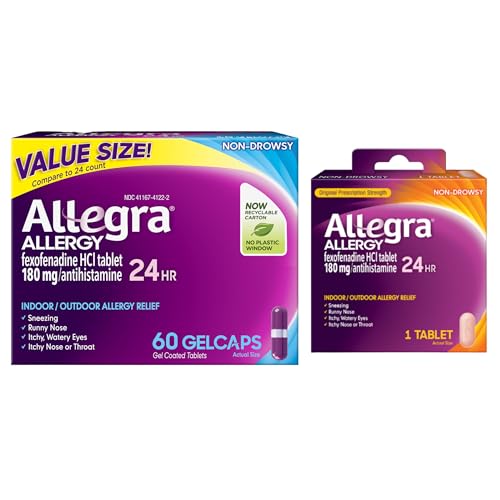
Allegra 24-Hour Gelcaps 60 Count Travel Pack
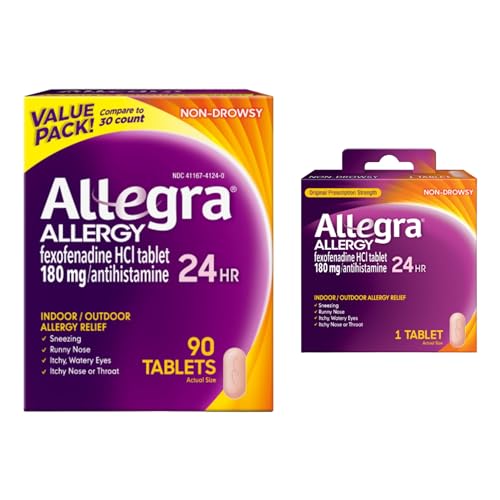
Allegra 180mg Tablets 90 Count Travel Pack

Amazon Basic Care Fexofenadine 180mg Tablets 150 Count

MAJOR Loratadine 10mg Tablets 300 Count
More Details On Our Top Picks
A 50-count bottle gives GenCare Fexofenadine 180mg a practical middle ground between a small travel supply and the larger boxes on this list. The once-daily schedule suits adults who want one predictable dose for runny nose, sneezing, itchy watery eyes, or nose and throat irritation.
For most adults managing recurring indoor or outdoor allergies, the non-drowsy positioning makes this easier to place around a workday or driving routine. It also addresses itching associated with skin hives caused by common allergic reactions, giving it more coverage than a basic sneeze-and-runny-nose product.
Strengths Worth Knowing
- One 180 mg tablet provides 24-hour allergy relief with simple once-daily dosing.
- The non-drowsy format fits mornings, workdays, and schedules involving driving.
- It targets sneezing, runny nose, watery eyes, and itching of the nose or throat.
- Hive and rash itching support broadens its use beyond seasonal nasal symptoms.
Things To Consider
- The product is intended for adults and children age 12 or older.
- Take one tablet with water daily and do not exceed one tablet in 24 hours.
Key Specs
Made For
Adults and teenagers age 12 or older who want daily fexofenadine relief in a moderately sized supply.
Where Another Pick Shines
Ohm Fexofenadine 180mg suits people who want a larger 150-count supply and plan fewer refill intervals.
Ohm takes the same 180 mg fexofenadine approach as GenCare and packages it in a much larger 150-count bottle. That makes the medication more practical for a household that wants a steady supply without handling a smaller bottle as often.
You can use the tablets for common indoor triggers such as dust and pet dander, along with outdoor pollen and seasonal irritants. The once-daily schedule is convenient for a home, office, or trip, although people who carry only a few tablets may prefer a smaller option.
Key Advantages
- The 150-count container supports a longer medication supply.
- One 180 mg fexofenadine tablet lasts up to 24 hours.
- Daily use covers nasal, eye, and throat symptoms associated with common allergens.
Practical Considerations
- Adults and children over 12 are the stated users.
- Check with a doctor for children under 12 or when combining the medicine with other medications.
At A Glance
Right Fit For
Teenagers and adults who prefer a large daily supply for recurring indoor or outdoor allergies.
Another Choice May Suit
GenCare Fexofenadine 180mg fits you better when a 50-count bottle offers enough supply with less bulk.
A daily allergy routine becomes simpler when your bottle can stay in place for months at a time. Kirkland Allerclear Loratadine 10mg combines a 365-tablet count with a once-daily tablet format, making it a practical option for steady year-round use.
This pick also changes the active ingredient from the fexofenadine used by several earlier selections. For a person already comfortable with loratadine, that continuity can matter more than the familiar tablet count, though you should compare the carton directions with your own medication routine.
Positive Takeaways
- A 365-count supply is the largest count in this roundup.
- Each tablet provides 10 mg of loratadine for daily allergy use.
- The non-drowsy labeling supports use around work, school, and travel.
Worth Noting
- The large bottle may be more practical than necessary for occasional allergy use.
- Check the carton for age and dosing instructions before adding it to a shared medicine cabinet.
Built With In Mind
People who already use loratadine and want a large tablet supply for a consistent daily routine.
Swap It Out When
MAJOR Loratadine 10mg may suit you better when a 300-count bottle is large enough for your household.
Allegra’s gelcap format gives adults a distinct choice among the tablet-heavy options here. The package combines 60 gelcaps with one extra tablet in a travel pack, which is useful for a weekend trip or keeping a dose alongside your daily belongings.
You can take the medication day or night for 24-hour relief, according to the product information. For most people who prefer swallowing a gelcap rather than a conventional tablet, the format may be the deciding factor, while the 60-count supply keeps replenishment reasonably manageable.
What Works In Its Favor
- The gelcap format offers an alternative to traditional allergy tablets.
- Each dose provides up to 24 hours of allergy relief.
- The non-drowsy formula suits daytime and evening routines.
- A separate one-tablet travel pack supports convenient packing.
- The 60-count supply balances portability with fewer refills.
Small Caveats
- The included travel dose is a convenience rather than a reason to skip proper daily dosing.
Feature Snapshot
Who Will Love This
Adults who prefer gelcaps and want a separate dose for work bags, overnight travel, or occasional trips.
A Better Fit Elsewhere
Allegra 180mg Tablets suits you better when you prefer conventional tablets and want a larger 90-count supply.
Allegra’s tablet option combines a 90-count supply with a separate one-tablet travel pack. Compared with the Allegra gelcaps, this version uses conventional tablets and carries a larger main supply, making it the more practical of the two for someone who prefers standard pill formats.
The 180 mg fexofenadine strength provides 24-hour relief for indoor and outdoor allergy symptoms without positioning the medicine as drowsy. For adults taking one tablet each morning, the combination of simple dosing and portable backup fits a steady daily schedule.
Points In Its Favor
- The 180 mg fexofenadine dose supports once-daily use.
- Tablets address indoor and outdoor allergy symptoms.
- A 90-count supply reduces refill frequency compared with smaller packages.
- The extra travel tablet keeps a dose available away from home.
Trade Offs
- The main package contains fewer tablets than Ohm’s 150-count supply.
- The gelcap version may feel more suitable if you dislike standard tablets.
Quick Facts
The Right Fit
Adults who prefer standard tablets, want 180 mg fexofenadine, and appreciate a portable extra dose.
Reach For A Different Pick When
Allegra 24-Hour Gelcaps suits you better when capsule-style medication matters more than a larger tablet supply.
Amazon Basic Care offers another 180 mg fexofenadine tablet, but its differentiator is straightforward packaging and a 150-count supply. That combination fits a household seeking a familiar daily ingredient without moving toward the much larger loratadine containers later in the list.
One dose is intended to address itchy watery eyes, runny nose, sneezing, and itching of the nose or throat. The non-drowsy positioning can be reassuring during a workday, although a person who reacts differently to fexofenadine should treat that label as information rather than a personal promise.
Reasons It Performs
- The 180 mg fexofenadine tablet matches a common daily strength.
- One dose provides 24-hour relief for several common allergy symptoms.
- The 150-count package suits a steady supply at home or work.
Practical Considerations
- Ohm uses the same 180 mg strength, so your decision may come down to brand and packaging preference.
- Ask a pharmacist or doctor about combining allergy medicine with your other medications.
Who Should Grab It
Adults who want a large fexofenadine tablet supply and recognize the Basic Care label as a familiar option.
Look Elsewhere When
GenCare Fexofenadine 180mg fits you better when a smaller 50-count bottle better matches your storage and travel routine.
MAJOR Loratadine 10mg broadens the age range in this roundup to children age six and older, provided the directions and a caregiver’s judgment guide use. Its 300-count supply also sits between the smaller GenCare package and Kirkland’s 365 tablets.
The daily loratadine tablet addresses runny nose, itchy watery eyes, sneezing, and nose or throat itching associated with hay fever and other upper respiratory allergies. For a family already comfortable with loratadine, the active ingredient and straightforward one-tablet schedule offer a practical reason to consider it.
Standout Benefits
- Each tablet contains 10 mg of non-drowsy loratadine.
- One tablet provides up to 24 hours of symptom relief.
- Adults and children age 6 or older are included in the stated guidance.
- The 300-count bottle supports a long daily supply.
Points To Keep In Mind
- Do not take more than one tablet within 24 hours.
- Consult a doctor for children under 6 or people with liver or kidney disease.
Core Details
Best Suited To
Families with children age six or older that want a large loratadine supply and a once-daily tablet.
Where It May Fall Short
Kirkland Allerclear Loratadine 10mg suits you better when the largest available tablet count matters more than the smaller package.
What Matters in a Daily Antihistamine
Active Ingredient and Age Range
Fexofenadine and loratadine are antihistamines, medicines that temporarily ease symptoms associated with histamine-related allergic reactions. Your personal medication history and the product label should guide which active ingredient is appropriate, especially for children or anyone managing several medicines.
Daily Schedule and Symptom Coverage
A once-daily tablet can suit a steady routine, but symptom coverage still matters. Compare listings for runny nose, sneezing, itchy eyes, and nose or throat itching rather than assuming every option addresses the same set of discomforts.
Count, Format, and Portability
A 50-count bottle suits moderate use, while 150, 300, and 365-count containers reduce refill frequency. Gelcaps, conventional tablets, and separate travel doses serve different preferences, so check the packaging against your medicine cabinet and travel habits.
Small Details That Affect Your Choice
Mistakes Worth Dodging
Do not choose solely by tablet count, since a larger package can be unnecessary for occasional use. Check the active ingredient, age guidance, dosage, and symptom list together, and review the carton directions before adding any medicine to a household routine.
What Separates Premium From Basic
A higher-priced option may provide a recognizable brand, gelcap format, larger count, or travel dose rather than a stronger ingredient. The upgrade makes sense when packaging and convenience matter to you, while a basic tablet can serve the same practical role for a straightforward daily schedule.
Frequently Asked Questions for Daily Antihistamine
What is the strongest daily antihistamine in this roundup?
There is no single strongest option because the products use different active ingredients and serve different age groups. Your medical history, symptom coverage, and preferred tablet format matter more than a broad strength claim.
Are these daily antihistamines likely to cause drowsiness?
These products are labeled as non-drowsy, but personal responses can vary. You should follow the package directions and speak with a pharmacist or doctor if you operate a vehicle, work in a safety-sensitive role, or take other medicines.
Can children use any of these daily antihistamines?
MAJOR Loratadine 10mg states use for adults and children age 6 or older. The fexofenadine options in this roundup generally specify age 12 or older, so always check the carton before giving medication to a child.
Is fexofenadine or loratadine more suitable for daily use?
Both provide once-daily options for common allergy symptoms, but your medication history can determine which is more appropriate. A doctor or pharmacist can help you compare the active ingredients and any other medicines you use.
How should I store a large daily allergy tablet supply?
Keep tablets in their original container, follow the storage instructions on the carton, and keep them away from children or anyone who could mistake them for another medicine. A larger count does not change the need for careful storage and correct dosing.
