

Compression after a tummy tuck has to match the stage of your post-op plan, not just look supportive. Early recovery calls for adjustable, targeted compression, while later stages may benefit from firmer shaping and a more polished fit beneath clothing. This guide covers fajas, abdominal boards, a lower-back support, and a bodysuit for different points in your recovery and daily routine.
The Leading Options At A Glance

Snatched Body Stage 1 Faja

Snatched Body Stage 3 Faja

Snatched Body Full Coverage Ab Board
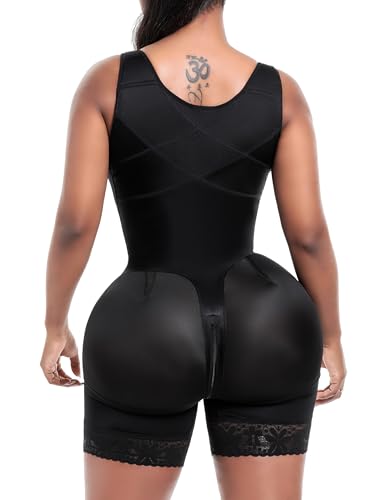
Snatched Body Stage 2 Faja

Snatched Body Back Board
Snatched Body Stage 2 Bodysuit
Meet The Standout Selections
The first weeks after surgery call for support that can be adjusted as your body changes. This Stage 1 faja provides firm compression around the waist and midsection while leaving the buttocks and thighs uncompressed, a useful distinction for BBL or liposuction recovery when you do not want pressure across grafted or treated areas.
Its full-body design feels more substantial than a basic wrap, yet the padded straps, three hook levels, and bathroom zipper give you practical control. The honest read is that it suits shoppers who value adjustability over a strapless silhouette, especially when your surgical team recommends a garment with configurable closure.
What Works In Its Favor
- Targeted waist compression avoids adding pressure to the buttocks and thighs.
- Three hook levels let you adjust the fit as post-op swelling changes.
- Padded shoulder straps distribute contact across the upper body.
- The bathroom zipper adds practical access without changing the garment.
Things To Consider
- The full-body coverage creates more contact than a shorter abdominal support.
- Its firmer stage-one design may not suit shoppers wanting minimal pressure.
Key Specs
Who It Suits Best
This faja best suits people beginning post-tummy-tuck support who need adjustable waist compression without thigh or buttock compression.
Where Another Pick Suits Better
Snatched Body Stage 2 Faja suits shoppers farther along who prefer an integrated bra, adjustable straps, and a more clothing-focused shape.
Stage 3 shifts the focus from early support toward established shaping. This strapless faja is intended for people at least 12 weeks past BBL or liposuction, using strong waist compression and two support rods to create a more defined profile beneath dresses or fitted clothing.
Compared with the Stage 1 Faja, this model removes the shoulder straps and takes a shorter, open-bust approach. You may find that trade-off worthwhile for a clean silhouette, though the reduced coverage makes it a different proposition from full-body post-op support.
Benefits That Matter
- The strapless design stays visually clean under strap-free outfits.
- Three closure levels provide adjustable shaping under different outfits.
- Powernet interior fabric adds structure to the high-compression design.
- Two support rods contribute to the structured waistband and posture-oriented shape.
Trade Offs
- The short, strapless cut offers less surface coverage than the Stage 1 Faja.
Feature Snapshot
Made For
This faja suits later-stage patients who prioritize a strapless silhouette and firm shaping over broad upper-body coverage.
Another Choice May Suit
Snatched Body Stage 1 Faja serves people who need padded shoulder support and compression that avoids the buttocks and thighs.
An abdominal board adds a structured layer that a faja alone may not provide. This full-coverage design uses flexible materials to support the abdomen, reduce the appearance of folds, and fit beneath a compression garment, making it most useful when your care plan calls for layered support.
Unlike the strapless Stage 3 Faja, this piece concentrates on the abdominal area and upright positioning. The trade-off is added bulk beneath clothing, but patients seeking a firmer, board-like layer may value that structure during the middle portion of recovery.
Positive Points
- Full abdominal coverage supports the entire midsection.
- Flexible construction is designed to sit beneath a faja.
- The broad shape helps smooth visible garment folds.
- Its rigid profile encourages a more upright posture.
- Separate-board construction gives you control over the layering sequence.
Practical Considerations
- Expect more bulk under clothing than a soft bodysuit.
- It supplements rather than replaces a compression garment.
- Check that the coverage and curvature suit your abdomen before dressing.
Built With In Mind
This board is best suited to post-tummy-tuck and liposuction patients whose recovery plan includes an abdominal support layer beneath shapewear.
Swap It Out When
Snatched Body Stage 2 Faja is a better fit when you want one adjustable garment rather than a separate board and faja layer.
This is the most versatile full-body option here, bridging post-op wear and ordinary shapewear. It is associated with the six-week stage following BBL, liposuction, or tummy-tuck procedures, while its built-in bra and adjustable details also make it practical for regular outfits.
Compared with the Stage 1 Faja, it provides a more polished, clothing-focused construction. Compared with the Full Coverage Ab Board, it combines shaping and support in one piece, reducing the number of layers you need to coordinate.
Advantages To Know
- Adjustable straps and three hook levels personalize the fit.
- The built-in bra eliminates the need for a separate bra underneath.
- Bathroom access is handled by a convenient zipper.
- Flatter seams and no back darts help create a smooth profile.
- Bidirectional stretch helps the fabric move across the body.
Worth Noting
- The integrated bra offers no padding, so its comfort depends on your preferred fit.
Core Details
Who Will Love This
This faja suits six-week post-op patients and regular shapewear wearers who want adjustable full-body shaping in one garment.
Look Elsewhere When
Snatched Body Stage 3 Faja offers a better fit for later-stage shoppers who want a strapless, shorter-cut silhouette.
A lower-back board serves a narrower purpose than a full faja or abdominal board. This contoured piece is designed to sit discreetly beneath clothing and apply steady compression to the lumbar area, the lower portion of the back, during BBL recovery, postpartum support, or daily shapewear use.
That focus makes it a useful companion to the Stage 2 Faja rather than a substitute for it. The board addresses one region while the faja handles waist, hip, and upper-body shaping, so shoppers wanting complete support may prefer to layer the two.
The Helpful Details
- The contoured shape follows the lower-back area.
- Consistent compression provides a focused support layer.
- The low-profile design can remain discreet beneath clothing.
- It works with Stage 2 fajas as an added back-support layer.
- Postpartum and daily shapewear use broaden its application.
Some Limits To Know
- It does not replace full waist or abdominal compression.
- Its benefits depend on the lower back being your intended support area.
The Right Fit
This board suits BBL, postpartum, and daily-wear shoppers who want focused compression around the lower back.
A Better Fit Elsewhere
Snatched Body Full Coverage Ab Board suits people needing broad abdominal support rather than a localized lumbar layer.
A bodysuit offers a simpler approach to post-tummy-tuck shaping because it combines the torso and lower-body coverage in one continuous format. This Stage 2 model is positioned for tummy control after surgery, making it most relevant to shoppers who want a streamlined layer rather than a heavily structured faja.
Compared with the Stage 2 Faja, this option takes a more minimalist approach. You may prefer its uncomplicated silhouette for everyday outfits, though anyone needing specific features such as adjustable straps, a built-in bra, or a bathroom zipper should examine those details before choosing.
Reasons It Performs
- The bodysuit format provides continuous torso-to-lower-body coverage.
- Stage 2 positioning suits the middle portion of post-op planning.
- Its streamlined design suits uncomplicated daily styling.
Points To Note
- Confirm the garment’s dimensions and intended coverage before use.
- Your surgical team should confirm that this stage and format fit your plan.
Feature Facts
Whose Shelf It Belongs On
This bodysuit suits post-op shoppers who prefer a simple, continuous layer for everyday outfits.
Reach For A Different Pick When
Snatched Body Stage 2 Faja suits shoppers who need adjustable straps, an integrated bra, and bathroom access in one faja.
Matching Support To Your Recovery Stage
Start With Your Surgical Timeline
Your surgical team’s timeline should guide the compression level and garment type. Stage 1 is positioned for early support, Stage 2 appears around the six-week point, and Stage 3 is described for use at least 12 weeks after BBL or liposuction. Those references do not replace individualized post-op instructions.
Identify The Area Needing Support
A full faja covers the waist, torso, hips, and lower body. The Full Coverage Ab Board concentrates on the abdomen, while the Back Board focuses on the lower back. Choose according to the area your care plan identifies rather than the number of support pieces a listing includes.
Check Fit And Layering
Adjustable hooks, padded straps, and a bathroom zipper can make a substantial garment easier to manage. A separate ab board creates another layer, so account for bulk beneath clothing and confirm that the board’s coverage suits your torso. Measure before choosing, and follow the garment instructions for positioning.
Think Beyond Recovery
The Stage 2 Faja and bodysuit can also serve as daily shapewear, but their support needs differ. The faja offers more visible adjustability and built-in structure, while the bodysuit offers a cleaner, less complicated silhouette.
Common Mistakes To Avoid
Wrong Turns To Avoid
Do not treat a compression stage as a universal schedule, since post-op instructions vary by procedure and person. Avoid purchasing a firm garment solely because it looks more supportive, and check whether a board, faja, or bodysuit is intended for your treatment area. Fit matters too, so compare measurements and layering needs before checkout.
What The Higher Tier Buys
A later-stage faja may provide firmer shaping, a shorter silhouette, or fewer visible fasteners than an early-stage garment. That refinement matters for clothing-focused wear, though stronger compression is not automatically more suitable. Choose the tier that matches your timeline and comfort, not simply the highest number.
Frequently Asked Questions
When Should I Start Using Compression After A Tummy Tuck?
Start only when your surgical team approves compression and provides garment guidance. The product stages described here are reference points, not individual recovery schedules.
Should An Ab Board Go Under A Faja?
Snatched Body Full Coverage Ab Board is designed to sit beneath a faja for layered abdominal support. Confirm placement and wear duration with your surgical team.
What Is The Difference Between Stage 1 And Stage 2 Fajas?
Stage 1 provides adjustable early-stage compression while avoiding the buttocks and thighs. Stage 2 adds an integrated bra, adjustable straps, and a more clothing-focused design for a later recovery stage.
Is A Lower-Back Board Useful After BBL?
Snatched Body Back Board provides focused lumbar compression and can accompany a Stage 2 faja. It is intended as an additional support layer rather than a replacement for full-body compression.
Can A Compression Bodysuit Be Worn With Everyday Outfits?
Snatched Body Stage 2 Bodysuit is positioned for post-surgery tummy control and offers a streamlined shape for daily styling. Confirm fit and your care team’s instructions before wearing it.
Final Thoughts
Your choice comes down to timing, support area, and layering. Stage 1 prioritizes adjustable early compression, Stage 2 combines recovery support with daily shaping, and Stage 3 favors a later-stage silhouette. Boards provide focused structure beneath or beside a garment, while the bodysuit keeps the setup simple. Choose the format that fits your care plan and your wardrobe, then confirm it with your surgical team.
