

A parent may need help from another room while the person needing assistance rests, cooks, or moves around the home. Elderly alert systems provide a simple way to request help without relying on someone being nearby. The right setup depends on range, alert style, button placement, and how many people need to respond.
The Lineup, Simplified

FullHouse Caregiver Pager
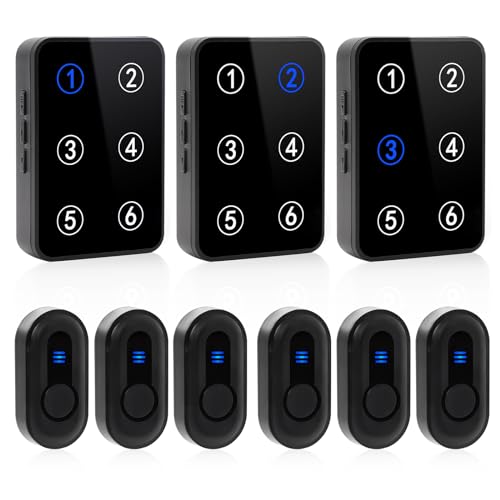
SanJie Wireless Caregiver Pager, 6 Buttons, 3 Receivers, LED Display

METAK Wireless Caregiver Pager 1 Receiver 1 Button 1,500-Foot Range

ChunHee Caregiver Pager

CallToU Caregiver Pager Wireless
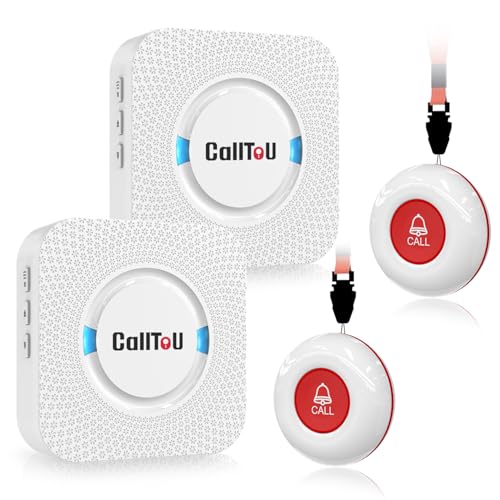
CallToU Pager with 2 Buttons

CallToU Caregiver Pager 3 Sets
What Each Pick Brings To The Table
The FullHouse Caregiver Pager suits a household where the person needing help may wander beyond the kitchen or bedroom. You can wear the call button as a wristband, carry it in a pocket, attach it to a wheelchair, or place it beside a bed. That flexibility makes one unit practical for several routines without mounting it permanently in one location.
You receive the call through a plug-in receiver with audible tones or a flashing LED. The stated range reaches 1,000 feet in open space and 500 feet through walls, giving you room to move between household tasks without remaining within sight of the caller.
Key Advantages
- You get 52 alert tones for distinguishing different routines or household members.
- Five volume settings, including silent visual alerts, accommodate daytime and nighttime needs.
- The wristband option keeps the call button accessible while moving around.
- No monthly service charge is required for the basic calling function.
Trade Offs
- The button resists splashes but cannot be submerged, so it needs removal before bathing or showering.
- Its 500-foot through-wall range can be affected by the home’s layout and construction.
Key Specs
Made For
You benefit most from this setup when a home caregiver wants one wearable call point with both audible and visual alert options.
Consider Something Else When
The SanJie Wireless Caregiver Pager suits you better when separate room numbers and multiple receivers matter more than wristband flexibility.
You gain a clear view of the caller’s location from the number shown on each receiver, a useful difference from the FullHouse Caregiver Pager’s tone-based alerts. The kit includes six call buttons and three receivers, making it suitable for bedrooms, a bathroom, a kitchen, and other common assistance points. You can mount a button wherever it remains within reach.
Each button can have its own sound, so you can learn the different call patterns with less visual checking. The receiver also offers 38 ringtones and five volume levels, including silent operation. That gives you flexibility in homes, clinics, and multi-responder settings.
Real-World Strengths
- Number displays help you identify the room or button making a call.
- Six buttons support several beds, seating areas, or washrooms.
- Three receivers let two caregivers share the response load.
- Distinct button sounds reduce reliance on checking the display.
Things To Consider
- You need an available electrical outlet for each plug-in receiver.
- The stated 500-foot range requires careful placement in homes with several floors.
- Programming separate sounds for six buttons takes more setup than a single-button kit.
Feature Snapshot
Right Fit For
You get the most from this kit in a home or care setting with several call points and more than one person responsible for responding.
A Better Fit Elsewhere
The METAK Wireless Caregiver Pager suits you better when long open-area range and expansion to 30 call buttons take priority over numbered displays.
Range is the main reason to notice the METAK Wireless Caregiver Pager. You receive the stated signal across up to 1,500 feet in open areas, while the through-wall figure reaches 500 feet. That makes it a sensible starting point for a large residence, an annex, or a care area spread across a broad floor plan.
You receive one button and one plug-in receiver in the box, yet the system supports as many as 30 call buttons and multiple receivers. The button can sit on a neck strap or attach to a wall, which lets you select the placement that fits the person’s routine. Compared with the SanJie system, you trade numbered calls for broader range and expansion capacity.
Everyday Perks
- You can begin with one call point and expand as household needs change.
- The neck strap keeps the button accessible while you move.
- Wall mounting provides a fixed option near a bed or washroom.
- Five volume levels range from silent to 120 decibels.
Points To Note
- Large open-area homes may need more than the included receiver.
- The plug-in receiver needs a nearby outlet.
- Wall attachment depends on the surface holding the included tape securely.
Core Details
Built With In Mind
You benefit most from this model when your home is large or you want room to add more call points later.
Where Another Pick Shines
The SanJie Wireless Caregiver Pager suits you better when you need numbered room identification across several locations from the outset.
The ChunHee Caregiver Pager centers on portable vibration alerts, a practical difference from the loud, numbered receivers ahead of it. You can put a receiver in a pocket, fasten it to a belt, or leave it on a table while resting. The vibration gives you a quieter way to notice a call, which may be useful during the night.
You receive two call buttons, two portable receivers, and five melodies. Each receiver accepts up to 50 buttons, while each button can pair with up to 50 receivers. The 800-plus-foot open-area range is shorter than the METAK system, but the kit already supports several call points and more than one responder.
Positive Points
- Vibration alerts let you respond without relying entirely on sound.
- Portable receivers suit caregivers who move between rooms.
- Two buttons and two receivers cover several everyday locations.
- IP65 water resistance helps handle meal and soup splashes.
Minor Gripes
- Each receiver uses two AAA batteries, so spare power may be useful nearby.
- The receiver offers four sound levels rather than a silent LED-only mode.
- Open-area range is shorter than the METAK Wireless Caregiver Pager.
Quick Facts
Who Will Love This
You benefit most from this set when quiet vibration and portable receivers matter more than room identification.
Swap It Out When
The METAK Wireless Caregiver Pager suits you better when a larger property or expansion to 30 buttons drives your selection.
The CallToU Caregiver Pager Wireless keeps the setup small: one receiver and one call button. You can move the plug-in receiver between the bedroom, kitchen, and living area as your attention shifts. The wearer presses the button, and the receiver sounds an alert elsewhere in the home.
Its stated open-area range exceeds 500 feet, so it can cover many ordinary homes. This simpler arrangement is useful for a single person needing assistance and one caregiver nearby. Compared with the ChunHee system, you give up vibration receivers and a second included button, but you also avoid managing more equipment than your routine requires.
Real Benefits
- You get a straightforward one-button calling point.
- The portable receiver can follow you between everyday rooms.
- The setup suits a single-caregiver household without excess components.
Some Limits To Know
- You need an outlet close to wherever you place the receiver.
- One button may not cover a home with several assistance locations.
- Its open-area range is shorter than several expandable alternatives.
Best Suited To
You benefit most from this compact kit in a straightforward home setup with one primary call point and one nearby caregiver.
Another Choice May Suit
The CallToU Pager with 2 Buttons suits you better when two rooms need separate calling points and two caregivers need alerts.
The CallToU Pager with 2 Buttons adds a second call point and a second receiver without moving into a much larger system. You can place buttons in two commonly used rooms, while the receivers can remain in different parts of the home. That balance suits a shared care arrangement with a bedroom, kitchen, or living area needing coverage.
You carry a receiver with you or place it in a room where you spend time, and the stated open-area range extends beyond 500 feet. The main step is keeping the plug-in receivers connected to outlets. Unlike the CallToU Caregiver Pager Wireless, this set gives you two complete call-and-response points rather than just one.
What It Does Well
- Two buttons cover separate assistance points.
- Two receivers let alerts reach more than one location.
- Portable placement lets you carry a receiver during household routines.
Details To Watch
- You need outlets for both plug-in receivers.
- The included equipment does not cover three or more call locations.
- Range claims mainly describe open-area conditions.
The Right Fit
You benefit most from this two-button set in a home where two separate rooms and two caregivers need a practical calling arrangement.
Reach For A Different Pick When
The CallToU Caregiver Pager 3 Sets suits you better when you need three call buttons and three receivers from the outset.
The CallToU Caregiver Pager 3 Sets expands the basic home arrangement to three call buttons and three receivers. You can establish distinct calling points in a bedroom, kitchen, and washroom, while different family members carry or position the receivers. That makes the setup practical for a home with several spaces where help may be requested.
The receiver remains portable and has a stated open-area range above 500 feet, although it needs a plug-in power connection. Compared with the CallToU Pager with 2 Buttons, you gain another complete calling point without moving to the numbered-display approach offered by the SanJie system.
Notable Gains
- Three buttons cover several important rooms.
- Three receivers let alerts reach multiple caregivers.
- You can move each receiver to match the room you occupy.
- The 500-plus-foot open-area range suits many homes.
Where It May Fall Short
- You need three suitable outlets for the receivers.
- Three coordinated pieces create more setup than a one-button system.
- Numbered call identification is not part of the listed features.
Essential Details
Whose Shelf It Belongs On
You benefit most from this three-set arrangement when several household rooms need call points and multiple caregivers share the response.
Where A Sibling Pick Shines
The SanJie Wireless Caregiver Pager suits you better when numbered displays and separately assigned button sounds are central to your routine.
What To Check Before Installing A Caregiver Alert
Range Across Real Layouts
Range figures usually represent open-air conditions, and walls, floors, and household wiring can reduce practical coverage. The FullHouse and METAK systems list 500 feet through walls, while the SanJie and CallToU models list a 500-foot operating range. Measure the path from each call button to its receiver rather than relying on the widest possible figure.
Alert Style and Response
Audible tones alert you from another room, vibration reduces reliance on sound, and an LED display identifies the source of a call. Your household’s sleep patterns, hearing needs, and nighttime noise levels should guide that choice. A light sleeper may favor vibration or visual-only operation, while a shared residence may need quieter alert settings.
Button Placement and Power
You may need wearable, neck-strap, pocket, bedside, wheelchair, and wall-mounted positions across different routines. Check the call button’s water resistance against the room where it will be used, and remove any non-submersible button before bathing. Plug-in receivers also require available outlets, while portable vibration receivers need battery access.
Capacity for Multiple Rooms
A one-button kit covers a single calling point. Systems with multiple buttons, numbered displays, or expansion capacity suit larger homes and care facilities where you need to identify where a call began. Count the rooms that need coverage and the people who may need to respond before deciding how much equipment you actually require.
Common Mistakes To Avoid
Common Shopping Slip Ups
A broad range figure does not guarantee clear reception through every wall or floor. Check power requirements, alert methods, and the number of call points before ordering. For a shared home, you also need to confirm that the chosen system can pair with enough buttons and receivers for the intended setup.
What The Higher Tier Buys
More advanced systems add longer listed ranges, numbered displays, vibration, or greater expansion capacity. Those features matter for large homes, several caregivers, or quiet nighttime response. A simple one-button set remains more appropriate when one person needs help and one caregiver can hear the receiver nearby.
Frequently Asked Questions
How far do caregiver alert systems reach?
Most listed systems cover at least 500 feet, with several specifying 800 to 1,500 feet in open areas. Walls and multiple floors can shorten the effective distance, so you should check placement across your actual home.
Can I wear an elderly alert button?
You can wear some buttons on a wristband or neck strap, while others fit in a pocket or attach to a wall, bed, or wheelchair. The FullHouse and METAK systems offer especially flexible wearing and mounting options.
Which system works quietly at night?
The ChunHee Caregiver Pager stands out for portable vibration receivers. You can also use a receiver’s lowest volume setting or silent LED mode on systems that provide those options.
Do these systems need wiring?
You do not need to connect the call buttons with wiring, and most receivers use wireless signals. Plug-in receivers still require electrical power, while the portable vibration receivers use batteries.
How many caregivers can receive calls?
It depends on the system. The SanJie kit includes three receivers, the ChunHee and CallToU three-set options support multiple receivers, and the METAK system is designed to expand to multiple receivers.
The Takeaway
The right elderly alert system matches the way your home actually works. FullHouse suits wearable use, SanJie identifies individual rooms, METAK handles large spaces and expansion, and ChunHee favors quiet vibration. The CallToU sets range from one compact button-and-receiver pairing to a broader three-room arrangement. Start with your alert style, coverage needs, and available outlets.
