

A compression garment has to fit the body, the procedure, and your daily routine at the same time. After a tummy tuck or liposuction, you may need firm shaping, easier restroom access, or coverage that reaches farther down the legs, and the wrong fit can make dressing and sitting uncomfortable. Your surgical team should confirm the appropriate compression level and timing before you wear one.
The six options below cover different needs, from Colombian stage 2 fajas with adjustable closures to short recovery girdles designed for targeted coverage. Each one offers a different balance of shaping, mobility, and garment length, so the most useful choice comes down to your procedure and the areas you most need supported.
The Choices Worth Comparing

DIANE & GEORDI 2396 Stage 2 Lipo Faja

Sonryse 086 Post-Surgery Faja
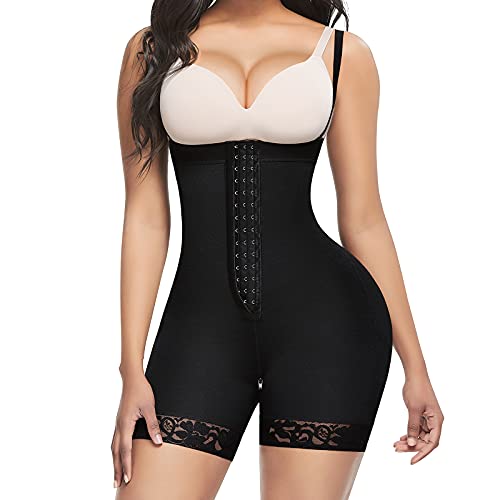
Lover-Beauty Postpartum Faja

MARENA LGS2 Stage 2 Girdle

MARENA LGS Stage 1 Recovery Girdle

MARENA LGS Short Girdle
Inside Each Recommended Option
Picture getting dressed after a demanding day: you want the abdomen shaped without fabric twisting around your waist or thighs. The DIANE & GEORDI 2396 uses a Powernet knit, which is a resilient fabric structure designed to distribute compression, and its mid-thigh length provides broader coverage than a short girdle.
Its removable straps and silicone thigh bands can make the garment easier to coordinate with different outfits, while the open crotch supports more convenient restroom use. For people recovering from a BBL, liposuction, or a tummy tuck, that fuller coverage may be useful, provided your surgical team approves the design and compression level.
Strong Points
- Mid-thigh length covers the waist, hips, buttocks, and upper thighs in one garment.
- Removable straps give you flexibility when dressing around the torso.
- The open crotch avoids removing the entire garment for bathroom trips.
- Flat zippers and inner lining sit more discreetly beneath fitted clothing.
- Powernet, nylon, polyamide, and elastane create a structured garment with stretch.
Trade Offs
- The high-compression construction may feel firmer than a moderate-compression garment during long wear.
- Measure your narrowest waist and fullest hips first, and choose the larger size when measurements fall between two options.
Key Specs
Built With In Mind
This garment fits people recovering from lower-body procedures who want extensive thigh coverage and a firmly structured stage 2 design.
A Better Fit Elsewhere
MARENA LGS2 Stage 2 Girdle offers a shorter, zipperless format for shoppers who do not need mid-thigh coverage.
The Sonryse 086 carries more of the upper-body burden than the DIANE & GEORDI 2396 because it combines a built-in bra with wide shoulder straps. That arrangement may suit people who want torso shaping and support in one piece, particularly when a separate recovery bra would feel like an extra layer.
Four levels of front hooks let you adjust the fit as your body changes, while the mid-thigh cut brings the shaping down over the hips and upper legs. The source describes medium stage 2 compression, so it offers a clearer balance between structure and everyday movement than a high-compression option, subject to your clinician’s guidance.
What Makes Sense
- The built-in bra simplifies dressing after abdominal or lower-body surgery.
- Four hook levels provide several fit adjustments through the front closure.
- Wide straps spread their load across the shoulders more comfortably than narrow straps.
- Sliding gusset fabric and an open crotch make the garment practical for longer wear.
Points To Note
- Accurate waist and hip measurements are essential because sizing differs among this style of Colombian faja.
Technical Sheet
Made For
This faja fits people who want medium stage 2 compression, a built-in bra, and extensive coverage in a single mid-thigh garment.
Another Choice May Suit
Lover-Beauty Postpartum Faja offers a lighter-looking three-layer abdominal construction for shoppers focused on adjustable daily shaping.
Compared with the Sonryse 086’s single set of four-level hooks, the Lover-Beauty Postpartum Faja uses a three-row hook closure and three layers of abdominal fabric. That layered design gives you several ways to adjust the waist while providing more focused support around the stomach, hips, and thighs.
Detachable straps and plastic boning along the waist are practical details for a garment that may need to sit beneath office clothing, dresses, or more structured outfits. The open crotch and zipper support bathroom access, while breathable, lightweight fabric may feel more manageable for everyday wear than a heavier high-compression design.
What Pays Off
- Three abdominal layers provide focused shaping without relying on a single compression panel.
- Plastic waist boning discourages rolling and adds flexible structure.
- Adjustable, detachable straps make the garment easier to position and remove.
Honest Caveats
- The firm boning and layered abdominal section may feel more structured than a light shapewear garment.
- The garment is marketed for a broad range of occasions, but your surgical team should approve its use after a procedure.
- Open-crotch construction still requires careful alignment to prevent twisting around the hips.
Right Fit For
This choice fits shoppers who want adjustable waist control, removable straps, and moderate shaping for regular outfits.
Look Elsewhere When
MARENA LGS Stage 1 Recovery Girdle is the clearer choice for a short-length garment explicitly labeled for stage 1 recovery.
The MARENA LGS2 covers the abdomen, hips, and thighs to just above the knees, making it shorter than the DIANE & GEORDI 2396’s mid-thigh design. That shorter profile may feel less bulky when you are sitting, walking around the house, or changing between loose and fitted clothing.
Its zipperless front removes one closure from the dressing process, which can be convenient while your body feels tender. TriFlex fabric is designed to provide consistent compression, and the soft elastic waistband can adjust as your measurements change during recovery. Your surgical team should confirm that stage 2 is the right level for your procedure.
Useful Highlights
- The zipperless front simplifies dressing and avoids a zipper pressing against the abdomen.
- Coverage above the knees provides more leg shaping than a waist-only girdle.
- The elastic waistband accommodates changing measurements with less rigid fastening.
- TriFlex fabric is intended to deliver consistent compression across the garment.
Small Caveats
- The shorter length may not provide the thigh coverage wanted after a procedure involving the upper legs.
- Use the size chart before ordering because an inaccurate measurement can affect both comfort and positioning.
Feature Snapshot
Who It Suits Best
This girdle fits people seeking stage 2 compression, above-knee coverage, and a simple front without zipper hardware.
Where A Sibling Pick Shines
MARENA LGS Stage 1 Recovery Girdle suits people whose clinician has recommended stage 1 compression with a protected front closure.
Unlike the zipperless MARENA LGS2, the MARENA LGS Stage 1 uses a padded zipper with hook-and-eye closures beneath it. That layered front gives you more control over the waist while keeping the zipper separated from the skin, which may be useful in the early portion of recovery when your surgical team has prescribed stage 1 support.
The short design extends from the high waist over the abdomen, sides, and thighs, while the elastic waistband adjusts to changing measurements. It is specifically listed for liposuction, thighplasty, and other aesthetic procedures, so it is a more focused recovery garment than the multi-purpose postpartum options elsewhere in this list.
The Good Stuff
- The padded zipper adds a soft layer between the closure and your skin.
- Hook-and-eye closures provide an additional way to adjust the waist fit.
Worth Noting
- Stage 1 is the relevant designation here, so this is a more specific choice than a general stage 2 faja.
Core Details
Made For
This girdle fits early-stage recovery shoppers whose care team has specified stage 1 compression and a short high-waist design.
Reach For A Different Pick When
DIANE & GEORDI 2396 Stage 2 Lipo Faja is a better fit for shoppers needing fuller mid-thigh coverage and removable straps.
The MARENA LGS Short Girdle follows a compact high-waist approach: it provides shaping around the torso without the longer profile of a mid-thigh faja. That shorter silhouette can be useful when your priority is waist and upper-hip control rather than covering most of the thighs, particularly around home or under looser clothing.
It also offers a straightforward alternative within the MARENA LGS line. The MARENA LGS Stage 1 Recovery Girdle is explicitly identified for stage 1 use and includes a padded zipper, while this short girdle is simply listed by model number and garment length. Your surgical team can help determine which format and compression level belong in your recovery plan.
What Works In Its Favor
- The short-length profile keeps the garment focused on the waist and upper body.
- The high-waist design suits shoppers wanting abdominal and hip-area shaping.
- Its shorter silhouette may sit more easily beneath looser everyday clothing.
Less Ideal Details
- The short cut offers less thigh coverage than the DIANE & GEORDI 2396 or Sonryse 086.
- Confirm the intended compression level with your care team before using it after surgery.
The Right Fit
This girdle fits people seeking a compact high-waist garment for upper-body shaping rather than extensive thigh coverage.
Swap It Out When
MARENA LGS2 Stage 2 Girdle suits shoppers who need above-knee coverage and prefer a zipperless front.
What Matters Before You Order Your Recovery Garment
Match the compression stage to your care plan
Stage 1 and stage 2 garments are not interchangeable just because both compress the waist. Start with the instructions from your surgical team, including the recommended compression level, coverage, and schedule. A stage 2 faja offers stronger structure, while a stage 1 garment is intended for a different point in recovery.
Compare coverage with the areas you want shaped
A mid-thigh faja supports the waist, hips, buttocks, and upper legs in one piece. Short girdles extend farther down the legs than a waist-only option but stop sooner than mid-thigh designs, so the length should match the areas involved in your procedure.
Pay attention to closures and restroom access
Front hooks make day-to-day adjustment straightforward, while a zipper can add a smooth layer over the abdomen. Open-crotch designs provide more convenient bathroom access, though you still need to position the garment correctly to prevent twisting.
Avoiding Common Fit Problems
Mistakes Worth Dodging
Choosing by appearance alone can lead to a poor match between compression level and garment length. Measure your waist and hips, compare the measurements with the size chart, and check whether the design reaches every area your care plan identifies. Avoid treating a shapewear label as a substitute for the compression level your clinician requested.
What Separates Premium From Basic
The difference often comes down to construction rather than a longer feature list. Multi-layer abdominal fabric, reinforced waist boning, adjustable hooks, protected zippers, and carefully placed straps can change how a garment fits and how easily you can adjust it throughout the day.
Frequently Asked Questions
What compression garment is best after a tummy tuck?
Your surgical team should recommend the compression level and coverage first, because no single garment suits every recovery plan. Compare the recommended stage with the garment’s length, closure design, and fit before ordering.
Can I wear a stage 2 faja after liposuction?
A stage 2 garment may be suitable for some liposuction recovery plans, but the correct level depends on your procedure and care instructions. Follow the guidance from your surgeon rather than choosing from general garment descriptions alone.
Is a mid-thigh faja better than a short girdle?
A mid-thigh faja provides broader upper-leg coverage and stronger shaping across more of the lower body. A short girdle can feel lighter and suit someone focused mainly on the waist, hips, and upper thighs.
How should I measure for a compression garment?
Measure your waist at its narrowest point and your hips at their fullest point, keeping the tape level and comfortably snug. Compare those measurements with the size chart, and follow any special sizing instructions supplied by your surgical team or the retailer.
How do I stop a recovery girdle from rolling?
Choose a size based on accurate measurements and look for features such as waist boning, silicone bands, or adjustable closures. Proper positioning matters too, so smooth the garment underneath before fastening it.
Final Thoughts
The right compression garment depends less on the boldest label and more on your procedure, approved compression level, and preferred coverage. Stage 2 fajas suit shoppers wanting firmer mid-thigh shaping, while short MARENA girdles work better for focused waist and upper-leg coverage. Confirm your measurements, compare the garment with your care instructions, and choose the simplest design you can comfortably adjust each day.
