

A quiet room and a nearby caregiver can still leave an older adult exposed to a risky nighttime walk or an unexpected fall. Elderly fall detection devices range from bed and motion sensors to portable call buttons and monitored alert necklaces, so the right choice depends on where the risk occurs and how you want to be notified. You’ll find practical options for bedroom monitoring, wider home coverage, and help beyond the front door in this lineup.
The Lineup, Simplified

EverNary Wireless Caregiver Motion Sensor Pager

Smart Caregiver Cordless Bed Alarm Pad 20 x 30

CallToU Wireless Caregiver Pager
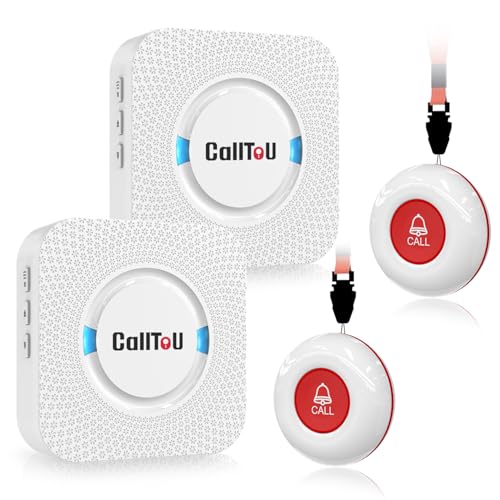
CallToU Caregiver Pager with 2 Call Buttons
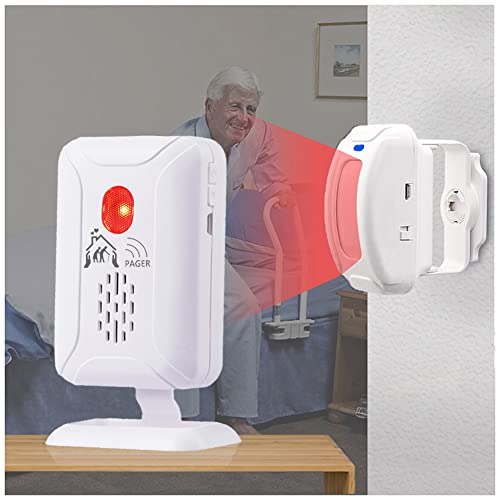
Nesthao Wireless Bed Sensor Alarm with Pager

Medical Guardian MGMini Medical Alert Device, Black

Medical Guardian MGMini Medical Alert Device, Rose Gold
Taking A Closer Look At The Options
Placing a motion sensor near a bed can alert you before a nighttime exit becomes a wandering episode. EverNary gives you a wireless sensor, a plug-in receiver, and an adjustable mounting bracket, making this a flexible option for bedrooms, hallways, doors, or entry areas.
For a busy home, the receiver can stay with you while the sensor remains in another room. Unlike the pressure-sensitive bed pad later in this list, this system responds to movement rather than a change in weight on the mattress.
The Value In It
- Detection covers a 16.4-foot range across a 110-degree field, which can cover a defined room zone.
- Five volume levels and 58 ringtones let you tune alerts for different sleeping environments.
- A flashing LED provides a visual cue when the audible alert is difficult to notice.
- One receiver can pair with up to 20 transmitters, supporting several monitored locations.
Trade Offs
- Walls and doors reduce the stated transmission distance, so room placement needs careful planning.
- The sensor relies on batteries, with USB operation also available.
Key Specs
Built With In Mind
This option suits caregivers monitoring a bedroom, hallway, or entryway across a home with several movement zones.
Another Choice May Suit
Smart Caregiver Cordless Bed Alarm Pad 20 x 30 offers a better fit when you need a specific response to someone leaving the mattress.
The strongest reason to choose this system is its specific bed-exit function. Place the 20 by 30-inch pad beneath the fitted sheet, and a change in pressure sends a wireless alert to the remote monitor when the monitored person shifts away from the sensing area.
Because the monitor can remain outside the bedroom, you gain notification without a cord running across the bed or a sound playing beside the sleeper. That makes this a practical choice for overnight supervision in a compact home care setup.
Strengths Worth Knowing
- The sealed battery and fluid-resistant construction suit a setting where spills are possible.
- A wireless range of up to 300 feet gives you room to keep the monitor elsewhere.
- Up to six compatible devices can share one monitor for a multi-point setup.
- Ten individually wrapped cleaning wipes accompany the pad for routine care.
Points To Note
- The monitor requires three C batteries or the optional AC-04 adapter.
- The pressure pad has a stated one-year lifespan and is intended for a single bed.
Feature Snapshot
Made For
You’ll appreciate this pad most for overnight care where bed exits need attention without a bedside alarm or trailing cable.
Look Elsewhere When
EverNary Wireless Caregiver Motion Sensor Pager fits situations requiring alerts from general room movement rather than mattress pressure.
Sometimes the most useful alert is the one a person can request directly. CallToU includes a portable call button and a plug-in receiver, allowing a person to summon help without relying on movement being detected automatically.
You can carry the receiver between the bedroom, kitchen, and living area, while the open-area range extends to more than 500 feet. For most single-room or small-home arrangements, that flexibility is a straightforward alternative to a sensor-based system.
Well-Handled Touches
- The one-button format makes the alert process easy to explain and use.
- A receiver range above 500 feet supports movement around a larger home.
- Receiver portability lets you remain near the person who may need assistance.
Worth Noting
- The receiver needs access to a wall outlet, limiting placement near an available power source.
- Open-area range can change once walls and floors enter the signal path.
Quick Facts
Right Fit
This simple pager serves a person who can reliably press a button and a caregiver who wants a portable receiver.
Reach For A Different Pick
CallToU Caregiver Pager with 2 Call Buttons makes more sense when two separate help points are needed.
A second call point can make sense in a home where help is needed from more than one room. This CallToU package includes two wireless call buttons and two receivers, giving a person a way to request assistance from either location.
Each receiver can move to a different part of the home, and the stated open-area range reaches beyond 500 feet. You might keep one near a bedside and another in the kitchen, though the shared range remains most predictable in a spacious, unobstructed home.
A Few Highlights
- Two call buttons reduce the need to walk to a single fixed help point.
- Two receivers provide flexibility for different rooms or caregivers.
- Portable call buttons remain within reach on a bedside table or chair.
Minor Gripes
- Both receivers require access to wall outlets.
- The pair adds more equipment than the one-button CallToU Wireless Caregiver Pager.
Who Will Love This
You’ll find this package useful when two rooms or two caregivers need independent access to an incoming call alert.
A Better Fit Elsewhere
Smart Caregiver Cordless Bed Alarm Pad 20 x 30 fits a specific bed-exit need rather than a manually summoned assistance call.
Nesthao focuses on movement around the bed rather than pressure within the mattress. You can position the wireless sensor beneath the bed to detect a foot approaching the floor, or place it near a doorway to signal that someone is leaving the room.
That placement flexibility makes this option useful for a nighttime care routine where the desired warning point may sit between the mattress and the floor. The receiver can remain outside the room, keeping the alert away from the person being monitored.
The Case For It
- Under-bed placement can alert you around the moment a foot reaches the floor.
- Doorway placement adds a wandering-alert option beyond the bed.
- A stated open-area transmission distance of 918 feet suits larger homes.
- Five volume levels let you tune the receiver to the room.
Points To Keep In Mind
- Sensor position determines which movements trigger the alert, so placement needs a practical check.
- The receiver’s alert remains outside the patient’s room rather than beside the bed.
Feature Card
Whose Shelf It Belongs On
This model suits caregivers who want early bed-edge warnings and a separate doorway alert from one wireless system.
Swap It Out When
Smart Caregiver Cordless Bed Alarm Pad 20 x 30 provides a more direct response to weight leaving a mattress.
The home-only alarms in this lineup stay tied to particular rooms, while MGMini is designed to accompany a person through the day. You can wear the compact unit with a lanyard or belt clip and use its emergency button to connect with a monitoring team through a two-way speaker.
For an active senior who spends time outside the house, that wearable format covers a different need. The subscription requirement makes this more of a service arrangement than a standalone sensor, so you should compare the ongoing commitment with the simplicity of a home pager.
Notable Upsides
- Emergency location assistance adds context beyond a fixed indoor sensor.
- Two-way communication lets you speak with the monitoring team after activation.
- Lanyard and belt-clip options support different daily carry preferences.
Things To Consider
- A subscription is required for ongoing service.
- The device depends on cellular monitoring coverage outside the home.
Core Details
Best Suited To
You’ll appreciate MGMini for a senior who regularly leaves home and can comfortably wear a small alert device.
Consider Something Else
EverNary Wireless Caregiver Motion Sensor Pager is a more focused choice for fixed room and doorway coverage.
The rose-gold version gives you the same monitored alert system as the black Medical Guardian MGMini, with a finish that may feel more comfortable for someone who normally chooses understated accessories. It remains a wearable option rather than a sensor fixed to a bed or doorway.
Pressing the emergency button opens two-way audio with the monitoring team, and emergency location assistance adds useful context when help is needed away from home. You can select either a lanyard or belt clip according to how you prefer to carry it.
What Pays Off
- The understated color may integrate more comfortably with daily clothing.
- Wearable placement keeps help access available beyond fixed indoor sensors.
- Direct two-way audio reduces reliance on one-way alarm sounds.
Factors To Consider
- Ongoing monitoring requires a subscription.
- You need cellular coverage for reliable service outside the home.
The Right Fit
This model suits a style-conscious senior who wants monitored assistance during daily activities away from home.
Where Another Pick Shines
CallToU Wireless Caregiver Pager offers a simpler fixed-home arrangement without a wearable monitoring subscription.
Matching the Alert to the Risk
A useful fall-detection setup starts with the movement you need to monitor. Bed exits, room wandering, and emergency calls require different responses, so identifying the main risk prevents you from buying equipment for the wrong location.
Bed and Room Coverage
Pressure pads excel at mattress monitoring, with Smart Caregiver Cordless Bed Alarm Pad 20 x 30 designed to signal a change in weight. Floor and doorway sensors suit broader movement tracking, making EverNary and Nesthao stronger fits for hallways, bed edges, and room exits. Compare the stated detection areas and receiver ranges with your home’s actual layout.
Help That Requires a Button
CallToU systems place control in the hands of the person needing assistance. The single-button version covers one request point, while the two-button package supports two locations. Wall placement, portability, and the person’s ability to reach and press the button deserve attention before you settle on either arrangement.
Monitoring Beyond the Home
A wearable medical alert system serves people who regularly leave their residence. Medical Guardian MGMini adds location assistance and spoken contact through a monitoring team, along with a subscription commitment. Fixed-room systems usually offer the simpler path when nearly all activity stays indoors.
Signal, Power, and Placement
Open-area range is only part of the picture because walls, doors, and floors affect wireless transmission. You should also account for plug-in receivers, battery-operated sensors, outlet locations, and sensor height. A setup that appears sufficient on paper can still need repositioning in a compact or divided home.
Common Mistakes to Avoid
Wrong Turns To Avoid
Choosing by the word “fall” can obscure how each system actually works. A pressure pad, motion detector, and wearable button create different alerts, so you need to match the response to the behavior that concerns you. Measure the intended area and check signal paths before ordering.
What The Higher Tier Buys
Premium options may add professional monitoring, location assistance, two-way communication, and a more compact wearable form. Those features matter for people who spend substantial time away from home. A simpler pager or bed sensor may provide better value when the need remains confined to one room.
Frequently Asked Questions
Are elderly fall detection devices automatic?
Some are automatic, while others require a person to press a button. Motion sensors and pressure pads react to movement or weight changes; wearable medical alert devices depend on button activation.
What type of device works best for bed exits?
A pressure-sensitive bed pad responds specifically to a person leaving the mattress. A sensor placed under the bed may instead detect a foot approaching the floor, so you should compare the alert point with your nighttime routine.
Can one receiver monitor several areas?
Several systems support multiple sensors or call buttons. EverNary pairs one receiver with up to 20 transmitters, while Smart Caregiver supports up to six compatible devices on one monitor.
Do these systems work outside the home?
Home motion sensors and bed pads have limited relevance outdoors. Wearable alert devices with cellular location assistance are better suited to travel, provided cellular coverage and the required subscription are available.
Should the receiver be audible in the bedroom?
Keeping the receiver outside the room can reduce disturbance for the person being monitored. You can then carry it or place it near your normal location while still receiving a wireless alert.
Final Verdict
Start with the location and type of risk that matter most in your home. A bed pad serves mattress monitoring, motion sensors cover rooms and doorways, and a call button gives a person direct control. For regular travel, a monitored wearable offers broader coverage, provided its subscription and connectivity fit your routine.
