

A button lying beside the phone can be the simplest link between a fallen family member and help. The right emergency alert device depends on whether you need direct emergency dispatch, a caregiver pager, or monitored protection that follows someone beyond the house.
The Shortlist At A Glance

LogicMark Freedom Alert Landline Emergency Pendant

METAK Caregiver Pager Wireless Call Button System

CallToU Caregiver Pager Wireless Call Button
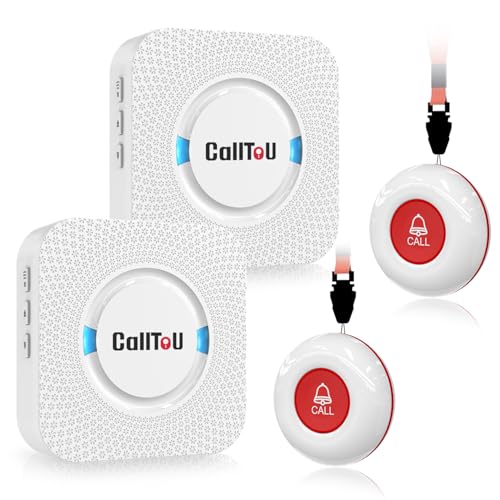
CallToU Caregiver Pager with Two Call Buttons

Medical Guardian MGMini Medical Alert Device, Black

Medical Guardian MGMini Medical Alert Device, Rose Gold

Family First Alert Advanced Mini Device with Fall Detection and GPS
More On The Choices That Made The List
A press-to-talk pendant can be reassuring for someone who rarely leaves the house but needs to reach family quickly. The LogicMark Freedom Alert uses an existing landline connection, so it suits households that already have that service and want direct two-way communication.
Unlike the caregiver pagers later in this list, it can connect with emergency dispatch personnel as well as relatives. For a homebound senior, that distinction may matter more than portability.
Everyday Wins
- One-button access to family and emergency services
- Two-way conversation removes the need to shout near a phone
- No recurring monthly service charge
- Rechargeable operation with 24-hour battery backup
Practical Considerations
- Requires compatible landline phone service
- Home-focused design suits less active users
Key Specs
Who It Suits Best
This pendant fits homebound seniors and people with disabilities who already have reliable landline service.
A Better Fit Elsewhere
The Medical Guardian MGMini Medical Alert Device, Black suits seniors who need monitored location support away from home.
A caregiver moving between the kitchen and upstairs may want an alert that follows the receiver rather than the person needing assistance. The METAK system provides that kind of in-home communication, with a wireless button and plug-in receiver.
Its expandable capacity gives it an edge over the simpler CallToU sets. Depending on the layout, that flexibility makes it practical for a large residence or a care room serving several people.
Standout Benefits
- Long open-area range supports movement around a home
- Supports as many as 30 call buttons
- Multiple receivers let alerts reach different rooms
- 58 ringtones and five volume levels simplify alert selection
- Button works on a neck strap or wall mount
Trade Offs
- The receiver requires a plug-in power source
- Wall and floor construction can reduce the stated range
- Longer range in open areas may not reflect an upstairs setup
Feature Snapshot
Made For
This system suits family caregivers and small care facilities managing several rooms or more than one resident.
Consider Something Else When
The CallToU Caregiver Pager Wireless Call Button is more appropriate for a straightforward one-person setup.
The simplest caregiver setup pairs one person who needs help with one person who can respond. CallToU uses that focused arrangement, including a wireless button, a receiver, and a stated open-area range of more than 500 feet.
Caregivers can move the plugged-in receiver between the bedroom, kitchen, or living area. That portability is useful in a modest home, although it offers less expansion potential than the METAK system.
Good Reasons To Consider
- Straightforward one-receiver, one-button arrangement
- Receiver moves with the caregiver
- More than 500 feet of stated open-area coverage
- Useful for private homes and personal care routines
Minor Gripes
- The receiver needs access to a wall outlet
- One button offers less coverage than a multi-room set
- Walls and floors can shorten the working distance
Right Fit For
This pager fits a small household where one caregiver remains responsible for one person needing assistance.
Another Choice May Suit
The METAK Caregiver Pager Wireless Call Button System suits households that need several buttons, receivers, and adjustable alert tones.
Two people sharing a home may need separate ways to summon help. This CallToU package includes two wireless call buttons and two receivers, giving each resident an accessible alert point while allowing caregivers to move between rooms.
Compared with the single-button CallToU set, the added pieces support shared-space caregiving. The stated open-area range remains more than 500 feet, so layout remains an important part of the decision.
Where It Helps
- Two buttons suit two residents or care zones
- Two receivers allow alerts in separate rooms
- Portable receiver placement follows the caregiver
- More than 500 feet of stated open-area range
- Simple pairing without a larger monitoring service
Points To Note
- Each receiver requires a nearby outlet
- Interior walls may reduce effective range
- The set remains focused on caregiver response rather than emergency dispatch
Quick Facts
Built With In Mind
This set suits shared homes where two residents need help and two caregivers share alert duties.
Look Elsewhere When
The Medical Guardian MGMini Medical Alert Device, Black suits a senior who needs a monitoring center and location assistance outside the home.
A discreet pendant gives an active senior more freedom than a wall-mounted home button. The Medical Guardian MGMini connects to 24/7 monitoring through a two-way speaker, while its location assistance adds useful context beyond the house.
Black gives the device a restrained appearance that may appeal to someone reluctant to wear a highly visible alarm. Compared with the caregiver pagers, its monitoring service provides a broader response path, though a subscription is required.
Everyday Perks
- Discreet size suits regular wear
- Two-way speaker permits direct conversation
- 24/7 monitoring offers a professional response path
- Location assistance supports use beyond home
- Lanyard and belt clip accommodate different styles
Things To Weigh
- A subscription is required for service
- Wall charging keeps the pendant nearby
Feature Facts
Who Will Love This
This device suits active seniors who want monitored help and location assistance without staying at home.
Swap It Out When
The LogicMark Freedom Alert Landline Emergency Pendant fits a homebound senior with landline service and no recurring charge.
Some people are more likely to wear a device consistently when it feels more like a personal accessory. The rose-gold MGMini keeps the core protection of the black model while offering a softer color choice for everyday outfits.
Its 24/7 monitoring, two-way speaker, SOS button, and location assistance make it a practical companion for seniors who still travel independently. Color is the meaningful distinction here, so the choice should come down to personal preference.
What Stands Out
- Rose-gold finish coordinates with subtle accessories
- Compact form supports regular wear
- Two-way voice allows direct contact with monitoring staff
- Location assistance adds context during an emergency
Small Caveats
- The monitoring subscription is required
- The pendant needs access to its charger
- Function matches the black MGMini rather than exceeding it
Perfect Match For
This version fits seniors who favor a lighter-colored wearable while still wanting monitored assistance away from home.
Where A Sibling Pick Shines
The Medical Guardian MGMini Medical Alert Device, Black suits the same needs while offering a more understated traditional color.
A fall can happen before someone reaches a wall-mounted button. This advanced mini pendant adds automatic fall detection, GPS tracking, and an SOS button, giving it a broader response toolkit than the basic pager systems.
The waterproof design also suits showers and other damp locations, while the caregiver app keeps relatives involved in the setup. It is a feature-heavy choice, and the monthly subscription is part of the ownership decision.
The Case For It
- Automatic fall detection supports unattended emergencies
- GPS tracking helps identify the wearer’s location
- Caregiver app supports family coordination
- Waterproof construction suits wet environments
- Manual SOS button provides a direct alternative
Possible Compromises
- A monthly subscription is required
- Activation requires following the setup process
- The feature set may exceed basic at-home needs
Technical Highlights
The Right Fit
This device suits independent seniors who want fall detection, GPS location support, and caregiver coordination in one pendant.
Skip It When
The CallToU Caregiver Pager with Two Call Buttons better serves a simple household setup that only needs caregivers nearby.
What Matters Before You Choose
The Connection Needs
Landline-based systems need compatible telephone service, while wireless pagers need a receiver positioned within their stated range. Mobile monitoring systems add location functions but usually require an active subscription. Check the existing setup before ordering.
The Response Path
A caregiver pager alerts someone already in the home or nearby. A monitored alert device connects the wearer with a monitoring team that can coordinate additional assistance. Your household’s ability to respond quickly should guide this choice.
The Wearable Routine
A pendant that stays charged, feels comfortable, and suits daily clothing is more likely to remain useful. Check the available lanyard or clip, the charging arrangement, and the size against normal clothing.
The Location Question
Home-only users can focus on range and receiver placement. Seniors who walk, travel, or spend time elsewhere benefit from GPS location assistance and a monitoring service.
Details That Prevent Regret
Wrong Turns To Avoid
Do not judge wireless range from open space alone, since walls and floors can shorten it. Also confirm the connection type, number of buttons and receivers, charging routine, and service terms before ordering.
What The Higher Tier Buys
Added monitoring, location tracking, fall detection, caregiver apps, and waterproofing can justify a subscription for someone who spends time away from home. A simple pager remains more economical for a household with a nearby caregiver and limited mobility.
Frequently Asked Questions
Do emergency alert devices require a subscription?
Yes, monitored devices with 24/7 response and location services usually require a subscription. The LogicMark Freedom Alert uses existing landline service without a recurring monthly charge.
What is the difference between a caregiver pager and a monitored alert device?
A caregiver pager sends an alert to a receiver in the home. A monitored alert device connects with a monitoring center that can coordinate further help.
Can an emergency pendant work outside the house?
Models with GPS tracking and cellular monitoring are designed for use beyond the home. Landline-based pendants remain tied to the household connection.
Which device suits a home with two caregivers?
The CallToU Caregiver Pager with Two Call Buttons includes two receivers and two call buttons for shared coverage. The METAK system offers broader expansion for larger homes.
Is automatic fall detection useful for a senior living alone?
It adds an automatic response when a wearer cannot reach the SOS button. Manual activation, monitoring, location support, and charging still need to be part of the setup.
Final Verdict
Freedom Alert suits fixed-home users with landline service, while the METAK and CallToU pagers serve caregivers within the house. Medical Guardian MGMini adds monitored help for active seniors, and the Family First Alert pendant goes further with automatic fall detection and GPS. Match the device to the person’s mobility, response plan, and willingness to wear and charge it.
