

After surgery, changes in swelling and mobility can make ordinary socks feel like a poor fit. Compression socks, wraps, and adjustable systems each serve a different need, so your care team’s pressure guidance matters as much as fabric and fit. These options range from soft everyday socks to adjustable wraps for people who struggle with traditional hosiery.
The Leading Options At A Glance
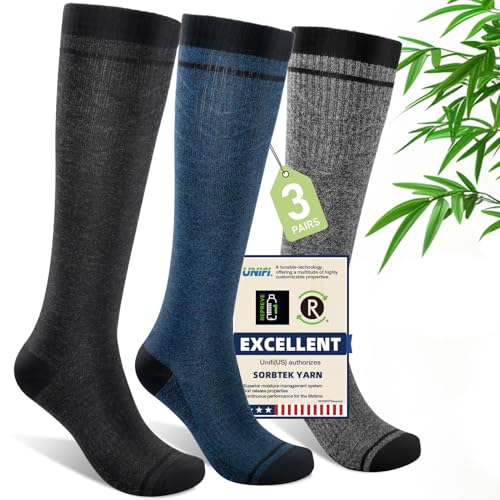
Iambamboo Flight Socks

CircAid Juxtalite Leg Wrap

LA ACTIVE 20-30 mmHg Non-Slip Grip Socks for Women & Men, Black XL

ABSOLUTE SUPPORT T.E.D. Socks

SIGVARIS 780 Toasted Almond Large Long

LEVSOX 20-30 mmHg Knee Socks
The Details Behind The Selections
Softness takes priority in the Iambamboo Flight Socks, particularly during a long flight or a recovery period spent mostly sitting. The fabric combines 80% renewable bamboo viscose with Sorbtek yarn and Lycra spandex, creating a light sock that may feel easier to wear than denser hosiery.
Graduated compression decreases from 20 mmHg at the ankle to 17 at the calf and 15 below the knee. That makes this a practical option for people who want lighter support than the 20-30 mmHg models, especially when your care team has recommended a moderate pressure range.
Advantages To Know
- Soft bamboo-viscose blend suits sensitive skin and extended wear.
- Grooved Sorbtek fibers support moisture movement and quicker drying.
- Graduated pressure follows the ankle-to-calf structure of the leg.
- Light material suits flights, travel days, and relaxed home wear.
Things To Consider
- The lowest listed pressure is 15 mmHg, so this may not match a higher-pressure plan.
- Check calf length and sizing carefully for your post-surgery footwear.
Key Specs
Built With In Mind
You’ll appreciate this pair most for long travel days or sensitive-skin routines involving moderate compression.
Where A Sibling Pick Shines
CircAid Juxtalite Leg Wrap fits you better when you need adjustable pressure or struggle to pull on standard socks.
Pulling on a fitted sock can become frustrating when your legs feel tender or your grip is limited. The CircAid Juxtalite Leg Wrap takes a different approach with an inelastic wrap, locking bands, and a built-in pressure system rather than relying entirely on your ability to stretch a conventional stocking.
That design makes it worth close attention for people who cannot comfortably manage traditional compression socks. Its selectable pressure bands range from 20-30 to 40-50 mmHg, giving you visible control, although your care team should guide that choice after surgery.
Everyday Wins
- Adjustable bands support three distinct pressure ranges.
- The wrap avoids stretching over the foot, which simplifies dressing for many users.
- Breath-O-Prene lining adds ventilation and odor-control features.
- Machine washing makes routine care straightforward.
Practical Considerations
- The 40-50 mmHg setting is much stronger than the listed 15-20 mmHg socks.
- The package includes undersocks and a guide, but setup takes more attention than pulling on a tube sock.
Feature Snapshot
The Right Fit
This system suits people with limited hand strength, dexterity, or tolerance for pulling on fitted compression hosiery.
Another Choice May Suit
Iambamboo Flight Socks are the simpler choice for you when dressing speed and soft, graduated fabric matter more than adjustability.
Wet hospital floors, airport ramps, and slick gym surfaces make the LA ACTIVE 20-30 mmHg Non-Slip Grip Socks stand apart from ordinary compression hosiery. A PVC grip pattern covers the full heel and toe, giving the sole traction when you wear the socks with shoes or move across smooth flooring.
For a recovery routine that includes frequent walking, this stronger pressure range may align more closely with plans built around 20-30 mmHg support. The black three-pair XL configuration is useful for regular rotation, although the color and size are narrower than the range offered by some alternatives.
Well-Handled Touches
- Full heel and toe grips improve stability on smooth surfaces.
- The 20-30 mmHg range provides more pressure than 15-20 mmHg options.
- Flexible nylon and spandex tubes make the socks easier to pull on.
- Machine washing and cuff size labels simplify laundry sorting.
Small Caveats
- The featured package is black, size XL, and contains three pairs.
- The grip material may feel less comfortable than a smooth sole during close indoor use.
Who Will Love This
You’ll find this pair useful during active recovery, travel, or hospital routines where secure footing matters.
A Better Fit Elsewhere
SIGVARIS 780 Toasted Almond Large Long fits you better for office wear where a sheer, dress-oriented appearance takes priority.
The ABSOLUTE SUPPORT T.E.D. Socks take a practical approach with a stay-put design, reinforced heel, and open toe. The open-toe construction leaves your toes visible, which can make it easier to check your feet during recovery and simpler to pair with footwear that leaves room at the front.
Listed at 15-20 mmHg, these socks sit in the same moderate pressure band as the Iambamboo Flight Socks. Their main distinction is practical construction rather than unusual compression, and the calf-and-ankle size chart is the feature to check before ordering.
Notable Upsides
- The stay-put design helps maintain consistent positioning through the day.
- Open toes improve visibility and leave extra room in footwear.
- A reinforced heel supports one of the highest-wear areas.
- Domestic manufacturing is part of the product’s stated construction.
Details To Watch
- The open-toe design may not suit shoes that require full toe coverage.
- Measure both calf and ankle because the listed sizing depends on both dimensions.
Essential Details
Made For
These socks suit you when steady positioning, open-toe access, and moderate pressure shape your recovery needs.
Consider Something Else When
LA ACTIVE 20-30 mmHg Non-Slip Grip Socks suit you better when stronger pressure and sole traction are the priority.
The SIGVARIS 780 Toasted Almond Large Long is the dress-oriented option in this group. Its sheer calf-high construction gives it a lighter appearance than the opaque travel socks, making it easier to wear with professional trousers, skirts, or work shoes that call for a polished look.
Graduated pressure is listed at 15-20 mmHg, matching the moderate range of the Iambamboo Flight Socks. A blend of 64% nylon and 36% spandex provides stretch, while double-covered inlay yarns create a softer inner layer against the skin.
The Case For It
- The sheer finish works well with professional and dress clothing.
- Closed toes provide full coverage for regular footwear.
- Stretch fibers make the calf-high socks easier to pull on and remove.
- The 15-20 mmHg range suits moderate-pressure routines.
Where It May Fall Short
- The sheer material offers less visual coverage than an opaque sock.
- The featured color and long size may not suit every leg length or outfit.
Best Suited To
You’ll appreciate this option when recovery clothing must remain discreet and office-ready.
Look Elsewhere When
LA ACTIVE 20-30 mmHg Non-Slip Grip Socks serve you better when stronger support and traction matter more than appearance.
The LEVSOX 20-30 mmHg Knee Socks place a stronger pressure range within a straightforward knee-high format. That makes them a relevant option for busy days involving nursing shifts, travel, or pregnancy, provided the recommended pressure matches your care plan.
Unlike the adjustable CircAid Juxtalite Leg Wrap, this option follows the familiar process of pulling on a sock. The exact construction details are less pronounced, so you may find the product most useful by focusing on the stated pressure range and checking the size and care information before purchase.
The Practical Payoff
- The 20-30 mmHg range provides more pressure than the 15-20 mmHg options.
- The stated use cases cover nursing, travel, and pregnancy routines.
Factors To Consider
- Confirm that 20-30 mmHg matches the pressure your care team recommends.
- Review the listed size and care guidance before ordering.
Core Features
Who Should Grab It
These socks suit you when a stronger pressure range and simple knee-high format fit your daily routine.
Reach For A Different Pick When
SIGVARIS 780 Toasted Almond Large Long suits you better for professional clothing and moderate 15-20 mmHg support.
What Matters Before Choosing Your Post-Surgery Socks
Start With Your Care Team’s Pressure Guidance
Compression level, expressed in mmHg, indicates how much pressure the garment applies. The six options range from 15-20 mmHg to adjustable settings as high as 50 mmHg, so a stronger product is not automatically a better one. Your care team’s recommendation should set the pressure range before you compare materials or appearance.
Check the Fit Around Calf and Foot
A sock that fits the ankle but crowds the calf can create an uncomfortable pressure point. Measure both areas and compare them with the product chart, paying attention to open toes, closed toes, knee-high length, and wrap-style construction. Footless designs may simplify dressing for you, while fitted tubes can feel neater under trousers.
Match the Design to Your Daily Routine
Travel calls for soft, breathable fabric and lower bulk. Hospital or workplace floors may reward a grip-patterned sole. Professional clothing calls for a sheer finish, while limited hand strength or dexterity favors an adjustable wrap. The Iambamboo, CircAid, LA ACTIVE, ABSOLUTE SUPPORT, SIGVARIS, and LEVSOX designs each address a different routine rather than serving as interchangeable swaps.
Two Details That Shape Your Choice
Mistakes Worth Dodging
Choosing pressure based on the product label alone can leave out the role of fit, comfort, and your prescribed plan. Avoid assuming that a stronger setting gives better support, and check whether a knee-high length, open toe, or wrap mechanism works with your footwear and dressing routine.
What Separates Premium From Basic
Specialized features such as adjustable bands, reinforced heels, sole grips, sheer hosiery, and softer blends solve more specific problems. The upgrade pays off when that construction matches a daily need, rather than simply adding more features to your cart.
Frequently Asked Questions
What compression level should you use after surgery?
Use the pressure range recommended by your care team, since each recovery plan differs. The products here range from moderate 15-20 mmHg socks to stronger or adjustable systems.
Are 20-30 mmHg compression socks stronger than 15-20 mmHg socks?
Yes, a 20-30 mmHg range applies more pressure than a 15-20 mmHg range. The appropriate level still depends on your care plan, fit, and tolerance.
Are adjustable compression wraps easier to put on?
Adjustable wraps can be easier for people with limited strength or dexterity because they avoid stretching a sock over the foot. They require more setup than conventional tube socks, however.
Which option looks best with work clothes?
SIGVARIS 780 Toasted Almond Large Long offers the sheerest, dress-oriented construction in this group. Its closed-toe calf-high shape suits professional footwear and clothing.
Should compression socks be worn with hospital footwear?
Compression socks can be paired with suitable footwear, but grip patterns and open toes affect which shoes work best. Check the toe design, sock thickness, and your care team’s instructions before leaving the hospital.
Final Thoughts
The right choice comes down to three decisions: the pressure your care team recommends, the fit around your lower legs, and the activities your socks must handle. Soft bamboo socks suit extended wear, adjustable wraps solve dressing difficulties, grip soles support stable footing, and sheer hosiery keeps recovery clothing looking polished. Choose for the routine you actually have.
