

A vitamin serum can brighten, hydrate, or support uneven tone, but choosing the wrong formula for your skin type can make the rest of your routine harder to manage. This guide covers topical vitamin products for the face, along with one liquid multivitamin for shoppers seeking a daily supplement with hair, nail, and skin support. The practical approach is to match each formula to a clear skin goal, then consider texture, ingredients, and how the product fits into your routine.
The Essentials At A Glance

Bubble Skincare Slam Dunk Moisturizer 50ml with Vitamin E and Aloe Vera

medicube Deep Vita C Pads

La Roche-Posay Hyalu B5 Serum
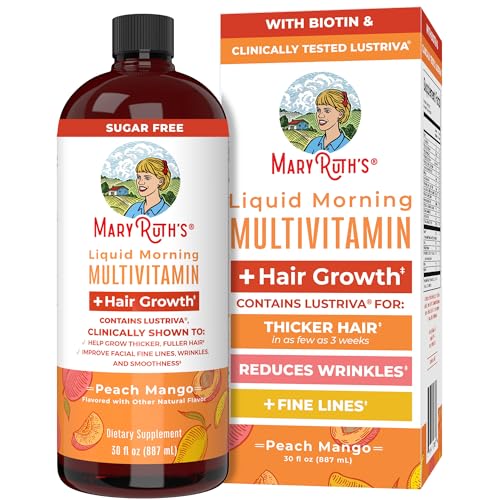
MARYRUTH’S Liquid Multivitamin

Clean & Clear 2% Salicylic Toner
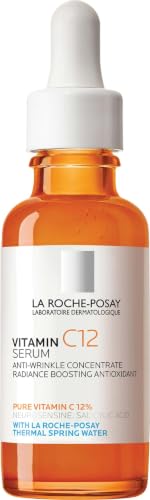
La Roche-Posay Vitamin C Serum
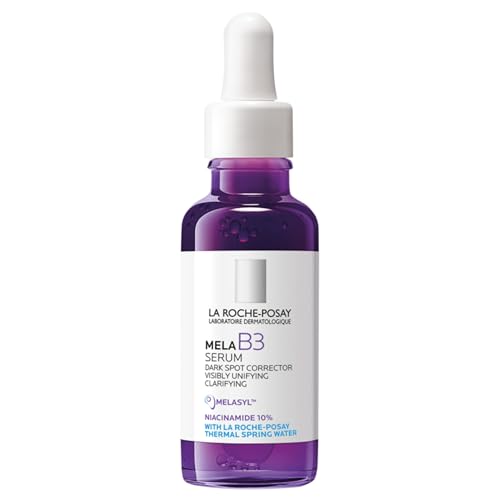
La Roche-Posay Mela B3 Serum
More Details On Our Top Picks
A 50 ml moisturizer earns its place in a carry-on or overnight bag without taking over much space. The Bubble Skincare Slam Dunk Moisturizer pairs a lightweight cream with aloe, avocado oil, and vitamin E, making it a practical choice for normal to dry skin that feels tight after cleansing.
Unlike the medicube Deep Vita C Pads, this product focuses on moisture rather than toner-pad delivery or uneven-tone care. You may find the 50 ml size especially convenient for travel, though daily users with larger routines may prefer a larger container.
A Strong Showing
- The lightweight cream is designed for normal and dry skin without feeling like a heavy finishing step.
- Aloe and avocado oil provide a softer moisturizing base for skin that needs daily replenishment.
- Vitamin E adds antioxidant support for a routine centered on hydration and barrier care.
- The compact 50 ml container travels more easily than a full-size moisturizer.
- Blue-light protection is included as part of the product’s stated facial-care positioning.
Trade Offs
- The small format may require more frequent repurchasing than a larger moisturizer.
- Its hydration focus makes it less targeted for uneven tone than vitamin C or niacinamide formulas.
Key Specs
Made For
This moisturizer suits travelers, minimalists, and anyone building a gentle routine for normal to dry skin.
A Better Fit Elsewhere
medicube Deep Vita C Pads suit shoppers who prefer a toner-pad step aimed at uneven skin tone.
A toner pad can simplify the middle of a morning routine because it brings the product, applicator, and skincare step together. The medicube Deep Vita C Pads are built around vitamin water, several vitamins, and a dark-spot ampoule, with uneven skin tone as the central goal.
That narrow focus differs from the Bubble Skincare Slam Dunk Moisturizer, which centers on lightweight moisture. For a shopper wanting a convenient vitamin step with radiance and tone goals, the single-use format is the deciding factor.
Standout Benefits
- The pad format removes the need for a separate cotton pad or dispensing step.
- Vitamin water and three types of vitamin provide a vitamin-focused approach to daily facial care.
- Dark-spot ampoule infusion gives the formula a more specific uneven-tone purpose.
- The radiance-focused positioning works well within a morning routine.
Points To Note
- The pad format may not appeal to someone who prefers a pump or splash-style toner.
- This is a targeted toner-pad product rather than the richer moisturizer some dry-skin routines need.
Quick Facts
Right Fit For
The pads suit routine-conscious shoppers who want vitamin toner care for uneven tone in a portable format.
Swap It Out When
La Roche-Posay Hyalu B5 Serum suits anyone placing hydration and barrier support ahead of toner-pad convenience.
Dryness can make a routine feel inconsistent from one day to the next, and this serum focuses on replenishing moisture. Hyaluronic acid is a humectant, meaning it attracts and holds water within the formula, while glycerin and vitamin B5 support the product’s richer hydrating position.
Compared with medicube Deep Vita C Pads, the Hyalu B5 Serum emphasizes hydration rather than a toner-pad experience or uneven tone. It also offers a different route from the Bubble Skincare Slam Dunk Moisturizer because it delivers a concentrated serum before moisturizer.
Everyday Wins
- Hyaluronic acid, glycerin, and vitamin B5 create a multi-ingredient hydration formula.
- The rich texture suits skin that feels dry or dehydrated between moisturizing steps.
- It is formulated for sensitive skin, which matters for a formula used close to the face daily.
- The serum format allows hydration to be layered before heavier cream.
- It focuses on smoother skin, moisture, and barrier support without adding a toner-pad step.
Small Caveats
- Layering it with several rich products may feel more hydration than your skin needs, so texture deserves attention during shopping.
Who Will Love This
This serum fits a simple routine for people whose priority is replenishing moisture and supporting the skin barrier each day.
Consider Something Else When
La Roche-Posay Vitamin C Serum offers a better fit for shoppers whose main goal is radiance, texture, and uneven tone.
Some vitamin routines happen in a bottle rather than a dropper. MARYRUTH’S Liquid Multivitamin provides a 30 oz liquid supplement formulated for daily wellness as well as hair, nail, and skin support, making it the only ingestible option in this group.
That distinction matters because topical products work on the skin’s surface, while a multivitamin belongs in a broader dietary routine. Shoppers seeking uneven-tone care would be better served by La Roche-Posay Mela B3 Serum than this supplement.
What Helps Most
- Liquid form avoids the tablet or capsule format, which may suit people who prefer a drinkable supplement.
- The formula is designed around daily wellness rather than a single topical skin concern.
- Hair, nail, and skin support broadens its role within a personal care routine.
Honest Caveats
- The 30 oz container requires more storage space than the travel-sized moisturizer.
- It does not replace a topical product aimed at a specific facial concern.
- Review the ingredient label against other supplements in your routine before adding it.
Feature Snapshot
Built With In Mind
This liquid multivitamin suits people seeking one daily supplement with hair, nail, skin, and general wellness support.
Not Your Match When
La Roche-Posay Mela B3 Serum is a better choice for facial care centered on visible discoloration and uneven tone.
Oily skin routines often need a toner that fits between cleansing and moisturizer without adding unnecessary heaviness. The Clean & Clear 2% Salicylic Toner combines an oil-free format with 2% salicylic acid, an ingredient associated with pore and blemish-focused skincare.
Unlike medicube Deep Vita C Pads, this is a liquid toner rather than a vitamin pad. You also get a more blemish-oriented formula, whereas the Bubble Skincare Slam Dunk Moisturizer places moisture and vitamin E at the center of the routine.
The Helpful Details
- The 2% salicylic acid concentration gives acne-prone and oily routines a defined active-ingredient focus.
- Pro-vitamin B5 helps the toner support hydration balance while remaining oil-free.
- The 8 fl oz bottle suits normal, combination, oily, and acne-prone skin types.
Things That May Matter
- It is less suited to a routine focused mainly on rich hydration or dryness.
- A toner step can be optional for minimalist routines, so consider whether your current setup needs another product.
The Right Fit
This toner suits people with oily or blemish-prone skin who want salicylic acid in a lightweight daily format.
Look Elsewhere When
Bubble Skincare Slam Dunk Moisturizer fits dry-skin routines better when lightweight moisture and vitamin E matter more.
Vitamin C is one of the easier active ingredients to recognize in a product lineup. La Roche-Posay Vitamin C Serum uses a 12% vitamin C concentration and offers two formula choices, one of which includes hyaluronic acid for added moisture support.
That gives it more radiance-focused purpose than the La Roche-Posay Hyalu B5 Serum, which centers on hydration. Depending on your routine, you may prefer the hyaluronic acid option or the version associated with salicylic acid and a brighter, clearer-looking finish.
A Few Strong Suits
- The 12% vitamin C concentration gives the serum a clear active-ingredient role.
- Two formula options allow you to compare vitamin C with hydration or salicylic acid support.
- Hyaluronic acid adds moisture to one of the formula choices.
- The serum targets radiance, uneven tone, and refined texture within one daily-care step.
Practical Considerations
- Formula choice matters, so read the ingredient lists before settling on a version.
- A concentrated vitamin C serum may feel like more than your routine needs if you already use several active products.
Important Details
Who Should Grab It
This serum suits shoppers who want a defined vitamin C concentration for radiance, texture, and uneven-tone goals.
Another Choice May Suit
La Roche-Posay Hyalu B3 Serum? No. La Roche-Posay Hyalu B5 Serum suits routines that need hydration more than a 12% vitamin C formula.
Dark spots can come from several places, including sun exposure and lingering post-acne marks. La Roche-Posay Mela B3 Serum uses niacinamide and takes a focused approach to those forms of visible discoloration, making it the most specific dark-spot product in this group.
La Roche-Posay Vitamin C Serum also addresses uneven tone, but through a different vitamin C formula. The Mela B3 Serum gives you a more narrowly defined choice when post-acne marks or sun-related spots are your main concern.
What Earns Its Place
- Niacinamide provides a clearly identified active ingredient for a discoloration-focused routine.
- The formula is aimed at sun spots, age spots, and post-acne marks rather than general moisture alone.
- Its targeted purpose makes it easier to choose when uneven tone is your main facial-care goal.
Some Limits To Know
- It is less relevant to a routine centered only on hydration or oil control.
- You may want to keep vitamin C and other targeted serums from making the routine unnecessarily complicated.
- A serum fits best after cleansing and before moisturizer, so its position is worth considering.
Core Details
Made For
This serum fits people focused on sun spots, age spots, or post-acne marks and want a niacinamide-based step.
Reach For A Different Pick When
La Roche-Posay Hyalu B5 Serum is the better fit for routines centered on replenishing moisture and barrier support.
Build a Vitamin-Centered Routine That Fits
Start With the Job
Begin by naming the part of your routine that needs attention. Hydration calls for hyaluronic acid, glycerin, vitamin B5, or a lightweight moisturizer. Radiance and uneven tone point toward vitamin C, while a more specific discoloration goal may suit niacinamide. This prevents you from choosing an active formula simply because its ingredient list looks impressive.
Match the Formula to Skin Needs
Oily and blemish-prone routines may favor the oil-free toner with 2% salicylic acid. Dry or dehydrated skin may respond better to the richer hydration profile of the Hyalu B5 Serum. The Bubble Skincare Slam Dunk Moisturizer offers a lighter option for normal to dry skin, while the La Roche-Posay Vitamin C Serum offers a more concentrated active step.
Choose a Format You Will Use
Pads suit people who value convenience, while liquids and serums can feel more familiar in a conventional routine. A 50 ml moisturizer is easy to travel with, whereas a 30 oz liquid multivitamin needs more storage and belongs in a dietary routine rather than a facial-care sequence. The best format is the one that fits your habits and counter space without creating extra steps.
Keeping Your Vitamin Routine Simple
Mistakes Worth Dodging
Do not treat every vitamin product as interchangeable, because vitamin C, niacinamide, hyaluronic acid, and salicylic acid serve different roles. Avoid stacking several strong formulas before you know how your skin responds, and check whether a supplement duplicates something already present in your routine.
What The Higher Tier Buys
A more concentrated formula, added hydration ingredient, or choice between multiple versions can make a higher-cost option more useful. You pay more for a specific formulation advantage, not automatically for a better result. A straightforward moisturizer or cleanser may still serve your needs better.
Frequently Asked Questions
Are facial vitamins topical or taken by mouth?
Facial vitamins can refer to either topical skincare ingredients or oral supplements. The topical options in this roundup include vitamin C, niacinamide, hyaluronic acid, vitamin E, and aloe, while MARYRUTH’S Liquid Multivitamin belongs to the oral category.
Which option is best for uneven skin tone?
La Roche-Posay Mela B3 Serum focuses on sun spots, age spots, and post-acne marks through niacinamide. La Roche-Posay Vitamin C Serum and medicube Deep Vita C Pads take broader radiance and uneven-tone approaches, so your preferred texture and formula ingredients should guide the choice.
Which product is focused on hydration?
La Roche-Posay Hyalu B5 Serum combines hyaluronic acid, glycerin, and vitamin B5 for a richer hydration role. Bubble Skincare Slam Dunk Moisturizer is the lighter alternative, with aloe, avocado oil, and vitamin E in a 50 ml format.
Should you choose toner pads or a liquid toner?
Toner pads suit people who value a ready-to-use applicator and fewer separate steps. The Clean & Clear 2% Salicylic Toner offers a traditional liquid format with an oil-free design and 2% salicylic acid for oily or blemish-prone routines.
Can a vitamin serum be followed by moisturizer?
Yes, many routines place a serum before moisturizer so the lighter product can sit closer to clean skin. Follow the directions on each product and avoid adding several unfamiliar active ingredients at once, since your skin’s response is easier to assess with a simple sequence.
The Takeaway
The right facial vitamin depends on the job it needs to perform, not simply the size of its ingredient list. For hydration, the Hyalu B5 Serum leads; for vitamin C and radiance, the La Roche-Posay Vitamin C Serum offers a defined choice; for discoloration, Mela B3 is more focused. Choose one clear goal, keep the routine manageable, and let consistency matter more than complexity.
