

Long flights leave you sitting still for hours, and your legs may feel tired or swollen before the plane lands. These compression socks add graduated pressure that decreases from the ankle toward the calf, making them useful for long-distance travel, overnight flights, and road trips. The right pair depends on pressure level, fit, fabric, and whether you want light support or firmer compression.
A Fast Comparison Of The Options

BLUEENJOY Copper Compression Socks

BIQU BQ-10-9-L/XL Compression Socks for Travel

SB SOX Lite Flight Socks
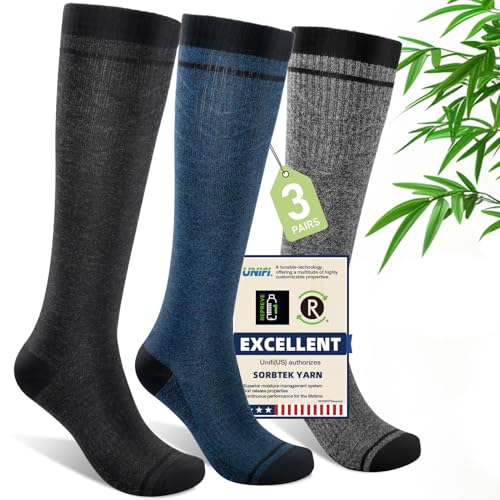
Iambamboo Flight Socks

Sigvaris Motion High Tech Socks

Sockwell Women’s Damask Socks
Inside Each Recommended Option
A flight can turn your legs into the part of your body you notice most, especially on overnight routes. The BLUEENJOY set combines copper-infused fibers, targeted compression, and a 360-degree stretch design for travelers who also want a sock suitable for workdays, workouts, and long periods of sitting.
Six pairs make it easier to keep a clean pair in your carry-on without planning around laundry. The discreet styling also works under loafers or casual shoes, so you gain travel support without choosing a sock that looks obviously athletic.
A Few Highlights
- The six-pair format suits frequent travelers who want rotation.
- Targeted zones vary from moderate to extra-firm support.
- Nylon and polyester create a stretchy, moisture-managing base.
- Copper ions add a material distinction beyond standard socks.
- A wide comfort band is designed to stay up without rolling.
Small Caveats
- Six pairs take more drawer and luggage space than a smaller set.
- People sensitive to firm pressure may prefer a lighter compression model.
Feature Snapshot
Made For
These socks suit frequent travelers, shift workers, and anyone splitting one six-pair pack between flights, workouts, and everyday wear.
Consider Something Else When
Choose SB SOX Lite Flight Socks instead when you want a clearly stated 15–20 mmHg level and detailed calf-based sizing.
The BIQU BQ-10-9-L/XL set has a broader purpose than air travel, which makes it useful on trips that include running, sightseeing, or a long shift on your feet. Its ankle-to-calf pressure pattern supplies graduated support, meaning the compression changes gradually rather than applying the same tightness along the entire sock.
Compared with the BLUEENJOY set, BIQU places more emphasis on reinforced heel and toe construction. That makes this six-pair option appealing for people who expect each pair to rotate through running shoes, travel bags, and daily wear, though the L/XL designation is a specific size choice.
Everyday Advantages
- Breathable, moisture-wicking fabric suits active use.
- Reinforced heels and toes handle repeated wear areas.
- Graduated pressure supports the ankle and calf differently.
- Six pairs support regular rotation.
Worth Noting
- The BQ-10-9-L/XL designation points to a particular size variant.
- Travelers seeking explicit pressure measurements may prefer another listing.
- Multiple pairs occupy more space in a carry-on than a single pair.
Right Fit For
These socks suit active travelers, nurses, runners, and anyone who wants one compression option for flights and demanding everyday routines.
Another Choice May Suit
Choose Sigvaris Motion High Tech Socks for a stronger 20–30 mmHg profile and a cushioned sole suited to extended standing.
SB SOX takes the guesswork out of travel sizing with calf ranges and corresponding shoe-size guidance. Its 15–20 mmHg compression sits in a lighter travel range than the firmer Sigvaris option, making it a practical starting point for long flights, road trips, and hours spent seated.
The 80% nylon and 20% spandex blend favors stretch and a close fit, while breathable construction should feel less substantial under shoes. You may need to size up when your shoe size falls above the stated calf range, so compare both measurements before ordering.
Strengths Worth Knowing
- A stated 15–20 mmHg level simplifies comparison.
- Calf and shoe-size charts aid travel fitting.
- Graduated pressure starts firmer at the ankle.
- The stretch blend balances support with flexibility.
Points To Note
- Three size ranges may not suit every calf and shoe combination.
- Travelers wanting firmer compression may find this level restrained.
Quick Facts
Who It Suits Best
This pair suits travelers who want light-to-moderate support and can use a calf measurement to select a more accurate fit.
Swap It Out When
Choose Iambamboo Flight Socks instead when softer bamboo-based fibers matter more to you than the SB SOX size chart.
Iambamboo Flight Socks put fabric softness at the center of the travel experience. Made with 80% renewable bamboo viscose alongside Sorbtek yarn and Lycra spandex, they target sensitive feet that may prefer a smoother feel during a long day of walking through airports and destinations.
Unlike the lighter SB SOX profile, this pair defines its graduated pressure at 20 mmHg near the ankle, 17 mmHg at the calf, and 15 mmHg below the knee. That gives you a useful middle ground between light travel support and the firmest option in this roundup.
The Value In It
- Bamboo viscose offers a notably soft surface.
- Moisture-wicking performance supports warm travel conditions.
- Grooved fibers help move moisture away from the skin.
- Graduated pressure is mapped across three lower-leg areas.
- The fabric remains light enough for extended wear.
Soft Spots
- Several blended materials may feel more substantial than a basic nylon sock.
- Travelers wanting minimal pressure may find 20 mmHg at the ankle firm.
Core Details
Built With In Mind
These socks suit travelers with sensitive feet, warm climates, and long destination walks after the flight.
Reach For A Different Pick When
Choose BLUEENJOY Copper Compression Socks instead when a six-pair rotation and copper-infused fibers are your main priorities.
Sigvaris Motion High Tech Socks bring noticeably firmer compression to the list. The 20–30 mmHg range is designed for people who spend substantial time standing, walking, or working on their feet, including travelers who already know that light compression does not provide enough support.
A cushioned sole and breathable knitting make the calf-high design more comfortable for extended wear, while the 64% nylon, 17% polyester, and 19% spandex blend supplies stretch. Compared with Iambamboo Flight Socks, the trade-off is firmer pressure rather than a softer bamboo-forward surface.
Everyday Perks
- Firm graduated compression suits demanding days.
- The cushioned sole adds comfort under everyday shoes.
- Breathable knitting helps manage moisture.
- Calf-high coverage supports the lower leg.
Trade-Offs To Consider
- The 20–30 mmHg level may feel restrictive on long flights.
- People new to compression may need time to adjust.
- Calf-high socks can be harder to pull on over shoes.
Technical Notes
Best Suited To
These socks suit experienced compression users, active travelers, and workers who spend much of the day on their feet.
Look Elsewhere When
Choose SB SOX Lite Flight Socks instead when you want a lighter 15–20 mmHg level for long-haul air travel.
Sockwell brings a dressier angle to the roundup. The women’s Damask design uses a decorative pattern rather than the plain athletic appearance common among travel socks, making these compression socks easier to pair with work clothes or travel outfits that call for a more polished look.
They are described as moderate graduated compression socks and use a knee-high format, which gives you lower-leg coverage without reaching above the knee. The exact pressure range, fabric blend, and sizing details should be checked on the product page before ordering, particularly for a long flight where fit is important.
Practical Advantages
- Damask styling offers a dressier travel option.
- Knee-high coverage suits lower-leg support needs.
Details To Watch
- The women-focused designation may not suit every unisex or men’s fit.
- Check the pressure rating, materials, and size chart before travel use.
Who Will Love This
These socks suit women who want moderate compression with a decorative finish that coordinates with work and evening travel outfits.
A Better Fit Elsewhere
Choose Iambamboo Flight Socks instead when a stated pressure profile, bamboo-based fabric, and detailed material composition are your priority.
What Matters Before You Pack Your Socks
Pressure Level
Compression is expressed in millimeters of mercury, or mmHg, and a higher number generally indicates firmer pressure. Light travel options around 15–20 mmHg suit many passengers, while 20–30 mmHg socks make more sense for experienced users who spend long hours standing or want stronger support. Choose based on comfort rather than assuming a firmer level works better for every flight.
Fit Across the Calf
A sock can feel wrong even when its compression level suits you, because the calf and ankle proportions vary considerably. Measure your calf and compare it with the sizing chart, then check your shoe size against the same guide. The SB SOX model makes this especially straightforward with ranges for small, large, and extra-large calves.
Fabric and Wear Time
Nylon and spandex blends tend to stretch and dry quickly, while bamboo viscose offers a softer surface against sensitive skin. Moisture management matters on warm flights or long days of walking, and reinforced heels and toes can help in shoes that receive frequent use. You also need enough pairs to rotate them without wearing the same pair damp.
Pack Size and Appearance
A six-pair set works well for frequent travelers, but it needs more luggage space than one or two pairs. Decorative finishes also matter to some people, especially on work trips where plain athletic socks may not suit the rest of the outfit. The Sockwell Damask model covers that narrower style preference.
Travel Details That Change Your Choice
Common Shopping Slip Ups
Ignoring the calf measurement is the most common fit mistake because sock size alone does not determine how graduated compression feels. Check the product page for pressure level, fabric, and size guidance before packing, and compare the sock’s cuff with your shoe collar. A crowded carry-on also makes a smaller pack easier to manage.
What The Higher Tier Buys
Firmer compression usually changes the wearing experience more than it changes the basic travel function. A 20–30 mmHg option may feel more substantial and may take time to put on, while a 15–20 mmHg sock offers a gentler starting point. The upgrade makes sense for experienced users, long workdays on your feet, or a preference for stronger support.
Frequently Asked Questions
How tight should compression socks feel on a flight?
They should feel snug without creating painful pressure, numbness, or a noticeable band around the calf. Light-to-moderate options around 15–20 mmHg are often easier for occasional travelers to wear.
Should I wear compression socks on every flight?
They are most useful on long flights, extended road trips, and days with prolonged sitting. Short journeys may not create enough time for you to notice much difference.
When should I put on compression socks for a flight?
Wearing them before the flight gives the fabric time to settle evenly over your lower legs. They remain useful throughout the journey, particularly during long periods of sitting.
Can compression socks be worn with normal shoes?
Most close-fitting compression socks fit under ordinary socks, dress shoes, and sneakers. Check the shoe-size guidance and choose a calf size that matches the measurements provided by the manufacturer.
Do higher compression levels work better?
Higher levels provide firmer graduated pressure, which can feel more substantial and may be uncomfortable for people new to compression socks. A lighter level is often the more comfortable starting point for long-distance travel.
Final Verdict
Start with SB SOX Lite Flight Socks for a clearly stated pressure range and useful sizing guidance. Choose Iambamboo Flight Socks for softer fibers, BLUEENJOY Copper Compression Socks for six-pair versatility, and Sigvaris Motion High Tech Socks for firm support. The Sockwell Damask pair stands apart for understated style, so your wardrobe should help make the final call.
