

The first steps of the morning can feel awkward when plantar fascia discomfort makes shoes and walking less comfortable. These socks target the arch, ankle, and forefoot with cushioning, graduated support, or a night-positioning design, giving you distinct options for workouts, long shifts, and overnight use. The right choice depends less on finding one universal answer and more on matching the construction to the part of your routine that bothers you most.
The Choices Worth Comparing

OGW Cushioned Arch Socks 5-Pair

Dsource Copper Athletic Support Socks
Moohome Soft Plantar Fasciitis Night Splint Sock with Arch Support, Black-Red, Medium

Dr. Motion Low Cut Socks 6-Pair

Balega Enduro V-Tech Arch Support Socks
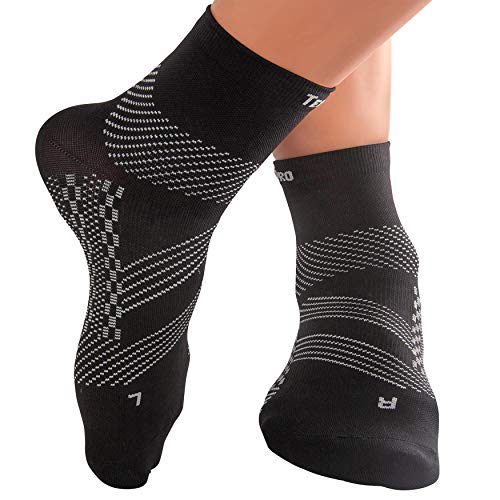
TechWare Pro Plantar Fasciitis Compression Socks with Arch Support
A Closer Look At Each Pick
These ankle socks build their support around a mid-foot compression band, which is compression applied to a specific area rather than a uniform squeeze across the whole foot. That band can help keep the sock centered during lateral movement, while the extra heel, toe, and sole padding gives your foot a softer landing during runs, gym sessions, and long walks on uneven ground.
The five-pair format makes them easier to rotate than a single pair, especially during a week with frequent workouts. Compared with the close-fitting TechWare Pro Plantar Fasciitis Compression Socks with Arch Support, the OGW pair is a more conventional athletic sock with more visible cushioning rather than a thin compression sleeve. You may find the fit more useful for activity than for all-day compression.
What Works In Its Favor
- Thick heel and forefoot padding cushions impact during running and gym work.
- The mid-foot band helps keep the sock from shifting during side-to-side movement.
- Dual-zone mesh ventilation supports airflow through the foot.
- A smooth toe and extended heel tab reduce rubbing in high-contact areas.
- Five pairs make weekly rotation simple.
Minor Gripes
- The ankle height and substantial cushioning may feel bulkier inside low-volume shoes.
Key Specs
Made For Active Days
You’ll get the most benefit as a runner, gym-goer, hiker, or person who spends long periods standing in cushioned athletic socks.
Another Choice May Suit
TechWare Pro suits you better when you prefer a slim compression sleeve that can fit comfortably inside fitted shoes.
The Dsource pair occupies a useful middle ground between a basic crew sock and a highly structured running model. Copper-infused fibers, an instep ventilation zone, and cushioning around the heel and toes create a low-cut athletic sock that can move from a brisk walk to basketball, cycling, or a full gym session without looking out of place.
Its unisex design also broadens the fit question. Unlike OGW Cushioned Arch Socks, which place more visible padding around the sole and toe, this pair keeps a lower profile. That can be easier to pair with sneakers, though the copper-infused construction may matter more to you than the arch support itself.
Useful Highlights
- Low-cut shape works with athletic shoes and everyday footwear.
- Instep mesh ventilation supports moisture control during activity.
- Heel and toe padding adds cushioning without a tall sock profile.
- The reinforced toe reduces contact with internal yarn seams.
- Copper-infused fabric adds a distinctive material choice.
Things To Consider
- Copper is part of the fabric story, but you should not treat it as a substitute for a brace or professional care.
- The low cut offers less ankle coverage than the taller OGW construction.
Who Will Love This
You’ll appreciate these socks for versatile athletic use, especially when you want ventilation and low-cut cushioning across several sports.
Where A Sibling Pick Shines
Balega Enduro V-Tech Arch Support Socks suit runners who prioritize a structured arch system and a close running-sock fit.
This is the one option designed for use overnight rather than during a run or workday. Its soft, elastic shell surrounds the foot while a rigid plate beneath the toes supports the sole and leaves room for the toes to move. A heel strap and two additional straps help hold the brace in position while you sleep.
The removable arch supports create a second option for daytime wear inside your shoes and socks. Unlike the compression-focused picks in this roundup, Moohome’s design is a positioning brace, so your main decision is whether you can sleep comfortably in a strapped device. The medium sizing and left-or-right construction make fit and side selection worth checking before ordering.
Features That Help
- A rigid toe-area plate supports the sole while preserving toe space.
- Three adjustable straps distribute the brace around the heel and lower leg.
- The thin fabric is less bulky than many conventional night splints.
- Removable arch supports can also be used inside footwear during the day.
- The same brace accommodates either the left or right foot.
Points To Keep In Mind
- You’ll need to adjust the straps carefully to prevent shifting.
- Some sleepers may find the plate and straps noticeable at first.
- The medium size needs to match your foot and lower-leg measurements.
Feature Snapshot
Built With In Mind
You’ll find this format most useful when overnight positioning fits naturally into your routine and your symptoms affect the foot or Achilles area.
Look Elsewhere When
TechWare Pro suits you better for daytime compression in a low-profile sleeve rather than a wearable night brace.
Six pairs make the Dr. Motion Low Cut Socks a straightforward option for maintaining a clean rotation during the workweek. Their ankle-height, low-cut profile can sit below the collar of many walking shoes, while the stated cushioning and breathable construction address the basic comfort needs of a frequently worn athletic sock.
The main appeal here is practicality rather than a specialized bracing system. Compared with the Moohome night splint, these socks remain ordinary footwear that you can put on before leaving home. Compared with the single Balega pair, however, you receive several pairs for rotating through the week, which may suit someone who washes socks frequently.
Why It Works Well
- Six pairs support regular rotation and convenient laundry schedules.
- The low-cut profile should work with many everyday walking shoes.
- Breathability and cushioning are the central design priorities.
Small Caveats
- You’ll want to confirm the available size and color against your usual footwear before ordering.
Quick Facts
Ready For Routine
You’ll get the most value as someone who wants a practical rotation of low-cut athletic socks for commuting, errands, and casual exercise.
Reach For A Different Pick When
Balega Enduro V-Tech Arch Support Socks suit you better when a structured running fit matters more than having several pairs ready to rotate.
Balega built this pair around a structured arch-support system that follows the foot’s contours, making it more purposeful than a basic cushioned ankle sock. The V-Tech design is particularly relevant for running, walking, and other activities where you want the sock to remain closely aligned with the foot as the heel and forefoot move.
Moisture management comes from Drynamix fibers and reinforced microfiber mesh panels positioned to promote airflow. The package contains one pair, so it may require more deliberate sock rotation than the six-pair Dr. Motion set. You may also prefer the closer, performance-oriented shape over the roomier feel of a conventional athletic sock.
Practical Advantages
- The V-Tech structure gives the arch a defined support area.
- Drynamix fibers are designed to move moisture away from the foot.
- Reinforced mesh panels add ventilation in targeted areas.
- The close running-sock fit may feel more stable during faster movement.
Trade Offs
- Only one pair is included, so several pairs may be needed for regular rotation.
- The close fit may not suit people who prefer looser socks around the toes and heel.
Who Should Grab It
You’ll likely appreciate this pick as a runner or active walker who values structured arch support and moisture control over a multi-pair package.
Consider Something Else When
Dsource Copper Athletic Support Socks suit you better when low-cut versatility and broader sports use take priority over a dedicated running structure.
The TechWare Pro approach is based on a thin compression sleeve rather than a heavily padded athletic sock. Nylon and spandex create a close, elastic fit around the foot and ankle, which may feel useful in fitted shoes where bulkier cushioning takes up too much room. The arch area adds targeted support for extended standing, walking, or recovery routines.
This close fit distinguishes it from OGW Cushioned Arch Socks and Balega Enduro V-Tech Arch Support Socks, both of which use more conventional running-sock structures. The trade-off is that a sleeve offers less padding for impact-heavy running, and the snug material may not suit you if you prefer a roomier toe box.
Everyday Advantages
- A thin sleeve can fit more easily inside close-fitting shoes.
- The stretch blend provides steady contact around the foot and ankle.
- Moisture-wicking material supports comfort during extended wear.
Worth Noting
- You’ll receive less forefoot cushioning than with the OGW or Dsource options.
- The close profile may require a careful size check, especially for sensitive feet.
Core Details
The Right Fit
You’ll find this slim sleeve most useful during long workdays, travel, or everyday wear in shoes where a full athletic sock feels excessive.
Not Your Match When
Moohome’s night splint suits you better when your priority is holding the foot in position overnight rather than wearing compression during normal activity.
What Matters Before You Buy Support Socks
Start with the moment your foot feels most uncomfortable. Morning stiffness may point toward the positioning approach offered by the Moohome night splint, while workouts call for cushioning and ventilation from OGW, Dsource, or Balega. Long shifts spent walking or standing may make the slim TechWare Pro sleeve easier to wear in dressier or fitted shoes.
Compression is a graduated squeeze, often strongest near the ankle and gentler farther up the foot. A mid-foot arch band, a thin sleeve, and an adjustable night brace create very different sensations, so choose based on the support you want rather than the word “compression” alone. Fit also matters because elastic materials that feel secure during movement can feel restrictive after hours of wear.
Cushioning affects both comfort and footwear compatibility. Plush heel and toe padding can soften repeated impact, but it may crowd a low-volume shoe. A running-oriented model such as Balega Enduro V-Tech balances structure with ventilation, while TechWare Pro takes up less space and offers a close fit.
Finally, consider rotation and care. Multiple pairs make it easier to change socks after sweaty workouts or long days at work. Check the stated size, ankle height, strap arrangement, and shoe clearance before ordering, and give any new support sock a short wear period to assess comfort rather than expecting immediate results.
Practical Checks Before Ordering
Mistakes Worth Dodging
Don’t choose a night brace simply because it resembles a sock, or select a thin compression sleeve expecting the same forefoot cushioning as a running sock. Match the construction to the time of day when you need support, and compare heel height, toe space, and strap or band placement with the shoes you already wear.
What Separates Premium From Basic
Higher-priced pairs may invest more in fiber engineering, reinforced ventilation zones, targeted arch structures, or multi-pair organization. The extra cost can be reasonable for frequent runs, hot workouts, or daily rotation, but a simpler low-cut pair may serve occasional walking just as well. Your usage frequency and footwear fit should determine whether the added construction earns a place in your drawer.
Frequently Asked Questions
Do compression socks help with plantar fasciitis?
They can provide graduated support and arch compression, which may feel more comfortable during standing, walking, or exercise. Persistent or severe symptoms still require an individualized assessment from a healthcare professional.
Should I wear compression socks overnight?
Overnight compression differs from a structured night splint because it does not hold the foot in a fixed position. A nighttime brace may be more relevant when your care routine calls for sustained positioning rather than ordinary compression.
What type of arch support should I look for?
A snug mid-foot band suits active use, while a broader or adjustable support system may suit extended wear. The right amount depends on shoe volume and your sensitivity to pressure.
Are thicker athletic socks better than slim compression sleeves?
Thicker socks usually place more padding under the heel and forefoot, making them useful for impact-heavy activity. Slim sleeves fit close-fitting shoes more easily and provide a stronger close-contact sensation without substantial padding.
How many pairs do I need?
Three to six pairs create a practical rotation for regular workouts or workdays. A single pair still works for occasional use, but frequent washing makes owning several pairs more convenient.
Final Verdict
Your best match depends on where support is needed most: OGW for cushioned activity, Dsource for versatile low-cut wear, Balega for structured running, TechWare for slim everyday compression, or Moohome for overnight positioning. Match the design to your shoes and routine, check the size carefully, and give comfort priority over promises.
