

When pollen sends you into a cycle of sneezing, watery eyes, and a stuffed-up nose, the format of your allergy product can matter as much as the relief itself. Tablets, liquids, and eye drops each address different routines, from commuting to work to keeping medicine beside a child’s school bag.
The seven options below cover adults, children, pregnancy-focused formulas, travel needs, and allergy-related eye itch. Antihistamines act on histamine, a chemical messenger involved in allergic reactions, while eye drops and liquid tinctures use more targeted delivery methods. The right choice depends on your symptoms, preferred routine, and the product directions.
The Choices Worth Comparing

Alavert 24-Hour Allergy Relief, 60 Tablets
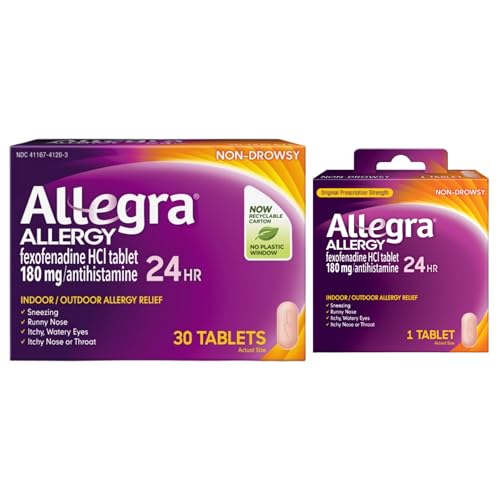
Allegra Adult 24-Hour Allergy Relief, 30+1 Tablets

WishGarden Pregnancy Allergy Tincture, 2oz

PATADAY Extra-Strength Allergy Eye Drops, 2 Pack

PATADAY Once Daily Allergy Eye Drops, 2 Pack

WishGarden Seasonal Rescue Allergy, 4oz

WishGarden Kick-It Allergy for Kids, 2oz
Taking A Closer Look At The Options
Alavert’s most useful trait is its orally disintegrating tablet, which begins dissolving when it touches your tongue. That delivery method suits adults who would rather not swallow a conventional pill, especially during a busy commute or a meeting-heavy day. The citrus-flavored formula is positioned for 24-hour relief from sneezing, runny nose, watery eyes, and nasal or throat itching.
Sixty tablets also give you a larger routine supply than the small travel-oriented set offered with Allegra. You still need to follow the package directions, but the longer count makes sense for seasonal use. The honest read is that the melt-away format, rather than a unique symptom range, gives Alavert its clearest advantage.
A Few Strong Suits
- The tablet dissolves in the mouth, removing the need to swallow a conventional pill.
- A single daily format fits routines that span a full work shift or overnight.
- Citrus flavor makes the orally disintegrating format more approachable.
- The 60-count package suits repeated seasonal use without a small tablet supply.
Points To Note
- You still need water or another beverage available if the label directions call for it.
- Its broad symptom positioning does not make it a targeted option for eye itch alone.
Feature Snapshot
Built With In Mind
This option makes sense for adults who want a once-daily, melt-away tablet for indoor and outdoor allergy symptoms.
Another Choice May Suit
Travelers are better served by Allegra Adult 24-Hour Allergy Relief, which includes a separate single-dose travel tablet.
The extra Allegra tablet creates a convenient split between your home supply and a bag, suitcase, or glove box. You receive a 30-count bottle plus one tablet packaged for travel, which solves a problem that a standard bottle cannot address as neatly. It’s a practical setup for someone who wants a full-size supply without carrying the entire container.
Each tablet contains 180 mg of fexofenadine HCl, an antihistamine used in the product for 24-hour indoor and outdoor allergy symptom relief. The listing is positioned for day or night use and is labeled non-drowsy. Compared with Alavert’s dissolving tablet, Allegra takes a more conventional pill format, so ease of swallowing is the main practical difference.
A Strong Showing
- The included single-dose tablet gives you one dose that can stay separate from the bottle.
- Fexofenadine HCl provides a clearly identified 180 mg antihistamine option.
- The 24-hour format suits routines that cross bedtime without requiring separate daytime and nighttime products.
Worth Noting
- Unlike the orally disintegrating Alavert, this is a conventional tablet that you swallow.
- The bonus tablet adds convenience, but most of the package is still a 30-count bottle.
Quick Facts
The Right Fit
Adults who divide medication between home and travel benefit most from the separate tablet included in this package.
Consider Something Else
Adults who prefer a tablet that dissolves in the mouth may find Alavert 24-Hour Allergy Relief easier to use.
This WishGarden formula is distinguished by its positioning for pregnancy and nursing use, which narrows its audience considerably. A tincture is a concentrated liquid preparation, and the 2-ounce package is intended for seasonal allergy and sinus support involving sneezing, itchy watery eyes, and nasal symptoms. The product is presented as a fast-acting liquid option, often within an hour.
Unlike the other oral choices here, its defining feature is the life-stage focus rather than pill count, flavor, or travel packaging. That makes it worth a close label review for anyone who is pregnant or nursing, especially because formulas marketed for children explicitly exclude that stage. Your priorities should include the listed ingredients, serving instructions, and any sensitivities you already know you have.
What It Does Well
- The formula is specifically positioned for people who are pregnant or nursing.
- Liquid delivery avoids the need to swallow a capsule or conventional tablet.
- It is presented for a range of seasonal sneezing, eye, and nasal symptoms.
- The 2-ounce bottle offers a smaller liquid package than the 4-ounce seasonal formula.
Some Limits To Know
- The pregnancy and nursing positioning makes this less relevant to everyone else.
- Liquid formulas require attention to the exact serving instructions before use.
Who Will Love This
Pregnant or nursing adults seeking a liquid formula with explicit pregnancy and nursing positioning will find this the most relevant option in the group.
Look Elsewhere When
Adults seeking a standard non-drowsy tablet may prefer Allegra Adult 24-Hour Allergy Relief for its conventional pill format.
This PATADAY version is built for one stubborn symptom: itchy eyes caused by common allergens such as pollen, grass, ragweed, and pet dander. Its 0.7% olopatadine formula is the stronger of the two eye-drop concentrations in this group, and the product is positioned for 24-hour relief from a single daily drop. For someone whose main problem is persistent ocular itch, that focused approach has a clear purpose.
Olopatadine is the antihistamine active ingredient in these drops, which are described as blocking histamine activity and limiting further histamine release. The action is said to begin within minutes. Compared with PATADAY Once Daily Allergy Eye Drops, the key distinction is 0.7% olopatadine and 24-hour positioning rather than 0.2% and up to 16 hours.
Points In Its Favor
- One daily drop is positioned for continuous 24-hour eye-itch relief.
- The 0.7% olopatadine concentration distinguishes it from the lower-strength PATADAY formula.
- It targets common indoor and outdoor triggers, including dander, pollen, grass, and ragweed.
- The twin pack gives you two 2.5 ml bottles for separate locations or travel.
Practical Considerations
- These drops address eye itching rather than the full range of nasal or throat symptoms.
- Your eye-care routine must accommodate a daily drop rather than a tablet taken with food or drink.
Technical Highlights
Made For
Adults whose primary complaint is persistent allergy-related eye itch will get more targeted support from this formula than from an oral allergy tablet.
Skip It When
People needing up to 16 hours of eye relief with a lower olopatadine concentration may prefer PATADAY Once Daily Allergy Eye Drops.
Lower concentration does not make this PATADAY formula less interesting for an everyday eye-allergy routine. It contains 0.2% olopatadine and is positioned for up to 16 hours of relief from itchy eyes linked to pollen, grass, ragweed, animal hair, and dander. One drop once daily keeps the routine simple, while the product is described as beginning to work within minutes.
The two 2.5 ml bottles also make sense for keeping a bottle in different parts of your home. This is the more moderate-duration choice than PATADAY Extra-Strength Allergy Eye Drops, which use 0.7% olopatadine and claim 24-hour coverage. In your view, the shorter stated duration may be enough, especially when the goal is a dependable once-daily drop rather than the strongest available concentration.
What Works In Its Favor
- One drop once daily offers a straightforward routine for recurring eye itch.
- Up to 16 hours of stated relief covers a full workday and evening period.
- The 0.2% olopatadine formula provides a distinct option from the extra-strength version.
- Two bottles make separate storage locations more convenient.
Details To Watch
- The stated relief window is shorter than the 24-hour positioning of PATADAY Extra-Strength Allergy Eye Drops.
- This formula remains limited to allergy-related eye symptoms rather than broader nasal discomfort.
Best Suited To
People seeking once-daily eye allergy relief for up to 16 hours will find this concentration and schedule well matched to their routine.
Reach For A Different Pick When
Those who prioritize 24-hour eye-itch coverage may prefer PATADAY Extra-Strength Allergy Eye Drops with 0.7% olopatadine.
WishGarden Seasonal Rescue is built around quick, liquid delivery during periods when pollen, mold, or animal dander set off sneezing, sniffles, and itchy eyes. The 4-ounce tincture is presented as absorbing faster than a capsule or gummy, making its format appealing when symptoms appear and you want something that does not need to be swallowed whole. It is also labeled non-drowsy.
The formula combines traditional southwestern herbs, including yerba santa, nettle, and echinacea, with a stated focus on histamine balance and mucus support. That approach is much closer to the pregnancy-focused WishGarden tincture than the conventional tablets in this list. The larger bottle may suit a household with repeated seasonal use, though the exact serving instructions determine how long it lasts.
The Upside
- Liquid delivery is presented as beginning quickly without waiting for a capsule to dissolve.
- The formula addresses several seasonal symptoms, including sneezing, sniffles, and watery eyes.
- Its herbal blend gives you a different option from the antihistamine tablets and eye drops here.
- The 4-ounce bottle provides more liquid than the 2-ounce pregnancy formula.
Possible Compromises
- You must measure the tincture according to its serving directions rather than taking a premeasured tablet.
- A 4-ounce bottle takes more storage space than the smaller tincture packages.
- The liquid approach may not suit you as well as a pill if you prefer a completely flavor-free format.
Feature Breakdown
Who Should Grab It
Seasonal allergy tincture users who prefer liquid delivery and a larger bottle will find this option aligned with their routine.
Swap It Out When
Adults needing a formula positioned specifically for pregnancy or nursing should consider WishGarden Pregnancy Allergy Tincture.
WishGarden Kick-It Allergy is the only option in this group explicitly designed for children, and its dosing system reflects that distinction. The liquid tincture uses weight-based pump dosing starting at 19 pounds, allowing a serving to be tailored to the child rather than based only on age. A child who dislikes pills or gummies may also appreciate the option to mix each serving into water, juice, or tea.
The formula is labeled non-drowsy and is positioned for seasonal sneezing, itchy eyes, and a stuffy or runny nose. Its herbal ingredients include yerba santa, nettle, and echinacea. One important boundary is that the product is not intended for use during pregnancy or nursing, so it is not a substitute for the pregnancy-specific WishGarden formula.
The Value In It
- Weight-based pump dosing provides a more individualized serving than a single child-size tablet.
- Mixing the liquid into water, juice, or tea offers flexibility for selective children.
- The 2-ounce bottle is smaller than the 4-ounce adult seasonal formula.
- The product targets several common seasonal symptoms in a child-oriented format.
Things That May Matter
- Weight-based dosing requires accurate measurement before each serving.
- The stated dosing range begins at 19 pounds, so lighter children fall outside its listed fit.
- The label excludes use during pregnancy or nursing, even though a separate adult formula exists.
Built For
Parents looking for a non-drowsy liquid formula for a child weighing at least 19 pounds will find the pump dosing especially relevant.
Look Elsewhere When
Adults preferring a larger liquid supply can consider WishGarden Seasonal Rescue Allergy in its 4-ounce package.
Match The Formula To Your Symptoms
Identify The Main Symptom
Start with the symptom that disrupts your routine most. A dripping nose, frequent sneezing, itchy eyes, and throat itching call for a broader oral formula, while PATADAY drops focus on eye itch alone. Matching the delivery method to the problem avoids carrying a product that mainly addresses a different part of your allergy routine.
Compare Tablets And Liquids
Alavert dissolves in your mouth, Allegra uses a conventional swallowable tablet, and the WishGarden options arrive as measured liquids. Tablets suit a predictable once-daily routine, dissolving formats reduce swallowing, and tinctures appeal when you want rapid liquid delivery. Your ability to measure or mix the liquid is the practical consideration.
Check Life Stage And Directions
The list includes general adult formulas, a pregnancy and nursing position, and a child-oriented product. WishGarden Kick-It Allergy for Kids begins at 19 pounds and is not intended during pregnancy or nursing. Read the active ingredients, serving directions, and stated symptom coverage before making the final call.
Two Details That Shape Your Choice
Mistakes Worth Dodging
A strong symptom focus can make a narrow product look like a broader solution. Eye drops may suit itchy eyes without addressing your nose, while an oral formula may not target a single ocular symptom. Match the product to the complaint, then check dosage instructions, active ingredients, and any age or life-stage directions.
The Upgrade Payoff
A higher specification or larger package may add useful concentration, duration, or portability. The two PATADAY options differ in olopatadine concentration and stated coverage, while twin packs make separate storage easier. The extra value appears only when that difference matches the routine you actually need.
Frequently Asked Questions
Which Options Begin Working Quickly?
Several options are presented for rapid action, particularly the PATADAY eye drops and WishGarden liquid formulas. The PATADAY products state that relief begins within minutes, while the WishGarden tinctures emphasize faster absorption than capsules or gummies.
Can Allegra Be Used During The Day Or Night?
Allegra Adult 24-Hour Allergy Relief is labeled for day or night use. Its 180 mg fexofenadine HCl formula is also positioned as a non-drowsy antihistamine option.
Are Allergy Eye Drops Better Than Oral Tablets?
PATADAY drops are designed for allergy-related eye itch rather than the wider range of nasal and throat symptoms addressed by oral products. They make more sense when itchy eyes are your main concern.
Which Formula Is Designed For Children?
WishGarden Kick-It Allergy for Kids is the child-focused option in this group. It uses weight-based pump dosing beginning at 19 pounds and can be mixed into water, juice, or tea.
Which Option Is Most Convenient For Travel?
Allegra includes a separate single-dose travel tablet with its 30-count package. PATADAY’s twin packs also support separate storage, which can be helpful for keeping a bottle in different locations.
Final Verdict
Your best match depends on the symptom and routine: Alavert for a dissolving tablet, Allegra for travel, WishGarden for liquid or child-specific formulas, and PATADAY for concentrated eye-itch support. Match the format to the complaint, check the stated directions, and choose the option that fits the part of your day you need it to cover.
