

A glass of water first thing in the morning can set the tone for the rest of the day, yet choosing bottled water for kidney concerns requires more attention to labels, carbonation, and serving size. You may want a simple still water, a sparkling option for meals, or a larger bottle for travel and outdoor activities. The right choice also depends on any fluid or mineral guidance from your clinician.
An Overview Of The Picks

Whole Foods Italian Sparkling Water
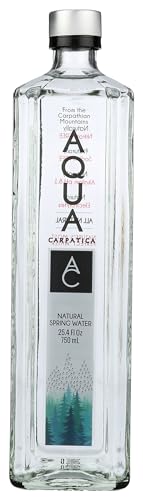
Aqua Carpatica Natural Spring Water

9.5+ pH Alkaline Water 1.5L, 12 Pack

FIJI Water 500 mL, 24 Pack

FIJI Water 1 Liter, 12 Pack

FIJI Water 1.5 Liters, 12 Pack
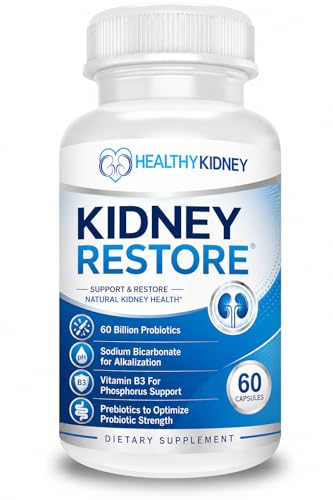
Kidney Restore Kidney Cleanse Support Supplement, 60 Capsules
A Deeper Look At The Lineup
Whole Foods Italian Sparkling Water brings a European spring character to your table without the heavier feel associated with some mineral waters. Its low-mineral profile and sharp flavor make it especially pleasant with pizza, salads, and other meals where carbonation can cut through rich sauces.
You will notice the bubbles more than the mineral intensity, which may suit people who want sparkling water but prefer a lighter taste. The 33.8-ounce bottle is generous for lunch, yet it is less convenient than the 500 mL FIJI option for a crowded work bag.
The Helpful Details
- Low mineral content supports a clean, crisp profile.
- The Italian spring origin gives the water a specific geographic appeal.
- Natural carbonation adds liveliness to everyday meals.
Worth Noting
- Carbonation may feel unsuitable with certain foods or at times when you prefer still water.
- The 33.8-ounce size takes up more bag and refrigerator space than a 500 mL bottle.
Quick Facts
Who It Suits Best
You will appreciate this option most when you enjoy sparkling water with food and want a clean, lightly mineralized taste.
A Better Fit Elsewhere
FIJI Water 500 mL, 24 Pack suits you better when portability and frequent smaller servings matter more than carbonation.
Aqua Carpatica brings a distinctly European character to your hydration routine, with a clean spring-water taste and naturally occurring electrolytes. Electrolytes are minerals such as potassium, magnesium, and sodium that carry electrical charges in the body, making the mineral profile more relevant than the word “natural” alone.
The 25.24-ounce bottle works well for a commute, a lunch break, or a short outing where carrying something larger would be annoying. It is also the only option here explicitly described as nitrate- and sodium-free, which gives you a useful label detail to check against any clinician-directed mineral limits.
The Upside
- Natural electrolytes provide a more mineral-forward experience than plain spring water.
- The label is free of sodium and nitrate, helping you compare mineral content directly.
- The single-bottle size fits comfortably into many commuter bags.
Small Caveats
- The bottle is sold as a single unit, so stocking a desk or kitchen requires several purchases.
- Electrolyte content should still fit your personal fluid plan, especially when minerals are restricted.
Core Details
Made For
This bottle fits your routine best when you commute regularly and value a compact format with a clearly stated electrolyte profile.
Consider Something Else When
Whole Foods Italian Sparkling Water is the better fit for you when carbonation and a lighter mineral taste take priority over a compact still bottle.
The 1.5-liter bottle is built for people who want plenty of water within reach at home or in an office. pH is a measurement of acidity, and this water is ionized to 9.5 or higher before potassium and magnesium are added for a rounded taste.
Unlike the smaller FIJI bottles, each serving is sized for sharing, refilling, or drinking over a long workday. The trade-off is that a large bottle may sit open longer, and its bulk can crowd a small refrigerator door.
What It Does Well
- The 1.5-liter volume reduces the need for frequent refrigerator refills.
- Potassium and magnesium give the water a more deliberate mineral taste.
- Nine-stage purification and ionization form the core of its processing.
- Recycled PET-1 plastic gives the packaging a lower-waste design.
Practical Considerations
- You may finish a 1.5-liter bottle faster than a personal 500 mL or 1-liter bottle.
- People following clinician-directed fluid limits should use their prescribed plan rather than the bottle size as a target.
Feature Breakdown
Right Fit For
This case works for you when a shared office, large household, or long workday makes larger bottles more convenient.
Another Choice May Suit
FIJI Water 1 Liter, 12 Pack suits you better when you want a substantial bottle with less bulk than the 1.5-liter option.
FIJI Water in a 500 mL bottle solves the practical problem of keeping water within reach without carrying a large container. It slips into a desk, lunch bag, or gym setup, making it useful for short commutes and days when you drink water in measured intervals.
The water gains its soft, rounded flavor through slow filtration through volcanic rock, which also allows naturally occurring electrolytes to remain in the water. Compared with the 1-liter FIJI option, this is the more manageable choice for carrying a bottle through a busy day.
What Stands Out
- The 16.9-ounce bottle is easy to carry between meetings, classes, or appointments.
- A 24-bottle case provides a useful reserve for households or small offices.
- Volcanic-rock filtration creates a smooth flavor without added carbonation.
Points To Note
- You will need storage for 24 bottles, so the full case may not fit in a small pantry.
- The smaller serving requires refills more often than the 1.5-liter FIJI bottle.
Who Should Grab It
This pack fits your routine best when portability, moderate serving size, and a larger household reserve matter most.
Look Elsewhere When
Whole Foods Italian Sparkling Water is a better fit for you when a carbonated drink with a lighter mineral profile suits the occasion better.
One liter gives you a practical middle ground between the 500 mL and 1.5-liter FIJI formats. It offers enough water for travel, hiking, or a round of golf without becoming the largest bottle in your bag.
Slow filtration through volcanic rock gives this water a smooth character and naturally occurring electrolytes, meaning the minerals arrive through the source process rather than being added. Compared with Whole Foods Italian Sparkling Water, it stays still and carries a more pronounced mineral identity.
The Good Stuff
- The one-liter size supports active days without creating excessive bulk.
- Natural filtration produces a rounded, smooth taste.
- Twelve bottles give you a useful household or trip reserve.
Room For Improvement
- One liter may feel heavier in a small daypack than the 500 mL format.
- It offers no carbonation for people who enjoy sparkling water with meals.
The Numbers That Matter
Built With In Mind
This format suits you best for hiking, golf, travel, or any day you want more water than a personal bottle can hold.
Reach For A Different Pick When
FIJI Water 500 mL, 24 Pack is the better choice for you when carrying the lightest practical bottle matters more than having a full liter nearby.
The 1.5-liter size is built around keeping a substantial reserve at home or in the office, where carrying weight rarely becomes the deciding factor. Twelve bottles give you enough supply to stock a refrigerator without turning the format into a series of tiny personal servings.
Volcanic-rock filtration supports the smooth taste and naturally occurring electrolytes associated with this water. Compared with FIJI Water 1 Liter, 12 Pack, the extra capacity suits shared spaces, though you may need more refrigerator room.
What Earns Its Place
- The 50.7-ounce bottle is well suited to sharing or keeping at a workstation.
- A large reserve reduces the need for frequent refrigerator restocking.
- Natural filtration produces a smooth, rounded drinking experience.
- The still format pairs easily with meals without carbonation.
Details To Watch
- The bottle takes up noticeably more space than the one-liter version.
- You may have leftover water in an open bottle, so smaller formats can be more practical at a desk.
Technical Highlights
The Right Fit
This pack fits you best when you keep water at home or in a shared office and prefer fewer, larger bottles.
Where A Sibling Pick Shines
FIJI Water 1 Liter, 12 Pack suits you better when you want a lighter bottle for travel or more manageable refrigerator storage.
Kidney Restore is the only capsule-based entry in this lineup, so it serves a different purpose from the seven waters. Its labeling positions it as a kidney-focused nutritional supplement, while the 60-count bottle fits a routine organized around daily capsules rather than bottled fluid.
The formula was created by a naturopath and nutritionist, and the product is made in the United States. Those details may help you narrow down a specialized supplement, although the capsule format cannot replace the simple hydration routine supplied by the bottled waters.
Points In Its Favor
- Sixty capsules provide a substantial reserve for a capsule-based routine.
- The product was developed by professionals with naturopathic and nutrition backgrounds.
- US manufacturing gives you a clearly stated production location.
Honest Caveats
- This is a supplement, not mineral water, and it does not serve as a hydration source.
- Capsules require a daily routine that plain bottled water does not.
- Anyone with kidney concerns or medication considerations should discuss it with a qualified clinician.
Whose Shelf It Belongs On
This option belongs on your shortlist only when a clinician has already discussed a kidney-focused supplement routine with you.
Skip It When
Aqua Carpatica Natural Spring Water is the better fit when your goal is straightforward bottled hydration with a stated electrolyte profile.
What Matters Before You Fill Your Bottles
Start With The Label
The first place to look is the mineral content, especially sodium, potassium, and magnesium. You may need more or less of these minerals depending on your health history and clinician-directed plan, so the word “spring” alone is not enough to make a decision. Carbonated and still water can both contribute to fluid intake, while pH mainly describes the water’s acidity level.
Match The Bottle To Your Routine
Your daily schedule should influence the serving size. A 500 mL bottle works well for a work bag, a one-liter bottle handles travel and outdoor periods, and a 1.5-liter bottle reduces refills in a shared home or office. Consider refrigerator space, carrying weight, and how quickly you usually drink.
Decide How Carbonation Fits
Carbonation is carbon dioxide dissolved in water, producing the bubbles and bright mouthfeel you notice in sparkling varieties. Whole Foods Italian Sparkling Water offers a lighter, lightly mineralized alternative to the stronger mineral character of FIJI. Choose the bubbles according to taste and meal compatibility rather than assuming one style suits every situation.
Keep Water And Supplements Separate
A bottled water handles hydration, while a capsule belongs to a separate nutritional routine. Kidney Restore may interest you only when its formulation has been reviewed by a qualified clinician who understands your medical history. You can then compare its role with the practical features of each water without confusing a supplement label with a mineral-content label.
Two Details That Change Your Decision
Wrong Turns To Avoid
Do not choose water based only on a large bottle, a high pH number, or kidney-focused marketing language. Check the serving size and mineral panel first, then match the format to your actual routine. Your clinician’s fluid and mineral guidance takes priority over any general shopping advice.
What Separates Premium From Basic
A higher-priced bottle may provide a particular spring source, naturally occurring electrolytes, a larger format, or packaging made with recycled plastic. The extra cost can be reasonable when one of those details matches your needs, but bottle size alone does not improve hydration. Compare the features you will actually use.
Frequently Asked Questions
Can mineral water support kidney health?
Mineral water can be a convenient way to drink fluid, but it has no special kidney-specific advantage. People with kidney conditions should follow fluid and mineral limits from their clinician.
Is alkaline water better for kidneys?
Alkaline water has a higher pH, which is a scale that measures acidity. Medical guidance does not identify alkaline water as a kidney-specific option, so follow your clinician’s advice on sodium, potassium, and magnesium.
Is sparkling mineral water as hydrating as still water?
Sparkling and still water can both contribute to fluid intake. The main differences are carbonation, taste, and pack size, so personal tolerance and routine matter more than the bubbles.
Does a larger bottle help me drink more water?
A larger bottle may make water more convenient, but it does not set a target for how much you should drink. People using a clinician-directed fluid plan should keep to that plan rather than bottle size.
Can a kidney support supplement replace mineral water?
Kidney Restore is a capsule supplement, not a mineral water and not a replacement for professional evaluation. Ask a qualified clinician whether any supplement fits your health needs and medication list.
Final Verdict
Match the bottle to your routine, then check the mineral panel against any guidance from your clinician. Carbonation, serving size, spring source, and electrolyte details each serve a different preference, so the most useful choice is the one you can comfortably drink and store. Keep Kidney Restore separate from your water decision and discuss it with a qualified clinician.
