

Gas trouble can turn a routine feeding into a long, unsettled stretch, especially for parents navigating breast milk, formula, or a mix of both. This lineup covers bottles with anti-colic venting, collapsible feeding pouches, and two gripe-water options that support gas-related fussiness. The right match comes down to your baby’s feeding method, the bottle system you prefer, and the features that make each feeding easier to manage.
The Lineup, Simplified

Colic Calm Plus Gripe Water 2 fl oz
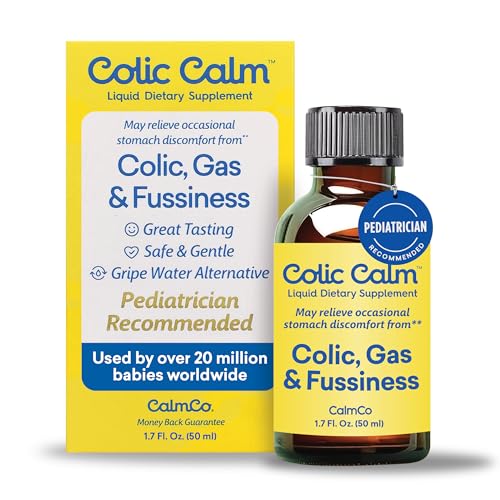
Colic Calm Infant Gripe Water 1.7 fl oz

MAM Easy Start Anti-Colic+ Bottle Set
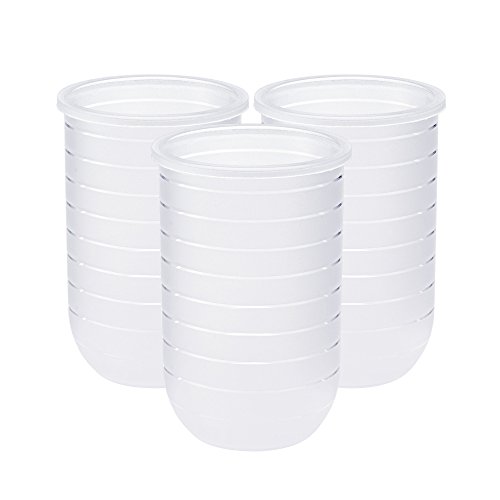
Boon Nursh Reusable Silicone Pouch 8 oz

Lansinoh Anti-Colic Glass Bottles 5 oz

NUK SafeTemp Glass Anti-Colic Bottles 4 oz

Thyseed Anti-Colic Glass Bottle 5 oz
The Details Behind The Selections
Colic Calm Plus Gripe Water is a liquid supplement rather than a bottle, so it serves a different role from the feeding systems that follow. It is intended for gas, colic, fussiness, reflux, and hiccups, with the “Plus” formula adding four homeopathic ingredients to the base blend. Caregivers looking for a larger-format option may find this more practical than the smaller Colic Calm package.
For a busy feeding routine, the included dispenser makes measured administration easier, and the liquid contains no artificial colors, artificial flavors, sugar, or simethicone. Your pediatrician can help determine whether a dietary supplement belongs in your baby’s routine. Compared with the smaller standard formula, the main distinction is the expanded ingredient profile and greater volume.
Where It Excels
- Four additional homeopathic ingredients distinguish it from the standard Colic Calm formula.
- The included dispenser supports measured, gradual administration without a separate syringe.
- It avoids artificial colors, artificial flavors, sugar, and simethicone.
- Manufactured in the USA for caregivers who prefer that production origin.
Points To Note
- This addresses symptoms as a liquid supplement, not the air-management function of an anti-colic bottle.
- Temporary black stool color is listed as a possible effect, so discuss any introduction with your pediatrician.
Feature Snapshot
Who Will Love This
You will find this useful if you are looking for a larger gripe-water format with an expanded ingredient profile and a supplied dispenser.
A Better Fit Elsewhere
Colic Calm Infant Gripe Water 1.7 fl oz suits caregivers who prefer the smaller standard formula with published clinical research behind it.
The standard Colic Calm formula offers a smaller, research-backed starting point for caregivers trying a liquid supplement for gas-related fussiness. A published clinical study supports the formula, while its ingredient list excludes artificial colors, artificial flavors, sugar, simethicone, wheat, gluten, soy, dairy, and animal products. That makes it straightforward to compare against your baby’s known sensitivities.
The bottle includes a dispenser for measured administration, and the suggested use can begin around two weeks of age with a gradual increase in dose. You still need to follow the package directions and consult your pediatrician before introducing any supplement. Compared with Colic Calm Plus Gripe Water 2 fl oz, this option uses the standard blend and offers less total liquid.
Bright Spots
- Its formula is supported by a published clinical study.
- The compact 1.7 fl oz size suits a first trial or travel bag.
- The included dispenser makes measured dosing more convenient.
- Several common food sensitivities and additives are absent from the ingredient list.
Small Caveats
- The small bottle may need frequent replacement during regular use.
- Use guidance calls for gradual dosing, so caregivers must follow the label carefully.
The Right Fit
This formula suits parents seeking a smaller first bottle of liquid gas support with published research and an included dispenser.
Consider Something Else When
Colic Calm Plus Gripe Water 2 fl oz fits you better when you prioritize a larger package and four additional homeopathic ingredients.
Unlike the two liquid supplements, MAM provides a complete bottle-based feeding system for the first stages of your baby’s routine. The set includes three 5-ounce bottles, three 9-ounce bottles, eight nipples across four flow rates, two glow-in-the-dark pacifiers, a formula storage case, and a cleaning brush. It is built for parents who want the major feeding pieces gathered in one place.
A vented base is designed to reduce air intake during feeding, while the elongated SkinSoft silicone nipple is shaped for a more natural latch. MAM reports that its dual-vent system reduced colic symptoms in 80% of babies and that the nipple design achieved 94% acceptance in its cited evaluation. You may find the assortment generous, but the number of components also takes some planning to manage.
Strengths Worth Knowing
- Two bottle capacities cover smaller newborn feeds and later formula volumes.
- Eight nipples provide slow, medium, fast, and extra-fast flow options.
- Two pacifiers, a storage case, and a brush complete the feeding setup.
- The dual-vented base specifically addresses airflow during bottle feeding.
- A stated three-minute self-sterilizing process adds convenience for daily use.
Practical Considerations
- The 9-ounce bottles may take more room than you need during the earliest feeding period.
- Keeping the bottle, nipple, pacifier, case, and brush organized requires a little space and routine.
Core Features
Built With In Mind
This set fits new parents who want multiple bottle sizes, several nipple flows, and the main accessories assembled as one feeding package.
Another Choice May Suit
Lansinoh Anti-Colic Glass Bottles 5 oz suit you more when you prefer glass and a smaller two-flow setup over a large multi-piece system.
The Boon Nursh pouch takes a different approach to gas management: the silicone container contracts as your baby drinks. That collapsing action is intended to reduce the amount of air entering the milk, which may help with gas, colic, and burping. Unlike rigid bottles, the pouch also changes shape during a feeding rather than holding a fixed volume.
Made entirely from food-safe silicone without BPA or PVC, it keeps milk away from plastic during feeding. The pouch is reusable, which can reduce the need for disposable liners over time. Its main limitation is compatibility, since this 8-ounce Stage 2 medium-flow pouch is designed for a specific Nursh setup rather than a standard threaded bottle.
Useful Strengths
- The collapsible body reduces the open space that can contribute to swallowed air.
- Food-safe silicone keeps milk from contacting plastic.
- Reusable construction supports repeated use with your Nursh system.
- The 8-ounce capacity handles a full bottle-feeding session.
Factors To Consider
- Confirm that your bottle system accepts the Nursh pouch and its Stage 2 medium flow.
- The flexible pouch is specialized, so it is less convenient for caregivers who want one standard bottle format.
Key Product Details
Made For
This pouch suits caregivers already using a Nursh system who want a reusable, collapsible feeding option designed to limit air intake.
Look Elsewhere When
MAM Easy Start Anti-Colic+ Bottle Set fits you better when you need a conventional bottle system with several sizes, nipple flows, and accessories.
Lansinoh combines glass bottle construction with nipples intended to make the move between breastfeeding and bottle feeding less disruptive. The soft, flexible nipple is designed around a more natural latch, and its universal fit works across the Lansinoh glass bottle range. That makes this a focused option for families managing both feeding methods during the same day.
The four-bottle package includes both medium-flow and extra-slow-flow nipples, giving you a sensible starting range for a newborn. A 5-ounce capacity also keeps portions relatively compact during early feeding. Compared with MAM’s larger set, you get fewer pieces and a glass-focused package, which may feel easier to organize.
Practical Advantages
- Glass construction provides a straightforward alternative to plastic bottles.
- Medium and extra-slow nipples cover two distinct early feeding flows.
- The flexible nipple is designed to support a more natural latch.
- Four 5-ounce bottles provide a practical group for preparation and cleaning.
Trade Offs
- Glass bottles weigh more than comparable plastic containers.
- The four-bottle set takes more shelf and cabinet space than a single-bottle purchase.
Who Should Grab It
This set suits breastfeeding families that want glass bottles, a natural-latch design, and a choice between medium and extra-slow flow nipples.
Swap It Out When
Thyseed Anti-Colic Glass Bottle 5 oz suits you more when a vented base, multiple micro-openings, and a breast-like extra-slow-flow nipple are your main priorities.
NUK adds a visible temperature cue to its glass bottle format, giving caregivers another way to judge milk temperature before feeding. SafeTemp uses an indicator on the bottle to show when the milk reaches the desired range. For households accustomed to checking bottle temperature, that built-in signal can simplify one step in the routine.
The breast-like nipple uses soft, medical-grade silicone intended to feel flexible and adapt to the baby’s mouth. It is designed to support a smooth transition between breastfeeding and bottle feeding. Unlike the 5-ounce options, the 4-ounce capacity favors smaller feeds, so you may prepare another bottle more often during larger feeding sessions.
Positive Takeaways
- SafeTemp provides a visible milk-temperature indicator at the bottle.
- The soft silicone nipple is shaped for a more natural latch.
- Glass construction suits caregivers seeking a non-plastic feeding material.
- The compact 4-ounce size works for smaller portions.
Practical Considerations
- The smaller capacity can require additional fills during a larger feeding.
- Glass adds weight compared with lighter plastic bottle systems.
Feature Facts
Who It Suits Best
This bottle fits caregivers who value a visible temperature cue, glass construction, and a breast-like nipple for mixed feeding routines.
Reach For A Different Pick When
MAM Easy Start Anti-Colic+ Bottle Set suits you more when you want multiple bottle sizes, four nipple flow rates, pacifiers, and storage accessories.
Thyseed concentrates on two feeding mechanics that matter during gas-prone bottle sessions: air separation and a steady milk flow. Its vented base is designed to keep air separated from milk, limiting the formation of bubbles and reducing the chance that your baby swallows excess air. The base vent was described as clinically studied and published in JAMA.
The breast-like extra-slow-flow nipple uses multiple micro-openings to distribute milk more evenly. That slower, steadier delivery can suit a newborn who needs more control during feeding. Compared with the larger MAM set, this is a focused single-bottle option, and compared with NUK’s 4-ounce design, it holds more milk but does not include a temperature indicator.
Good Reasons To Consider
- The base vent is designed to separate air from milk during feeding.
- Multiple micro-openings create a steadier nipple flow.
- The breast-like extra-slow flow suits newborns who need a gentler pace.
- Five-ounce glass construction offers a practical everyday capacity.
Where It May Fall Short
- The pack contains one bottle, so a backup requires a separate purchase.
- The extra-slow flow may need time for your baby to adjust compared with a faster nipple.
Important Details
The Right Fit
This bottle suits you when your priority is a glass body, a vented base, and a breast-like extra-slow-flow nipple for a newborn.
Where A Sibling Pick Shines
Lansinoh Anti-Colic Glass Bottles 5 oz suit you more when you want a four-bottle package with both medium and extra-slow-flow nipples.
What Matters Before You Choose a Gas-Focused Bottle
Follow Your Baby’s Feeding Method
A breastfed baby receiving occasional bottles may benefit from a breast-like nipple and a slower flow. Formula-fed caregivers may prioritize venting and enough capacity to avoid preparing another bottle mid-feed. Mixed-feeding households should look for a system that makes switching between breast and bottle less disruptive.
Understand the Air-Control Design
An anti-colic vent is a small system intended to reduce the air entering the milk. A collapsible pouch works differently, contracting during feeding to limit the space available for air. You can compare either approach with your baby’s pattern of swallowing, burping, and general feeding comfort.
Match Nipple Flow Carefully
Flow rate describes how quickly milk leaves the nipple. Extra-slow flow gives your baby more time to coordinate sucking, while medium or fast flow suits a different stage of feeding. Start by matching the flow to your baby’s pace rather than assuming a larger flow equals a better feed.
Check Care and Storage
Glass requires more care during transport because it is heavier than plastic, while a multi-piece set needs room for bottles, nipples, pacifiers, and accessories. Confirm the cleaning method, replacement-part compatibility, and available cabinet space before settling on a system.
Common Mistakes to Avoid in Baby Feeding Gear
Mistakes Worth Dodging
Choosing by appearance alone can hide differences in venting, flow, capacity, and system compatibility. Check the nipple flow against your baby’s feeding pace and make sure replacement parts fit the bottle you already own. A larger set also needs more storage and washing space, so quantity has a real daily cost.
What Separates Premium From Basic
Premium packages may add glass construction, multiple flow options, temperature indicators, larger assortments, or bundled accessories. Those extras matter when you value fewer separate purchases or more flexibility between feeding stages. A simpler bottle can be the smarter choice when your needs are narrow and your existing setup already works well.
Frequently Asked Questions
What kind of bottle helps with newborn gas?
An anti-colic bottle uses a vent or similar air-control design to limit the amount of air entering the milk. A collapsible pouch can also reduce available air space during feeding, while the nipple flow influences how steadily your baby receives milk.
Are gas-focused bottles suitable for breastfed babies?
Many are. Breast-like nipple shapes and extra-slow flow options are commonly designed for babies who alternate between breastfeeding and bottle feeding. Your baby’s latch, feeding pace, and overall comfort remain the best guides during the transition.
Should a newborn use a 4-ounce or 5-ounce bottle?
A 4-ounce bottle suits smaller portions and may require an additional fill during a larger feeding. A 5-ounce bottle usually offers more room between preparations, so your baby’s typical portion and the number of daily feedings should guide the decision.
What is the difference between a standard and extra-slow nipple?
An extra-slow nipple releases milk more slowly, giving a newborn additional time to coordinate sucking and swallowing. A standard or medium flow moves more quickly and may suit an older baby or a feeding routine that needs a faster pace.
Can gripe water be used with an anti-colic bottle?
The two address different parts of the routine. A bottle manages airflow during feeding, while a gripe-water supplement is intended for gas-related symptoms outside the bottle itself. Your pediatrician can help you decide whether a supplement is appropriate for your baby’s routine.
Closing Remarks
The most useful match depends on your feeding setup. MAM offers the broadest organized kit, Boon fits an established Nursh system, and Thyseed focuses on air control with a slower nipple flow. Glass appeals to caregivers who prefer that material, while the two Colic Calm liquids serve a different symptom-support role. Compare the details against your baby’s pace, your existing parts, and the amount of space you have at home.
