

A 6 p.m. bottle has to work hard. It needs to suit your baby’s age, feeding routine, digestive needs, and any allergy guidance you’ve received. The phrase “non toxic formula” sounds reassuring, but ingredient labels, protein types, allergens, and intended use matter much more than that phrase alone. These seven options cover infant formula, goat milk formula, and allergen introduction mix-ins so you can narrow the field without conflating products that serve very different purposes.
The Main Contenders

Alfamino Formula 14.1 oz

Ready Set Food Stage 1 Mix-Ins

HAPPY BABY A2 Formula 22.9oz

Bobbie Organic Gentle Milk-Based Infant Formula with Iron, DHA and Vitamin D 14.1 oz

Ready Set Food Stage 2 Mix-Ins

Ready Set Food Stage 3 Mix-Ins
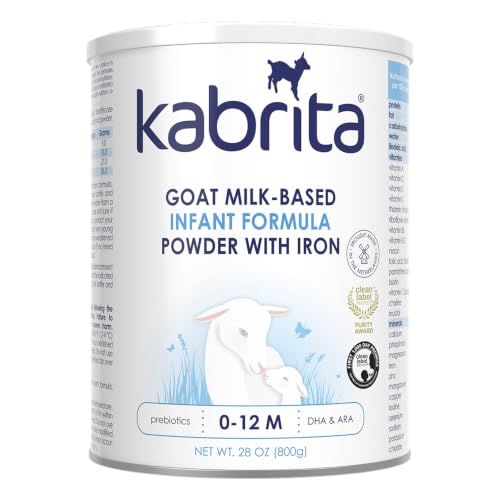
Kabrita Goat Milk Formula 28 oz
A Deeper Look At The Lineup
Families managing cow’s milk protein allergy have a different decision to make than shoppers comparing standard milk-based formula. Alfamino uses amino acids, the basic building blocks of protein, rather than relying on intact milk proteins, making it a more targeted consideration for infants with milk protein allergy, multiple food allergies, or malabsorptive conditions.
The practical benefit is a formula designed around specialized nutritional needs, including a fat blend with medium-chain triglycerides that support fat absorption. The honest catch is that this is a specialized formula rather than a general-purpose choice, so its suitability depends on the infant’s specific feeding plan.
What Pays Off
- Amino-acid structure suits families seeking a formula designed for cow’s milk protein allergy.
- Medium-chain triglycerides in the fat blend support digestion and absorption.
- Nutrient-dense formulation is intended for growth and development from birth through 12 months.
Things To Consider
- The 14.1 oz package may require more frequent refills than the larger 22.9 oz and 28 oz options.
- Heat and sunlight can damage the product, so someone may need to be available during delivery.
Quick Facts
Who It Suits Best
Parents managing an infant’s cow’s milk protein allergy or malabsorptive condition benefit most from its specialized amino-acid structure.
Where Another Pick Shines
Happy Baby A2 Formula fits a broader organic formula routine focused on A2 protein, probiotics, prebiotics, and DHA rather than a prescribed allergy-focused approach.
Introducing peanut, egg, and milk one at a time can feel more manageable when each day has its own packet. Ready Set Food Stage 1 provides a 30-day sequence for babies beginning at four months, with peanut, egg, and milk presented individually rather than combined from the start.
The packets mix into breast milk, formula, or infant food, making this practical for families building a routine around a bottle or bowl. Unlike the infant formulas in this list, it is an allergen introduction product, so it should complement rather than replace formula or breast milk.
Notable Gains
- Labeled daily packets simplify one-at-a-time introduction for a busy feeding schedule.
- Peanut, egg, and milk use real organic food ingredients without added sugar.
- Mixing flexibility works with breast milk, formula, or infant food.
Small Caveats
- Natural texture variation can occur, so thorough mixing is important.
- This product is not intended for infants with diagnosed food allergies.
Feature Snapshot
Made For
Parents starting a gradual allergen introduction at four months will appreciate the organized daily schedule and flexible mixing options.
Consider Something Else When
Kabrita Goat Milk Formula is the more relevant choice when the priority is complete infant nutrition from a goat milk-based powder rather than allergen mix-ins.
A family comparing everyday organic formula may focus on more than one protein type alone. Happy Baby combines A2 milk with probiotics and prebiotics, ingredients that support gut bacteria and digestive health, plus DHA for brain and eye development.
Its nutrient levels are also tailored as the child grows, which makes this a more general infant formula than Alfamino. For parents seeking an organic A2 option with added digestive support, the 22.9 oz package brings several relevant details into one straightforward routine.
Features That Help
- Probiotics and prebiotics support a balance of gut bacteria and regular bowel movements.
- DHA provides a nutrient associated with brain and eye development.
- A2 milk protein offers a different protein profile from standard milk-based formula.
- European organic production gives families another point to compare alongside the organic designation.
Trade Offs
- The 22.9 oz container is smaller than Kabrita’s 28 oz package.
- A2 protein should be viewed as part of the overall formula rather than a substitute for allergy-specific guidance.
Best Suited To
Parents seeking an organic milk-based formula that combines A2 protein, digestive support, and developmental nutrients benefit most from this choice.
Another Choice May Suit
Bobbie Organic Gentle Formula makes more sense for families prioritizing smaller milk proteins and lactose-only carbohydrates over probiotics and prebiotics.
Formula labels can become a wall of technical language, so Bobbie’s ingredient choices give families several concrete points to weigh. It uses lactose, the primary carbohydrate in breast milk, while leaving out corn syrup, maltodextrin, and sucrose.
The formula also uses smaller milk proteins intended to support digestion, along with iron, DHA, and vitamin D. It is milk-based rather than amino-acid based, making it more appropriate for a standard dairy-based formula comparison than for an infant whose feeding plan requires the amino-acid structure offered by Alfamino.
Where It Excels
- Smaller milk proteins are designed for easier digestion in fussier feeding routines.
- Lactose-only carbohydrates simplify comparison with breast milk’s primary carbohydrate source.
- More than 2,000 quality checks are applied to each batch.
- Iron, DHA, and vitamin D provide useful points of comparison during label review.
Details To Watch
- The 14.1 oz package is compact but may need more frequent refills.
- Because it contains milk proteins, it differs directly from amino-acid-based options.
Core Details
Right Fit For
Families seeking a milk-based organic formula with smaller proteins and a straightforward lactose-only carbohydrate profile will find several useful attributes here.
Look Elsewhere When
Alfamino Formula is the more targeted option for an infant requiring an amino-acid-based formula because of cow’s milk protein allergy.
Stage 1 handles introduction, but regular exposure is the next practical step. Ready Set Food Stage 2 provides daily peanut, egg, and milk packets intended to maintain exposure for at least two months rather than treating the first introduction as the endpoint.
That distinction matters for parents building a repeatable allergen routine. Each packet can be mixed into breast milk, formula, or infant food, so it fits comfortably into existing meals while preserving the same three-allergen focus carried forward from Stage 1.
The Upside
- Daily packets make a two-month maintenance schedule easier to follow.
- One measured packet per day reduces the need to divide ingredients manually.
- Organic peanut, egg, and milk provide real-food ingredients without added sugar.
- Mixing into a familiar food or bottle simplifies regular use.
Points To Note
- It continues the three-allergen focus rather than expanding to tree nuts, sesame, soy, or wheat.
- The mix is not intended for infants with diagnosed food allergies.
- Natural texture variation may require thorough dissolution before adding it to a full bottle.
Key Product Details
Who Will Love This
Parents who completed Stage 1 and want a measured daily routine for peanut, egg, and milk exposure will find this format especially manageable.
Reach For A Different Pick When
Ready Set Food Stage 3 Mix-Ins suit families ready to continue the routine while expanding to six additional allergens.
The broader routine begins with Stage 3 Mix-Ins, which carries peanut, egg, and milk forward while adding cashew, almond, walnut, sesame, soy, and wheat. That makes nine allergens in total, covering roughly 90% of childhood food allergies according to the product information.
Families can use it for three to six months after Stage 2, or begin here when the baby already eats solid foods. As with the earlier stages, it is a daily mix-in rather than a complete infant formula, and its intended use is not for babies with diagnosed food allergies.
Reasons It Performs
- Expands an established routine from three allergens to nine without changing formats.
- Uses proteins from peanut, egg, milk, cashew, almond, walnut, sesame, soy, and wheat.
- Organic ingredients are combined without added sugars, sweeteners, or fillers.
- Labeled daily packets keep portions consistent across the 30-day sequence.
Honest Caveats
- The expanded allergen list requires a routine that moves beyond the simpler Stage 1 setup.
- Starting with Stage 3 depends on the baby already eating solid foods unless Stage 2 came first.
- It is not intended for infants with diagnosed food allergies.
Built With In Mind
Parents managing a more established allergen routine benefit from the wider food coverage and familiar daily packet format.
Swap It Out When
Ready Set Food Stage 1 Mix-Ins are the clearer starting point for a baby beginning allergen introduction rather than expanding an existing schedule.
Goat milk is the defining reason to consider Kabrita, not simply a marketing variation on cow’s milk formula. The formula uses European goat milk with naturally occurring A2 protein, and goat milk proteins form softer curds during digestion, which supports the gentle-digestion positioning for healthy infants.
The 28 oz package also holds the largest listed container in this group, which may suit families who want fewer refills. Still, goat milk remains a milk-based protein source, so it should not be confused with Alfamino’s amino-acid formula for a cow’s milk protein allergy.
Noteworthy Benefits
- European goat milk provides a distinct base for families seeking an alternative to cow’s milk formula.
- A2 protein offers a useful comparison point for families already considering Happy Baby A2.
- Soft curds during digestion support the formula’s gentle-digestion design.
- The 28 oz container reduces refill frequency compared with the smaller options listed.
Factors To Consider
- Goat milk is still a milk protein, so it differs from amino-acid-based formula.
- The product is designed for healthy infants rather than infants with diagnosed food allergies.
The Main Details
Whose Shelf It Belongs On
Healthy infants and families specifically seeking goat milk with A2 protein benefit most from this option.
A Better Fit Elsewhere
Bobbie Organic Gentle Formula serves families wanting cow’s milk proteins, lactose-only carbohydrates, and a shorter ingredient profile instead of goat milk.
What Matters in an Infant Formula Decision
Match the Formula to the Feeding Plan
Start with the reason your family needs a particular formula. Cow’s milk protein allergy calls for a closer look at amino-acid structure, while a general feeding routine may make protein type, carbohydrates, and developmental nutrients more useful comparison points. Goat milk formula serves another distinct protein profile, and allergen mix-ins belong alongside feeding rather than in place of complete formula.
Read Beyond the Front Label
Organic status, A2 protein, lactose, added sugars, and allergen coverage each describe a different attribute. Two products can carry similar sounding labels while using different protein structures or serving different age stages. Reading the ingredient and nutrition panels prevents a broad label from making the decision for you.
Compare Practical Ownership Details
Package size affects how often you refill and store the product. Mixing format matters too, especially for Ready Set Food powders, where thorough dissolution and the baby’s existing food or bottle routine affect daily convenience. Delivery handling also deserves attention for formulas that can be damaged by heat or sunlight.
Separate Formula From Allergen Mix-Ins
Ready Set Food Stage 1, Stage 2, and Stage 3 are sequential allergen introduction and maintenance tools. Alfamino, Happy Baby, Bobbie, and Kabrita are complete infant formulas. Treating both categories as interchangeable can lead to the wrong choice for a feeding plan.
Smart Choices Need Context
Mistakes Worth Dodging
Don’t assume organic, non-GMO, or non-toxic wording answers every feeding question. Check protein type, intended age, allergen content, and whether the product is complete formula or a mix-in. For diagnosed allergies, follow the guidance already established for your child rather than relying on front-label claims.
What The Higher Tier Buys
A more specialized formula may add probiotics, prebiotics, amino acids, smaller milk proteins, or a larger package. Those additions are useful only when they match your priorities. Compare what changes in the routine and what each added feature contributes before settling on a more specialized option.
Frequently Asked Questions
What Does Non Toxic Formula Mean for Infants?
It is a broad marketing description rather than a precise technical category. You still need to examine ingredients, protein type, allergens, age guidance, and the product’s intended use.
Does Organic Formula Automatically Count as Non Toxic?
No. Organic production standards describe how ingredients are sourced and processed, but they do not replace a review of protein type, allergens, carbohydrates, and nutritional content.
Are Allergen Mix-Ins a Replacement for Infant Formula?
No. Ready Set Food products are mix-ins for allergen introduction or continued exposure. Breast milk or complete infant formula remains necessary for standard nutrition.
How Do Amino Acid and Milk-Based Formulas Differ?
Amino-acid formulas break protein into smaller building blocks and may suit allergy-focused feeding plans. Milk-based formulas retain intact milk proteins and may emphasize lactose, A2 protein, or gentler protein digestion.
Which Option Fits a Cow’s Milk Protein Allergy?
Alfamino is specifically designed for infants with cow’s milk protein allergy because its protein is amino-acid based. The other milk-based and goat milk options serve different feeding purposes.
Final Thoughts
Your most useful choice depends on the reason you are comparing formulas. Allergy-focused families should examine Alfamino closely, while routine feeding decisions may favor Happy Baby, Bobbie, or Kabrita based on protein type and label details. The Ready Set Food stages belong in a separate allergen routine, where sequence and consistency matter most.
