

A cluttered workday can leave your breathing shallow and your mind stuck on the last difficult task. Vagus nerve stimululators range from guided books and digital protocols to exercise cards and electronic muscle stimulation, so the most useful choice depends on whether you want structured lessons, a daily routine, or hands-on tools. These options can help you create a calmer, more consistent approach to everyday self-regulation.
The Essentials At A Glance

Vagus Nerve Reset for Anxiety: 21-Day Video Healing Protocol

Polyvagal Theory and Exercises 2 in 1 Guide

Vagus Nerve Reset Workbook: Step-by-Step Guide

Nervous System Regulation Workbook: Polyvagal Exercises

AVCOO 3-in-1 TENS Unit with EMS, 32 Modes
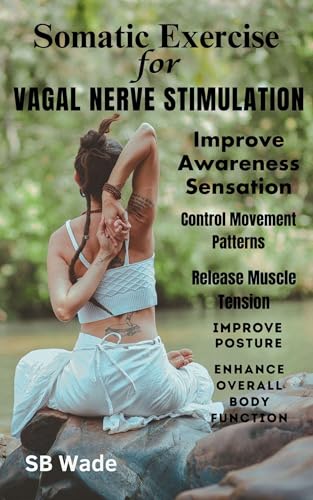
Somatic Exercises for Vagal Nerve Stimulation: Body Awareness and Control

Vagus Nerve Deck: 70 Exercise Cards for Reset and Calming Practices
More Details On Our Top Picks
A five-minute daily video gives this digital program the feel of a manageable habit rather than a demanding course. The 21-day sequence adds a clear endpoint, while delivery choices let you read on a compatible device. Unlike the broader workbooks later in the list, it prioritizes short guided sessions over written self-assessment.
This format suits busy commuters, caregivers, and anyone who finds long reading difficult to sustain. In practice, the fixed daily structure may be easier to follow than choosing exercises independently, although a digital routine still requires access to a suitable screen.
Strong Points
- Short video sessions fit into demanding mornings.
- A 21-day sequence supplies a clear starting point.
- Digital delivery supports use across your devices.
- The guided format reduces the need to design your own routine.
Things To Consider
- You need a compatible device and a quiet five-minute window each day.
- The video-led structure offers less written tracking than a workbook.
Feature Snapshot
Made For
This program best fits beginners who want a concise, guided routine they can complete in about five minutes each day.
Where A Sibling Pick Shines
Choose the Vagus Nerve Reset Workbook for people who prefer written exercises and personal progress tracking over video guidance.
This guide pairs polyvagal theory with practical exercises, giving you a place to begin understanding the concepts before applying them. Polyvagal theory is a framework for thinking about automatic bodily responses and states of arousal. Compared with the 21-day video program, this book offers more room to study the ideas at your own pace.
It is a sensible match for people who want both an explanatory framework and guided practice. The trade-off is that a concept-focused book may feel less immediately routine-oriented than short daily videos, particularly during a stressful week.
Why It Works Well
- Combines background learning with applied exercises.
- Offers a clearer theoretical foundation.
- Supports a self-paced study routine.
- Useful for understanding stress-response patterns.
Worth Noting
- Its conceptual focus may take more attention than a short video routine.
- You may prefer a workbook with more explicit tracking sheets.
Core Details
Who It Suits Best
This guide fits people who want to understand the theory before building a personal practice around it.
Consider Something Else When
The Nervous System Regulation Workbook offers a broader exercise curriculum for people who want more guided worksheets and chapters.
Unlike the theory-focused Polyvagal Theory and Exercises 2 in 1 Guide, this workbook turns the subject into a set of concrete worksheets. You can identify bodily stress signals, work through an emergency-calm sequence, map triggers, and use a nutrition guide to support your routine. That makes it especially practical for people who learn by writing and reflecting.
For daily use, the five-minute emergency-calm kit offers a manageable starting point. The honest trade-off is that a workbook depends more on your own follow-through, so pages left blank will not produce the same structured reflection as completed exercises.
Key Advantages
- Five named tools create a practical workflow.
- Worksheets help you record triggers and responses.
- The emergency-calm kit fits brief pauses.
- Written prompts encourage deliberate reflection.
- Nutrition guidance broadens the routine.
Minor Gripes
- It needs regular writing rather than passive video viewing.
- Several tools may feel redundant after you establish your favorite routine.
- Its five-minute kit is shorter than the broader programs elsewhere.
Feature Rundown
Best Suited To
This workbook best serves people who want written prompts, trigger tracking, and short calming exercises in one place.
A Better Fit Elsewhere
The Vagus Nerve Deck offers a more visual format for people who would rather draw a card and follow a prompt than complete worksheets.
Ten progressive chapters and more than 60 practical exercises make this the most expansive workbook in the group. It combines polyvagal theory, somatic practices, real-life examples, and guided worksheets, with a Regulation Cycle Compass to help organize the process. Compared with the five-tool Vagus Nerve Reset Workbook, it offers a deeper and longer course.
The workbook suits people who enjoy a multi-week curriculum and want examples alongside exercises. You may not need every activity, and the volume can feel substantial after a demanding day, so choosing one or two relevant chapters may produce a more sustainable routine.
Real Benefits
- Progressive chapters support gradual learning.
- More than 60 exercises provide variety.
- Guided worksheets translate concepts into action.
- Real-life examples help connect each activity to daily situations.
- The cycle compass offers a way to organize practices.
Possible Compromises
- The scope may exceed what a casual user wants to complete.
- Its depth calls for more consistent engagement than a quick routine.
Who Should Grab It
This workbook fits committed learners who want a progressive curriculum and many exercises to sample over time.
Another Choice May Suit
The Vagus Nerve Reset for Anxiety is more convenient for people who prefer brief daily videos and a defined 21-day sequence.
This is the only electrical option in the group, combining TENS, EMS, and Relax modes in a dual-channel unit. TENS uses electrical pulses to target pain, while EMS is designed to stimulate muscles, so this is a muscle-stimulation device rather than a vagus-specific tool. The 32 modes and included EVA case make it more adaptable than a simple single-function unit.
People focused on sore muscles after desk work, exercise, or household chores may value the hands-on format. Follow the unit’s placement and intensity instructions carefully, particularly for sensitive areas, and do not confuse its muscle-focused modes with the breathing and somatic practices offered by the books and cards.
Where It Excels
- Combines three stimulation approaches in one unit.
- Dual channels allow broader session options.
- Thirty-two modes support varied preferences.
- The EVA case simplifies storage and transport.
Less Ideal Details
- It does not provide the vagus-specific exercises found in the other picks.
- Electrode placement and intensity require careful attention.
- Unlike a workbook or card deck, it requires physical setup.
Quick Facts
Right Fit For
This unit fits shoppers focused on at-home muscle stimulation who want several electrical modes and a portable case.
Swap It Out When
The Vagus Nerve Deck is a better choice for people seeking non-electrical breathing, humming, and gentle movement prompts.
Somatic exercises focus on awareness of movement, tension, posture, and body control. This digital book targets people who want to connect vagus nerve stimulation concepts with physical practice rather than rely only on written reflection. Compared with the AVCOO unit, the approach is movement-based and requires no powered device.
It may be a good fit for desk workers, dancers, and fitness enthusiasts who notice how posture or muscle tension changes during the day. The trade-off is a narrower focus than the comprehensive Nervous System Regulation Workbook, so you may need another resource for broader nervous system education.
Bright Spots
- Connects somatic movement with vagus nerve practices.
- Emphasizes posture and body awareness.
- Supports active, non-device-based routines.
- Suits people who prefer movement to reading exercises.
Where It May Fall Short
- Its movement focus is narrower than a full regulation curriculum.
- Digital delivery requires a compatible device.
- You may need to pair it with a broader workbook for written tracking.
Built With In Mind
This book fits active users who want to explore body awareness, posture, and gentle somatic movement through a digital guide.
Reach For A Different Pick When
The Nervous System Regulation Workbook suits people who need more chapters, worksheets, and varied regulation exercises.
Seventy cards make this a playful alternative to reading a chapter or setting up an electrical unit. The exercises include breathing, humming, ear massage, and gentle movement, so you can choose a prompt without designing a full session. Unlike the AVCOO device, it uses no electrical stimulation and needs no intensity adjustment.
This deck suits people who like a little variety and want a practice within reach during a break. Seventy cards will take more room than a single book or eBook, and the range may eventually include exercises that do not suit your preferences, so consider your willingness to sample different prompts.
What Works In Its Favor
- Seventy prompts provide plenty of variety.
- Breathing and humming offer low-setup practices.
- Card prompts work without a powered device.
- You can select one activity instead of completing a full lesson.
- The deck suits spontaneous, short breaks.
Practical Considerations
- Seventy cards require more storage than a single digital guide.
- You may need to try several prompts before finding your favorites.
The Key Facts
Whose Shelf It Belongs On
This deck fits people who want varied, low-setup calming prompts they can use during short daily breaks.
Look Elsewhere When
The Vagus Nerve Reset Workbook is a better fit for people who prefer written exercises, structured reflection, and progress tracking.
What To Look For In A Vagus Nerve Stimulator
Match The Format To Your Routine
A short video program works well for consistency, while a workbook suits people who prefer writing and reflection. Choose based on the habit you can realistically maintain. A ten-minute routine that fits naturally into your day is generally more useful than an ambitious program you may rarely open.
Decide Between Education And Exercises
Theory-centered guides explain polyvagal concepts and the body’s automatic stress responses. Exercise-led choices provide more direct prompts for breathing, movement, muscle awareness, or body tracking. Consider whether you want to understand the framework first or begin with a guided activity.
Check Electrical Requirements Carefully
The AVCOO option uses TENS, EMS, and Relax modes for muscle stimulation rather than vagus-specific practices. Review electrode placement, intensity controls, and operating instructions before use. Do not assume it performs the same function as the books, workbooks, and cards.
Common Shopping Slip Ups
Mistaking Similar Categories
A TENS or EMS unit stimulates muscles and may be useful for a different goal than vagus nerve practices. Check the product type carefully rather than assuming every item labeled as a stimulator works in the same way. Books and cards require no electrical connection.
Choosing By Terminology Alone
Terms such as polyvagal theory, somatic exercise, and nervous system regulation can describe different formats. Decide whether you want concepts, worksheets, guided videos, or a physical tool. That distinction makes the shortlist much easier to narrow.
What Separates Premium From Basic
More Tools Can Create More Choice
A larger program may offer more chapters, exercises, worksheets, or card prompts. The extra depth is worthwhile for people who want variety and progressive learning. A shorter guide can feel more manageable for occasional use.
Frequently Asked Questions
Are Vagus Nerve Stimulators Medical Devices?
Not all of them are. This list includes digital books, workbooks, exercise cards, and one TENS and EMS muscle-stimulation unit, so their functions differ.
What Type Is Best for Beginners?
A short, structured program is usually easier to begin. The 21-day video protocol offers a clear sequence, while the Vagus Nerve Deck lets you choose one simple prompt at a time.
Do Vagus Nerve Exercises Require Equipment?
Most options in this list use no powered equipment. They rely on practices, exercises, or written guidance, while the AVCOO unit requires electrodes and an electrical connection.
Can a Workbook Replace a Guided Video Course?
A workbook provides more space for reflection and tracking, while videos make the schedule more explicit. Your preference for active participation versus passive guidance can guide the choice.
Which Option Is Most Portable?
The Vagus Nerve Deck avoids screens and powered components, although 70 cards still need storage. The digital guides are also portable because they can be accessed on compatible devices.
Final Verdict
Your best match depends on your routine rather than a single universal device. Choose the video program for short daily guidance, a workbook for reflection, a card deck for varied prompts, or the AVCOO unit for electrical muscle stimulation. Start with the format you will realistically use, then narrow your choice by the kind of support your day needs.
