

A partner snoring, a rattling train, or a crowded concert can turn background noise into a serious problem. Sound reducing ear plugs help, but the right pair depends on whether you need softer surroundings for sleep, adjustable sound for daily life, or stronger protection in loud work environments. These options cover several of the most common needs, from reusable silicone models to disposable foam plugs and filtered earplugs designed to keep music clear.
A Snapshot Of The Selections

Loop Switch 2 Ear Plugs

Mack’s Original Soft Foam Ear Plugs, 50 Pair, 33dB NRR

OSOF Pink Purple Ear Plugs

IKG Reusable Silicone Ear Plugs with 8 Tips

ZovGemy Reusable Ear Plugs, Black

3M E-A-R Classic 310-1060 Foam Ear Plugs

Quality Plugs by Rips 100-Pair Corded 25dB Silicone Ear Plugs
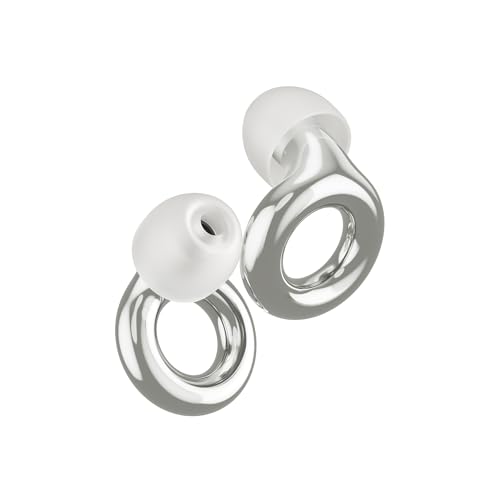
Loop Experience 2 Earplugs
Meet The Standout Selections
A single pair of earplugs rarely handles a full day equally well. Loop Switch 2 gives you three listening modes, so you can soften a noisy commute, hear a barista more clearly, or move into a quieter setting without swapping earplugs.
The in-ear dial makes the adjustment physical rather than electronic, and no batteries are required. Compared with the fixed filtering of Loop Experience 2, this model offers more control for people whose surroundings change throughout the day.
Notable Gains
- Three modes let you tune the amount of outside sound for different settings.
- A listed SNR of 20 to 26 dB provides meaningful passive noise reduction.
- Four tip sizes help you find a seal that suits your ear shape.
- The slim body and angled nozzle support discreet, extended wear.
- A molded carry case gives the plugs and extra tips a protected home.
Trade Offs
- The dial adds more bulk than a fixed silicone plug, and the lower reduction mode does not equal the strongest 26 dB setting.
Key Specs
Right Fit For
You benefit most from these earplugs when sleep, travel, and conversations all occur within the same day.
Where A Sibling Pick Shines
Loop Experience 2 suits you better when filtered music at a concert matters more than adjustable everyday listening.
Noise at work, a snoring partner, or a flight that rattles for hours can justify a simple disposable foam plug. Mack’s Original Soft Foam Ear Plugs use slow-expanding foam to create a seal without the rigid structure of a reusable silicone model.
The 50-pair jar suits households or workplaces that need a supply on hand. You get more protection than the Loop Switch 2’s lowest listed setting, although you give up the ability to hear conversations as clearly.
What It Does Well
- The 33 dB NRR provides a high listed level of noise reduction.
- Soft, low-pressure foam suits side sleeping and extended wear.
- Disposable plugs remain practical for jobsite or travel use.
Practical Considerations
- You must roll, compress, and hold each plug for it to expand properly.
- Foam plugs are designed for single use rather than routine washing.
- The 50-pair jar takes more storage space than a compact silicone case.
Who Will Love This
You will appreciate these plugs most during sleep, travel, study, or repeated use in a noisy workplace.
Another Choice May Suit
OSOF Pink Purple Ear Plugs suit you better when washable silicone and fewer disposable refills matter more.
Reusable earplugs appeal to you because they reduce the small annoyance of reaching for a fresh disposable pair each night. OSOF uses a soft silicone shell with several tip sizes, making these a practical fit for sleep, study, and travel.
The washable construction gives you a more sustainable routine than constantly discarding foam. You do, however, get no stated dB rating here, so the level of reduction is less clear than it is for Mack’s Original Soft Foam Ear Plugs.
The Practical Payoff
- Washable silicone supports repeated use and simpler upkeep.
- Four tip sizes make it easier to find a comfortable seal.
- The semi-in-ear shape suits long periods of wear.
- A compact impact-resistant case protects the plugs in a bag or drawer.
Small Caveats
- No numerical noise-reduction figure is provided for direct comparison.
- Silicone tips need regular cleaning to stay fresh between uses.
Feature Snapshot
Made With In Mind
You get the most from these plugs as a reusable nighttime option, especially in a shared household or during frequent travel.
Reach For A Different Pick When
Mack’s Original Soft Foam Ear Plugs suit you better when a specific NRR matters more than reusability.
You face a different kind of noise at a concert than you do beside a snoring partner. IKG’s filtered design is intended to reduce harsh sound while keeping music recognizable, and the soft silicone body also targets sleep and travel.
Four labeled sizes and a twist-in fit make these more involved than the basic OSOF model. The listed reduction reaches 45 dB, giving you a broader use range, although the manufacturer does not define that figure as either NRR or SNR.
Key Advantages
- The listed reduction reaches 45 dB for demanding environments.
- Acoustic filtering is designed to preserve clearer event sound.
- Soft silicone reduces pressure during side sleeping.
- Four sizes accommodate different ear shapes.
- The reusable design works for concerts, work, sleep, and travel.
Where It May Fall Short
- The 45 dB figure lacks an NRR or SNR designation, which limits direct comparison.
- Multiple tips and filtration parts create more surfaces to clean than basic foam plugs.
Best Suited To
You benefit most from these earplugs when one pair must handle concerts, daytime travel, and overnight noise.
Swap It Out When
Loop Experience 2 suits you better when a defined 17 dB SNR and a simpler event-focused design fit your routine.
A hotel room beside a busy road calls for a small pair you can reuse for the flight, the train, and bedtime. ZovGemy positions its black reusable plugs for exactly those changing environments, including commuting, study, and daytime rest.
The listed noise reduction is up to 33 dB, placing it in the same general range as the ZovGemy travel and work use case. You receive less information about materials, tip sizes, and cleaning than you get from the more fully detailed OSOF option.
A Strong Showing
- The listed reduction reaches up to 33 dB for travel and daily noise.
- Reusable construction suits repeated trips and changing locations.
Points To Keep In Mind
- The listing does not provide a specific NRR or SNR rating.
- Tip sizes and the cleaning method are not identified.
- You cannot confirm whether the supplied design is intended for side sleeping.
Quick Facts
Whose Shelf It Belongs On
You get the most from these plugs as a compact travel companion for flights, hotels, trains, and shared spaces.
A Better Fit Elsewhere
OSOF Pink Purple Ear Plugs suit you better when washable materials and a choice of tip sizes guide your decision.
Disposable foam remains a sensible choice when earplugs may be misplaced, dirty, or needed throughout a demanding workday. The 3M E-A-R Classic 310-1060 combines an NRR of 29 with a cylindrical shape and low-pressure foam designed for regular wear.
You get a simpler setup than the adjustable Loop Switch 2, with no dial to operate and no reusable parts to wash. The trade-off is hearing awareness: unlike filtered event earplugs, standard foam is mainly intended to block sound.
Features That Help
- The 29 dB NRR gives you a defined protection figure.
- Slow-recovery foam expands gradually for a gentler seal.
- The exposed-cell texture helps the plug remain in position.
- Uncorded construction keeps each plug simple and compact.
Factors To Consider
- Disposable plugs create regular replacement needs.
- You must compress and hold each plug before insertion.
Technical Highlights
Built With In Mind
You benefit from these plugs on construction sites, in workshops, or anywhere disposable protection fits the routine.
Skip It When
Quality Plugs by Rips 100-Pair Corded 25dB Silicone Ear Plugs suit you better when washable protection and a retaining cord matter.
A cord can be a small convenience or a major irritation, depending on your work. These reusable silicone plugs keep each earplug connected to a roughly 25-inch cord, reducing the chance that you drop one while adjusting equipment or moving around a noisy site.
The 100-pair format is unusually large, and the listed 25 dB NRR provides a defined protection level. You trade compact storage and simple sleep comfort for retention, reuse, and suitability for construction, shooting, mowing, and similar environments.
A Favorable Mix
- The cord keeps both plugs together during demanding tasks.
- Reusable silicone can be washed with soap and warm water.
- The large pair count supports repeated workplace distribution.
Possible Compromises
- The cord can catch on clothing, machinery, or nearby gear.
- Silicone creates more pressure than slowly expanding foam for some sleepers.
- A 100-pair assortment takes more room than a small travel case.
- The 25 dB NRR is lower than Mack’s listed 33 dB NRR.
The Right Fit
You get the most from these plugs during construction, range visits, yard work, and other tasks where losing one earplug would be inconvenient.
Look Elsewhere When
3M E-A-R Classic 310-1060 Foam Ear Plugs suit you better for disposable jobsite use without a cord.
Concert earplugs face a balancing act: reducing the damaging level without making the performance lifeless. Loop Experience 2 uses a filtered design intended to lower volume while preserving clearer music at concerts, festivals, and sporting events.
Four tip sizes support a close fit, while the reusable body suits regular event attendance. Compared with Loop Switch 2, the simpler filtering approach protects your ears while keeping more focus on sound quality than on adjustable everyday control.
Standout Benefits
- Filtered sound targets concerts and other live events.
- The listed 17 dB SNR offers a defined reduction figure.
- Four tip sizes accommodate smaller or differently shaped ears.
- The washable, reusable design suits frequent attendance.
The Fine Print
- Its 17 dB SNR is lower than the stronger settings available from Loop Switch 2.
Core Details
Who Should Grab It
You benefit most from these earplugs at concerts, festivals, sporting events, and other gatherings where music matters.
Consider Something Else When
Loop Switch 2 Ear Plugs suit you better when you want several levels of reduction across sleep, travel, and conversation.
What Matters Before You Choose Earplugs
Match The Protection To Your Setting
Your first decision is simply where the earplugs will spend most of their time. Sleep calls for a soft, close-fitting design, while concerts benefit from filters that preserve music. Construction sites and shooting ranges call for a clearly stated NRR and a secure way to keep the plugs from being lost.
Understand NRR And SNR
NRR means Noise Reduction Rating, while SNR means Signal-to-Noise Ratio. Both are standardized ways of describing potential sound reduction, but their measurement methods differ. Treat either figure as a reference rather than a promise of identical results in every environment.
Give Fit Equal Weight
A poor fit can undermine the protection you expect, even from a well-rated plug. Foam plugs need time to expand, while silicone plugs depend on the correct tip size. You can make a more informed choice by considering both the listed reduction and the range of sizes or shapes offered.
Account For Maintenance And Storage
Disposable foam is convenient but requires regular replacement. Reusable silicone reduces waste and may fit your routine better, although cleaning and a protective case become part of ownership. A corded model can prevent loss in noisy workplaces, while carrying more bulk than an uncorded pair.
Making Sense Of Earplug Differences
Mistakes Worth Dodging
Avoid choosing on the largest dB number alone, since fit and intended use shape the result. Do not assume a concert filter is designed for sleep, or treat a travel plug as adequate protection for industrial noise. Check the dimensions, tip options, and cleaning method before committing.
What Separates Premium From Basic
Higher-end models often spend on adjustable controls, acoustic filtering, multiple sizes, or a better carrying case. Those additions matter when your surroundings change or you need to preserve music. Basic foam remains sensible for straightforward noise reduction and frequent disposable use.
Frequently Asked Questions for Sound Reducing Ear Plugs
Are reusable earplugs better than foam earplugs?
Reusable silicone earplugs suit routines where cleaning and long-term use matter. Foam plugs offer simple disposal and can provide a higher listed NRR, so your setting and protection needs determine the better choice.
What is the difference between NRR and SNR?
NRR is the Noise Reduction Rating used for hearing protection, while SNR expresses signal-to-noise reduction. The figures use different measurement approaches, so compare them carefully instead of treating them as identical numbers.
Which earplugs work best for sleeping?
Soft foam or slim silicone models generally suit overnight wear, with side sleepers benefiting from a low-pressure shape. Choose a small tip size that seals without causing pressure, and replace disposable foam after each use.
Are concert earplugs suitable for sleeping?
Concert earplugs can reduce loud surroundings, but their filters are designed to preserve event sound. Sleep-specific plugs prioritize steady noise reduction and all-night comfort, while concert filters aim to keep music clear.
How do you get the best seal from earplugs?
Start with clean ears and choose the correct tip size for silicone models. Compress foam plugs fully, hold them in place, and allow them to expand slowly, adjusting each one until it sits securely without discomfort.
Final Verdict
Your best choice depends on the noise you need to soften: disposable foam for direct reduction, silicone for reuse, adjustable controls for changing environments, and filtered pairs for music. Match the fit to your ears, the protection figure to your setting, and the construction to your daily routine. The right pair should feel unobtrusive enough to forget while still handling the sounds that disrupt your day.
