

A toothbrush cannot diagnose or treat gingivitis, but the right electric model can make a careful daily routine easier to follow. Pressure feedback, a soft cleaning option, and a brush head that reaches along the gumline matter most when your gums feel tender or your dental professional has asked you to improve your technique. These eight options suit different budgets, routines, and preferences, from app-guided brushing to long battery life and refill-heavy bundles.
A Fast Comparison Of The Options
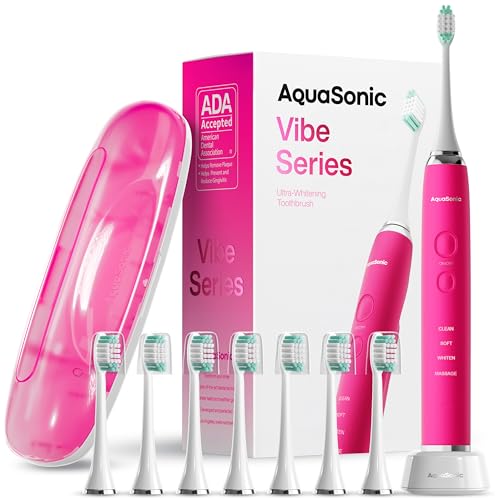
Aquasonic Vibe Series ADA Electric Toothbrush Pink


SURI NEW Core Sonic Electric Toothbrush Grey


Aquasonic Black Series ADA Electric Toothbrush

PHILIPS Sonicare 1100

TEETHEORY Electric Toothbrush for Adults, 40,000 VPM

Philips Sonicare DiamondClean 9500
A Deeper Look At The Lineup
The Vibe Series puts a gentle gum-health mode in a noticeably full-featured package. Its 40,000-vibration motor is paired with four operating modes, including one intended for gum care, so you can change the brushing approach without learning a complicated control panel.
For a household replacing manual brushes, the eight DuPont heads reduce the need for immediate refills. The hard-shell travel case and roughly four-week battery life also suit a person who wants one routine at home and on the road.
Reasons It Performs
- Four modes give you distinct options for everyday cleaning, sensitivity, whitening, and gum-focused care.
- The gum-health mode gives tender-gum users a more specific setting than a single-speed brush.
- Eight DuPont brush heads create a generous replacement supply, with each listed head rated for about three months.
- IPX7 waterproofing and a two-minute timer support use around water and a consistent session length.
- Wireless charging removes the need to align a cable with a charging port.
Things To Consider
- The travel case has room for two heads, so the full set still needs a separate storage solution.
- The whitening and polishing mode serves a different purpose from gum care and should not be treated as an equivalent.
Key Specs
Made For
This model suits households that want a dedicated gum-care mode, several spare heads, and minimal charging interruptions in one package.
Where Another Pick Suits Better
People who want app coaching and detailed pressure guidance may prefer the Philips Sonicare 7300.
Philips Sonicare 7300 makes technique visible, which is useful when a dentist has asked you to slow down around the gumline. The pressure sensor uses a light ring at the base of the handle, giving you an immediate visual cue to ease off when your technique becomes too forceful.
The A3 Premium head has longer, angled bristles with triangular tips, while app coaching helps you distribute the right amount of time across your mouth. For someone learning to brush consistently, that combination of feedback and structure may be more useful than extra cosmetic modes.
What Stands Out
- The pressure light makes excessive pressure easier to notice without watching the handle.
- Dedicated Gum Health and Sensitive modes suit users who want a gentler starting point.
- BrushPacer divides the session into 20-second sections, which helps you change position rather than brush one area too long.
- The app provides guided routines and replacement reminders, adding useful structure for consistency.
- A charging travel case and a stated 21-day battery make it practical for business trips and vacations.
Worth Noting
- The power adapter is not included, so check whether you already have a compatible one.
- App-based coaching adds a step to the routine and depends on pairing the brush with your phone.
Feature Snapshot
Right Fit For
This pick fits people who want visual pressure feedback, timed zone changes, and app-supported brushing instructions.
A Better Fit Elsewhere
The PHILIPS Sonicare 1100 offers a simpler path for someone who does not want app pairing or several intensity settings.
The SURI NEW Core is built around a practical travel routine. Its up-to-four-week battery reduces the need to find an outlet during a long trip, while the included head cover keeps a spare brush head separated from the items in your wash bag.
Pressure sensing and a two-minute timer cover two common concerns: using excessive force and stopping too soon. The bio-based body and plant-based brush head also appeal to shoppers who pay attention to materials, though you will still need to select a comfortable cleaning intensity yourself.
Useful Highlights
- The stated four-week battery is particularly useful for frequent travelers.
- A dedicated travel head cover adds a small but thoughtful hygiene detail.
- The pressure sensor helps you reduce force while brushing near tender gums.
- The two-minute timer provides a clear endpoint for each session.
Small Caveats
- Four weeks represents the stated maximum, so frequent travel planning remains sensible.
- The travel cover protects a head rather than serving as a full carrying case for the handle.
- No dedicated gum-health mode appears in the listed feature set, so pressure feedback does most of the technique work.
Built With In Mind
This model suits frequent travelers who value battery life, a protected spare head, and simple timing and pressure cues.
Consider Something Else When
People who want app coaching and several named intensity levels may find the Philips Sonicare 7300 more useful.
Unlike the app-centered Philips Sonicare 7300, the 5950 keeps its most useful feedback physical. Its pressure sensor delivers haptic feedback, meaning a gentle vibration or pulse, when you press too hard, so you can correct your technique without looking at the handle.
Sonicare Fluid Action moves fluid between teeth and along the gumline during brushing. That feature supports a thorough daily clean, while the two included brush heads make the model a practical middle ground for people moving away from a manual toothbrush.
Bright Spots
- Haptic pressure feedback works even when you are not staring at the handle.
- Fluid movement focuses attention on spaces between teeth and the gumline.
- Two brush heads provide an initial replacement without the larger supply found in the Aquasonic bundles.
Practical Considerations
- The physical alert may take a few sessions to recognize, especially with a light touch.
- Without a listed gum-specific mode, you must translate the pressure alert into a gentler technique yourself.
- Only two heads are included, so regular replacement planning begins sooner than with an eight-head set.
Quick Facts
Who Will Love This
This pick suits people who want pressure guidance without a phone app or a complicated display.
Not Your Match When
People who want timed zone coaching and four named modes may prefer the Philips Sonicare 7300.
The Black Series offers the same broad feature vocabulary as the Vibe Series, including a 40,000-vibration motor, four modes, wireless charging, and a smart timer. That makes it a familiar choice for anyone who wants several powered settings without moving into an app-guided model.
Eight brush heads and a travel case make this a low-fuss household bundle. The practical difference from the Vibe Series is its clearer focus on everyday modes and whitening, rather than the Vibe Series’ specifically described gum-health setting.
Noteworthy Benefits
- The 40,000-vibration motor provides brisk powered movement for a normal daily clean.
- Four modes offer flexibility for different brushing priorities.
- Eight replacement heads limit the need to order individual spares.
- Wireless charging creates a cleaner bathroom setup with no charging cable to plug in.
- The included hard-shell case makes the handle easier to pack for trips.
Minor Gripes
- The four modes are less clearly mapped to gum care than the Vibe Series’ dedicated gum-health mode.
- A smart timer tells you when the session ends, but it does not divide your mouth into separate zones like BrushPacer.
The Right Fit
This model suits households that value several modes, abundant spare heads, and wireless charging more than app-based coaching.
Another Choice May Suit
People who want a clearly named gum-health mode should compare the Aquasonic Vibe Series ADA Electric Toothbrush Pink.
The Sonicare 1100 softens the transition into powered brushing. EasyStart gradually increases the brushing power during the first routine, which can feel more comfortable than starting at full intensity, particularly for a sensitive mouth or someone nervous about using an electric brush.
Its C1 Simply Clean head uses soft, flexible bristles, and Sonicare fluid movement helps guide cleaning between teeth and along the gumline. The straightforward setup suits people who want a dependable daily brush without app coaching or a long menu of modes.
Notable Upsides
- EasyStart introduces the brush gradually, making the first sessions less abrupt.
- Soft, flexible bristles suit people who prefer a gentler everyday head.
- Powered fluid movement supports cleaning in the spaces where a manual brush can miss sections.
Less Ideal Details
- Only one brush head is included, so you will need another head sooner.
- The gradual power ramp may feel restrained once your technique and comfort level improve.
- No app coaching or multi-zone pacing is included, so the routine stays deliberately simple.
At A Glance
Who Should Grab It
This brush suits first-time electric toothbrush users who value soft bristles and a gradual start over advanced coaching.
Look Elsewhere When
People who want several modes, replacement reminders, and visual pressure alerts may prefer the Philips Sonicare 7300.
TEETHEORY combines a 40,000-vibration motor with a 30-day stated runtime, creating a practical combination for someone who prefers fewer charging interruptions. Five modes offer room to adjust the brushing experience, while the four-hour recharge gives you a clear overnight charging rhythm.
Eight DuPont brush heads form the strongest part of the bundle for a new electric brush owner. It is a straightforward package for a bathroom, rental, or shared home, especially when maintaining a large replacement supply matters more than app-based instruction.
A Few Highlights
- The stated 30-day runtime is useful for busy homes and people who travel regularly.
- Five modes provide several choices within a compact daily routine.
- Eight DuPont heads offer a generous replacement supply after the initial setup.
- A four-hour charging cycle fits conveniently into an evening bathroom routine.
Possible Compromises
- A four-hour recharge means you may need to plan charging around the previous evening.
- Five broad modes can take practice to match with your preferred pressure and cleaning needs.
Ready For Routine
This model fits households that want long battery life, multiple modes, and several replacement heads in one bundle.
Swap It Out When
People who want clearly named gum-care guidance and a documented ADA acceptance may prefer the Aquasonic Vibe Series ADA Electric Toothbrush Pink.
The DiamondClean 9500 builds on the Sonicare approach with a more advanced head and a broad set of cleaning choices. Its A3 Premium All-in-One head uses multi-angle bristles, while 62,000 bristle movements per minute create the powered action behind each pass.
Pressure feedback and several modes make it suitable for a user who wants fine control over a daily routine. The listing also emphasizes gum and stain removal alongside plaque removal, making it the most feature-dense option here for people who care about more than one aspect of oral care.
Well-Handled Touches
- The multi-angle A3 head targets several tooth surfaces in one pass.
- Fluid movement supports cleaning between teeth and along the gumline.
- Pressure feedback helps you moderate force around tender areas.
- Multiple modes let you tailor whitening, gum care, and everyday cleaning separately.
- Three brush heads provide a reasonable starting supply.
Possible Drawbacks
- Several modes and settings take more attention than the one-head simplicity of the PHILIPS Sonicare 1100.
- Three included heads are fewer than the eight-head bundles offered by both Aquasonic models.
Feature Facts
Made For
This model suits established electric brush users who want several modes, advanced head design, and detailed pressure guidance.
Reach For A Different Pick When
The Philips Sonicare 7300 is a better fit for people who prioritize app coaching, BrushPacer prompts, and a charging travel case.
What Matters Most In A Gentle Electric Brush
Pressure feedback
A pressure sensor helps you notice when you are pushing too hard. That matters when your gums feel tender or your dental professional has emphasized a lighter touch, since a comfortable brush is easier to use consistently.
Brush head and mode design
The head should reach along the gumline and between teeth without requiring aggressive pressure. A dedicated gum-care or sensitive mode can make the routine easier to understand, but the head design and your own technique still matter.
Battery and replacement supply
Long battery life is convenient for travel, while multiple heads reduce the hassle of ordering replacements. Compare both needs with the charging location, bathroom storage, and the space available for a travel case.
When to seek professional advice
Persistent bleeding, swelling, pain, or bad taste can signal a problem that an electric brush cannot address on its own. Arrange an assessment with your dentist or another appropriate specialist doctor, especially if symptoms continue or your routine needs to change.
Common Buying Decisions To Get Right
Common Shopping Slip Ups
Do not choose by vibration count alone. A faster motor cannot compensate for excessive pressure, so pair power with pressure feedback and a comfortable head. Also check the charging stand, included accessories, and battery claim before ordering.
What Separates Premium From Basic
Higher-tier models often add pressure sensors, guided pacing, app support, and more cleaning modes. Those extras help when you want detailed feedback, while a simpler brush may suit a routine that already feels comfortable.
Frequently Asked Questions
Can an electric toothbrush treat gingivitis?
No, an electric toothbrush supports daily cleaning but cannot diagnose or treat gingivitis. Persistent gum symptoms need an assessment from your dentist or another appropriate specialist doctor.
Is a pressure sensor important for tender gums?
A pressure sensor can help you notice excessive force and adjust your technique. It is especially useful for beginners or anyone who has been asked to brush more gently.
Should I use a sensitive mode every day?
A sensitive mode can provide a gentler starting point for tender gums, but the appropriate setting depends on your comfort and dental guidance. A dentist can advise you on technique for your particular situation.
How often should the brush head be replaced?
Follow the manufacturer’s replacement schedule and the advice from your dental professional. The Aquasonic Vibe Series lists about three months per head, so regular replacement is already built into its eight-head supply.
Does a longer battery matter for gum care?
Battery life affects convenience more than cleaning technique. A long runtime is useful for travel, but pressure control, head design, and a consistent two-minute routine remain the more important daily considerations.
Final Verdict
The Philips Sonicare 7300 stands out for visual pressure guidance, app coaching, and zone pacing. The Aquasonic Vibe Series offers a clearly named gum-care mode with abundant spare heads, while the SURI NEW Core favors travel. Match the model to your technique, comfort, and routine, and follow recommendations from your dentist when gums remain tender or irritated.
