

A powered toothbrush should make your daily routine more consistent, not more complicated. You may want stronger gum-pressure feedback, multiple brushing modes, replacement heads for a shared household, or a compact design that travels well, and the right model depends on which of those details matter most to you.
The Leading Options At A Glance

Philips Sonicare 7300, 3 Heads
Fronix 8-Head Rotating Brush

Philips Sonicare 5950, 2 Heads

IONIC KISS IONPA DP-111NB Navy Blue, 4 Modes, 2 Soft Extended Heads

Pursonic S430 SmartSeries, 40,000 Strokes, 12 Brush Heads
Oral-B iO Limited Simple Clean, 3 Modes, Travel Case

Oral-B iO Series 3, 3 Modes, Pressure Sensor, 2 Heads, Case

Philips Sonicare DiamondClean 9500
Inside Each Recommended Option
The Philips Sonicare 7300 fits routines where guidance matters as much as movement. Its pressure ring, four brushing modes, three intensity levels, and app-based coaching give you several ways to adjust a session without changing the basic brush.
You may find the pressure feedback especially useful in a busy bathroom, where glancing at a small light ring is easier than judging force entirely by feel. The three A3 Premium All-in-One heads, charging stand, and travel case also make this a generous setup for home and trips.
Where It Delivers
- Four modes cover everyday, sensitive, gum-focused, and whitening preferences.
- The visual pressure ring prompts you to ease off when your pressure rises.
- BrushPacer divides the session into 20-second sections, while a two-minute timer signals completion.
- App coaching helps turn technique adjustments into a repeatable daily habit.
- The stated 21-day battery life suits people who travel without charging nightly.
Trade Offs
- The power adapter is not included, so check whether you already have a compatible one.
- Its broad feature set may feel more involved than you need for a simple routine.
Quick Facts
Built With In Mind
You benefit most from this model if you enjoy structured coaching and want several intensity choices within one powered toothbrush.
Where A Sibling Pick Shines
The Oral-B iO Series 3 may suit you better when you prefer a round oscillating head over the Sonicare 7300’s guided multi-mode setup.
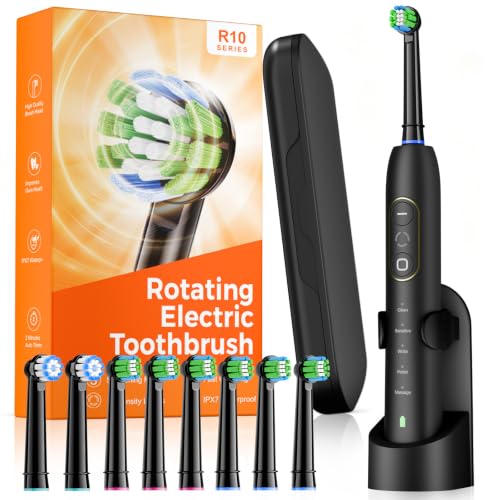
Rotating brushes offer a different sensation from the slim, high-frequency design used by Philips Sonicare. The Fronix model follows that circular approach with a rechargeable handle and eight replacement heads, giving a shared household plenty of spares.
You may prefer this setup for daily brushing because the rotating head moves mechanically around individual teeth. The trade-off is that eight heads take more room than a standard two-head bundle, so check your bathroom storage before settling on it.
Key Advantages
- The rotating action provides a clear mechanical change from vibrating brush heads.
- Eight included heads cover regular replacement across several brush users.
- A rechargeable handle removes the need for disposable batteries in the routine.
Minor Gripes
- The larger head bundle can be unnecessary for a person who brushes alone.
- Rotating motion may feel unfamiliar during the first few sessions.
Made For
This choice makes the most sense for a shared home that values rotation and wants a generous supply of replacement heads.
Consider Something Else When
The Philips Sonicare 5950 is the more practical alternative when your priorities are fluid action, haptic pressure feedback, and a smaller two-head set.
The Sonicare 5950 narrows the focus to two useful ideas: Fluid Action and pressure feedback. Fluid Action uses the brush’s movement and water flow to carry fluid between teeth, while the built-in sensor provides a gentle tactile pulse when your pressure becomes excessive.
Compared with the feature-heavy 7300, this model offers a more straightforward way to refine technique. Two included heads keep the initial package manageable, which may suit a bathroom counter with limited space.
A Favorable Mix
- Haptic pressure feedback helps you adjust force without watching the handle.
- Fluid Action is designed to move fluid into spaces between teeth.
- The two-head bundle remains compact compared with larger multi-head sets.
Practical Considerations
- You receive two heads rather than a larger replacement supply.
- Its focus on fluid and pressure guidance may be less useful than the 7300’s app coaching for you.
Feature Snapshot
The Right Fit
You will appreciate this model most if you want pressure guidance and fluid-assisted cleaning without a large collection of modes.
Another Choice May Suit
The Oral-B iO Limited Simple Clean may fit you better when a round oscillating head and automatic speed adjustment suit your brushing style more closely.
The IONPA DP-111NB brings a distinctive electrical approach to an otherwise familiar powered routine. Ionic refers to the use of electrical charge, and the manufacturer positions this mechanism as working with the charged saliva around teeth while the brush head also provides sonic movement.
You may find its four modes, built-in brushing timer, and two soft extended-filament heads useful for a measured daily session. The navy handle and USB charging stand give it a more specialized look than the black and white models in this roundup.
Useful Highlights
- Four modes let you vary the routine rather than use one fixed setting.
- The timer provides a clear endpoint for a consistent session.
- Two soft extended-filament heads suit a preference for longer bristles.
- USB recharging adds convenience beside a compatible computer or adapter.
Details To Watch
- You need a USB power source and a place to keep the charging stand.
- The ionic mechanism adds a specialized feature that may be less relevant than basic pressure feedback for some routines.
Who Will Love This
This model appeals to you if you want multiple modes, a built-in timer, and a powered toothbrush centered on ionic and sonic action.
Reach For A Different Pick When
The Philips Sonicare 7300 is the more practical choice for you when app-based coaching and a visible pressure alert matter more than the IONPA design.
The Pursonic S430 is built around replacement-head availability and shared use. This pack contains two power toothbrushes and twelve brush heads, which reduces the likelihood of two adults running out of spare heads at the same time.
Its 40,000 strokes per minute and three brushing modes provide a straightforward sonic alternative to the Philips models. You may appreciate the familiar white finish and uncomplicated mode selection, although the large package calls for sensible storage.
Why It Works Well
- Two brushes support separate storage areas or different users.
- Twelve heads provide a substantial replacement supply.
- Three modes allow adjustment for different brushing preferences.
- The stated 40,000 strokes per minute deliver frequent sonic movement.
Small Caveats
- Two charging handles and twelve heads require more storage than a standard bundle.
- The basic mode selection offers less daily guidance than the Sonicare 7300.
The Numbers That Matter
Who Should Grab It
You get the most value from this bundle if you share a bathroom or prefer stocking replacement heads instead of ordering them individually.
Look Elsewhere When
The Fronix 8-Head Rotating Brush may suit you better when you prefer a rotating head and only need one rechargeable handle.
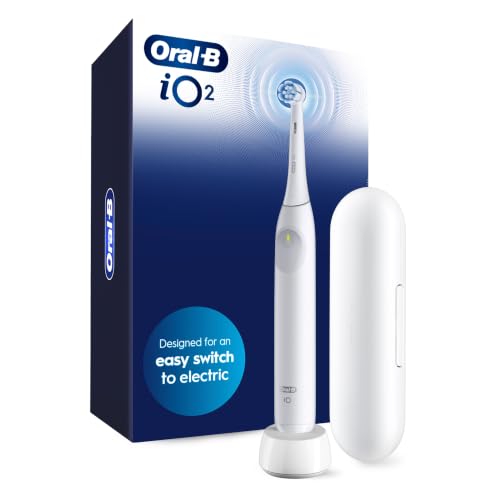
The Oral-B iO Limited Simple Clean lowers the learning curve for someone moving from a manual brush. Its round iO head rotates and oscillates, a movement pattern designed to wrap around each tooth, while the automatic pressure sensor reduces the speed when you press too firmly.
You may find that the three cleaning modes and single-button layout make the routine easier to settle into. The included travel case also gives the handle a protected place in a weekend bag, while the white finish keeps the appearance understated.
The Case For It
- Automatic pressure adjustment reduces force without requiring a manual setting change.
- Three cleaning modes offer sensible choices for daily preferences.
- The round oscillating head provides a different feel from slim sonic brushes.
- The travel case simplifies packing for trips and overnight bags.
Points To Note
- You may prefer the deeper mode selection offered by the Sonicare 7300.
- The simple-clean naming positions it below feature-heavy alternatives in the Oral-B range.
Technical Highlights
Best Suited To
This model suits beginners who want guided pressure control, a simple button, and a familiar round-head cleaning motion.
Swap It Out When
The Oral-B iO Series 3 may suit you better when deeper cleaning modes and two replacement heads are worth the added package.
The Oral-B iO Series 3 develops the beginner-friendly approach of the Limited Simple Clean with a deeper-cleaning focus. Its small round head combines oscillating rotation with micro-vibrations, and the smart pressure sensor prompts you to reduce force when necessary.
For an everyday routine, three modes, two replacement heads, and a travel case create a balanced package. You may find the black handle easier to distinguish in a shared bathroom, while the manufacturer reports substantial plaque-removal improvement along the gumline compared with a regular manual brush.
Everyday Advantages
- The compact round head reaches around individual teeth with rotating movement.
- Smart pressure feedback supports a more controlled brushing stroke.
- Three modes let you adjust the session to different preferences.
- Two replacement heads and a travel case cover common ownership needs.
Possible Compromises
- Two heads are fewer than the supply included with the Pursonic S430.
- It does not offer the app-guided pacing found in the Sonicare 7300.
The Right Fit
You benefit most from this model when you want a round-head electric brush, pressure feedback, and a travel-ready package for regular use.
A Better Fit Elsewhere
The Philips Sonicare DiamondClean 9500 may fit you better when a longer all-in-one brush head and three included heads suit your cleaning preferences.
The DiamondClean 9500 combines Philips sonic movement with a larger all-in-one brush head. The A3 head uses angled bristles with triangular tips to clean multiple tooth surfaces, while Fluid Action moves water between teeth during brushing.
You may prefer this model for a polished daily setup, especially with three replacement heads supplied in the box. Compared with the 7300, it emphasizes a premium brush-head design and a higher-end presentation rather than app-led coaching, so your choice comes down to the routine you will actually enjoy using.
Practical Pluses
- The multi-angle A3 head addresses several tooth surfaces in one pass.
- Fluid Action adds water movement between teeth during the session.
- Three included heads provide a useful initial replacement supply.
- The stated 62,000 movements per minute create a high-frequency cleaning motion.
Possible Drawbacks
- You receive three heads rather than the much larger supply in the Pursonic S430 pack.
- Its premium positioning may be unnecessary for a straightforward manual-to-electric transition.
Core Details
Whose Shelf It Belongs On
This model belongs on your shortlist when you prefer a premium Philips setup with a substantial all-in-one head and multiple replacements.
Not Your Match When
The Oral-B iO Limited Simple Clean may suit you better when automatic pressure adjustment and a straightforward beginner interface matter more than head design.
What Matters Before You Buy a Powered Toothbrush
Cleaning motion and head shape
A sonic toothbrush uses rapid bristle movement and water flow, while a rotating model moves a round head around individual teeth. You may prefer the smooth, narrow profile of the Philips Sonicare 5950, the round Oral-B iO head, or the mechanical rotation offered by the Fronix brush. Each feels different, so choose based on the motion you will feel comfortable using twice a day.
Pressure guidance
Pressure feedback can help you avoid brushing with unnecessary force. The Philips Sonicare 7300 uses a visible ring, the 5950 and Oral-B models provide more immediate or automatic responses, and the IONPA DP-111NB relies on its own mode and ionic approach. A clear signal is useful in your routine, especially when you are learning how to guide the brush around the gumline.
Modes and coaching
Multiple modes matter when you want one toothbrush to handle different preferences. The 7300 combines four modes with three intensity levels and app coaching, while the 5950 stays simpler with pressure guidance and Fluid Action. Daily-driver shoppers may prefer fewer controls, whereas a structured routine can make the richer 7300 setup worthwhile.
Heads, charging, and storage
Check the replacement-head quantity before comparing the rest of the features. The Pursonic S430 includes twelve heads and two handles, the Fronix model supplies eight heads, and the Philips models generally include smaller sets. Also account for the charging stand, travel case, USB connection, and counter space, since a convenient brush can still become clutter if the storage setup does not suit your bathroom.
Common Mistakes Worth Avoiding
Wrong Turns To Avoid
Do not compare battery figures, head sizes, and pressure alerts without considering your routine. A long battery may be unnecessary for someone who charges daily, while a large replacement supply can be excessive for one user. Match the head shape, guidance features, and storage needs to your home first.
What Separates Premium From Basic
Higher-tier models often add coaching, refined brush heads, stronger pressure management, or bundled accessories. The Philips Sonicare 7300 and DiamondClean 9500 spend more on guidance and head design, while the Oral-B iO Limited focuses on simple pressure control. Paying more makes sense when those additions remove daily friction or match your brushing style closely.
Frequently Asked Questions
Should I choose a rotating or sonic powered toothbrush?
Rotating models use a round head that circles individual teeth, while sonic models use faster bristle movement and fluid flow. You may prefer rotating motion for a mechanical feel, or a slim sonic design for narrower spaces and guided pacing.
What is a pressure sensor on an electric toothbrush?
A pressure sensor detects unusually heavy brushing force and gives you a visual, tactile, or automatic response. The Philips Sonicare 7300 uses a light ring, the 5950 provides a pulse, and both Oral-B iO models respond automatically.
How many replacement brush heads should I buy?
Your household size and preferred replacement schedule determine the right number. The Pursonic S430 and Fronix models suit frequent replacement, while two-head or three-head sets may be enough for a person who brushes alone.
Which model is easiest to travel with?
The Oral-B iO Limited Simple Clean and Oral-B iO Series 3 include travel cases, and the Philips Sonicare 7300 also has a charging case. Check the charging method and storage space for your destination before packing.
What should I consider with sensitive gums?
Choose a mode designed for gentler brushing and pay attention to the pressure feedback. For persistent sensitivity or gum discomfort, follow the guidance of an appropriate specialist doctor.
Closing Thoughts
Your strongest powered toothbrush is the one that matches your preferred motion, gives useful feedback, and fits the space and replacement schedule of your home. The Sonicare 7300 leads on coaching, the Oral-B iO models emphasize approachable pressure control, and the Philips DiamondClean 9500 centers on a refined brush-head design. Take a few minutes with the details, then choose the routine you will look forward to repeating every day.
