

Your calves feel like sandbags after a hilly run, yet your apartment has no room for a full gym. A well-matched foam roller gives you a practical way to add self-massage to your routine without hauling bulky equipment across town.
The right length affects how easily you can reach your calves, quads, and back, while foam density changes the pressure under your body. Texture adds another layer, especially for runners who want to focus on specific areas rather than simply roll their whole leg.
You will find a gentler option for sensitive muscles, compact tools for small spaces, and larger rollers for targeted work. The eight choices below cover different training loads, home setups, and recovery preferences, so you can choose based on fit rather than guesswork.
The Choices Worth Comparing

KYLINFIT 5-in-1 Foam Roller Recovery Set

TriggerPoint Grid 1.0 13-Inch Multi-Density Foam Roller

Nupara Fitness Pink Foam Roller for Back, Legs, Hips
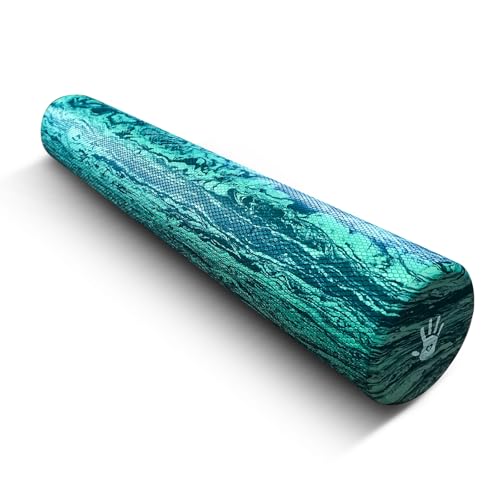
SENSORY4U Soft Density Foam Roller, 36 x 6 Inch

GODBOD Medium Density Foam Roller, 13 x 5.5 Inch

Aeromat Elite Foam Roller, 36-Inch Blue

Basics High-Density Foam Roller, 18 Inches, Black

Maximo Fitness High-Density Foam Roller
More On The Choices That Made The List
A runner with one closet and several stubborn training areas faces a storage problem before choosing a roller. This set solves that clutter with a full-size roller plus four smaller tools, including balls, an acupressure disc, and a spike cone.
You can use the smaller pieces for focused calf, hip, or shoulder work while keeping the larger roller for broader leg rolling. Compared with the single-tool options later, it offers more ways to adjust pressure without adding another bulky purchase.
Strong Points
- Five tools cover broad muscles and smaller trigger areas.
- The peanut shape fits between the legs and around the hips.
- Massage balls provide concentrated pressure without a large roller.
- The varied shapes suit both pre-run warmups and post-run routines.
Things To Consider
- Multiple pieces need more storage space than one straightforward roller.
- The small pieces may take practice to position against tight areas.
Feature Snapshot
Built With In Mind
You benefit most from this set when you train several body groups and want compact self-massage tools for a small home.
Another Choice May Suit
The Nupara Fitness Pink Foam Roller suits you better when simple storage and one straightforward roller matter more than varied shapes.
Multi-density foam gives you a useful way to vary pressure within one roller. This 13-inch TriggerPoint model pairs denser and softer sections with a raised grid surface, so you can move from broader passes to more concentrated contact without switching tools.
That makes it a sensible choice for a runner balancing calves, quads, and glutes in one session. Its shorter body still handles targeted work better than the 36-inch options, although you may find it less convenient for rolling your entire back in one movement.
A Few Strong Suits
- Mixed-density sections let you adjust the pressure you use.
- The grid texture creates a more stimulating contact than smooth foam.
- Its compact length makes it easy to control around calves and hips.
- One roller can serve several parts of your lower body.
Worth Noting
- The textured surface may feel more intense than you want after a very hard session.
- The 13-inch length is less convenient for long passes across the back.
Key Specs
Who It Suits Best
You get the most benefit from this roller when you want targeted lower-body work with adjustable pressure in a portable size.
Look Elsewhere When
The Aeromat Elite Foam Roller suits you better when one long, smooth tool for broad back and leg passes is your priority.
A familiar pink roller can handle the basic maintenance most runners want without turning the routine into a collection of techniques. This Nupara model offers firm, textured support for common work around the back, legs, and hips.
You can roll your calves after a hilly run or use it around your hips before stretching. Compared with the TriggerPoint Grid 1.0, it serves as a more straightforward option, though the lack of listed multi-density zones means less built-in control over pressure.
Features That Help
- Firm foam gives you a steady surface for post-run rolling.
- Textured construction adds tactile feedback during slower passes.
- Its format suits the back, legs, and hips commonly worked by runners.
Small Caveats
- The firmer feel may not suit muscles that prefer gentler pressure.
- A single roller offers less shape variety than the KYLINFIT set.
- No dimensions are listed, so storage and reach remain less certain.
Right Fit For
You benefit most from this roller when you want an uncomplicated, firm tool for routine maintenance around your major running muscles.
Swap It Out When
The SENSORY4U Soft Density Foam Roller suits you better when a beginner-friendly, gentler surface matters more than firm support.
Soft density gives this roller a different purpose from the firmer picks in the list. You can use the long surface for gentler passes over tired legs, while the six-inch diameter keeps the roller stable under your body.
The 36-inch length also gives you room to cover long muscle groups, including the back and legs. It suits new runners and sensitive days better than sharply textured options, although you may want a firmer tool for more intense self-massage.
Notable Upsides
- Soft foam offers a gentler starting point for beginners.
- The long body supports broad passes over the legs and back.
- A six-inch diameter provides a stable rolling surface.
- You can use it for yoga, Pilates, or running mobility sessions.
Practical Considerations
- Soft density may not provide enough resistance for your preferred intensity.
- The 36-inch body requires more storage space than a compact roller.
Feature Card
Made For
You benefit most from this roller when you are new to foam rolling, prefer gentler pressure, or need a long tool for home mobility work.
Consider Something Else When
The GODBOD Medium Density Foam Roller suits you better when targeted texture and firmer contact are more important than a soft, broad rolling surface.
You get a more textured experience from the GODBOD roller because its surface uses several spike zones rather than a uniform pattern. The 13-inch shape and 5.5-inch diameter make it easy to work across the back, legs, hips, and glutes with controlled movements.
Medium density sits between the gentle SENSORY4U model and the firm options elsewhere in the list. That middle ground can feel useful after demanding runs, though the pronounced spikes may be more stimulation than you want on a sensitive day.
Real-World Strengths
- Multi-zone spikes create varied contact across the surface.
- Medium density offers a middle path between soft and firm foam.
- The compact size gives you better control over short rolling passes.
- An included eBook adds guidance for your home routine.
Possible Compromises
- Its textured spikes may feel intense during light recovery sessions.
- The shorter body is less suitable for extended back passes.
Who Should Grab It
You benefit most from this roller when you want focused, textured self-massage and prefer a compact tool for specific muscle areas.
Reach For A Different Pick When
The Aeromat Elite Foam Roller suits you better when you want a long, smooth surface for broad lower-body and back work.
A 36-inch roller changes the way you cover a post-run area because you can work across more of your back or leg in a single pass. The Aeromat Elite combines that length with a six-inch diameter, giving you a broad surface that feels suitable for Pilates, training, and general self-massage.
Unlike the compact GODBOD model, this roller favors broad coverage over sharply defined massage zones. You can add it before a run or during a cool-down, and its blue finish makes it easy to distinguish from other equipment at home.
Notable Gains
- The long body supports smooth passes over the back and legs.
- A six-inch diameter creates a substantial rolling surface.
- You can use it for Pilates, training, or post-run routines.
- Its broad design reduces the need to reposition for larger areas.
Details To Watch
- The 36-inch length needs a clear storage spot in a small apartment.
- Its broad format is less precise than a shorter, heavily textured roller.
Core Details
Who Will Love This
You benefit most from this roller when you want a long, smooth tool for full-body mobility work and regular training routines.
A Better Fit Elsewhere
The TriggerPoint Grid 1.0 Foam Roller suits you better when portable length and adjustable density matter more than broad coverage.
Your rolling routine does not need an elaborate setup to be useful. This 18-inch high-density roller gives you a firm polypropylene surface for targeted work, while its molded edges add comfort where your legs meet the roller.
The medium length falls between the compact Grid 1.0 and the 36-inch Aeromat model. You get a manageable tool for classes, home routines, and repeated use, and the surface wipes clean after sweaty sessions.
Benefits That Matter
- High-density foam provides firm resistance for familiar rolling.
- Polypropylene is designed to hold its shape during regular use.
- Molded edges soften contact around your calves and thighs.
- The lightweight body is convenient to carry to class.
- You can wipe the surface clean after workouts.
Trade Offs To Consider
- Firm foam may feel too intense for beginners or very sensitive muscles.
- Its smooth surface offers less stimulation than a spiked model.
The Right Fit
You benefit most from this roller when you want a firm, easy-to-clean tool for regular workouts and targeted lower-body maintenance.
Where A Sibling Pick Shines
The SENSORY4U Soft Density Foam Roller suits you better when gentler compression is needed for beginner or sensitive-day routines.
High density and extra-long construction make the Maximo Fitness roller useful for runners who want broad coverage with firmer contact. Its textured EVA surface gives your back and legs a defined rolling area, while the long body reduces the need to shift position for larger passes.
You can also use it for yoga, Pilates, and general gym mobility work. Compared with the Nupara Fitness roller, its build sounds more focused on long coverage, though you may prefer the softer SENSORY4U model after particularly sensitive sessions.
Where It Delivers
- The extra-long body covers broad back and leg areas.
- High-density EVA provides firmer rolling contact.
- Texture gives you a defined surface for focused passes.
- You can use it across running, yoga, Pilates, and gym routines.
Points To Keep In Mind
- The high-density construction may feel firm on sensitive muscles.
- A long roller needs more room than a compact model.
Feature Facts
Whose Shelf It Belongs On
You benefit most from this roller when your home routine emphasizes firm, textured work across the back and legs.
Not Your Match When
The SENSORY4U Soft Density Foam Roller suits you better when low-intensity pressure and a gentler surface are your priorities.
What Matters Before You Roll
Length and body reach
A longer roller covers more of your back or leg in one pass, which reduces repositioning during a busy post-run routine. A shorter model gives you more control around the calves and hips and is easier to carry, so your available space should guide the choice.
Density and texture
Soft foam provides gentler contact, medium density offers a middle ground, and high-density foam feels firmer. Textured or spiked surfaces add more stimulation, which can feel useful after demanding training but may be unnecessary for a calm, everyday session.
Storage and portability
Measure the floor or closet space before choosing a 36-inch roller. Runners who travel to shared gyms may prefer a compact model, while home users can gain more control from a longer body that reaches larger muscle groups.
Two Details Runners Often Overlook
Mistakes Worth Dodging
Choosing solely by texture can leave you with more pressure than you actually need. Start with density, length, and the areas you plan to roll, then consider spikes as a separate preference rather than a measure of quality.
What The Upgrade Payoff Means
A higher-end roller may add multiple densities, shaped surfaces, or a broader set of tools. Those features help only when they match your pressure preference and storage situation, so a simpler roller can be the more sensible choice for occasional use.
Frequently Asked Questions
What size foam roller is easiest for runners?
A medium-length roller around 13 to 18 inches balances portability with useful coverage for the legs and back. Longer models suit home routines, while compact rollers are easier to control and carry.
Should runners use a soft or firm foam roller?
Soft foam suits beginners and sensitive muscles, while firmer rollers provide stronger resistance for experienced users. Medium density often offers a practical middle ground.
What is a textured foam roller?
A textured roller has a raised surface that creates more noticeable contact than smooth foam. You may prefer it for focused muscle work or find it unnecessarily intense on recovery days.
Where do runners use a foam roller?
Runners commonly use one on the calves, quadriceps, glutes, and hips. You can also roll your back over a longer roller while keeping the movement slow and controlled.
Is a longer foam roller better?
A longer roller covers broad muscle groups with fewer position changes, but it needs more storage space. A shorter roller offers better handling and is easier to use around specific areas.
Final Verdict
Your best foam roller is the one that matches your pressure preference, the muscles you regularly work, and the space available at home. Soft rollers suit gentler routines, textured models suit focused work, and longer shapes suit broad coverage. Choose based on how you will actually use it, then keep the routine simple enough to repeat after your next run.
