

Footsteps can feel ordinary until numbness, burning, or tenderness makes every pair of shoes a decision. For people managing diabetic neuropathy, insoles need more than cushioning: they must fit securely, suit the footwear, and provide support without creating new pressure points. These eight options cover different needs, from slim dress-shoe profiles to layered support for sensitive feet.
The Picks In Brief
KtreaFeet Metatarsal Insoles C/D

Aetrex Men’s Memory Foam Orthotic Insoles for All-Day Walking
Emsold Ultra Thin Semi-Rigid Orthotic with Metatarsal Pad and Heel Cup

TANSTC Sports Arch Insoles

SoleAid Thera2K Insoles, M9-10
SoleAid Thera2K Insoles, M11-12

Airplus Memory Plus Trim-to-Fit Insoles

SoleAid Thera 3 3-Layer Lightweight Diabetic Insoles
Why These Options Stand Out
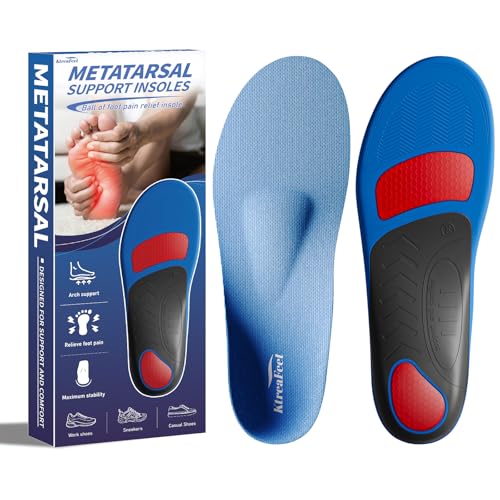
A raised pad beneath the ball of the foot makes this design different from a broad, cushion-heavy insert. For someone whose main concern is localized forefoot pressure, that targeted shape can reduce rubbing between the metatarsal area, the technical term for the bones near the ball of the foot, and the underside of a shoe.
The added arch structure provides a firmer platform than a simple foam pad, although it may feel more noticeable during the first few wears. This option lacks a diabetes-specific designation, so sensitive-foot shoppers should compare it with the layered SoleAid models later in the list.
What Earns Its Place
- The raised metatarsal pad targets the forefoot rather than cushioning the entire foot evenly.
- Combined arch and metatarsal support can make walking feel more structured.
- Two length options cover different combinations of men’s and women’s sizes.
Practical Considerations
- Size C and D differ in both length and supported size range, so check your shoe size carefully.
- The pronounced features may need a roomier shoe than the layered diabetic designs.
Key Specs
Who It Suits Best
This option suits people whose discomfort is concentrated around the forefoot and who can accommodate a more structured insert.
Where Another Pick Suits Better
SoleAid Thera 3 fits better when diabetes-related foot sensitivity calls for softer, layered cushioning rather than a prominent metatarsal feature.
Memory foam gives these insoles a softer, more familiar feel than the semi-rigid Emsold model. That makes them appealing for commuters, warehouse staff, and anyone spending hours moving between home, work, and errands, provided the shoes have enough room for a quarter-inch insert.
Unlike the KtreaFeet option, Aetrex places greater emphasis on broad cushioning, a cupped heel, and shock absorption rather than one concentrated forefoot pad. It does not carry a diabetes-specific design, so those managing neuropathic foot changes should have it checked as part of a broader foot-care plan.
Why It Works Well
- Memory foam adapts to the foot’s shape during wear, which can reduce the rigid feeling of a traditional orthotic.
- A cupped heel provides support around the rear of the foot during long periods of walking.
- Poron cushioning adds impact management between the foot and the shoe’s insole.
- Its stated footwear range includes sneakers, flats, boots, and heels.
Small Caveats
- The quarter-inch thickness can make shallow shoes feel crowded.
- Its general-purpose support lacks the diabetic-specific construction of the SoleAid selections.
Made For
This pair is made for men who spend substantial time walking and prefer a softer insert with arch and heel support.
Another Choice May Suit
SoleAid Thera2K suits men who want a purpose-built two-layer diabetic design rather than general memory-foam cushioning.
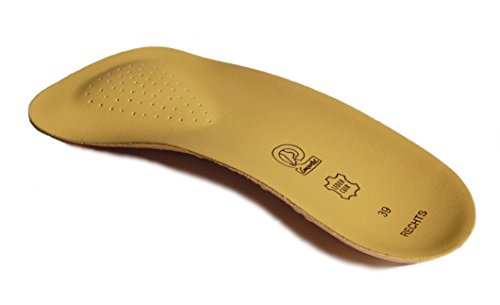
Slim shoes leave little room for a thick insert, and that is where this Emsold design makes its case. Its low profile combines a semi-rigid arch section, a soft metatarsal pad, and a deep heel cup without relying on the bulkier construction seen in the Aetrex model.
The leather top cover may be appealing to people who dislike a fabric surface against the foot. It still does not identify itself as a diabetes-specific insert, so sensitive-foot shoppers should consider the SoleAid alternatives for a more focused approach.
Real Benefits
- The thin profile fits more readily into dress shoes and lightweight sneakers.
- A semi-rigid arch section offers structure without the all-over softness of memory foam.
- The padded forefoot section cushions a sensitive ball-of-foot area.
- A deep heel cup helps center the heel within the shoe.
- The leather upper provides a smooth contact surface.
Worth Noting
- Available size combinations cover a specific range, so unusual sizes need careful checking.
- Structured support can feel more noticeable than a fully cushioned insert.
Feature Snapshot
Right Fit For
This design fits people who need structured support in low-volume shoes that cannot accommodate a thick cushion.
Look Elsewhere When
SoleAid Thera2K is the better fit for a shopper whose priority is a layered design explicitly intended for diabetic foot care.
Double-layer PORON cushioning gives this insole a more energetic feel than the Emsold model’s firm arch structure. PORON is a foam material designed to compress and return to shape, so the two layers can soften repeated footfalls during running, workouts, or a shift spent standing.
That responsive cushioning may work well for active users, though it is not explicitly designed as a diabetic insert. People with reduced sensation should have a specialist evaluate whether their footwear can accommodate the added structure before taking it on a long walk.
Everyday Wins
- Two PORON layers distribute cushioning across the foot during repeated impact.
- The elastic response feels more adaptable than a hard orthotic platform.
- The design suits both standing shifts and running sessions.
Points To Note
- Its sports-oriented design may be bulkier than the ultra-thin Emsold insole.
- It does not carry a diabetes-specific construction.
- Running shoes need enough internal space to prevent a raised insert from crowding the foot.
Best Suited To
This option suits active adults who spend time walking, running, or standing and prefer responsive cushioning over a diabetic-specific design.
Reach For A Different Pick When
SoleAid Thera 3 suits people who place greater priority on soft, friction-reducing layers for sensitive feet.
Among these choices, SoleAid makes the diabetic connection most explicit. Thera2K uses two layers intended to provide accommodative support for sensitive feet, bringing a more purpose-built design than the general-purpose Aetrex or TANSTC inserts.
This listing covers men’s sizes 9-10 and women’s sizes 9-10. That narrower sizing is useful because layered insoles can feel inconsistent when a length does not correspond with the wearer’s foot, so matching the size before considering the profile matters.
A Few Strong Suits
- The two-layer construction is specifically designed for diabetic-foot use.
- Layered support may distribute pressure more evenly than a single raised feature.
- The design is aimed at feet that need more accommodation than a standard sports insole.
- This version fits men’s sizes 9-10.
Minor Gripes
- Check the exact size and overall profile against your footwear before ordering.
Quick Facts
Built With In Mind
This model is built for men wearing sizes 9-10 who need an insert designed around diabetic foot sensitivity.
A Better Fit Elsewhere
Airplus Memory Plus fits unusual shoe sizes or footwear that benefits from a trim-to-fit shape.
Thera2K’s two-layer approach carries over, but this version fills the size gap for men wearing 11-12. A correctly sized insert matters because a support feature sitting in the wrong place can create pressure rather than distribute it, especially in shoes with a fixed internal shape.
Compared with the smaller Thera2K, the construction has the same diabetic-focused purpose and layered approach. The main decision is sizing, while the three-layer SoleAid Thera 3 offers a different answer for people who prioritize softness and reduced friction.
What Stands Out
- Two layers provide a more substantial platform than a single-cushion insert.
- The design is expressly intended for diabetic foot care.
- Men’s sizes 11-12 complete a commonly needed range missing from the previous listing.
Factors To Consider
- Size 11-12 still needs to correspond to the specific shape of your shoes.
- Layered inserts may require more room than the ultra-thin Emsold option.
- People who prefer a lighter, more flexible insert may find this profile substantial.
Whose Shelf It Belongs On
This listing belongs with men’s shoes in sizes 11-12 when diabetic foot support is the main concern.
Swap It Out When
SoleAid Thera 3 is the better option for a wearer who prioritizes lightweight softness and anti-friction cushioning over a two-layer structure.
A trim-to-fit format solves a problem that fixed-size inserts cannot: a standard shoe size rarely describes every foot shape. Trimming the Airplus insert lets you match its outline more closely to the inside of a specific shoe, which may be especially useful with narrow or unusually shaped footwear.
The memory construction offers familiar cushioning, but this is a general all-day insole rather than a diabetic-specific model. It can be a practical starting point for someone whose main need is adjustability, although reduced foot sensation deserves attention from a qualified healthcare professional.
A Strong Showing
- The trim-to-fit shape can be adjusted to suit the internal outline of an individual shoe.
- Full-length memory cushioning gives broad contact across the foot.
Details To Watch
- Trimming requires a clear fit check before each shoe is used.
- It does not provide the explicitly diabetic-focused construction of the SoleAid options.
- The full-length profile may not suit very shallow footwear.
Core Details
Who Should Grab It
This model suits people with unusual shoe dimensions who value a customized outline more than a specialized orthotic profile.
Where A Sibling Pick Shines
SoleAid Thera2K shines for shoppers who want a diabetic-specific two-layer design and know their size.
Thera 3 expands the SoleAid approach from two layers to three, with softness and reduced friction as the central focus. For feet that react badly to pressure or repeated rubbing, that layered cushioning may feel more accommodating than the structured Emsold design or the springier TANSTC model.
Although it is lighter in construction, it should not be mistaken for a disposable insert. The listed women’s sizes include 5-6 and 7-8, and the three-layer shape still needs enough room inside the shoe. Regular foot checks remain essential when sensation is reduced.
Positive Takeaways
- Three layers create a softer landing surface for sensitive feet.
- The anti-friction design focuses on reducing irritation from rubbing.
- Shock-absorbing construction helps soften repeated walking impacts.
- Lightweight materials avoid some of the bulk associated with rigid orthotics.
- The diabetic-specific design gives this option a clearer purpose than general comfort insoles.
Points To Keep In Mind
- Confirm the listed women’s size and allow adequate room inside the shoe.
Feature Facts
The Right Fit
This model fits women in the listed sizes who prioritize soft layers, reduced friction, and a diabetes-focused design.
Another Choice May Suit
Emsold Ultra Thin suits someone whose footwear requires a much slimmer insert with semi-rigid arch support.
What to Prioritize in Your Next Pair
Start with fit, because an insert that is too long, too short, or too narrow can create pressure points instead of relieving them. Compare the listed size with the internal dimensions of your shoes, then account for socks and any existing insole. Diabetic neuropathy can reduce sensation, so a fit that seems acceptable to someone with typical foot feeling may be too tight or badly placed for you.
Your daily footwear also determines which profile is practical. The Emsold option is narrow and structured for dress shoes, while the KtreaFeet model places a distinct pad beneath the forefoot. Memory foam and multi-layer designs need more room, and the Airplus trim-to-fit format is useful when standard sizing does not reflect your shoe’s shape.
Support should match the location of your discomfort. Forefoot pressure may point toward a metatarsal pad, heel discomfort toward a cupped heel, and all-around fatigue toward broader cushioning. A qualified healthcare professional can help identify changes that need attention beyond an insole, especially numbness, sores, swelling, or skin that breaks easily.
Fit, Sizing, and Support Decisions
Get the Size Right First
Your shoe size is a starting point, not the final answer. Length, width, and the shape of the toe box also influence comfort, so place the insert in the shoe and check that it sits flat without bunching. Replace factory insoles only when they can be removed without distorting the shoe’s interior.
Match the Insert to Daily Shoes
An insole for walking shoes may lift a dress shoe above the level of its own footbed. A low-profile orthotic works better in fitted footwear, while cushioned layers suit roomier walking shoes. Athletes need enough room for the insert to compress during running rather than pushing the foot upward.
Look Beyond Cushioning Alone
Arch support, heel control, and forefoot padding serve different purposes. Diabetic-specific designs can provide a more focused approach, but no insert addresses nerve damage itself. Daily inspection remains important, and any sore that does not heal promptly deserves professional attention.
Common Shopping Slip Ups
Hidden Buying Traps
Choosing solely by color or a broad comfort claim misses the details that determine fit. Check the size, insole length, arch profile, and footwear compatibility before ordering. Avoid assuming extra thickness means better support, since a bulky insert can alter how a shoe functions and create pressure elsewhere.
What Separates Premium From Basic
Higher-tier insoles often add responsive foam, multiple cushioning layers, leather surfaces, or more structured heel and arch support. The upgrade is worthwhile when your work, activity level, or sensitivity requires those features. A simpler, trim-to-fit option may serve you better when shoe space is the main constraint.
Frequently Asked Questions
Are insoles for diabetic neuropathy safe to wear daily?
Daily wear can be reasonable when the insole fits properly and does not create pressure or irritation. Check your feet regularly and consult a qualified healthcare professional about numbness, sores, swelling, or persistent changes.
Do these insoles reverse nerve damage?
No. Insoles may improve comfort, cushioning, and load distribution, but they do not reverse nerve damage. Any changes in sensation or foot health should be discussed with an appropriate specialist.
Which SoleAid model fits larger men’s shoes?
SoleAid Thera2K in men’s sizes 11-12 covers the larger size range among these listings. Measure your shoes and confirm the listed size before ordering.
Can diabetic insoles fit inside dress shoes?
A low-profile model such as Emsold Ultra Thin may fit more readily than a three-layer insert. Fit depends on the shoe’s removable factory insole and available interior depth.
Should diabetic foot insoles be hard or soft?
Neither hardness nor softness works for everyone. Softer layers may suit sensitive feet, while semi-rigid support may feel more stable, so comfort, pressure distribution, and shoe fit should guide the decision.
Final Verdict
The strongest matches depend on your shoes and the nature of your discomfort. SoleAid offers the most diabetes-specific choices, Emsold handles slim footwear, Aetrex favors soft everyday cushioning, and Airplus adds valuable adjustability. Choose the profile that fits your foot and your routine, then give it time to settle into the shoes. A carefully fitted insole can make walking more comfortable, but it works best as one part of attentive, professional foot care.
