

Flat feet can make long workdays, daily walks, and weekend activities feel harder on your feet than they should. The right insole shape matters because arch height, heel support, cushioning, and shoe fit work together, especially during a long commute or a full day on your feet. These eight options cover everything from low-profile inserts to more structured orthotics, giving you a practical place to start based on your foot shape and daily routine.
An Overview Of The Picks

FitVille 2 Pair Plantar Fasciitis Shoe Insoles for Men, Big and Tall, Wide Feet
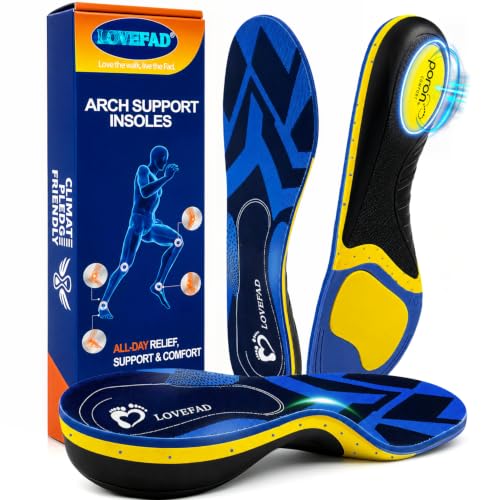
LOVEFAD Arch Orthotics

Alegria Women’s Classic Footbed

PowerStep Pinnacle Maxx Orthotic Insoles, Firm Flexible Angled Heel
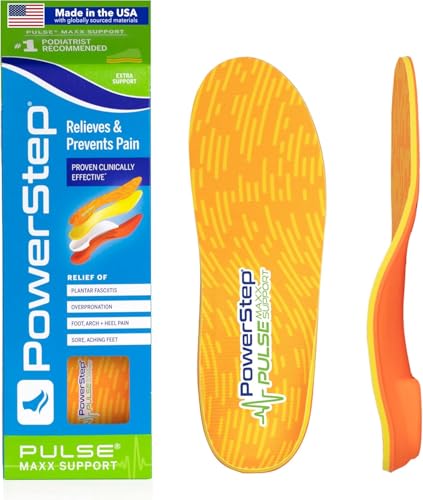
PowerStep Pulse Maxx Running Insoles, Rigid Shell and Angled Heel for Men and Women
PowerStep Pinnacle Low Insoles, Firm Flexible Support for Flat Feet and Overpronation
TEGA Carbon Fiber Insole, Memory Foam Arch Support and Deep Heel Cup
TEGA Carbon Fiber Insole, Rigid Support for Turf Toe, Hallux Rigidus
A Deeper Look At The Lineup
Wide feet can make an otherwise supportive insole feel crowded, particularly in walking shoes or work footwear. The FitVille 2 Pair Plantar Fasciitis Shoe Insoles for Men, Big and Tall, Wide Feet take a more generous approach with low-arch shaping, a U-shaped heel cup, and sizing intended for men weighing 200 pounds or more. That combination makes them worth checking for larger feet, heavier builds, and shoes that leave little room around the heel.
The pair gives you more flexibility than a single insert, and the foam construction can provide a softer starting point than a rigid orthotic. Compared with LOVEFAD Arch Orthotics, which offer a more pronounced 1.3-inch arch, this pair places more emphasis on width, shock absorption, and trimming to fit. You may find the lower profile easier to accommodate, though a structured orthotic could suit more pronounced support needs.
Practical Advantages
- The low-arch design favors a gradual profile rather than a steep rise under the midfoot.
- A deep U-shaped heel cup helps keep the heel centered in walking shoes, running shoes, and casual footwear.
- Foam cushioning and pressure distribution suit people who spend substantial time walking or standing.
- Trim-to-fit construction allows you to match a larger pair to the usable space inside your shoes.
Things To Consider
- The low arch may feel too subtle for feet that need a more pronounced support profile.
- Men weighing 200 pounds or more should compare the listed size closely with their shoe dimensions before trimming.
Key Specs
Built With In Mind
These insoles suit men with wide feet, a low arch, and a 200-pound-plus weight range who want a roomy, cushioned starting point.
Where A Sibling Pick Shines
LOVEFAD Arch Orthotics offer a stronger arch rise, making them a better fit for someone who feels the FitVille pair provides too little midfoot support.
LOVEFAD Arch Orthotics answer a different need from the roomy FitVille pair: a defined arch profile with layered cushioning. The insert uses 5.5 mm high-density EVA, a durable foam commonly used where support and resilience matter, and adds a 1.3-inch arch height. That middle-ground profile can make sense for flat feet or normal arches that still feel unsupported in ordinary shoes.
The design appears especially relevant to people who divide their day between walking shoes, work shoes, and casual footwear. A more responsive foam layer may feel livelier underfoot than a mostly rigid insert, while the raised arch occupies more shoe space. Compared with the Alegria Women’s Classic Footbed, this is a general-purpose insert for multiple shoe types rather than a replacement footbed designed for a specific shoe.
A Few Highlights
- A 1.3-inch arch gives flatter feet a visible lift without moving into the most aggressive support category.
- The dual-layer EVA construction balances cushioning with springy response as you walk.
- Men’s and women’s sizing ranges account for different shoe conventions.
- The broader fit makes this a practical option for everyday shoes with removable insoles.
Worth Noting
- The raised profile can reduce usable space inside snug shoes.
- Flat shoes with a fixed footbed will not accept this insert without modification.
- A pronounced arch may feel unnecessary to someone who only wants light cushioning.
The Right Fit
This option suits men and women with flat or neutral arches who want a moderate 1.3-inch rise inside shoes with removable footbeds.
Consider Something Else When
FitVille 2 Pair Plantar Fasciitis Shoe Insoles for Men, Big and Tall, Wide Feet may fit wider feet better because they prioritize width and a lower arch.
The Alegria Women’s Classic Footbed is a specialized replacement rather than a generic insert, and that distinction matters. It combines cork with memory foam, creating a footbed that can gradually take on the shape of your foot while adding cushioning. The breathable suede lining is another practical touch for people who spend hours in closed work shoes and notice warmth more than they notice arch geometry.
You gain the most when you already wear Alegria shoes and need a new footbed in the women’s 7 to 7.5 size. Unlike the LOVEFAD Arch Orthotics, this footbed is tied to a particular shoe platform and size, so the match must be exact. The removable construction also makes it a tidier solution than trimming a full-length insert to fit an unfamiliar shoe.
Key Advantages
- Cork and memory foam combine a supportive base with a surface that can conform over time.
- The suede lining promotes airflow and helps limit the stuffy feeling associated with enclosed footwear.
- Removable construction makes replacement straightforward for compatible Alegria shoes.
Small Caveats
- The listed women’s 7 to 7.5 sizing limits compatibility with other feet and shoe styles.
- You need a compatible Alegria shoe with a removable footbed for the intended fit.
Quick Facts
Made For
This footbed suits Alegria owners wearing women’s size 7 to 7.5 who value a contoured replacement and breathable lining.
Another Choice May Suit
LOVEFAD Arch Orthotics suit someone who needs a defined 1.3-inch arch across several pairs of shoes rather than a shoe-specific replacement.
Some shoes need more than a gentle contour, particularly when you spend the day walking on hard surfaces. The PowerStep Pinnacle Maxx Orthotic Insoles, Firm Flexible Angled Heel use a firm but flexible construction and a pronounced heel angle to create a more structured platform. That makes them a practical consideration for flat feet and feet that roll inward during walking.
Compared with the lower-profile PowerStep Pinnacle Low Insoles, this model gives the heel a more active position, so your shoes need enough room for the extra structure. The supportive approach can also feel more noticeable underfoot than LOVEFAD Arch Orthotics, particularly in casual shoes with thin footbeds. You may prefer it for daily work footwear, while the Pinnacle Low makes more sense in roomier walking shoes.
Points In Its Favor
- The angled heel changes foot positioning more noticeably than a standard contour.
- Firm yet flexible construction gives walking shoes a supportive platform without becoming completely rigid.
- Men’s and women’s sizing makes the model relevant to a broad range of everyday footwear.
- Structured support can be useful under heavier loads during long workdays.
Possible Compromises
- The angled heel and firm structure take more room than a low-profile foam insert.
- Close-fitting dress shoes may have insufficient space for the orthotic shape.
Who It Suits Best
This model suits adults with flat feet who want a firm heel platform for daily work shoes or other roomy footwear.
Not Your Match When
PowerStep Pulse Maxx Running Insoles make more sense for an athletic shoe built around higher-impact movement.
Running shoes present a different support problem from walking shoes because repeated landing creates more concentrated force through the heel and midfoot. The PowerStep Pulse Maxx Running Insoles, Rigid Shell and Angled Heel for Men and Women are designed specifically around athletic footwear, with a stiffer shell and angled heel to create a steadier platform during faster movement.
The rigid construction is the main reason this differs from the PowerStep Pinnacle Maxx Orthotic Insoles, whose flexible structure is more at home in everyday footwear. You may find the Pulse Maxx more noticeable during the first few miles, but that defined platform can be useful when a running shoe needs extra guidance. The listed men’s 6 to 6.5 and women’s 8 to 8.5 pairing also matters, so check the corresponding size options closely.
What Earns Its Place
- A rigid shell provides more defined support than a flexible everyday orthotic.
- The angled heel creates a distinct platform for running-specific footwear.
- Running-focused construction suits repetitive training and distance sessions.
- Men’s and women’s size ranges make it easier to coordinate with a corresponding running shoe.
Details To Watch
- Its firm structure may feel too intrusive during ordinary walking.
- You need a shoe with a removable footbed and enough internal depth to prevent crowding.
Technical Highlights
Built For
These insoles suit runners with flat feet who want a rigid, angled platform inside a compatible training shoe.
Reach For A Different Pick When
PowerStep Pinnacle Maxx Orthotic Insoles suit everyday shoes where a flexible structure and less running-specific profile fit better.
The PowerStep Pinnacle Low Insoles, Firm Flexible Support for Flat Feet and Overpronation concentrate on a low arch without making the insert feel excessively tall. A firm, flexible body and deep heel cradle give the foot a more structured base, while the lower profile makes this a sensible option for walking shoes and casual footwear. People with flatter feet can get meaningful support without the steep rise seen in LOVEFAD Arch Orthotics.
The construction is listed for weights of 250 pounds and above, which broadens its appeal for larger individuals seeking a low-profile orthotic. Compared with PowerStep Pinnacle Maxx Orthotic Insoles, the heel angle is less pronounced and the overall profile is easier to place inside an ordinary shoe. The honest read is that this is a versatile starting point for daily wear, though the support remains more structured than a basic foam insert.
Notable Upsides
- The low arch offers a gradual rise suited to flatter feet.
- A deep heel cradle adds stability without requiring a high-profile heel.
- Firm yet flexible construction balances support with easier accommodation in walking shoes.
- The listed weight range makes it relevant for people above 250 pounds.
Trade Offs
- The more structured build may feel unnecessary for very low-impact indoor wear.
- The listed men’s 8 to 8.5 and women’s 10 to 10.5 sizes require careful matching with your shoes.
Core Details
Who Will Love This
This model suits people with low arches, heavier weight profiles, and a need for structured support in everyday walking shoes.
Swap It Out When
PowerStep Pulse Maxx Running Insoles suit an athlete who needs a rigid shell and angled heel for running-specific footwear.
The TEGA Carbon Fiber Insole, Memory Foam Arch Support and Deep Heel Cup combines several materials in a way that suits both daily shoes and sports footwear. Carbon fiber forms a supportive base, memory foam adds adaptable cushioning at the foot, and a gel pad beneath the heel helps absorb landing impact. A deep heel cup adds stability around the rear of the foot.
This makes it more flexible in purpose than the rigid TEGA Carbon Fiber Insole, Rigid Support for Turf Toe, Hallux Rigidus. The broader sizing also covers several men’s and women’s combinations, while the breathable fabric is intended to reduce stuffiness. You may find the material combination useful in walking shoes, running shoes, and casual footwear, provided each shoe has a removable insole and enough depth.
Everyday Advantages
- Memory foam provides a cushioned top layer that can adapt to the shape of your foot.
- The heel gel adds targeted cushioning where running and walking create repeated impact.
- Carbon fiber gives the insole a supportive base without requiring the rigid feel of a pure sports insert.
- Deep heel cupping helps stabilize the foot in a range of casual and athletic shoes.
Possible Drawbacks
- The layered construction occupies more space than a thin foam insert.
- You need to compare the listed size with the interior dimensions of your shoe before ordering.
Made For
This insole suits active adults who want carbon support, cushioned foam, and heel stability across several shoe types.
A Better Fit Elsewhere
TEGA Carbon Fiber Insole, Rigid Support for Turf Toe, Hallux Rigidus better serves people needing focused front-of-foot rigidity in sports shoes.
The TEGA Carbon Fiber Insole, Rigid Support for Turf Toe, Hallux Rigidus is less about general arch cushioning and more about a rigid platform beneath the front of the foot. The carbon fiber construction is intended for turf sports, hiking, trekking, basketball, running, and other activities where the forefoot may need firmer support. Its specialty focus sets it apart from the softer foam structure of the FitVille pair.
Compared with the broader TEGA Carbon Fiber Insole, Memory Foam Arch Support and Deep Heel Cup, this model sacrifices cushioned layering for a firmer insert. That makes it a more focused choice for people with a specific front-of-foot concern, rather than a general daily option for flat feet. The available women’s and men’s size combinations are limited, so exact shoe matching deserves attention.
The Value In It
- Rigid carbon fiber provides a firm platform for sports and outdoor footwear.
- The specialized shape targets the front portion of the foot rather than the entire arch.
- Its range of intended activities makes it relevant for several sport-specific routines.
Where It May Fall Short
- The rigid construction may feel uncomfortable for all-day casual wear.
- You need a removable footbed and a shoe with enough internal room for a stiff insert.
Feature Facts
Whose Shelf It Belongs On
This insert suits athletes with a front-of-foot support need who can accommodate a rigid insert in a roomy sports shoe.
Look Elsewhere When
PowerStep Pinnacle Low Insoles suit everyday walking shoes where a lower arch and more adaptable cushioning matter more than forefoot rigidity.
What Matters Most in a Supportive Insole
Match the arch profile to your foot
Arch support is not a single standardized shape. A low profile works well for flatter feet that dislike a steep rise, while a moderate arch offers more pronounced support through the midfoot. Compare the Pinnacle Low with the LOVEFAD insert to see which height sounds more comfortable, and remember that a supportive insole should not create pressure you cannot comfortably sustain.
Look at heel structure and shoe volume
A heel cup, cradle, or angled platform changes how your foot sits within the shoe. Structured options such as the Pinnacle Maxx and Pulse Maxx need more internal space than foam inserts, so your footwear matters just as much as the insole. Remove the current footbed and measure its depth before ordering, especially for close-fitting shoes.
Separate cushioning from rigid support
Memory foam and EVA prioritize cushioning and flexibility, while carbon fiber and firm orthotic shells create a more defined platform. A rigid insert may suit running or focused forefoot support, but it can feel harsh during ordinary walking. For casual use, the Alegria footbed or FitVille pair offers a gentler starting point than a specialty sports insert.
Consider a gradual introduction
Structured insoles can feel noticeably different underfoot from loose foam liners. Begin with shorter wear periods, alternate pairs when possible, and remove the insert if the fit creates localized pressure. Ongoing foot discomfort deserves attention from an appropriate specialist doctor, who can assess your gait and recommend an appropriate level of support.
Common Mistakes Worth Avoiding
Mistakes Worth Dodging
Choosing solely by the condition named on the package overlooks shoe fit, arch shape, and daily activity. A running-oriented rigid insert may be excessive for office shoes, while a soft foam liner may feel too subtle during long walks. Check the shoe type and insole dimensions before making a selection.
What Separates Premium From Basic
Higher-tier models usually add firmer arch shaping, a deeper heel structure, or specialized materials such as carbon fiber and memory foam. Those features are most useful when you need defined positioning or sustained cushioning, rather than a thin insert for occasional use.
Frequently Asked Questions
How long should you wear new insoles for flat feet?
Start with a few hours in a low-activity setting, then increase wear time as the fit becomes familiar. Short initial sessions help you notice crowding, pressure, or heel movement before committing to a full day.
Are firm insoles better than cushioned ones for plantar fasciitis?
Neither firmness nor cushioning suits everyone. Firm inserts offer more structured positioning, while cushioned models may feel easier to wear, so your foot shape, shoe volume, and daily movement determine the more practical choice.
Can you use the same insoles in running and walking shoes?
Only when the design and dimensions suit both shoes. Running-specific models can be too rigid for casual footwear, while a low-profile everyday insert may not match the structure of a training shoe.
How do you know an insole fits correctly?
The insole should sit flat without bunching, its arch should feel supportive rather than painful, and your heel should remain centered. Trim or replace it if it crowds the toe box, shifts during walking, or creates pressure along one edge.
When should foot discomfort prompt professional advice?
Seek guidance from an appropriate specialist doctor when discomfort persists, interrupts your normal routine, or appears in only one foot. A gait assessment can reveal whether an off-the-shelf insole matches your needs.
Final Verdict
Your foot shape, shoe space, and daily movement should narrow the field quickly. Low-profile foam suits gradual support, structured orthotics suit firmer positioning, and rigid carbon inserts serve focused sports needs. Choose the design that feels compatible with your shoes, then give it time to settle before making a longer-term decision.
