

Your feet roll inward with each step, your shoes feel uneven, or your arch feels unsupported after a run. These problems can make choosing insoles more complicated because running footwear needs firmer control without sacrificing cushioning. The right insert depends on your arch shape, degree of inward rolling, shoe fit, and running volume. Persistent discomfort deserves an assessment from an appropriate specialist doctor.
The Lineup, Simplified

PowerStep Pinnacle Maxx Orthotic Insoles for Flat Feet and Overpronation Support
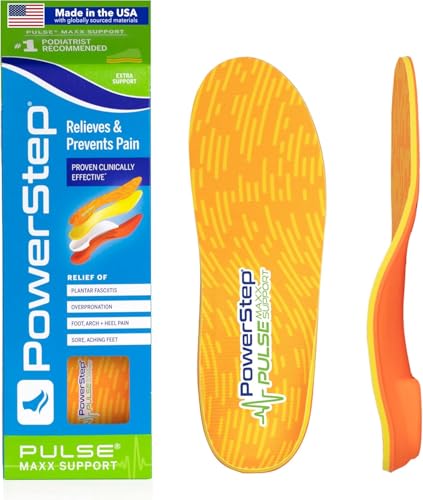
PowerStep Pulse Maxx Running Insoles for Overpronation, Arch Support and Alignment
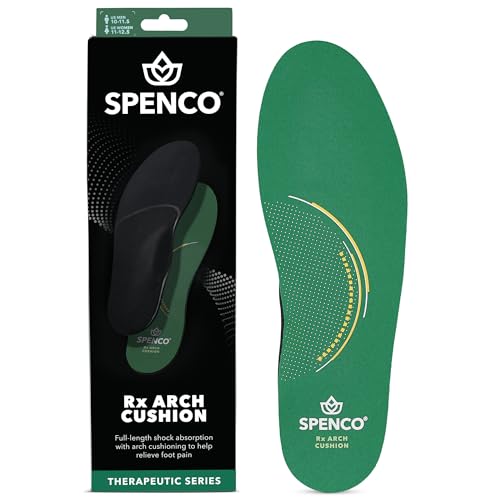
Spenco RX Arch Cushion Full Length Insoles

MOVE Game Day Pro Insole

Spenco Rx Thinsole 3/4 Length Shoe Insoles
PowerStep Pinnacle Low Orthotic Insoles for Flat Feet, Overpronation and Heel Support
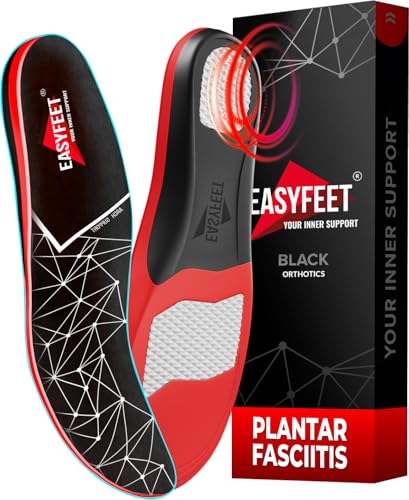
EASYFEET High Arch Support Insoles

EASYFEET 220+ lbs Heavy Duty Insoles
Inside Each Recommended Option
A firm, flexible construction and angled heel make the PowerStep Pinnacle Maxx a substantial choice for runners whose feet roll inward. Overpronation means the foot turns inward during movement, and this insert is shaped to guide the foot toward a straighter position.
You get more control than from a general cushioning insert, which can suit long training blocks and heavier movement patterns. Compared with the more flexible Spenco options later in the lineup, the Pinnacle Maxx takes a more structured approach to positioning.
Benefits That Matter
- The angled heel helps direct the foot into a more neutral alignment.
- Firm support suits runners seeking firmer control than a basic cushion provides.
- Flexible construction allows some give as your foot moves.
- Flat-foot and overpronation support makes it a practical match for runners with visible inward rolling.
Practical Considerations
- The substantial structure may take more adjustment than a soft everyday insert.
- Confirm the correct men’s or women’s size before placing it inside your running shoes.
Key Specs
Who Will Love This
Runners with pronounced inward rolling who prefer firm guidance during frequent training sessions.
A Better Fit Elsewhere
Spenco RX Thinsole 3/4 Length Shoe Insoles suit runners who need a much slimmer insert for close-fitting shoes.
The PowerStep Pulse Maxx is built specifically for running shoes and more rigorous athletic movement. Its rigid shell provides more structure than the PowerStep Performance line, while the angled heel focuses on alignment and overpronation control.
That makes it a logical choice for road runners who want the insole to do more than add padding. You may find the firmer feel more noticeable during shorter outings than during a long run once your feet adjust.
Features That Help
- A running-specific shape helps it sit within athletic footwear.
- The rigid shell supplies substantial control through the foot.
- An angled heel supports a straighter foot position.
- Arch support targets the space between your heel and forefoot.
Trade Offs
- The rigid shell may feel less accommodating than cushioned or fabric-based insoles.
- Its pronounced structure can demand more room inside your running shoes.
- Correct sizing matters for a stable seat inside the shoe.
Right Fit For
Distance runners with overpronation who want a structured insert designed specifically for running shoes.
Look Elsewhere When
PowerStep Pinnacle Low Orthotic Insoles offer a lower-profile profile for runners whose shoes have limited interior volume.
Heel-to-toe cushioning gives the Spenco RX Arch Cushion broader coverage than a partial insert. That design works well for runners who spend part of the day walking or standing and want one insole to transition between those activities.
Its medium-stability arch support offers a middle ground between the Pinnacle Maxx and the fabric-like Spenco Rx Thinsole. You gain more arch positioning than a simple foam liner without committing to the rigid construction of a dedicated corrective insert.
Well-Handled Touches
- Full-length coverage supports the heel, arch and forefoot.
- Heel-to-toe cushioning softens the feel across a variety of daily shoes.
- Medium arch stability suits people wanting moderate structure.
- Plantar fascia support adds targeted support beneath the arch.
Small Caveats
- Full-length coverage can reduce the room available inside snug shoes.
- Its medium support may feel less corrective than a rigid orthotic insert.
Feature Snapshot
Made For
Runners who split their day between training, walking, commuting and standing.
Another Choice May Suit
PowerStep Pulse Maxx Running Insoles provide a more rigid, running-specific structure for more pronounced inward rolling.
The MOVE Game Day Pro is designed for movement on courts and fields rather than for a standard road-running insert. Its adaptable shape is intended to follow your shoe, foot and playing style, providing a stable base during quick starts, cuts and landings.
That makes it most relevant for basketball, tennis and other frequent direction changes. Unlike the PowerStep Pulse Maxx with its rigid corrective shell, this option prioritizes responsive movement and a cushioned landing.
What Works In Its Favor
- The adaptable shape can accommodate different playing movements.
- A stable base supports takeoff and changes of direction.
- Cushioning helps soften the landing phase of running steps.
- The design preserves a more natural range of foot movement.
Where It May Fall Short
- Its sports focus is less specific to the corrective needs of road runners.
- Runners needing pronounced arch correction may prefer a dedicated orthotic shape.
- Confirm that the available size matches your shoe size.
Who Should Grab It
Basketball and tennis players who make frequent lateral movements during games and practices.
Swap It Out When
PowerStep Pinnacle Maxx Orthotic Insoles suit distance runners who need firmer overpronation control.
A three-quarter-length design makes the Spenco Rx Thinsole useful when toe room matters. It covers the heel and main arch area while leaving the forefoot open, which helps it fit shoes that feel crowded with a full-length insert.
The thin, supportive structure adds shock absorption without the bulk of the Spenco RX Arch Cushion. You may appreciate it during long walks or light runs, especially when your shoes have a narrow forefoot or a snug fit across the toes.
Practical Pluses
- The three-quarter shape preserves open space near your toes.
- Shock-absorbing cushioning softens prolonged walking and standing.
- A customizable heel and arch plate follows the foot’s contours.
- The slim profile works better inside close-fitting shoes than a full-length model.
Less Ideal Details
- Leaving the forefoot uncovered provides less support across the entire foot.
- Its relatively thin design may not provide enough structure for pronounced overpronation.
Quick Facts
Built With In Mind
Runners with narrow feet or snug shoes who want arch support without a full-length insert.
Reach For A Different Pick When
Spenco RX Arch Cushion Full Length Insoles suit anyone who wants continuous heel-to-toe coverage.
The PowerStep Pinnacle Low reduces the profile of the brand’s more structured orthotic approach. A low, contoured arch and deep heel cradle provide position and cushioning for flat feet and inward rolling, while the dual-layer construction softens the overall feel.
This is the practical middle ground between the Pinnacle Maxx and the very slim Spenco Rx Thinsole. You get meaningful arch structure and heel support without the height of a maximum-stability insert, which can be helpful during long runs and active workdays.
The Helpful Details
- The low arch profile supports flat-footed runners without maximum bulk.
- A deep heel cradle helps position your heel and distribute pressure.
- Dual-layer cushioning adds comfort beneath the firmer support structure.
- The stated weight capacity extends to 250 pounds or more.
A Few Limitations
- Even a low-profile orthotic can reduce space inside close-fitting shoes.
- The firmer structure may feel more noticeable than the Spenco Rx Thinsole.
- Weight guidance does not determine your arch needs, so assess fit as well as body weight.
At A Glance
The Right Fit
Runners with flat feet who want structured correction, dual-layer cushioning and a relatively low profile.
Where A Sibling Pick Shines
PowerStep Pinnacle Maxx Orthotic Insoles provide a firmer maximum-stability design for runners seeking stronger correction.
The EASYFEET High Arch Support Insoles use a firm arch bridge to fill the space under a high arch, but that same bridge is designed to limit inward rolling in flatter feet. A deep heel cup adds support around the heel and helps distribute pressure across more of your foot.
Unlike the PowerStep inserts with rigid correction built around a flatter-foot profile, this design gives you one shape intended to address different arch types. Runners with a pronounced arch may find the bridge more noticeable during the first few runs.
Good Reasons To Consider
- The firm bridge fills the gap beneath a high arch.
- Arch support is also designed to discourage inward rolling.
- A deep heel cup supports heel positioning and pressure distribution.
- One design serves both high-arch and flat-foot profiles.
Possible Compromises
- The firm bridge may take adjustment during longer runs.
- Its height can affect fit in shoes with shallow footbeds.
- Flat-footed runners may prefer a more specifically low-profile correction.
Perfect Match For
Runners with mixed arch needs who value both a raised arch bridge and a supportive heel cup.
Not Your Match When
PowerStep Pinnacle Low Orthotic Insoles provide a lower arch profile for runners seeking less height and more pronounced flat-foot correction.
The EASYFEET 220+ lbs Heavy Duty Insoles are built around stronger arch support for runners with higher body weights. Their anatomical shape is intended to distribute weight across the foot, combining a high-arch structure with a supportive base.
This is a more specialized fit than the general EASYFEET bridge design. You gain a clearly defined support target, though the added structure can make shoe compatibility and initial comfort more important parts of the decision.
Everyday Perks
- Reinforced arch support targets a higher load through the foot.
- The shaped construction is designed to distribute weight more broadly.
- High-arch support suits runners with a pronounced gap beneath the arch.
- The stated weight guidance begins at 220 pounds.
Details To Watch
- The strong support structure may feel substantial during early use.
- Higher arch geometry can require more shoe volume.
- Your weight category is only one factor when assessing overall fit.
Core Details
Whose Shelf It Belongs On
Higher-weight runners with high arches who need a reinforced, full-foot support structure.
Consider Something Else When
Spenco Rx Thinsole 3/4 Length Shoe Insoles suit runners who need less arch height inside close-fitting footwear.
Matching Support to Your Running Style
Match the insert to your movement pattern
Overpronation is the inward rolling of your foot during a step. Runners with noticeable inward rolling may favor firmer heel control or a contoured arch, while those with neutral movement can often start with moderate cushioning. The shape of your arch alone does not tell the whole story, so consider how your foot lands and how your shoe wears.
Account for shoe volume
A three-quarter insert preserves toe space, while full-length and orthotic designs cover more of the foot. Remove your current insole and compare the available interior space, especially near the toe box and heel cup. A supportive insert should sit flat without forcing your foot upward or changing the fit of the upper.
Separate running from daily wear
Running-specific insoles are designed for athletic shoes and repetitive forward movement. Full-length cushioning models can serve walking and standing, while sports insoles focus on quick starts, cuts and landings. Match the insert to the activity that takes up most of your time.
Before You Make the Swap
Common Shopping Slip Ups
Choosing by color, trend or arch label alone can leave the support mismatched with your foot. Look closely at the heel design, arch height, overall thickness and stated size before purchasing. Moving an insert between incompatible shoe sizes can create uneven pressure.
What The Higher Tier Buys
Rigid shells, deeper heel cups and reinforced arches generally add more structure than a basic cushion. That extra construction may suit pronounced overpronation, higher loads or longer sessions, but a slimmer insert can work better in close-fitting shoes. Paying more makes sense only when its support matches your movement and fit.
Frequently Asked Questions
Should flat-footed runners use rigid or cushioned insoles?
Rigid or semi-rigid inserts can suit runners with pronounced inward rolling who want more control. Cushioned models may feel more comfortable for walking, neutral feet or lighter training, so your foot movement and running volume matter more than a general support label.
How do I know which size to choose?
Use the listed men’s or women’s size that corresponds with your shoe size, then compare it with the manufacturer’s sizing guidance. You should also check the shape of the insert, because the correct numerical size does not guarantee a comfortable fit in every shoe.
Can a three-quarter insole support flat feet?
Yes, a three-quarter insole can support the heel and main arch area while leaving the forefoot open. It may be especially useful in narrow shoes, though full-length options provide more complete support across the foot.
Should I use the same insoles during long walks and runs?
You can, but your primary activity should guide the choice. A running-specific insert emphasizes movement control, while a cushioned full-length model may be more comfortable for long periods of walking and standing.
When should I get a foot issue professionally assessed?
Seek guidance from an appropriate specialist doctor when discomfort persists, worsens with activity or affects your stride. A professional assessment can help identify the source of the problem before you rely on an insert for support.
Final Verdict
For running, the PowerStep Pulse Maxx offers focused correction, while the Pinnacle Maxx provides firmer stability and the Pinnacle Low balances support with cushioning. The Spenco models suit daily wear and shoe-volume concerns, and the EASYFEET options serve higher arches and specialized support needs. Match the insert to your foot movement, then confirm that it fits comfortably inside the shoes you run in.
