

A heel spur can make an ordinary workday feel surprisingly long, especially when your shoes sit close to the foot or your arches need more support. The right insert depends on your arch shape, shoe type, and daily routine rather than a single universal design.
This roundup covers adjustable heel lifts, neutral and high-arch insoles, work-boot options, and recovery footwear for different needs. You’ll also find guidance on fit, shoe compatibility, and when a podiatrist can help you identify the source of persistent foot discomfort.
A Fast Comparison Of The Options

Welnove 4-Layer Adjustable Heel Lift, Medium

Balego Adjustable Heel Lift, Small, Pack of 2

PowerStep Pulse Performance Insole, Neutral Arch
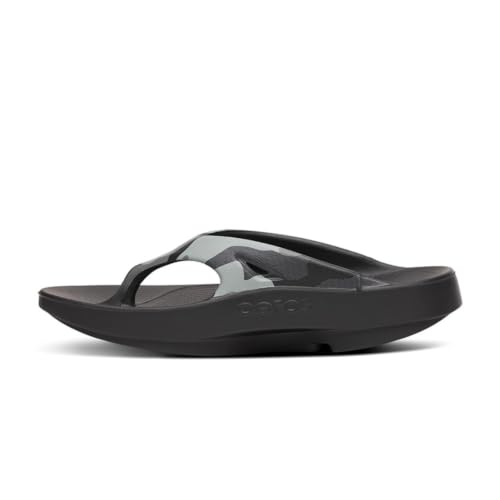
OOFOS OOlala Women’s Sandal, Machine Washable
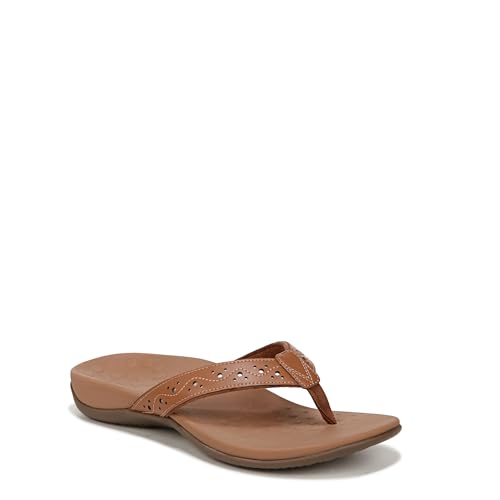
Vionic Aliza Women’s Shoe

CRUVHEAL 220+ lbs High Arch Support Insole, Medium

CRUVHEAL Work Pro Boot Insoles, Low Arch, L

CRUVHEAL Work Orthotic Boot Insoles, Blue, XL
A Deeper Look At The Lineup
A small difference in leg length can change how you stand, walk, and fit into a shoe. This Welnove insert is built for that specific situation, with four removable layers providing quarter-inch adjustments rather than forcing you into one fixed height.
The memory PU foam offers a lightweight way to add support beneath the heel, and the one-foot format suits shoes worn on only one side. For a visible leg-length difference, this is more targeted than the full-length PowerStep Pulse Performance Insole, which focuses on neutral-arch support rather than elevation.
Good Reasons To Consider
- Four layers let you fine-tune the lift in quarter-inch increments.
- The full one-inch adjustment range can accommodate several common leg-length differences.
- Memory PU foam provides cushioning without the bulk of a thick solid wedge.
- The single-foot design avoids wasting a paired insert on the unaffected shoe.
Points To Keep In Mind
- This insert raises one foot, so confirm the needed correction with a podiatrist or fitting professional.
- Extra heel height can reduce shoe room, especially in closed shoes with a close fit.
Feature Snapshot
Built With In Mind
This option suits you best when unequal leg length is the main concern and you know the required lift.
A Better Fit Elsewhere
Choose the Balego Adjustable Heel Lift, Small, Pack of 2 for smaller feet or a need to address both feet with two inserts.
Heel lifts work best when their height feels like a natural part of your stride, not a block bolted beneath one shoe. The Balego set gives you three removable layers to adjust the lift, while the non-slip construction is intended to help the insert stay in position.
Its small sizing makes this a practical choice for compact shoes and smaller feet. Compared with the Welnove 4-Layer Adjustable Heel Lift, the Balego version comes as a pair and emphasizes secure placement, though it does not list the same one-inch adjustment range.
Notable Upsides
- Three removable layers make the lift height easier to adjust as your needs change.
- Non-slip construction helps limit shifting during regular walking.
- The two-pack supports bilateral use or keeps a spare insert available.
Worth Noting
- Small sizing may not suit larger feet or roomy shoes.
- Compare the resulting heel height with your footwear before committing to a long day.
Who It Suits Best
This pair works well for you when you have a smaller foot and want removable, non-slip heel elevation in everyday shoes.
Where A Sibling Pick Shines
The Welnove 4-Layer Adjustable Heel Lift, Medium offers finer quarter-inch control and a listed one-inch maximum lift.
Heel discomfort during a run often calls for more cushioning without an aggressive arch shape. The PowerStep Pulse uses a neutral arch, meaning it supports the foot without targeting a pronounced high or low arch, and its full-length format covers the entire foot.
A firm but flexible support section and two foam layers make this a sensible option for active days and long walks. Unlike the heel-lift designs, it does not address unequal leg length; it focuses on contact, cushioning, and heat management beneath the foot.
A Few Strong Suits
- Full-length coverage supports the heel, arch, and forefoot rather than only the rear foot.
- The neutral arch suits feet that need moderate support without a high profile.
- Dual-layer foam adds cushioning for running, walking, and extended wear.
- Odor-control fabric is designed to manage heat, friction, and perspiration.
- The firm yet flexible core can provide support while still adapting to foot movement.
Small Caveats
- The listed Men’s 10-10.5 or Women’s 12 designation is specific, so confirm your usual size carefully.
- Neutral support may feel less substantial than the CRUVHEAL high-arch model.
Core Details
Made For
You’ll find this model useful for running, long walks, and neutral-arch feet that need a full-length insole.
Swap It Out When
Choose the CRUVHEAL 220+ lbs High Arch Support Insole, Medium for a taller arch profile and heavier-duty support.
Recovery footwear serves a different purpose from an insole, but it can still play a useful role after a long day on your feet. The OOFOS OOlala provides a lightweight sandal with a recovery footbed, while the machine-washable design suits travel, exercise, and changing between shoes.
You’ll notice that this choice offers no height adjustment and cannot be moved between footwear. Compared with the Vionic Aliza, it prioritizes a soft recovery surface and easy cleaning rather than the structured motion support built into a closed walking shoe.
Everyday Perks
- The lightweight construction makes the sandal easy to carry in a travel bag.
- Machine washing simplifies care after sweaty workouts or long summer days.
- Its recovery-footbed design gives your feet a break from firmer everyday shoes.
- The open sandal format suits warm weather and casual post-activity wear.
Less Ideal Details
- This is recovery footwear rather than a removable insole, so it cannot support another pair of shoes.
- Its open design offers less coverage than a closed work boot or walking shoe.
Right Fit For
This sandal suits you when you want easy-care footwear for resting your feet after activity or a long shift.
Another Choice May Suit
The Vionic Aliza Women’s Shoe offers a more structured option for everyday walking and built-in support.
Not every heel-spur concern needs a separate insert, and some people prefer replacing the whole shoe. The Vionic Aliza uses VIO MOTION technology, a support-oriented approach designed to combine movement with stability through the foot’s natural range.
For a work commute or full day of errands, the built-in structure can feel more practical than layering an insert over an unfamiliar insole. The trade-off is that you must give up the flexibility of choosing different support levels across several pairs of shoes.
What Stands Out
- Built-in support avoids the need to fit a separate insert into your shoe.
- The stability-focused design supports everyday movement rather than one activity alone.
- A complete shoe offers a simple option for people who routinely wear supportive footwear.
Things To Weigh
- You’ll need to confirm the fit before relying on it for long periods of standing.
- Unlike an insole, the shoe cannot be moved between dress shoes, work boots, and sneakers.
Who Should Grab It
This model suits you when you want one supportive pair for daily walking, commuting, and extended wear.
Consider Something Else When
The OOFOS OOlala Women’s Sandal is a lighter, washable choice for post-activity recovery and travel.
Some feet need more arch height and a sturdier support profile, particularly during long workdays. This CRUVHEAL model was designed around people weighing 220 pounds or more and combines a 1.4-inch arch with a work-boot format to distribute pressure across the foot.
Compared with the neutral PowerStep Pulse Performance Insole, this is a more specialized design with a higher profile. The trade-off is fit: a pronounced arch can feel intrusive to someone with a low arch, and the medium sizing deserves careful confirmation.
The Practical Payoff
- The 1.4-inch arch gives high-arch feet a more substantial support profile.
- The design targets people weighing 220 pounds or more.
- Work-boot construction suits environments where extended standing is common.
- Pressure distribution can reduce the concentrated sensation beneath the heel.
Possible Compromises
- The high arch may feel too pronounced for a low or flexible arch.
- This medium version may not align with your usual footwear sizing.
Technical Highlights
The Right Fit
This insole suits you when you have high arches, weigh at least 220 pounds, and spend long periods in work boots.
Not Your Match When
The CRUVHEAL Work Pro Boot Insoles, Low Arch, L provide a better match for a low arch and a lower support profile.
Low arches and hard work floors call for cushioning that follows the foot rather than forcing a high arch profile. The CRUVHEAL Work Pro uses gel pads for additional shock absorption, and its low-arch support is designed to follow a more neutral movement pattern.
A velvet upper adds a softer, breathable surface, while raised massage points provide texture beneath the foot. This differs from the CRUVHEAL 220+ lbs High Arch Support Insole, which uses a much taller 1.4-inch arch for a substantially different fit.
What It Does Well
- Low-arch support follows the foot without adding a pronounced arch shelf.
- Gel pads provide extra cushioning in demanding work environments.
- The velvet top layer promotes airflow and helps manage moisture.
- Massage points add texture during long periods of standing.
Trade Offs To Consider
- The low-arch profile is a poor match for someone who needs substantial arch elevation.
- The size listing includes Men’s 4-5.5 and Women’s 5-6.5, so verify the indicated pairing before ordering.
Feature Facts
Best Suited To
You’ll appreciate this insert during long shifts when you wear work boots and prefer a low, cushioned profile.
Look Elsewhere When
The CRUVHEAL Work Orthotic Boot Insoles, Blue, XL suit extended standing with a more structured heel cup.
Long shifts spent on hard surfaces call for support that keeps the foot stable from heel to arch. This CRUVHEAL orthotic combines a cushioning layer, arch support, shock-absorbing pads, and a deep U-shaped heel cup, which is the feature that most clearly distinguishes it from the flatter Work Pro model.
The heel cup surrounds the rear foot rather than merely placing a pad beneath it, which can make this option useful in boots that need firmer lateral stability. Its XL designation and structured layout also mean you’ll need enough room inside the boot for the full profile.
Where It Delivers
- The deep heel cup adds structure around the rear foot.
- Shock-absorbing pads cushion repeated contact with hard floors.
- A separate cushioning layer adds comfort beneath the arch support.
- The orthotic layout is designed for extended periods of standing.
- The XL format suits feet requiring a larger internal profile.
Details To Watch
- The XL size may reduce room in narrow boots or shoes.
- A structured heel cup can feel firmer than a low-profile foam insert.
Key Product Details
Whose Shelf It Belongs On
This model fits your routine when you stand for many hours and want structured support in a roomy work boot.
Reach For A Different Pick When
The CRUVHEAL Work Pro Boot Insoles, Low Arch, L are softer and more flexible for a low-arch foot shape.
Matching Support to Your Foot and Schedule
Begin with the heel problem
A heel lift corrects a height difference, while a full-length insole supports the shape and cushioning of your whole foot. Choosing between them starts with the main problem you notice during the day, rather than a product label such as “orthotic.”
Persistent pain, swelling, or numbness deserves an assessment from an appropriate specialist doctor. An insole may improve comfort, but it cannot be assumed to address the underlying cause.
Match the arch profile to your foot
Neutral support is the middle-ground choice for many feet. High-arch designs add a more pronounced support profile, while low-arch inserts aim to follow the foot with less elevation.
You can compare fit by removing the current insole and standing naturally in your usual shoes. Comfort and stability matter more than simply matching a category on the package.
Check the space inside your shoes
Heel lifts and full-length orthotics both change the space available beneath your foot. A structured insert may fit a work boot comfortably while crowding a narrow dress shoe.
Remove and reinstall the insole several times to check placement, and test your shoes while sitting, walking, and standing. A small amount of heel lift can also change how a shoe feels on an uneven surface.
Two Details That Change the Outcome
Common Shopping Slip Ups
Choosing by heel pain alone overlooks arch shape, shoe fit, and the number of hours you spend standing. A more useful comparison starts with the activity that causes the most discomfort.
What The Higher Tier Buys
More specialized designs may add height, deeper heel structure, or targeted cushioning. Those features earn their place when your usual footwear lacks that support, but a basic neutral insole can be enough for occasional wear.
Frequently Asked Questions
Can insoles for heel spurs correct the underlying cause?
No insert can be assumed to correct the cause of a heel spur or related discomfort. A podiatrist or other appropriate specialist can help determine whether the problem involves your gait, foot structure, footwear, or another factor.
Should I choose a neutral arch or high-arch insole?
Neutral support suits feet that need moderate help, while a high-arch profile provides more pronounced elevation. You can identify the better fit by comparing how each feels while standing and walking in your normal shoes.
How long does it take to adjust to new insoles?
Adjustment time varies with the design and your footwear. Start with shorter wear periods and replace any original insole, allowing the new insert to sit flat without bunching or shifting.
Can a heel lift help with uneven leg length?
A heel lift is intended to compensate for a measured leg-length difference. Confirm the required height with a podiatrist or fitting professional, especially when the difference is significant.
Do I need medical advice for persistent heel pain?
Yes, especially when discomfort continues, worsens, or changes the way you walk. A qualified healthcare professional can assess the symptoms and recommend an appropriate next step.
Closing Remarks
The right insole depends on what your foot needs during a normal day. Adjustable lifts suit measured leg-length differences, neutral and high-arch insoles address different support preferences, and structured boot inserts serve prolonged standing.
Check the fit inside your own shoes and seek specialist guidance for persistent discomfort. A considered choice will be more useful than adding extra height or support without a clear purpose.
