

Military boots rarely fit perfectly from the first wear. A long shift, wet training ground, or heavy pack can expose pressure points that make even a solid boot uncomfortable, so the right insole should support the arch, absorb impact, and fit without crowding your toes. These options cover everything from lightweight outdoor cushioning to firmer high-arch and heavy-duty designs for demanding duty days. Check the fit against your boot’s interior and replace any existing insert rather than stacking layers.
The Shortlist At A Glance

KEEN K-30 High Insole

ZHEOHSKY 4D Cloud Steppers

OrthoComfoot Breathable Work Boot Insoles with Arch Support

CRUVHEAL 220+ lb High Arch Insole

CRUVHEAL Work Pro Boot Insole
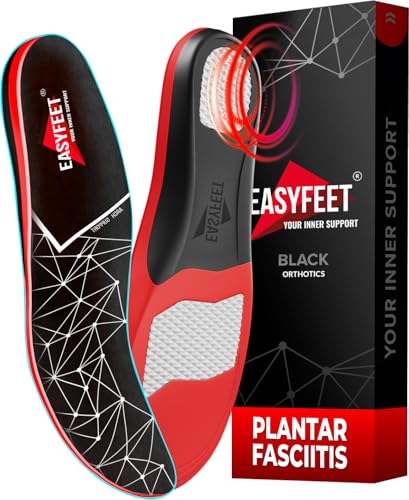
EASYFEET Plantar Fasciitis Insole

CRUVHEAL Work Orthotic Insoles

EASYFEET 220+ lb Heavy Duty Insole
The Picks, Examined More Closely
Military boots used for field training often see more uneven ground than a standard duty boot. The KEEN K-30 combines a shaped arch area, a cupped heel, and cushioning that covers the entire foot without looking designed only for casual wear.
Its heel cap, which surrounds and supports the heel’s landing area, may feel more structured than a basic foam insert. Compared with the softer stepped design in the ZHEOHSKY 4D Cloud Steppers, this model places greater emphasis on alignment and stability, making it an interesting fit for ruck marches, uneven trails, and long periods in laced boots.
Noteworthy Benefits
- A deep heel cup centers the heel for a more controlled landing.
- High Rebound Foam adds responsive cushioning beneath the full foot.
- Gel areas at the heel and forefoot help soften repeated impact.
- Cleansport NXT uses naturally occurring microbes for lasting odor resistance.
- The full-length shape supports running, hiking, and extended outdoor wear.
Things To Consider
- Its structured heel and arch profile may feel more substantial than a soft foam insert during the first wear.
Key Specs
Made For
You’ll benefit most from this insert during outdoor training, hiking, and other situations where heel control matters as much as cushioning.
Where A Sibling Pick Shines
The ZHEOHSKY 4D Cloud Steppers may suit you better when soft, adaptable cushioning takes priority over a structured heel profile.
Walking across a base, standing through a long formation, or spending a full day in boots can make a softer insert more practical than one built around rigid support. The ZHEOHSKY 4D Cloud Steppers use layered cushioning and memory foam that may adjust more readily to your foot than the structured KEEN K-30.
Moisture-wicking fabric and air circulation make this a practical choice for warm environments or boots worn without thin socks. You may find the stepped profile comfortable during long walks, though it offers less obvious heel control than the firmer EASYFEET option reviewed later.
Useful Strengths
- Memory foam can take on the shape of your foot over repeated wear.
- Stepped cushioning softens heel and forefoot landings.
- Moisture-wicking fabric supports airflow in warm conditions.
- Multiple sizes suit men and women across several footwear styles.
- A trim-to-fit design can improve the fit inside a removable military insole.
Worth Noting
- Trimming takes time and works best when the boot has a clearly removable factory insert.
- The soft profile may provide less lateral control than a high-arch orthotic insert.
Quick Facts
Who Will Love This
You’ll appreciate this insert during long walking shifts, warm-weather patrols, and travel days where soft cushioning is your main priority.
Another Choice May Suit
The CRUVHEAL Work Pro Boot Insole is a better fit for low arches that need more gradual support than this memory foam profile provides.
Hard concrete, vehicle floors, and prolonged standing can make the difference between a basic foam pad and a layered support insert obvious. The OrthoComfoot design combines an air-cushioned heel, a rigid polyurethane base, and forefoot gel, giving it a more complex construction than the all-foam ZHEOHSKY option.
The heel cushion is intended to soften heavy landings, while the firmer base gives the foot a defined platform. For military use, this combination may appeal to you during field exercises involving prolonged standing or repeated movement over hard ground, provided the insole fits your boot’s shape without pressing against the toe box.
Strong Points
- The air-cushioned heel is built to soften demanding landings.
- Forefoot gel spreads pressure across a frequently compressed area.
- A rigid polyurethane base adds structure beneath the softer layers.
- Breathable construction suits boots worn through extended shifts.
Points To Note
- Its firmer base may feel less flexible than a memory foam insert during the first few wears.
- Size choices include different insole lengths, so compare the measurements with your boot interior.
Right Fit For
This model suits service members who spend long periods on hard flooring and want heel cushioning combined with a structured base.
Look Elsewhere When
The KEEN K-30 High Insole may serve you better when flexibility and outdoor cushioning matter more than a layered heel-and-forefoot system.
Body weight changes how much pressure a boot insole must handle, making the stated 220-pound-plus design threshold an important detail. The CRUVHEAL 220+ lb High Arch Insole is shaped for heavier users who want a pronounced arch rise rather than the softer, more adaptable profile of the ZHEOHSKY insert.
Its 1.4-inch arch section is the defining feature, offering a fuller space under the middle of your foot. You may find that support useful during duty days involving heavy packs or extended time on your feet, although the substantial profile needs enough room inside the boot to remain comfortable.
Positive Points
- A 1.4-inch arch section provides noticeable support beneath the midfoot.
- The design targets users weighing 220 pounds or more.
- Fuller arch support may suit boots with a roomy interior.
- The profile is aimed at long workdays and heavier physical demands.
Trade Offs
- The pronounced arch may feel excessive for someone with a naturally low arch.
- Limited toe room can make a close-fitting combat boot feel crowded.
Technical Sheet
Built With In Mind
You’ll get the most useful fit from this insert when you have a high or medium arch, a roomy boot, and substantial physical demands.
Reach For A Different Pick When
The CRUVHEAL Work Pro Boot Insole is more appropriate for low arches that need a gentler rise and more flexible everyday feel.
Not every foot needs a pronounced arch bridge, and some military boots feel overly restrictive with a rigid insert inside them. The CRUVHEAL Work Pro Boot Insole takes the opposite approach with a low-arch profile designed to follow a flatter foot shape.
Gel pads add cushioning at pressure-sensitive areas, while a velvet upper surface helps promote airflow and reduce the clammy feeling common in enclosed boots. Raised massage points provide textured contact under the feet, making this a more distinctive choice than the plain foam and breathable-fabric design of the ZHEOHSKY 4D Cloud Steppers.
Notable Upsides
- The low arch shape suits feet that need less pronounced support.
- Gel padding provides extra cushioning around high-pressure zones.
- Velvet adds a soft, breathable upper contact surface.
- Textured massage points offer a different underfoot feel.
Small Caveats
- Low-arch support may feel too subtle for a high arch or a boot used on uneven ground.
- Textured contact areas may not appeal to you during long shifts.
- Confirm that the insert can lie flat without lifting inside the boot.
Best Suited To
You’ll likely prefer this model with low arches, enclosed duty boots, and a need for soft gel cushioning without a tall support bridge.
A Better Fit Elsewhere
The CRUVHEAL 220+ lb High Arch Insole offers a more substantial arch profile for heavier users with roomier boots.
The EASYFEET Plantar Fasciitis Insole centers on a firm arch bridge and a deep heel cup, two features that distinguish it from the softer stepped cushioning of the ZHEOHSKY 4D Cloud Steppers. The bridge fills the space beneath a high arch, while the heel cup surrounds the heel’s landing area to limit side-to-side movement.
For service members who spend much of the day in boots, that structured contact may feel more supportive during standing and walking. The honest read is that this is a firmer design, so your preference matters; a person needing a gentle cushion may prefer the memory foam approach, while someone seeking firmer midfoot support may appreciate this model more.
What Helps Most
- A firm bridge gives high arches a defined support surface.
- The heel cup helps keep the heel centered during impact.
- Support may encourage more even pressure across the foot.
- The structured design suits users who prefer firmer inserts.
Honest Caveats
- A firm bridge may feel intrusive in a narrow boot.
- Some low arches may prefer the gentler profile of the CRUVHEAL Work Pro Boot Insole.
Whose Shelf It Belongs On
This insole fits your needs particularly well when you have high arches, wear laced boots, and want a firm heel-to-arch platform.
Not Your Match When
The ZHEOHSKY 4D Cloud Steppers are a better choice when softness and gradual cushioning matter more than a firm arch bridge.
Extended standing calls for more than a padded surface, particularly when a military boot must remain stable through repeated shifts. The CRUVHEAL Work Orthotic Insoles combine a cushioning layer, arch support, a deep U-shaped heel cup, and shock-absorbing pads. An orthotic insert is simply a shaped support insert designed to influence how your foot sits inside the shoe.
Compared with the EASYFEET Plantar Fasciitis Insole, this model places more emphasis on layered construction and impact management. The blue XL version may suit you well during long duty days, although the heel cup and arch profile need enough space to sit flat inside the boot.
The Good Stuff
- Multiple layers balance cushioning with structured support.
- A U-shaped heel cup helps control heel movement.
- Shock-absorbing pads soften repeated impact.
- Arch support suits extended periods of standing.
Practical Considerations
- The deeper heel cup may require more boot volume than a flat insert.
- Confirm that XL corresponds to your foot length and boot size.
Feature Facts
Who Should Grab It
You’ll appreciate this design for long stationary duties, boot-based work, and days that combine extended standing with frequent walking.
Consider Something Else When
The OrthoComfoot Breathable Work Boot Insoles with Arch Support may fit you better when a lighter heel cushion and breathable upper take priority.
Heavier users often need more support than a standard foam insert provides, particularly during duties that involve heavy packs, hard flooring, or extended wear. The EASYFEET 220+ lb Heavy Duty Insole is an upgraded high-arch model intended for people above that weight threshold, with an anatomical shape designed to support and distribute pressure across the foot.
That high arch gives it more of a structured feel than the EASYFEET Plantar Fasciitis Insole, although the two products may serve different foot shapes. You may find the stronger profile useful in roomy work or service boots, but your boot must provide enough vertical clearance for the arch to sit without forcing your foot upward uncomfortably.
Useful Touches
- Designed specifically for users weighing 220 pounds or more.
- The upgraded construction targets demanding physical routines.
- An anatomical shape provides a more supportive midfoot platform.
- Weight distribution across the foot may reduce concentrated pressure.
Potential Drawbacks
- The high profile may feel too pronounced for low arches.
- Close-fitting boots may lack enough room for the added support.
Important Details
Best Suited To
You’ll find this model most useful with a high arch, a body weight above 220 pounds, and boots with generous interior space.
Swap It Out When
The CRUVHEAL Work Pro Boot Insole is a better match for low arches that need less vertical support inside a close-fitting boot.
What Matters Most Inside Military Boots
Match the arch to your foot
A high arch insert may leave a noticeable gap under a flatter foot, while a low profile can feel inadequate beneath a high arch. Look for a design that supports the middle of your foot without pressing upward or shifting your heel sideways.
Consider the boot interior
Foot length alone does not determine compatibility. Compare the insole with the boot’s removable factory insert, and leave enough room around your toes when the foot rests fully inside.
Decide between softness and structure
Memory foam and stepped cushioning tend to feel more adaptable, while deep heel cups and rigid arch bridges provide a firmer platform. Daily walking, stationary duty, and uneven terrain each place different demands on your feet.
A Practical Check Before You Commit
Mistakes Worth Dodging
Avoid choosing by appearance alone, since a military boot’s shape matters as much as the insole’s advertised features. The most common mistake is buying an insert without checking whether the factory insole is removable.
What Separates Premium From Basic
Higher-tier designs usually add deeper heel control, stronger arch support, or more specialized cushioning. Those additions help when your boots see long shifts or heavy loads, but a simple foam insert may be enough for lighter use.
Frequently Asked Questions
Can military boot insoles replace the factory insoles?
You can replace the factory insole with a compatible insert rather than layering both. Removing the original also preserves more room inside the boot and reduces bunching.
How should you determine the correct insole size?
Compare your boot size and foot length with the available insole measurements, then check the width. The insert should sit flat and leave your toes room to move.
Should you choose high-arch or low-arch support?
Choose a high arch for a pronounced gap beneath your midfoot and a low arch for a flatter profile. Neutral or moderate support may work better when your arch shape is unclear.
When should a worn insole be replaced?
Replace an insert when it becomes visibly compressed, develops uneven wear, or stops feeling supportive in your boots. Proper foot care and appropriate footwear can also help you address recurring discomfort.
Do these insoles address plantar fascia discomfort?
They may provide arch support, heel control, and cushioning that eases pressure during daily movement. Persistent heel or arch pain warrants guidance from an appropriate specialist doctor.
Final Verdict
The right military boot insole depends on your arch, boot volume, and duty demands. Soft stepped cushioning suits everyday movement, deeper heel cups suit long stationary duties, and high-arch models serve heavier users and more structured support needs. Measure the boot interior, replace the factory insert, and give your feet time to adapt before settling on your match.
