

Narrow shoes can make every step feel cramped, especially during long commutes or full days on your feet. The right insole needs to support the arch without adding unnecessary width or interfering with your walk. These eight options cover trim-to-fit, three-quarter-length, low-profile, high-arch, and heavy-duty designs, helping you find a comfortable balance for slim-fitting footwear.
The Shortlist At A Glance

Superfeet All-Purpose Medium Arch Insoles (Blue) for Active Use

Superfeet Women’s High Impact Support Insoles, Berry, for Running

PowerStep Pinnacle 3/4 Orthotic Insole for Tight Shoes, Men and Women

Dr. Scholl’s Full-Foot Support Insoles for Women, Size 6-10
Superfeet Low Arch Support Insoles
Superfeet Wide-Fit Support Insoles 3E-6E
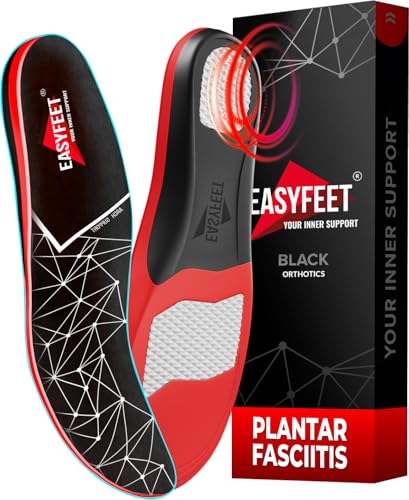
EASYFEET High Arch Support Insoles

EASYFEET Heavy Duty Insoles 220+ lbs
More Details On Our Top Picks
A medium arch profile gives you a practical middle ground when narrow shoes need support without looking bulky. This Superfeet model uses a synthetic construction and a shaped platform intended to stabilize the foot during walking, working, and everyday errands.
The trim-to-fit format makes it useful for narrow footwear because you can remove material from the edges rather than accepting excess width. It is a sensible starting point for active users with medium arches, although the fit may feel more substantial than a three-quarter-length insert.
Benefits That Matter
- Medium-arch support suits everyday users who want structure without an especially high profile.
- Trimming allows the insole to follow the internal outline of narrow shoes and boots.
- The synthetic construction provides a consistent base for daily support.
- Listed sizes cover men’s 9.5-11 and women’s 10.5-12.
Points To Note
- You must trim the insole carefully so the arch structure remains aligned with your foot.
- Its full-length shape may take more room than a shorter insert inside a very slim shoe.
Feature Snapshot
Made For
You benefit most from this model if you have medium arches, wear narrow shoes daily, and want a customizable full-length insert.
Consider Something Else When
PowerStep Pinnacle 3/4 Orthotic Insole for Tight Shoes, Men and Women is a better fit when toe space matters more than full-foot coverage.
High-impact support shifts the focus toward running and other active use rather than general office wear. This berry-colored Superfeet model is designed for women’s running shoes and carries a more performance-oriented support profile than the medium-arch All-Purpose option reviewed earlier.
Its trim-to-fit construction can help remove excess width inside close-fitting athletic shoes. You may find the firmer feel noticeable during the first few walks, so give yourself time to adjust rather than judging it after a single outing.
Positive Points
- High-impact support targets running shoes and active routines.
- Trim-to-fit edges can be shaped around the narrow interior of athletic footwear.
- The berry color adds a visible distinction from the blue All-Purpose model.
- Women’s size 10.5-12 is specifically listed.
Trade Offs
- The listed size range may not suit women outside size 10.5-12.
- A high-impact design may feel more structured than you want during casual, low-intensity wear.
- Trimming requires care because the edges should follow the shoe without disturbing the central support area.
Right Fit For
This model best suits women with size 10.5-12 shoes who run or walk frequently and want substantial support in slim athletic footwear.
A Better Fit Elsewhere
Superfeet All-Purpose Medium Arch Insoles (Blue) for Active Use is more suitable for a mixed routine involving walking, work, and casual shoes.
Sometimes the most useful support is the kind that ends before your toes. The Pinnacle 3/4 has a low-profile, tapered shape that leaves additional room in the forefoot, making it more practical for slim shoes than the full-length Superfeet All-Purpose model.
You can use this insert even when the shoe’s factory insole cannot be removed, which simplifies your setup. The neutral arch and firm-but-flexible construction make it a sensible choice for commuters who need a structured base without a full-length footprint.
The Case For It
- The three-quarter length leaves more toe space in narrow footwear.
- A tapered edge helps the insert follow the internal shape of the shoe.
- The neutral arch provides a balanced platform for everyday use.
- A firm-but-flexible arch cradle adds support without losing all give.
- It can sit inside shoes whose factory insole cannot be removed.
Small Caveats
- It stops before the toes, so it offers less coverage than a full-length insole.
- The listed version covers men’s 5-6.5 or women’s 7-8.5, so check your size carefully.
The Main Details
Who Should Grab It
This is a strong match for commuters and daily shoe wearers who need arch support in tight shoes with little toe room.
Another Choice May Suit
Superfeet Low Arch Support Insoles fit you better when you prefer a trim-to-fit full-length design for a flatter arch profile.
Full-foot coverage gives this Dr. Scholl’s model a different place in the lineup from the three-quarter PowerStep. Cushioning, arch support, and shock absorption work together across the insert, which can feel useful during errands, long shifts, or days spent moving between several pairs of shoes.
The women’s sizing spans 6-10, making it useful for a broad group of everyday footwear. Your shoes need enough internal room to accommodate the full-length shape, so measure the space around the factory insole before deciding.
Useful Highlights
- Full-foot design provides coverage from heel through the forefoot.
- Combined cushioning and arch support creates a layered underfoot feel.
- Shock absorption adds comfort during frequent walking and standing.
- One pair covers women’s sizes 6-10.
Worth Noting
- The full-length shape requires more interior room than the PowerStep Pinnacle 3/4.
- Confirm that size 6-10 includes your usual shoe size before ordering.
Built With In Mind
You get the most benefit if you wear roomy everyday shoes and want cushioned support across the entire foot.
Swap It Out When
PowerStep Pinnacle 3/4 Orthotic Insole for Tight Shoes, Men and Women is the better option for especially narrow footwear.
A low arch profile changes the feel beneath your foot, and this Superfeet option is intended for people whose feet sit closer to flat than the medium-arch model shown earlier. The Encapsulating Stabilizer System provides a shaped foundation without asking you to fit a high-profile insert into every shoe.
High-density foam adds a more substantial underfoot layer, while the trim-to-fit edges help you adapt the shape to narrow footwear. It works especially well for casual shoes and daily routines where you want more support than a flat sockliner provides.
Everyday Perks
- The low-arch design suits flatter foot profiles.
- High-density foam adds cushioning beneath the foot.
- The stabilizing structure creates a more supportive base than a thin liner.
- Trim-to-fit edges help reduce excess width inside narrow shoes.
Things To Weigh
- The low-arch profile may feel less supportive if you prefer a pronounced arch rise.
- Trimming takes time and works best when the insole is laid against the shoe before cutting.
Core Features
Who Will Love This
This model suits you if you have a low arch and want a supportive, customizable insole for casual or everyday shoes.
Look Elsewhere When
EASYFEET High Arch Support Insoles are a closer match for someone who wants a more pronounced arch structure and deep heel cup.
This WideGreen model serves the opposite fit concern from most narrow-feet insoles: extra room across the forefoot. The 3E-6E designation identifies a broad fit range, making it a practical choice for people whose feet feel constrained in standard-width shoes or work boots.
The all-day work focus makes it relevant for people who spend much of the day walking or standing. Its wider platform is the defining feature, so you will need shoes with enough internal width to use it without creating pressure elsewhere.
Good Reasons To Consider
- The wide-fit platform gives broad feet more room across the shoe.
- Extra width can make roomy shoes feel more comfortable during long workdays.
- It provides a useful alternative to standard-width all-purpose insoles.
Where It May Fall Short
- The extra-wide shape is unlikely to suit genuinely narrow feet in slim shoes.
- You need footwear with enough internal width to prevent crowding around the toes.
- Its specialization makes it less flexible across different shoe styles.
Best Suited To
This insole best serves people with wide feet who spend long periods walking or standing in roomy work shoes.
Skip It When
PowerStep Pinnacle 3/4 Orthotic Insole for Tight Shoes, Men and Women is more appropriate for narrow shoes where width is scarce.
A pronounced arch bridge gives this EASYFEET model a more structured feel than the low-profile PowerStep and Superfeet options reviewed earlier. The bridge is designed to fill the space beneath a high arch and distribute pressure more evenly across the foot rather than concentrating it at the heel and forefoot.
The deep heel cup adds another layer of positioning around the heel, while the design also accommodates flatter feet that tend to roll inward. You may notice the structured shape at first, especially in a narrow shoe, so consider how much internal room the insole needs.
A Strong Showing
- The firm arch bridge provides a defined support profile for high arches.
- A deep heel cup adds structure around the rear of the foot.
- The shaped platform helps spread pressure across more of the foot.
- The design accommodates both high-arch and flatter-foot profiles.
- It offers more pronounced support than a low-profile three-quarter insole.
Practical Considerations
- The high arch and deep heel cup require adequate vertical space inside your shoes.
- You may need a brief adjustment period because the structure is more pronounced.
Technical Highlights
The Right Fit
You benefit most from this design if you have high arches, flatter feet that roll inward, or shoes with enough room for a structured insert.
Where A Sibling Pick Shines
PowerStep Pinnacle 3/4 Orthotic Insole for Tight Shoes, Men and Women fits you better when a deep heel cup would use too much space.
This EASYFEET model is built for people around 220 pounds or more who want more substantial support than a conventional all-purpose insole provides. Its reinforced high-arch structure and shaped anatomy are intended to distribute weight through a broader portion of the foot.
The design suits sturdy footwear and active days, but it is not a lightweight insert for a dress shoe with little internal space. Compare its height and shape with your shoe before ordering, since a substantial platform can change how narrow footwear feels.
Useful Touches
- The construction is intended for users weighing 220 pounds or more.
- Reinforced arch support creates a sturdier underfoot platform.
- The shaped anatomy distributes weight across a wider foot area.
- It suits users who need more structure than the standard EASYFEET model provides.
- The design works for both men and women.
Details To Watch
- The heavy-duty structure may feel too substantial for slim dress shoes.
- The high-arch profile requires adequate space inside the shoe.
- Its specialized body-weight range makes it less relevant for lighter users.
Important Details
Whose Shelf It Belongs On
This model belongs with users around 220 pounds or more who spend time in supportive footwear and want a reinforced arch platform.
Reach For A Different Pick When
Superfeet All-Purpose Medium Arch Insoles (Blue) for Active Use are a lighter everyday option for a lower body-weight range.
What Matters in a Narrow-Shoe Insole
Match the Length to Your Shoes
A full-length insole provides broader heel-to-toe coverage, while a three-quarter model preserves space around your toes. For especially slim footwear, the shorter PowerStep design often makes more sense than a full-length insert.
Pick the Arch Profile Carefully
Arch support is the raised or shaped area that follows the middle of your foot. Low-arch models suit flatter feet, neutral inserts offer a balanced middle ground, and high-arch designs provide a more pronounced rise.
Decide Whether Trimming Fits Your Routine
Trim-to-fit insoles give you control over the final outline, but they require careful cutting. Keep the central support shape intact and trace the shoe’s interior before removing any material.
Consider the Underfoot Structure
Foam adds cushioning, while firmer contours create a more directed platform. Match the structure to your activity level and choose shoes with enough vertical and horizontal room to accommodate it.
Avoid These Insole Buying Errors
Mistakes Worth Dodging
Avoid choosing an insole only by arch label. Shoe length, internal width, and the shape of your foot matter just as much, especially when your footwear already feels close-fitting.
When Paying More Pays Off
A more specialized design can justify added cost when you need a particular length, stronger structure, or a body-weight-specific profile. Basic models remain sensible for light-duty use and shoes with limited interior space.
Frequently Asked Questions
Can Insoles Make Narrow Shoes More Comfortable?
Yes, a trim-to-fit or three-quarter-length insole can reduce bulk inside narrow shoes. Support also depends on choosing an arch profile and shape that suit your foot.
Are Three-Quarter Insoles Better for Narrow Feet?
Three-quarter insoles are often easier to fit inside slim shoes because they stop before the toes. Full-length models suit you better when you want more forefoot coverage.
How Do I Choose Between Low, Medium, and High Arch Support?
Choose low support for a flatter foot profile, medium support for a balanced middle ground, and high support for a pronounced arch. You can compare comfort and shoe clearance before settling on one.
Should Trim-to-Fit Insoles Be Cut Before Use?
You should trim them to the shape of your shoe before regular wear. Keep the support area intact and make small cuts for a more controlled fit.
Which Pick Fits the Tightest Shoes?
PowerStep Pinnacle 3/4 Orthotic Insole for Tight Shoes, Men and Women is designed for close-fitting footwear. Superfeet Low Arch Support Insoles offer another customizable option when you prefer full-length coverage.
Final Verdict
The PowerStep Pinnacle 3/4 Orthotic Insole for Tight Shoes, Men and Women stands out when toe space is your main concern, while Superfeet All-Purpose Medium Arch Insoles (Blue) for Active Use offer a more balanced full-length approach. Match the insole to your arch, shoe dimensions, and daily routine rather than relying on a generic size label. A careful fit check will help you avoid adding bulk to footwear that already feels narrow.
