

Standing all day at work, walking across campus, or training for a race can leave your feet asking for more than a thin shoe insert. Flat feet and mild overpronation, which means the foot rolls inward during movement, often call for support that steadies the arch without creating a bulky feel inside your shoes. The right insole depends on your arch height, activity level, footwear, and the amount of cushioning you prefer.
These options range from semi-rigid motion-control designs to heat-moldable inserts and high-impact sports foams. Several must be trimmed before use, while others come sized for a particular shoe range, so checking the fit instructions can prevent an otherwise sound choice from becoming frustrating.
The Essentials At A Glance
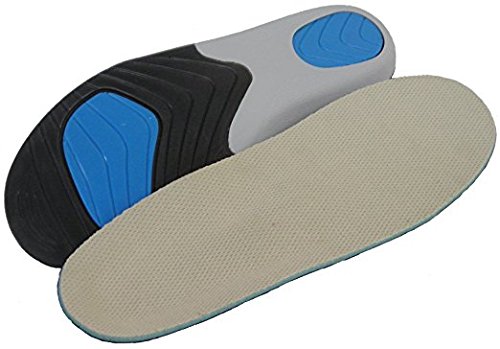
Optimal Full Orthotic Motion Control Insole

Superfeet Medium Arch Insoles

PowerStep Pinnacle Arch Support Insoles

Superfeet High Arch Support Insoles

Superfeet High Impact Insoles
Pedag Plantar Fasciitis German Made Heat Moldable Orthotic Insoles for Men and Women

Pedag Viva Sport Insoles
TEGA Carbon Fiber Arch Support Overpronation Insoles for Running and Sports
Taking A Closer Look At The Options
The Optimal Full Orthotic Motion Control Insole takes a more structured approach than the mostly cushioned models later in this list. A semi-rigid arch platform, metatarsal pad, and cushioned heel area work together to guide a foot that tends to roll inward, making the design relevant to long shifts, school days, and regular walking.
Its full-length coverage makes it a sensible option for shoes with room beneath the insole, though the substantial structure may feel more noticeable than a thin insert. You are most likely to appreciate this model when firmer control matters more than making the insole disappear completely.
What Stands Out
- Semi-rigid support gives the arch a steadier platform during long periods of standing or walking.
- The metatarsal pad spreads pressure across the forefoot rather than concentrating it under one area.
- Two gel cushioning zones soften the heel and the area beneath the ball of the foot.
- Full-length coverage supports the complete foot instead of targeting a single pressure point.
Things To Consider
- The structured profile may occupy more shoe space than a soft foam insert, especially in narrow footwear.
Key Specs
Who It Suits Best
You benefit most from this design during long standing shifts or daily walking when structured motion control is your main priority.
Where Another Pick Suits Better
PowerStep Pinnacle Arch Support Insoles suit you better when cushioning should remain more prominent than this model’s firm orthotic structure.
Superfeet Medium Arch Insoles suit everyday shoes that need more stability without the pronounced orthotic profile of the Optimal model. The medium arch height offers a middle-ground option for feet that sit between flatter and more elevated arches, while the structured shape can keep the foot from rolling excessively during a commute or workday.
Unlike a finished, pre-sized insert, this model is intended to be trimmed. That adds a fitting step, but it also allows you to remove material around the toe and keep the support structure inside the usable portion of your shoe.
The Value In It
- A medium profile offers a balanced choice for common everyday arch shapes.
- Trim-to-fit construction gives you control over the insole’s length inside your footwear.
- The structured arch can improve placement during walking, standing, and long errands.
Minor Gripes
- You need to follow the cutting guidance and trim the insert before wearing it.
- People between sizes may need to choose the larger size and remove extra material to obtain a close fit.
- The supportive shape may require a shoe with a removable insole.
Made For
You are best matched to this model when you have medium arches, wear shoes with removable inserts, and want a stable daily insert.
Consider Something Else When
Superfeet High Arch Support Insoles make more sense for you when your foot has a pronounced high arch that needs a taller profile.
PowerStep Pinnacle Arch Support Insoles combine a shaped arch platform with substantial cushioning for people who spend much of the day moving between home, work, and other destinations. The plantar fascia is the band of tissue running along the bottom of the foot, and this model’s contoured support is intended to reduce strain around the arch and heel during repeated steps.
Compared with the Optimal Full Orthotic Motion Control Insole, Pinnacle places more emphasis on cushioning while retaining useful stability. The listed size covers men’s 10 to 10.5 and women’s 12 to 12.5, so your normal shoe size should be checked before ordering.
What Helps Most
- A supportive arch shape helps stabilize the foot and ankle during extended activity.
- Generous cushioning suits days spent walking, standing, or moving between tasks.
- The full-foot design may feel more comfortable than a narrow insert that leaves parts of the shoe unsupported.
Points To Note
- The available size range is specific, making an accurate shoe-size check essential.
- A cushioned orthotic can still feel substantial inside close-fitting shoes.
Technical Sheet
The Right Fit
You benefit most from Pinnacle during long walking days or standing jobs, especially with a shoe size inside the listed range.
Look Elsewhere When
Pedag Viva Sport Insoles suit you better when sports-focused shock absorption and forefoot support take priority over an office-oriented walking profile.
Superfeet High Arch Support Insoles raise the arch profile for feet that feel unsupported in the medium and all-purpose models. That makes this pair a more natural choice for a noticeably high arch, particularly in work boots or walking shoes where the heel needs to remain settled over the footbed.
As with the Superfeet Medium Arch Insoles, trimming is part of the fitting process. The listed range covers men’s 9.5 to 11 and women’s 10.5 to 12, giving you more room to shape the insert around your footwear.
Strong Points
- The elevated arch profile gives high arches a more suitable place to sit.
- A deep heel cup helps center the heel and adds stability during standing or walking.
- Trim-to-fit edges let you reduce excess material where your shoe toe narrows.
Small Caveats
- The taller profile may create more pressure inside a low-cut shoe than a low-profile cushion.
- Correct trimming is needed to avoid unused material bunching near the toe.
Quick Facts
Who Will Love This
You will likely appreciate this model when your arch is high and your daily shoes have enough depth for a taller insert.
A Better Fit Elsewhere
Superfeet Medium Arch Insoles suit you better when your arch height falls in the middle and you want less volume beneath the midfoot.
Superfeet High Impact Insoles are intended for routines that place more repeated force through the feet, such as running, court sports, or an active workday. The high-impact positioning makes this model a more focused choice than the Superfeet Medium Arch Insoles, which lean toward general daily support.
Because the product is made for women, you should confirm the available sizing against your usual footwear. You may also find that an activity-focused insert feels different from a casual shoe insert, particularly during the first few days of wear.
Everyday Advantages
- The high-impact design suits repeated movement and active footwear.
- A women’s version provides a focused option within the Superfeet range.
Where It May Fall Short
- Your shoe size and intended activity should be checked before purchase.
- High-impact support may feel firmer than an insert intended mainly for relaxed daily wear.
Built With In Mind
You benefit most from this model when you regularly run, play court sports, or spend substantial time in activity-focused shoes.
Another Choice May Suit
Pedag Viva Sport Insoles may suit you better when forefoot support and a sports-specific anatomical shape are your main requirements.
Pedag Plantar Fasciitis German Made Heat Moldable Orthotic Insoles for Men and Women stand apart by letting you shape the footbed to your own arch. Heat molding uses warmth to soften the material temporarily, allowing the insert to take on a more personal contour before it hardens again. That process can be useful for flat feet, uneven arches, or shoes that do not accommodate a standard insert.
Natural latex provides the base, while activated carbon charcoal adds an odor-controlling component. The model also supports medium and high arch profiles, giving it broader relevance than the Superfeet High Arch Support Insoles, though the listed pair is sized for women’s US 9 and EU 39.
Reasons It Performs
- Heat molding creates a more individualized shape for the foot and shoe.
- The latex construction balances support with a softer feel underfoot.
- Activated carbon charcoal helps manage odors in shoes worn for long periods.
- Trimming allows the finished insert to match the available shoe space.
- Medium and high arch options make the design relevant to a broader range of feet.
Practical Considerations
- Heat molding and trimming add setup steps before the first wear.
- The listed size is limited to women’s US 9 and EU 39.
- Soft shoes may not retain the shaped profile as effectively as firmer footwear.
Feature Snapshot
Best Suited To
You benefit most from this model when you want a custom fit, wear the listed size, and can devote a few minutes to molding and trimming.
Reach For A Different Pick When
Superfeet Medium Arch Insoles suit you better when a ready-to-trim insert is more convenient than a heat-molding process.
Pedag Viva Sport Insoles are shaped for movement, with attention to both the lengthwise arch and the transverse arch across the forefoot. The listing describes the footbed as podiatrist-designed, combining a diagonal bridge with an integrated metatarsal pad. That construction can make the insert useful for walking, running, and court sports where each step produces repeated forefoot pressure.
Unlike the more customizable Pedag orthotic, this pair comes in a specific women’s size. You should compare that size with your shoes before ordering, and note that an insert supporting both the arch and forefoot can change how a shoe feels during longer activity.
What Works In Its Favor
- A diagonal bridge supports the foot’s lengthwise arch during repeated strides.
- The integrated metatarsal pad adds support across the forefoot rather than concentrating it at the toes.
- Sports foam is designed to cushion repeated impact during active routines.
Details To Watch
- The listed women’s size is US 7 and EU 37, so check your usual size carefully.
- Combined arch and forefoot support may take some adjustment in snug footwear.
Whose Shelf It Belongs On
You benefit most from Viva Sport in running shoes, court shoes, or walking shoes worn for frequent active movement.
Swap It Out When
TEGA Carbon Fiber Arch Support Overpronation Insoles for Running and Sports suit you better when a deeper heel cup is your priority.
TEGA Carbon Fiber Arch Support Overpronation Insoles for Running and Sports combine a firm support structure with cushioned layers for a more active use case. A deep heel cup is intended to help keep the foot centered as it rolls through a stride, while the arch section supports flatter feet that tend to roll inward.
The memory-foam surface adds a softer layer above the structured base, and breathable fabric is used at the upper portion. Compared with the Pedag Viva Sport Insoles, this model places more emphasis on heel containment, although the exact shoe fit remains the deciding factor.
Useful Highlights
- The deep heel cup gives the foot a more defined central position during movement.
- Memory foam adds cushioning over the structured support area.
- A breathable fabric upper helps manage heat during active use.
- The design directly addresses the needs of flat feet and inward rolling.
Less Ideal Details
- Multiple layers may require more shoe volume than a simple foam insert.
- Several size combinations are available, so confirm the women’s or men’s range before ordering.
Core Details
Who Should Grab It
You benefit most from this model during running or sports sessions involving repeated impact and noticeable inward rolling.
Not Your Match When
Pedag Viva Sport Insoles suit you better when forefoot support takes precedence over a deep heel cup and carbon-fiber base.
What Matters Before You Choose Your Insoles
Match the arch to your foot
A medium or high arch profile should feel consistent with the shape of your foot rather than forcing a pronounced rise. Flat feet often benefit from a broader, more supportive platform, while high arches may need additional space beneath the midfoot. Simple home observation can help narrow the field, but an insole that creates pressure is not a good match.
Decide how much control you need
Motion-control orthotics emphasize a structured platform, while all-purpose inserts combine support with a more conventional cushioning profile. Runners and walkers may prefer firmer heel control, whereas someone mainly replacing a thin factory insert may value flexibility and comfort. The Optimal Full Orthotic Motion Control Insole represents the firmer end of this list.
Account for the fitting process
Trim-to-fit models require careful cutting, and heat-moldable inserts add another setup step. Work from the printed guideline, trim gradually, and test the insert in the shoes you expect to use. A neat outline does not guarantee a comfortable fit, so leave enough space around the toe and check for bunching.
Match the insert to your activity
A daily work shoe, running shoe, and roomy casual shoe can each require a different amount of support. High-impact models are shaped for repeated force, while all-purpose versions often work better across varied footwear. Replaceable factory liners can affect fit too, so remove them only when the replacement supports the shoe without shifting.
Making Sense Of The Main Fit Details
Mistakes Worth Dodging
Choosing by the word “orthotic” alone can oversimplify the decision. Compare arch height, shoe size, trimming requirements, and activity level, and do not assume a heavier insert provides better support. Persistent foot discomfort deserves attention from an appropriate specialist doctor.
What Separates Premium From Basic
More specialized materials, targeted padding, and custom shaping can add utility, but only when they match your footwear and needs. A costly model with the wrong arch profile is less useful than a simpler design that fits securely and feels comfortable.
Frequently Asked Questions
What type of insole is best for flat feet and overpronation?
A structured or semi-rigid insole with arch support and a deep heel cup is often the most relevant category for flat feet and mild overpronation. The best fit still depends on your arch shape and shoe size.
Can I use these insoles in running shoes?
You can use many orthotic insoles in running shoes, but the insert must fit without shifting or crowding the toe. Sport-specific models may be better suited to repeated impact than a casual full-length orthotic.
Should I choose a high or medium arch insole?
Choose a high profile when your foot has a pronounced arch that feels unsupported, and a medium profile when your arch falls between flat and high. The heel should remain centered without feeling pinched or pushed upward.
Do Superfeet insoles need trimming?
Yes, the Superfeet All-Purpose models in this roundup are designed to be trimmed to your shoes. Follow the included cutting guide, and choose the larger size when you fall between two sizes before trimming down.
When should persistent foot discomfort be professionally assessed?
Arrange an assessment with an appropriate specialist doctor when discomfort continues, worsens, or interferes with normal activity. This is especially important when the pain follows an injury or appears alongside visible swelling or numbness.
Final Verdict
Your foot shape and daily routine should narrow the field faster than any technical label. Start with the arch profile, confirm your size, and account for trimming or molding before choosing. A well-fitted insole should support your movement without crowding the shoe, and comfort across your normal day is the most useful measure of fit.
