

The first steps after a long shift can be surprisingly painful when plantar fasciitis affects your feet. This connective tissue supports the arch, and irritation around the heel can make walking, standing, or exercise uncomfortable. These products fall into two useful categories: supportive insoles for daily footwear and massagers for focused foot care, with each option shaped around different routines, shoe types, and foot profiles. Persistent discomfort deserves attention from an appropriate specialist doctor, while these picks offer practical support for everyday comfort.
A Quick View Of The Lineup

QBK 3/4 Arch Support Insoles for Women/Men, Plantar Fasciitis, M

BESKAR Foot Massage Roller

HELDSON Wooden Foot Massager Roller
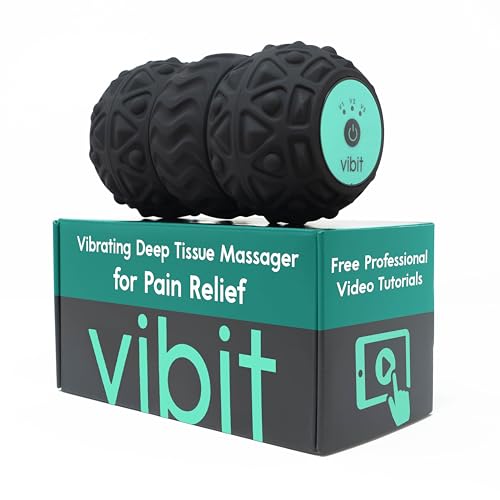
Vibit Vibrating Foot Massage Roller

Superfeet Run Cushion Insoles

QBK 3/4 Arch Support Insoles for Women/Men, Heel Spur Relief L
QBK 3/4 Arch Support Insoles for Women/Men, Over-Pronation XL

QBK 3/4 Arch Support Insoles for Women/Men, Heel Spur Relief S
More On The Choices That Made The List
The QBK 3/4 design leaves the toes uncovered while adding a raised arch platform and heel cushioning to the rest of the foot. That makes it a sensible choice for people who spend long periods walking or standing but still want more room at the front of the shoe.
Firm EVA gives the insert a structured feel, while the moisture-wicking, nonskid surface can be useful during warmer commutes or exercise. Compared with a full-length insole, its shorter profile may fit more readily into everyday shoes, though the added contours still need enough room.
Noteworthy Benefits
- The 3/4 length supports the arch and heel without covering the toes.
- Firm EVA gives the foot a more defined support platform.
- Heel cushioning spreads contact across a broader area.
- Moisture-wicking, nonskid fabric suits active, sweaty routines.
Things To Consider
- The M size needs to match your foot and shoe dimensions carefully.
- Raised contours may feel crowded in very shallow footwear.
Key Specs
Made For
You are a good match for these insoles when your feet need structured arch and heel support during long walking or standing days.
Where Another Pick Suits Better
Superfeet Run Cushion Insoles suit runners who want a trim-to-fit insole made specifically for running and walking shoes.
A handheld roller suits a different routine from the QBK insole because it provides direct pressure without occupying shoe space. Its curved form follows the underside of the foot, allowing you to roll the heel, arch, and forefoot under your own control.
That manual approach may appeal after exercise, during a quiet evening, or whenever you want focused attention on a tired sole. Unlike a powered massager, it asks for a little more effort, but it is also straightforward to use without managing controls.
A Few Strong Suits
- The curved shape follows the natural line of the foot.
- Pressure can be adjusted through the speed and force of rolling.
- The compact format works without taking up shoe space.
Points To Keep In Mind
- Manual rolling takes more physical effort than a powered option.
Who It Suits Best
You will appreciate this roller if you prefer a simple, hands-on massage routine and want to control the pressure yourself.
Consider Something Else When
Vibit Vibrating Foot Massage Roller suits you better when you want powered vibration and the option to massage larger body areas.
Wood gives the HELDSON roller a more substantial feel than a lightweight foam tool, while its curved profile keeps more of the sole in contact as you roll. It is a practical option for people who prefer a textured surface and want something easy to place beside a chair or bed.
More than 1,000 fine ridges and 48 raised nodes create the massage texture, giving the surface more defined contact points than the BESKAR roller. The texture is the main attraction, although anyone sensitive to strong pressure may want to begin with lighter rolling.
Everyday Perks
- The wooden construction creates a firm rolling surface.
- Fine ridges provide texture across a broad area.
- Raised nodes add more concentrated points of contact.
- The arch shape supports a natural rolling position.
Small Caveats
- The pronounced texture may feel intense under heavy pressure.
- Manual use means the massage pace depends on your movement.
Feature Snapshot
Right Fit For
This roller fits you well if you want a textured, hand-powered massage tool for use after walking or exercise.
A Better Fit Elsewhere
BESKAR Foot Massage Roller may suit you better when you prefer a simpler surface and want to vary pressure mainly through speed and force.
Powered vibration changes the pace of a foot massage, making Vibit appealing when manual rolling feels like too much effort. The roller is designed for the plantar fascia, heels, and tight muscle areas, so your session can stay focused on the parts of the foot that feel most irritated.
Its broader use is the notable distinction from the wooden and handheld rollers on this list. The same tool can also be moved over the neck, shoulders, back, and legs, giving it a place in post-exercise routines that extend beyond foot care.
Practical Pluses
- Vibration adds movement without requiring fast manual rolling.
- The shape works for the heel, arch, and other tight areas.
- It can also be used on the neck, back, shoulders, and legs.
- One device can cover several post-exercise massage needs.
Worth Noting
- A powered tool requires a suitable place for charging or power access.
- Broader body use may take up more room than a dedicated foot roller.
Built With In Mind
You are a good match if you want one powered massage tool for both targeted foot care and other areas of post-workout tension.
Another Choice May Suit
HELDSON Wooden Foot Massager Roller suits you better when you prefer a quiet, handheld tool without powered vibration.
Superfeet built these insoles for a more active footwear routine, with flexible arch support intended for running and walking. That focus makes them a natural alternative to the QBK models, which come in fixed sizes and use a pronounced 3/4-length profile.
You trim the insole to match your shoe, a useful feature for feet that fall between standard sizes. It adds a setup step, but it can create a more precise fit than choosing from a limited size range, especially across differently shaped running shoes.
Real-World Strengths
- Designed for running and walking footwear.
- Flexible support suits frequent movement.
- Trim-to-fit construction allows a closer shoe match.
- The insole supports a high-arch profile.
Trade Offs
- Trimming is required before the first use.
- You should size up and trim down when falling between sizes.
At A Glance
Who Should Grab It
This is your pick when you regularly wear running or walking shoes and want a high-arch insole tailored to the footwear’s outline.
Swap It Out When
QBK 3/4 Arch Support Insoles for Women/Men, Plantar Fasciitis, M suit you better when you prefer a ready-made insert in a known size.
The L version gives you the same core QBK approach as the M insole, but with a size intended for larger feet. Its high arch, structured heel area, and firm EVA construction are designed to support foot positioning through regular walking and standing.
Because the insert covers only three quarters of the shoe, it may feel less bulky than a full-length orthotic. The trade-off is that the raised arch and heel contours still require a shoe with enough internal depth, particularly during long days on your feet.
Strong Points
- The L size supports larger-foot profiles.
- Firm EVA creates a stable arch-support platform.
- Structured heel support adds cushioning under the heel.
- The shorter design leaves the toe box uncovered.
Room For Improvement
- The L designation needs to correspond with your foot length and width.
- Raised support may crowd shoes with a shallow footbed.
Core Details
The Right Fit
These insoles suit people with larger feet who want structured QBK support without placing an insert across the entire toe area.
Look Elsewhere When
Superfeet Run Cushion Insoles suit you better when shoe-specific trimming is more useful than choosing a fixed L size.
The XL model adds a 35 mm arch profile, making it the more substantial QBK option on this list. That raised structure is intended for pronounced high arches, flat-foot positioning, and overpronation, where a thin insert may not provide enough support.
A structured heel cup helps hold the foot in position while the 3/4-length body supports the arch. Compared with the QBK L and M versions, this model prioritizes a taller support profile for XL feet, so shoe space deserves extra attention before purchase.
Benefits That Matter
- The 35 mm arch creates a pronounced support platform.
- Structured heel support helps maintain foot positioning.
- The XL size accommodates a larger foot profile.
- Overpronation support gives runners a more focused option.
Possible Compromises
- The taller profile needs a shoe with generous internal depth.
- The 3/4 length may not suit very shallow dress shoes.
Best Suited To
You are the best match for this model when you have XL feet and want a more pronounced arch structure for walking or running footwear.
Reach For A Different Pick When
QBK 3/4 Arch Support Insoles for Women/Men, Heel Spur Relief L suit you better when you need a less elevated profile in a large size.
The S version offers QBK’s structured 3/4-length design for smaller feet, giving you an option that does not require moving up to a medium or large size. High-arch support and heel cushioning remain the main focus, which can be useful in work shoes, walking sneakers, and other roomy footwear.
Firm EVA gives the insert a stable feel, and the shorter design leaves the toes uncovered. The trade-off comes with the size itself: smaller feet should not be pushed into an S insert, and anyone needing a taller arch may find the XL QBK model more appropriate.
Strengths Worth Knowing
- The S size serves smaller-foot profiles.
- High arch support targets the central foot area.
- Heel cushioning adds contact under the heel.
- Firm EVA provides a structured insole feel.
Details To Watch
- Foot length and width should be checked before choosing S.
- The support contours still need adequate shoe depth.
Product Snapshot
Whose Shelf It Belongs On
This insole belongs on your list if you have smaller feet and want structured arch and heel support in a short-length design.
Where A Sibling Pick Shines
QBK 3/4 Arch Support Insoles for Women/Men, Over-Pronation XL suit you better when a 35 mm arch profile and a larger size are the priority.
Matching Support to Your Daily Routine
Start With Your Main Discomfort Pattern
Heel-focused discomfort may call for a heel-cushioned insole, while discomfort through the arch may make a raised support profile more useful. Massagers work better for short, concentrated sessions, whereas insoles remain in place throughout your normal routine.
Match the Format to Your Shoes
Three-quarter insoles leave more room at the front of the shoe, but their raised sections still need adequate depth. A trim-to-fit option offers a different approach because you can follow the outline of a particular running or walking shoe.
Treat Size as a Comfort Decision
Foot length alone does not tell the whole story, so compare width and shoe volume as well. A size that feels too short can create crowding, while an overly elevated insert may make a supportive shoe feel restrictive.
Build a Consistent but Gentle Routine
Short periods of supportive walking or focused massage can fit more easily into daily life than an demanding routine. Stop any activity that causes sharp pain, and seek advice from an appropriate specialist doctor when discomfort persists or changes.
Practical Checks Before You Buy
Mistakes Worth Dodging
Do not judge an insole only by its arch height, or assume a roller needs to be used aggressively. Match the product to your shoe, foot size, and daily activity, and stop any routine that increases your discomfort.
What The Higher Tier Buys
A larger spending commitment may provide a more specialized size, adjustable fit, or powered massage function. The upgrade matters only when its extra feature matches a limitation you actually experience.
Frequently Asked Questions
Should I choose insoles or a foot massager for plantar fasciitis?
Choose insoles for support during walking, standing, or exercise, and choose a massager for focused manual or vibration-based sessions. Some routines work well with both, using an insole throughout the day and a roller afterward.
Do 3/4-length insoles fit in dress shoes?
They may fit in roomy shoes with removable insoles, but raised arch and heel sections need adequate depth. Low-profile or shallow footwear can leave less space for the support contours.
How do I trim Superfeet Run Cushion Insoles?
Follow the cutting instructions and remove only the material needed to match the shoe outline. People between sizes should size up and trim down, and the insole should lie flat after cutting.
Can a foot massager replace professional medical advice?
No, a massager is a comfort tool rather than a substitute for professional evaluation. Persistent pain, swelling, numbness, or worsening symptoms deserve attention from an appropriate specialist doctor.
Which option is easiest to use at home?
The BESKAR and HELDSON rollers require only manual movement, while Vibit adds powered vibration. Insoles require no separate session, but you must select the correct size and check that they sit comfortably inside your shoes.
Final Verdict
The strongest match depends on your daily routine. Insoles are the practical choice for support inside your shoes, while a roller gives you more control over focused foot massage. Match the size, profile, and shoe space carefully, and choose the option you can comfortably use rather than the one with the most features.
