

A wrist device that tracks your heart rate can turn a routine workout into a more informed session, especially when you want live intensity data, training zones, or recovery guidance. The right fit depends on your training platform, outdoor exposure, and preferred mix of smartwatch features versus a focused armband, so this lineup includes slim replacement straps, rugged solar watches, and dedicated optical sensors for cycling, running, and indoor workouts.
The Lineup, Simplified

Garmin Forerunner 965, 47mm

AK Silicone Sport Replacement Bands for Fitbit Versa 2

Garmin Instinct 2X Solar Graphite

COOSPO Bluetooth ANT+ HR Armband with IP67 Water Resistance

Garmin Fenix 7X Solar Slate Gray
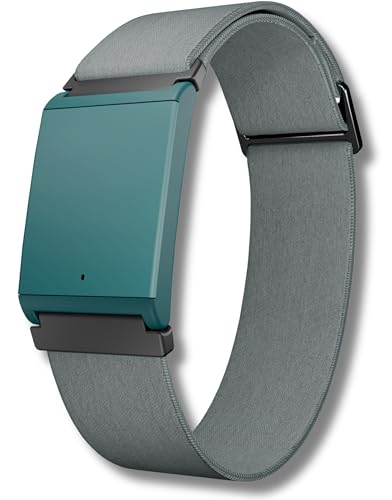
POWR LABS Bluetooth ANT+ Rechargeable HR Armband

COOSPO HW807 Bluetooth 5.0 ANT+ HR Armband with LED Zones

COOSPO HW9 Bluetooth 5.0 ANT+ Optical HR Armband with Zone LEDs
The Strengths Of Each Pick
The 47mm Garmin Forerunner 965 suits runners who want training information beyond a live heart-rate number. Its AMOLED touchscreen, GPS capability, and multisport focus make it a stronger fit for a serious training schedule than the lighter replacement bands and armbands later in this list.
The morning report adds context through HRV, sleep, recovery, and training-readiness information. HRV means heart rate variability, which describes beat-to-beat timing changes; you can review those figures alongside other wellness data, though they remain estimates rather than medical measurements.
Everyday Wins
- The bright AMOLED display gives running metrics and training information a dedicated screen rather than hiding them in a phone app.
- GPS tracking suits routes where your phone has no dependable signal.
- A titanium bezel adds a lighter premium feel to the 47mm case.
- Recovery and readiness views give your heart-rate data more context across daily training.
Points To Note
- The 47mm case is substantial, so smaller wrists may find the dedicated screen less comfortable during sleep tracking.
- This watch carries more features and a higher complexity than a standalone optical armband.
Key Specs
Who It Suits Best
You benefit most from this watch as a runner who values training context, route data, and recovery information in one device.
Where Another Pick Suits Better
Coospo HW807 suits indoor trainers who mainly want a lightweight sensor with visible heart-rate zones.
A worn-out strap can make an otherwise useful Fitbit inconvenient, and the AK Silicone Sport Replacement Bands offer a practical way to refresh your setup. The Starlight color also gives a Versa 2 a brighter look without replacing the watch itself.
Made from flexible silicone, the strap is designed for daily wear, workouts, and easy cleaning. You still receive heart-rate data through the Fitbit hardware, so this is a comfort and appearance upgrade rather than a new tracking device.
Everyday Perks
- Soft silicone feels flexible during workouts and everyday wear.
- The band accommodates wrists from 5.5 to 8.5 inches.
- Its sweat- and water-resistant design suits active routines.
- Starlight provides a clean alternative to a worn original strap.
Practical Considerations
- The watch is not included, so this option only replaces the strap.
- Compatibility covers Versa, Versa 2, Versa Lite, and Versa Special Edition, but not Versa 3 or Sense.
Quick Facts
Made For
This strap fits Versa 2 owners whose original band has stretched, cracked, or become uncomfortable during regular exercise.
Consider Something Else When
CooSpo HW807 is a better fit for someone seeking a standalone heart-rate sensor rather than a replacement Fitbit strap.
The Garmin Instinct 2X Solar is built around the sort of trip where your watch may encounter dirt, water, cold, and long periods away from a charger. Its rugged case, solar charging, and built-in LED flashlight make it more purpose-built for the outdoors than the slim AK strap or most dedicated armbands.
For trail runners, hikers, and cyclists, that combination is practical. You can review activity information on the watch, use GPS for route tracking, and rely on sunlight to assist charging during extended daytime journeys.
Useful Highlights
- Solar charging supports extended outdoor use with regular sunlight exposure.
- The built-in flashlight adds visibility on early starts and night trails.
- A rugged outdoor design suits demanding training environments.
- GPS functionality supports routes away from reliable phone reception.
Trade Offs
- The renewed condition calls for a closer inspection of the case, screen, and band before use.
- Its bulky outdoor design may feel less discreet than the AK silicone replacement band.
Right Fit For
You benefit most from this watch as a hiker or trail athlete who values solar charging, GPS, and a rugged physical design.
Not Your Match When
Garmin Forerunner 965 suits runners who prefer a lighter touchscreen experience with more prominent training and recovery views.
The COOSPO Bluetooth ANT+ HR Armband keeps the focus on live workout data rather than watch apps and notifications. Its optical sensor sits against the arm, making it useful during cycling, running, and indoor sessions when you want readings without a bulky watch on your wrist.
Bluetooth and ANT+ cover two common wireless training ecosystems. ANT+ is a low-energy sports-device protocol, while Bluetooth supports many phones and connected-fitness services; the listed compatibility includes Peloton, Wahoo, Polar Beat, Strava, and DDP Yoga.
Practical Pluses
- Dual-band connectivity gives you more options when pairing training equipment.
- The rechargeable armband can send live heart-rate information to compatible devices.
- IP67 is an ingress-protection code for dust and water resistance, which suits sweaty workouts.
- Training-zone and calorie information can appear in supported training apps.
Softer Spots
- Your chosen app must support the sensor and its Bluetooth or ANT+ connection.
- You may find the armband less convenient than a watch for notifications and navigation.
At A Glance
Best Suited To
This armband suits mixed-discipline athletes who want one sensor for indoor cycling, running, and connected training apps.
Look Elsewhere When
CooSpo HW9 is a better fit for interval sessions where a color-coded zone light provides quicker visual cues.
A large display makes the Garmin Fenix 7X Solar easier to read during climbing, hiking, or training on a busy bike computer. The 1.4-inch screen gives room for activity metrics, while physical button controls offer an alternative to touch operation when your hands are wet or moving.
The solar charging lens and built-in flashlight extend its usefulness beyond heart-rate tracking. Compared with the 47mm Forerunner 965, this model emphasizes a larger, button-friendly multisport format, which can matter more during technical outdoor activities.
Bright Spots
- The 1.4-inch display presents workout information in a large format.
- Solar charging helps support extended use in outdoor settings.
- Physical buttons allow navigation without relying solely on the touchscreen.
- The built-in LED flashlight is useful on early starts and low-light trails.
Factors To Consider
- The substantial case may be uncomfortable for smaller wrists or sleep tracking.
- Solar charging works best with regular daylight exposure and does not remove the need to monitor the battery.
Who Will Love This
You benefit most from this watch as a multisport athlete who values a large display, physical controls, and solar-assisted charging.
A Better Fit Elsewhere
Garmin Instinct 2X Solar fits outdoor users who prefer a bolder rugged case over the Fenix 7X Solar touchscreen experience.
The POWR LABS Bluetooth ANT+ Rechargeable HR Armband focuses on getting your live heart rate into the training tools you already use. Its listed compatibility extends across Peloton, Wahoo, Strava, Zwift, Garmin Connect, Apple Health, and Google Fit, which gives it broader appeal than a sensor tied to one ecosystem.
Dual Bluetooth and ANT+ broadcasting can support simultaneous connections to different devices, useful during a workout that spans a bike computer and phone app. The optical armband format also keeps the measurement close to the body while leaving your wrist open.
Points In Its Favor
- Broad app compatibility simplifies switching between indoor and outdoor sessions.
- Simultaneous Bluetooth and ANT+ broadcasts reduce device conflicts.
- The rechargeable design avoids disposable battery replacements.
- Live optical readings suit workouts where intensity feedback matters.
Possible Compromises
- You need to confirm that your preferred app accepts the armband rather than relying on a specific paired device.
- It provides workout data rather than the navigation and notification features of a smartwatch.
Technical Highlights
The Right Fit
This armband suits connected athletes who rotate among Peloton, Strava, Garmin Connect, and other supported services.
Skip It When
COOSPO HW807 fits trainers who place more value on a built-in zone light and HRV information than broad app support.
The COOSPO HW807 makes intensity easier to follow during intervals because its LED indicator shows your current heart-rate zone. That visual cue reduces the need to stop and check a phone, particularly during cycling, running drills, or group fitness sessions.
Bluetooth 5.0 and ANT+ connect the armband to supported equipment, while HRV information adds another view of how your timing changes across a workout. The listed connections include Peloton, Polar, Wahoo, Strava, and DDP Yoga.
Useful Touches
- The zone LED gives quick intensity feedback without opening an app.
- Bluetooth 5.0 and ANT+ support a broad range of connected-fitness equipment.
- HRV tracking adds beat-to-beat timing information to the workout data.
- The manufacturer lists continuous heart-rate, training-zone, and calorie tracking.
Small Caveats
- Heart-rate zones and colors depend on your connected app interpreting the live data.
- The zone light gives limited detail compared with reading a phone or sports computer.
Built With In Mind
This armband suits interval-focused athletes who want a simple visual cue for staying within their intended heart-rate zone.
Another Choice May Suit
POWR LABS Bluetooth ANT+ Rechargeable HR Armband suits people whose priority is simultaneous broadcasting across a wider collection of apps.
The COOSPO HW9 combines optical heart-rate tracking with five-color zone lighting, calorie information, and dual wireless connections. Its visual zone display makes it a strong option for group classes and interval workouts where you want an immediate cue without reaching for your phone.
The manufacturer states a measurement tolerance of plus or minus one beat per minute, though real-world readings can vary with fit, movement, and sensor position. Bluetooth 5.0, ANT+, and compatibility with Peloton, DDP Yoga, and Wahoo give it flexibility across common training platforms.
Key Advantages
- The five-color LED provides a quick view of your current training zone.
- Heart-rate and calorie information support structured workout tracking.
- Bluetooth 5.0 and ANT+ provide two connection options.
- HRV data gives the armband more context than a basic pulse counter.
- Compatibility covers indoor cycling, yoga, and endurance equipment.
Worth Bearing In Mind
- Zone colors depend on the settings and calculations in your connected app.
- Tight but comfortable placement matters for consistent optical contact during movement.
Feature Snapshot
Whose Shelf It Belongs On
This armband suits runners and indoor cyclists who want visual intensity cues alongside live heart-rate and calorie data.
Reach For A Different Pick When
Garmin Forerunner 965 fits runners who want navigation, training metrics, and recovery information on a full smartwatch display.
Match The Tracker To Your Training Life
Platform Compatibility Comes First
Your training app must accept the sensor’s connection method. Bluetooth works with many phones and connected-fitness services, while ANT+ is common on sports equipment; a device may support one, the other, or both.
Watch Features Versus Armband Simplicity
A smartwatch adds navigation, recovery information, and on-wrist workout metrics in a larger package. A dedicated armband usually keeps the wrist lighter and concentrates on live heart rate, zones, calories, and connection reliability.
Solar Charging Helps Outdoor Training
Solar-assisted watches are most useful for people who spend long periods outdoors during daylight. Their charging approach supplements the battery rather than removing the need to monitor charge before a multi-day trip.
Wrist Size and Wear Time Matter
A 47mm watch may feel substantial on a smaller wrist, especially during sleep. A silicone replacement strap offers less variety, while an optical armband needs close placement to maintain steady contact during movement.
Common Sense Checks Before You Choose
Mistakes Worth Dodging
Do not assume every armband works with every fitness service. Check the watch model, app, and wireless protocol first, especially when replacing a Fitbit strap or pairing with Peloton, Strava, or a bike computer.
What Separates Premium From Basic
Premium watches add route tracking, recovery context, larger displays, and outdoor-oriented charging. A basic armband may provide cleaner heart-rate data with fewer distractions, making it easier to use during frequent indoor sessions.
Frequently Asked Questions
What is the best device for tracking heart rate during exercise?
The best device depends on your training platform and priorities. A smartwatch suits runners wanting navigation and recovery context, while an optical armband suits athletes focused on live intensity data.
Does Bluetooth work with Peloton and Strava?
Many compatible armbands support Bluetooth and connect directly to Peloton or Strava. Confirm the exact product and app requirements before purchasing.
Is a heart rate armband more accurate than a smartwatch?
Neither format is inherently more accurate. Results depend on fit, placement, movement, and the algorithm used by your connected app.
Can I use the same band for running and cycling?
Most optical armbands can follow you across both sports. Check that your watch, bike computer, phone, or training app accepts the selected connection method.
What does HRV mean in a fitness tracker?
HRV stands for heart rate variability and describes changes in the timing between heartbeats. Fitness devices use the information to add context about your training and recovery patterns.
The Takeaway
Your best choice depends on whether you want a full training watch, a solar-ready outdoor instrument, a fresh Fitbit strap, or a focused optical armband. Match the device to your apps, confirm the physical fit, and choose the level of detail that will make your workouts easier to understand without adding unnecessary complexity.
